
Number tracing Worksheets for Ages 5-7
4 filtered results
Difficulty Level
Grade
Age
-
From - To
Subject
Activity
Standards
Our Number Tracing Worksheets for Ages 5-7 are the perfect tool to help young learners develop essential math skills. These engaging and educational worksheets offer fun, guided practice in writing numbers, fostering fine motor skills, number recognition, and counting abilities. Designed by early childhood education experts, each worksheet features clear, step-by-step tracing paths and vibrant illustrations to keep your child interested and motivated. Suitable for use at home or in the classroom, our number tracing worksheets make learning enjoyable and effective, setting a strong foundation for future math success. Encourage your child's confidence in math with these fantastic resources!
Favorites
With answer key
Interactive
 Assign to My Students
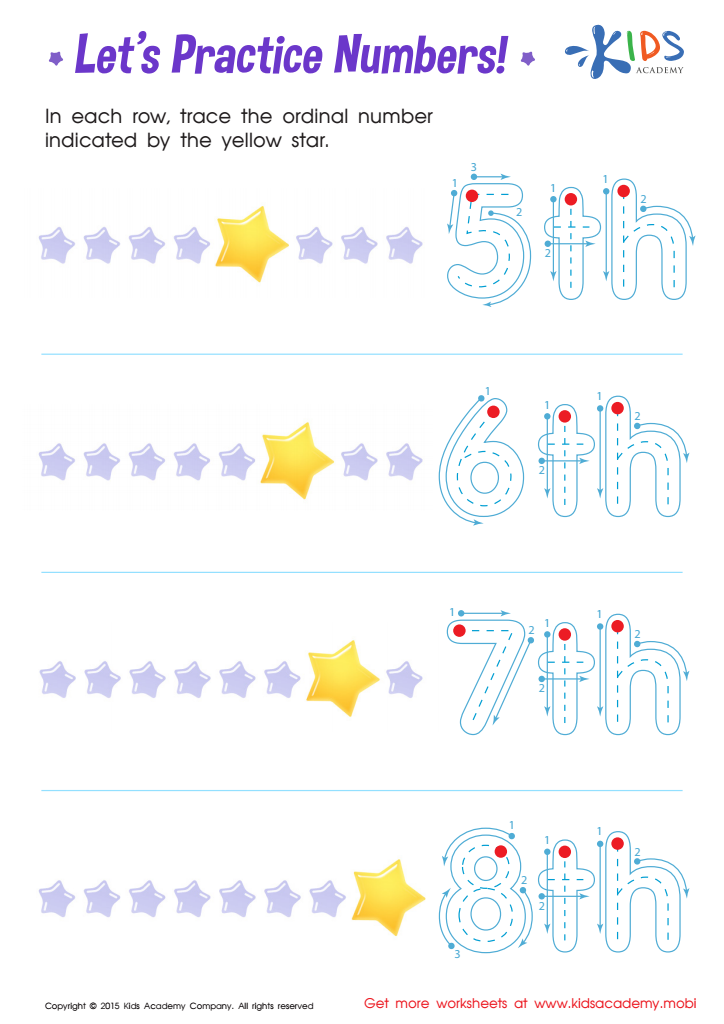
Ordinal Numbers: Let's Practice Numbers Printable
Worksheet
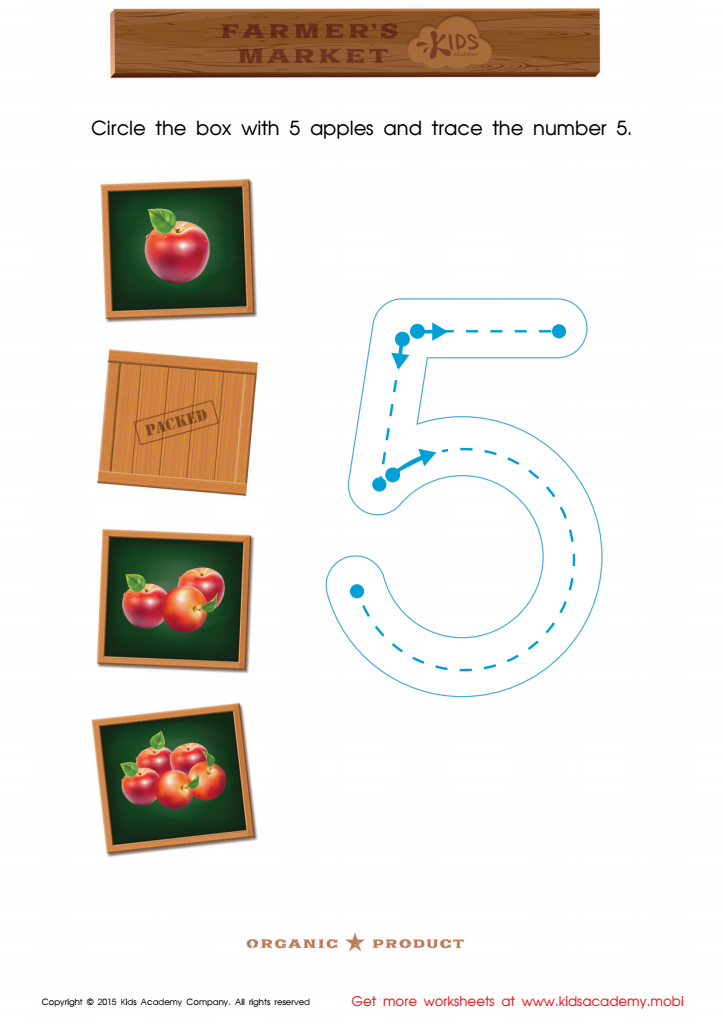
Count the Apples and Trace the Number 5 Printable
Count the juicy apples in each box, find the one with 5 and trace the number 5 following the arrows. Practice makes perfect! Print and get your little mathematician counting.
Count the Apples and Trace the Number 5 Printable
Worksheet
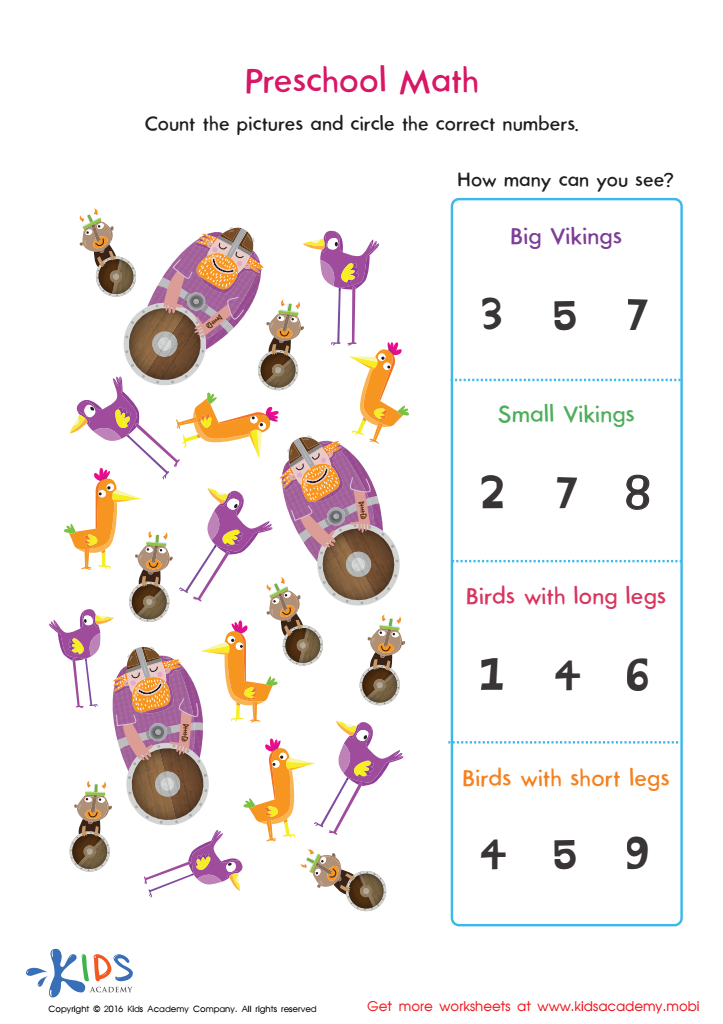
Counting Worksheet: Preschool Math
Worksheet
Join Kids Academy for Free
Who is primarily going to use this learning content?







Number tracing for children aged 5-7 is critically important for several reasons. First and foremost, it helps develop fine motor skills. At this age, young children are still honing their ability to control hand movements, and tracing numbers can significantly aid in this development.
Additionally, number tracing strengthens children’s understanding of numeric concepts. As they trace and form these numbers, they become more familiar with them in a concrete way, which establishes a solid foundation for future math learning. This tactile activity promotes cognitive connections between the physical act of writing and the abstract concept of numbers, enhancing comprehension.
Early exposure to number tracing also boosts confidence and preparedness for school. As children become more proficient in creating numbers, they feel a sense of accomplishment, which can lead to a more positive attitude towards learning overall. This early success in tracing numbers will translate to more complex math tasks, fostering a can-do spirit.
Moreover, integrating number tracing into early education aids in improving attention to detail and patience. It requires children to follow specific steps and concentrate, thus supporting their overall ability to focus on tasks.
Therefore, parents and teachers should prioritize number tracing as it builds essential foundational skills, promotes cognitive development, and sets the stage for future academic success.








