Practice inference skills Worksheets for Ages 5-7
4 filtered results
-
From - To
Discover our engaging "Practice Inference Skills Worksheets" designed specifically for children aged 5-7. These worksheets provide a fun and interactive way for young learners to develop critical thinking and comprehension skills essential for their academic journey. Through colorful illustrations and relatable scenarios, kids will easily connect the dots and make inferences from given context clues. Our carefully crafted activities not only enhance their ability to draw conclusions but also foster a love for reading and learning. Perfect for home or classroom use, these worksheets are a fantastic resource to inspire young minds. Start nurturing your child's inference skills today!
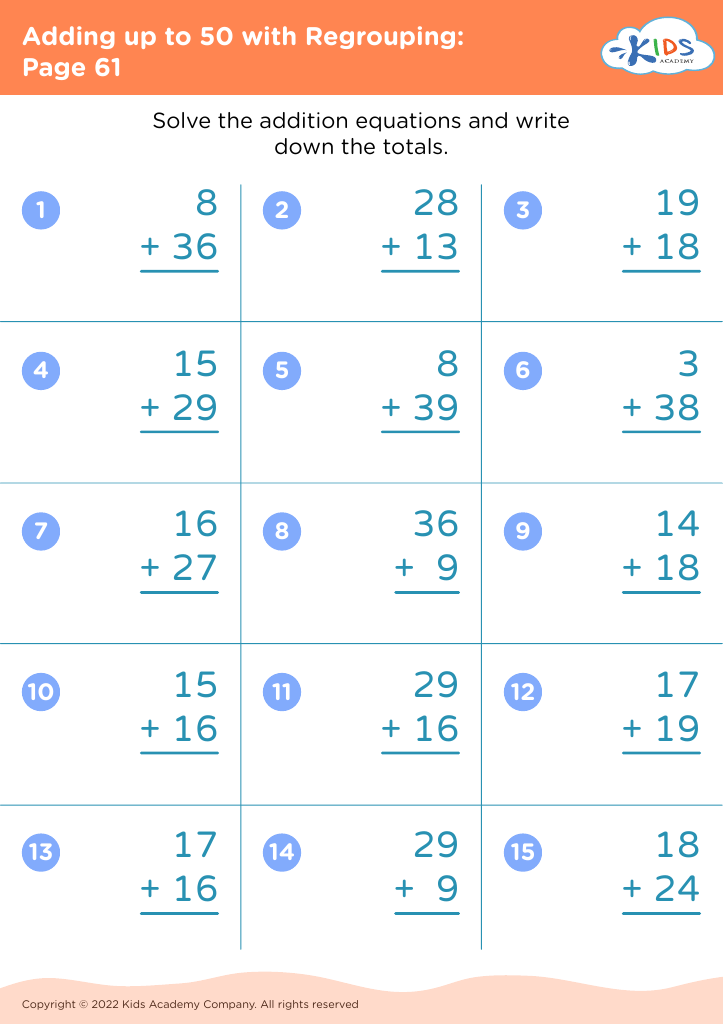
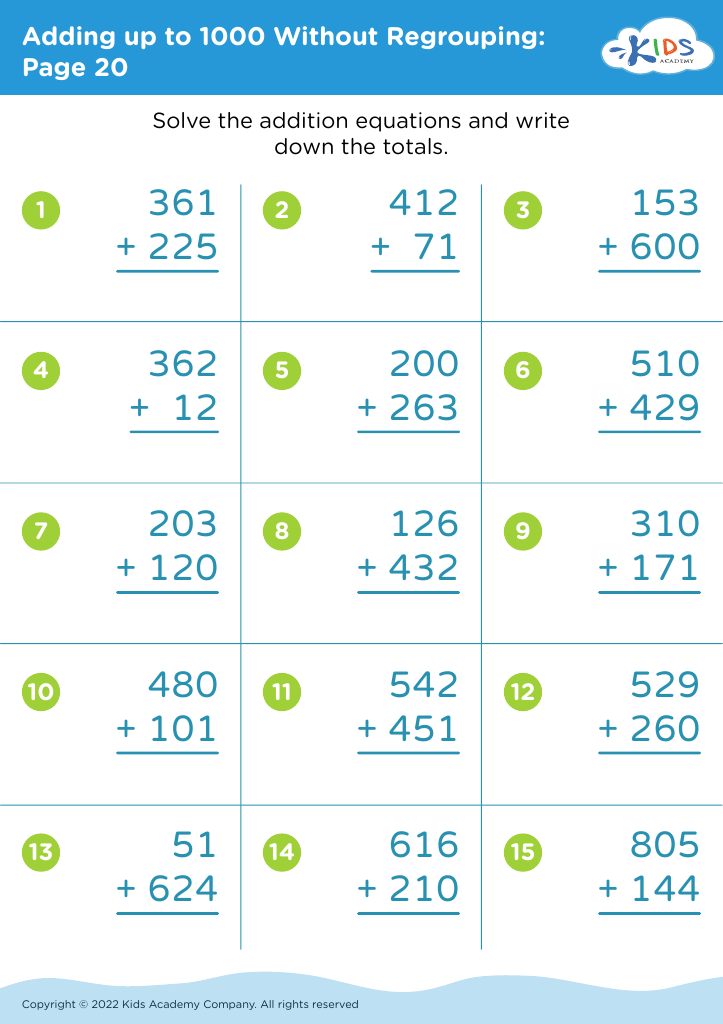
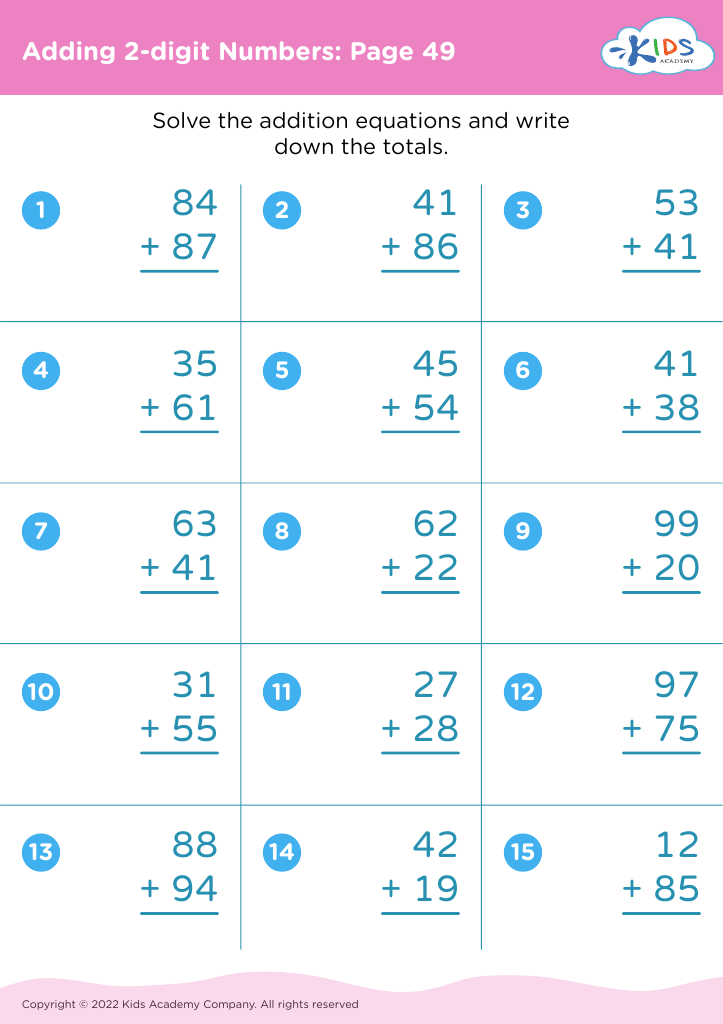
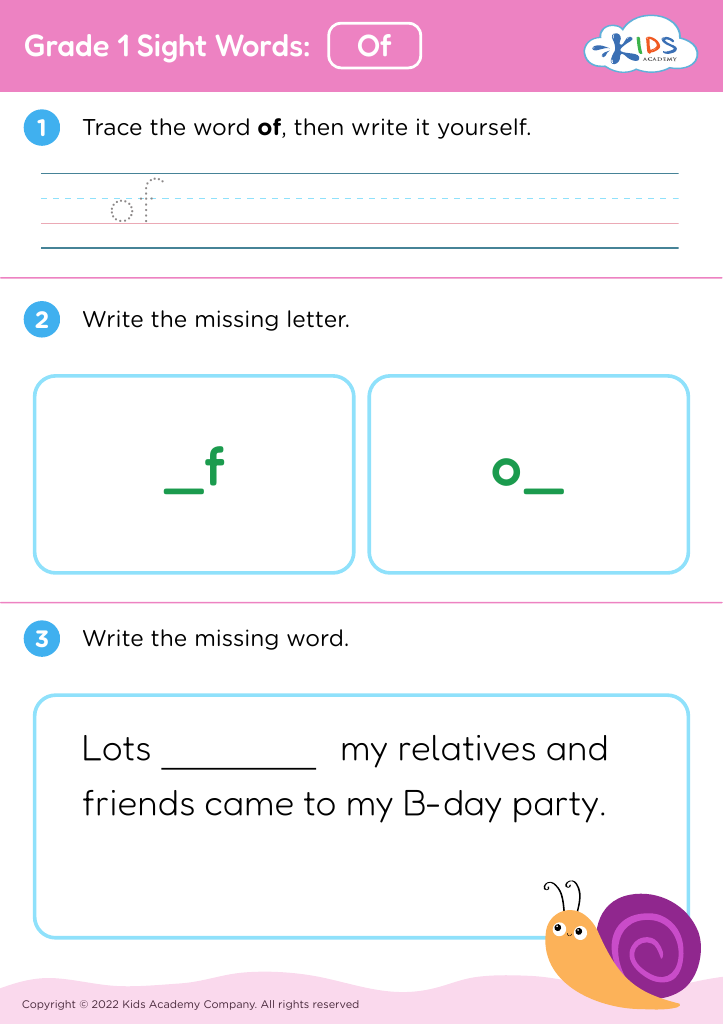







Practice in inference skills is essential for children aged 5-7, as it significantly enhances their overall cognitive development. At this age, children begin to transition from learning to read to reading to learn, making it vital for them to develop the ability to draw conclusions and make predictions based on context clues. Inference skills empower children to connect ideas, enhance comprehension, and solve problems.
When parents and teachers prioritize inference skills, they cultivate critical thinking abilities in young learners. This foundational skill boosts vocabulary, supports creativity, and strengthens their understanding of story elements, such as character motivations and plot developments. Engaging children in discussions about stories, asking open-ended questions, and providing opportunities to make guesses based on context, promotes a deeper understanding of the material.
Additionally, inference skills are applicable beyond academic learning; they equip children with the tools to navigate social situations, discern emotions, and communicate effectively. Furthermore, when parents and teachers collaborate in reinforcing these skills, it creates a consistent learning environment that fosters confidence and curiosity. Investing in these early inference skills nurtures lifelong learners who can interpret the world around them more effectively.








