Problem Solving Worksheets for Ages 5-7 - Page 2
42 filtered results
-
From - To
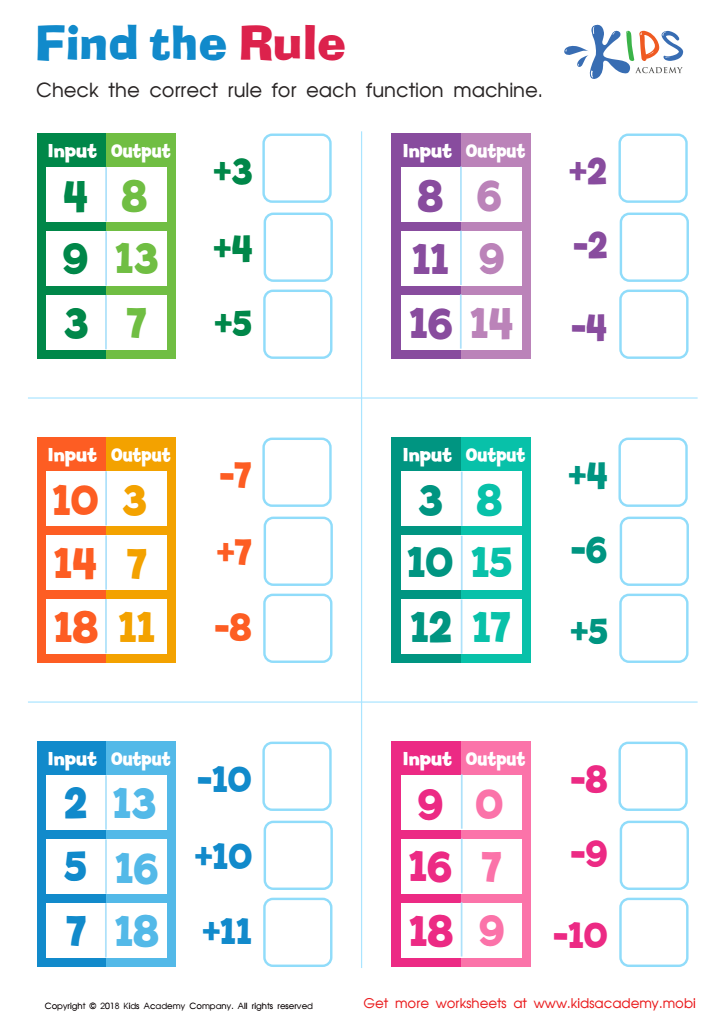
Find the Rule Worksheet
 Assign to My Students
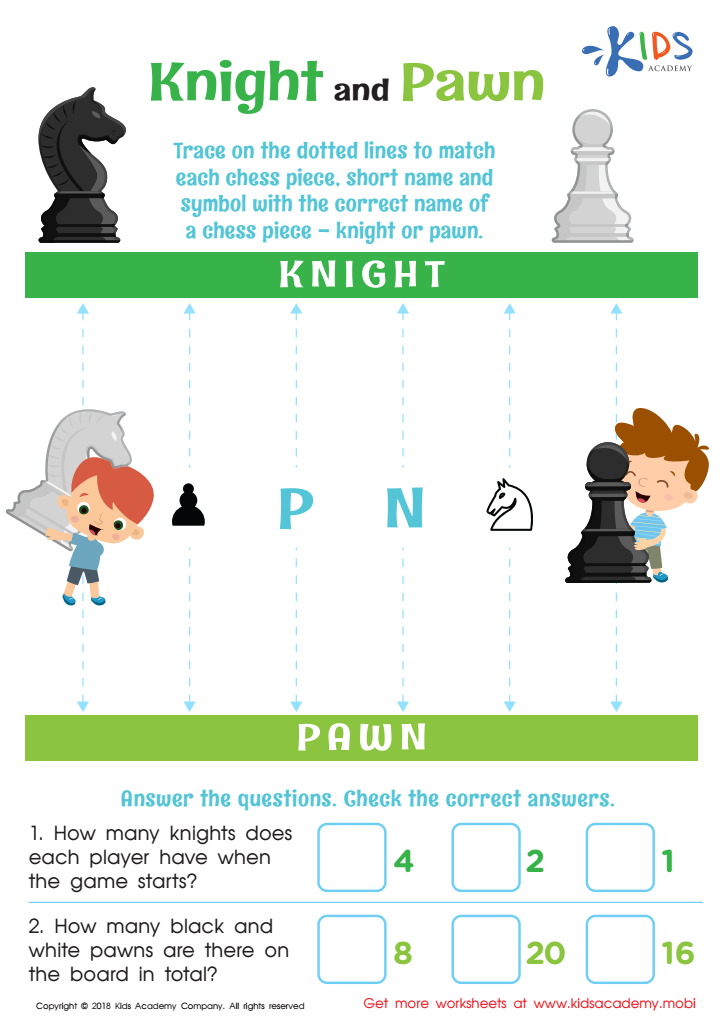
Knight and Pawn Worksheet
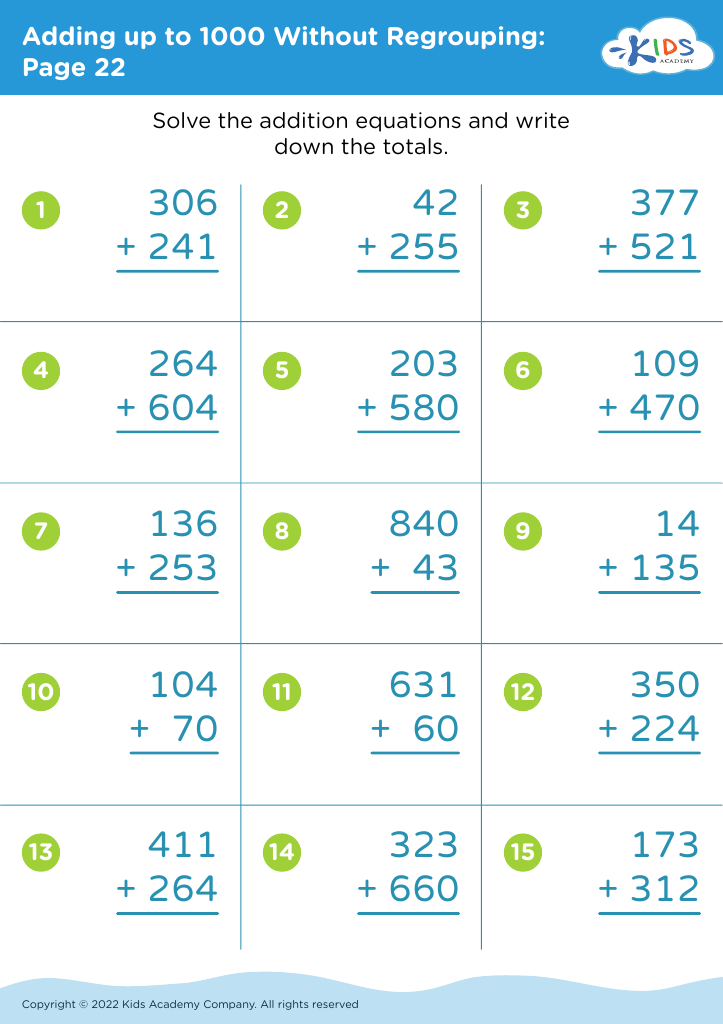
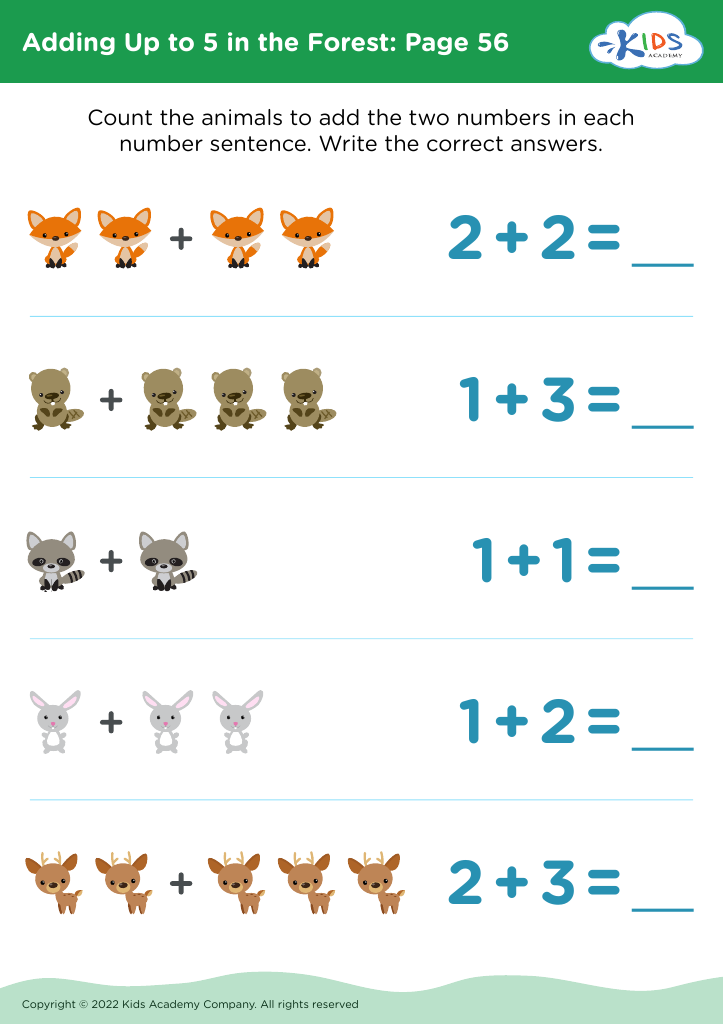
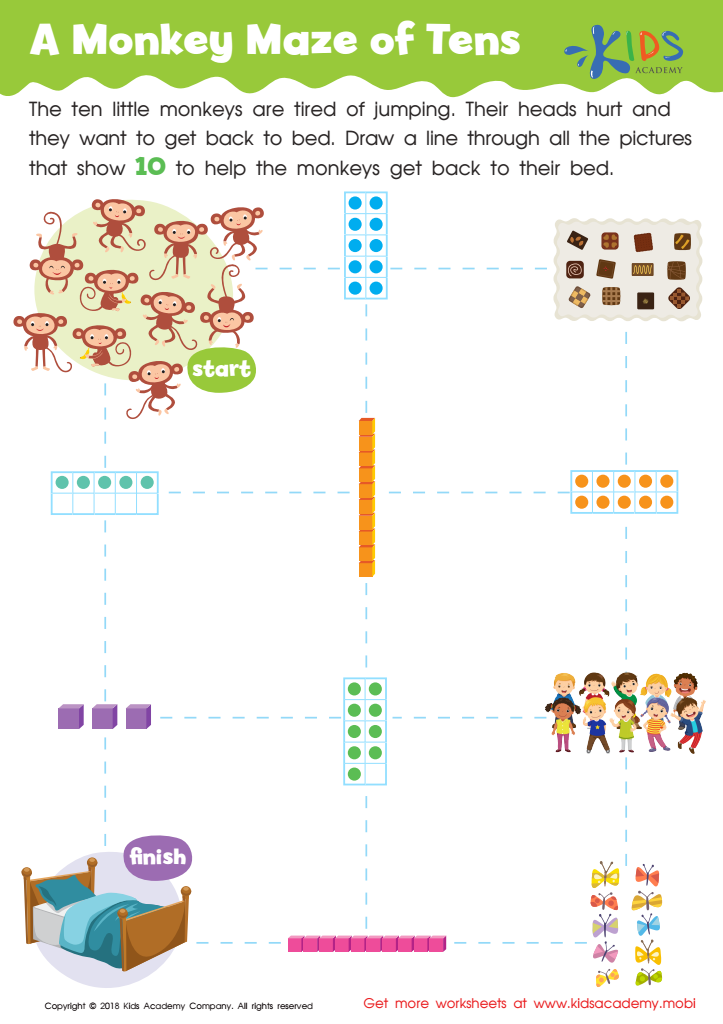
A Monkey Maze of Tens Worksheet
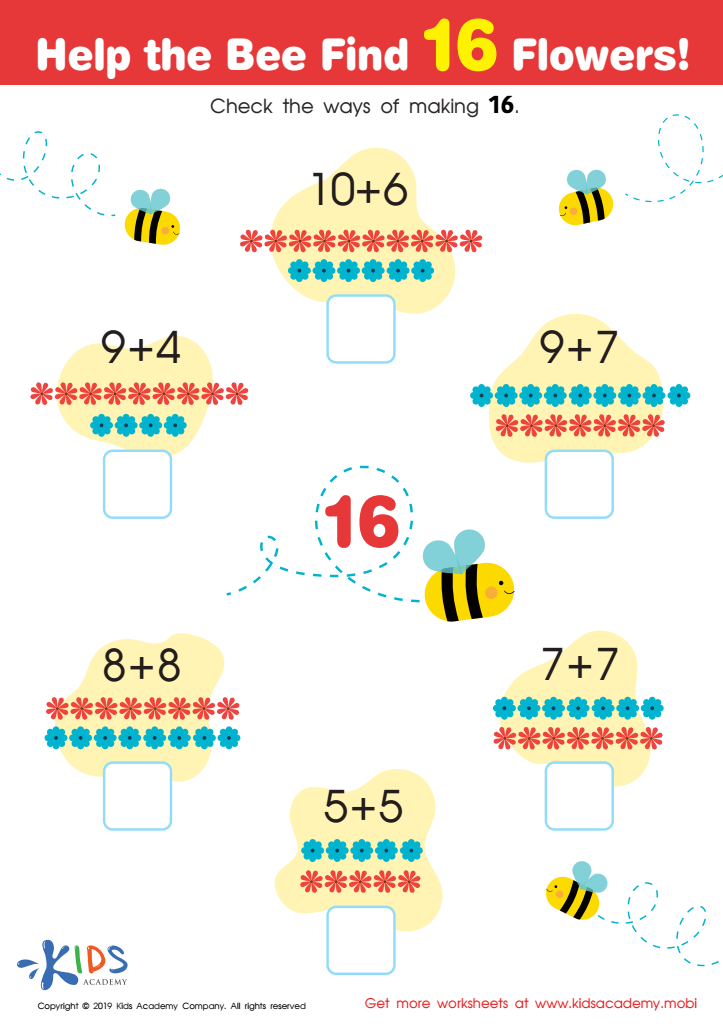
Help the Bee Find 16 Flowers Worksheet
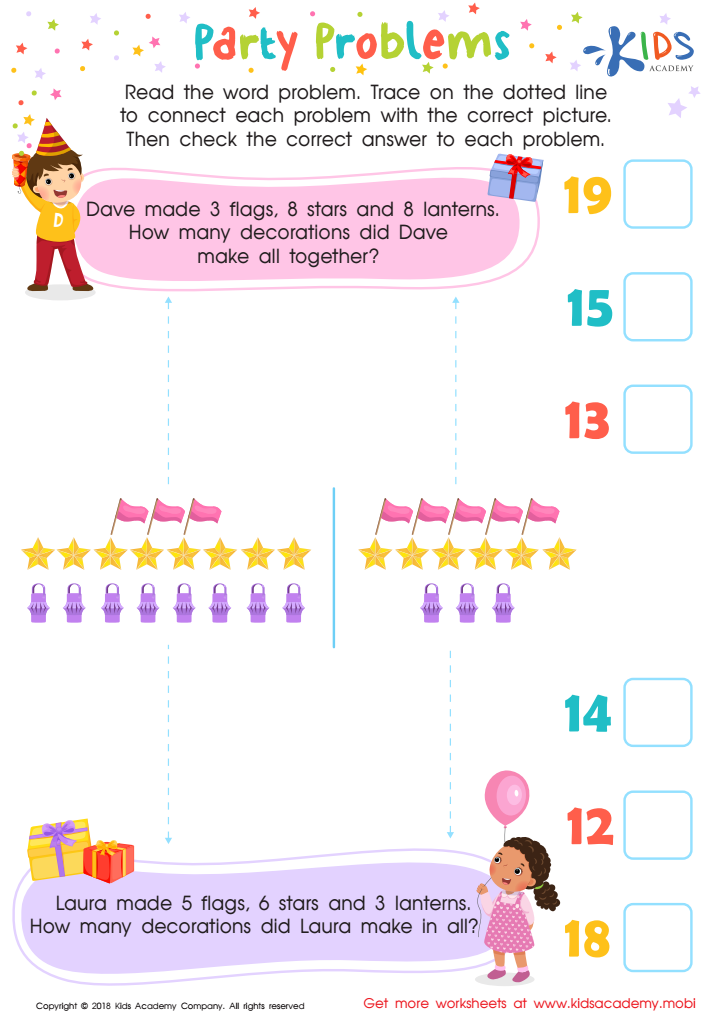
Party Problems Worksheet
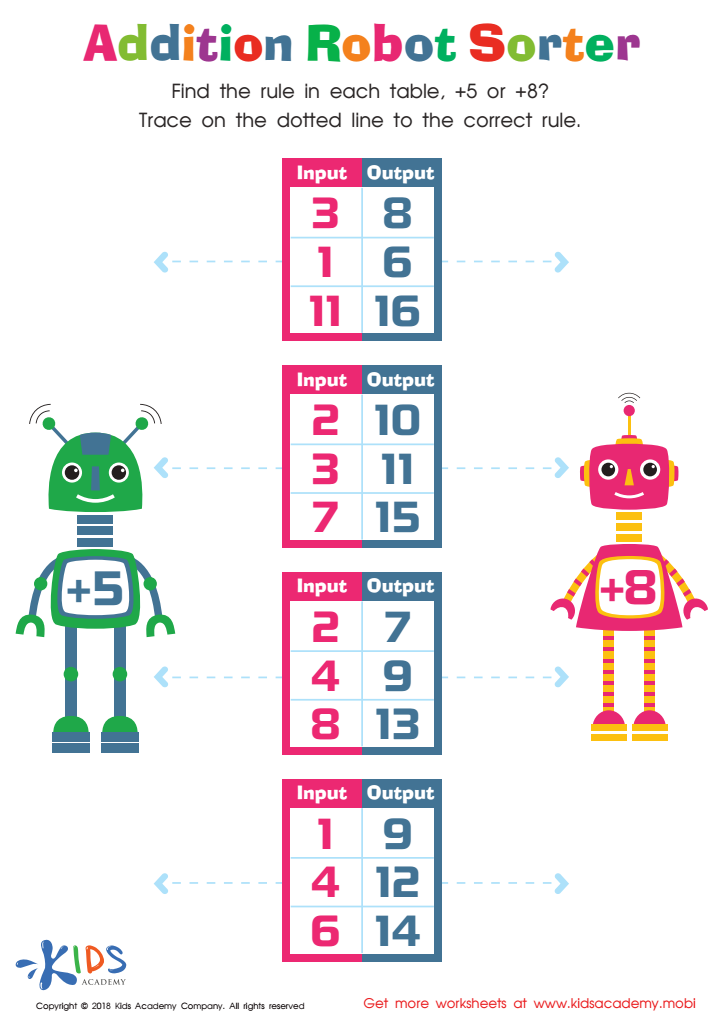
Addition Robot Sorter Worksheet
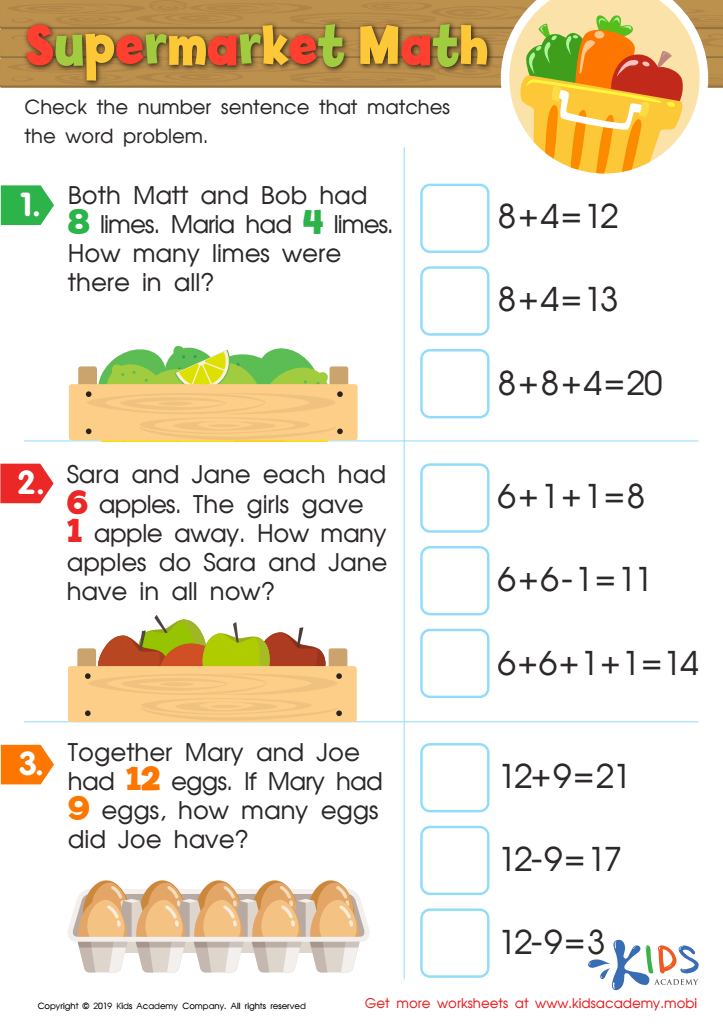
Supermarket Math Worksheet
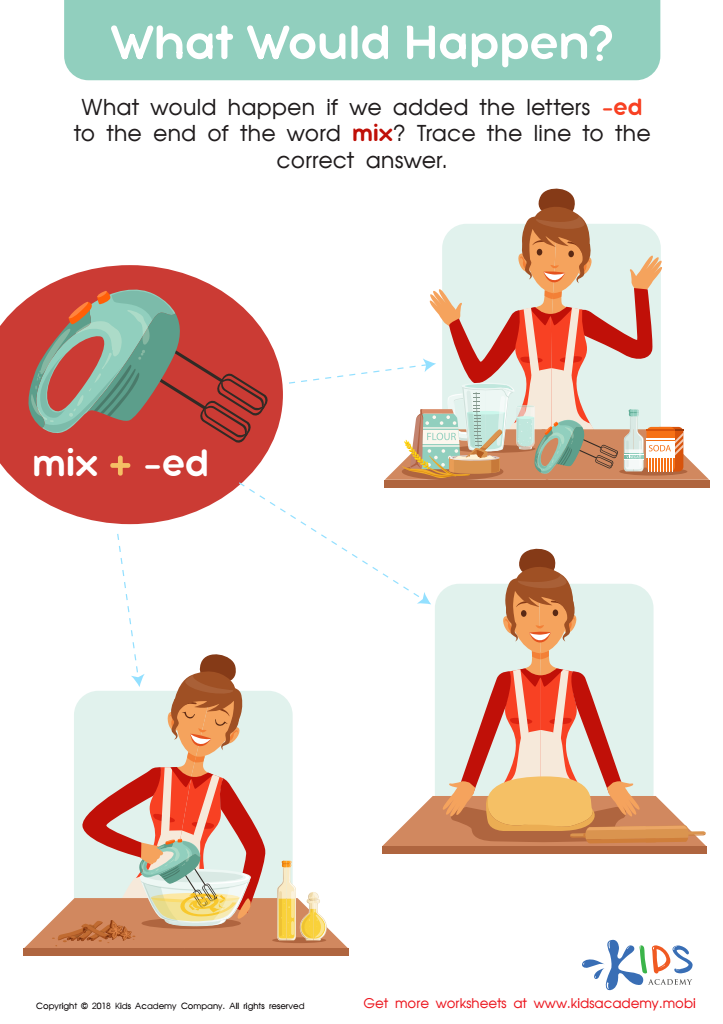
What Would Happen? Worksheet
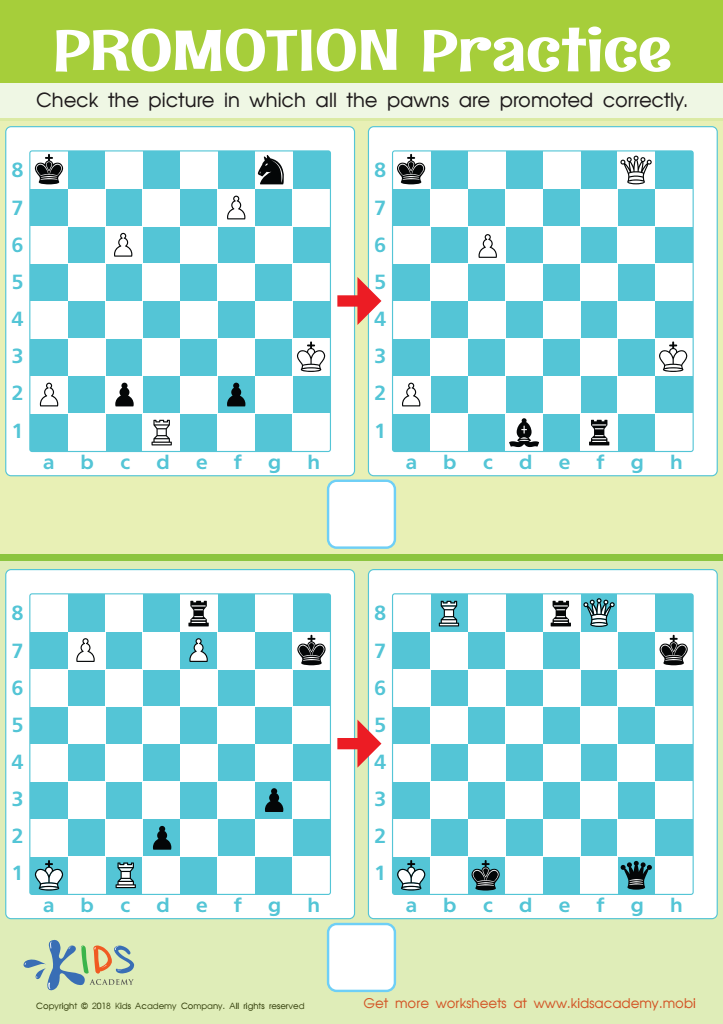
Promotion Practice Worksheet
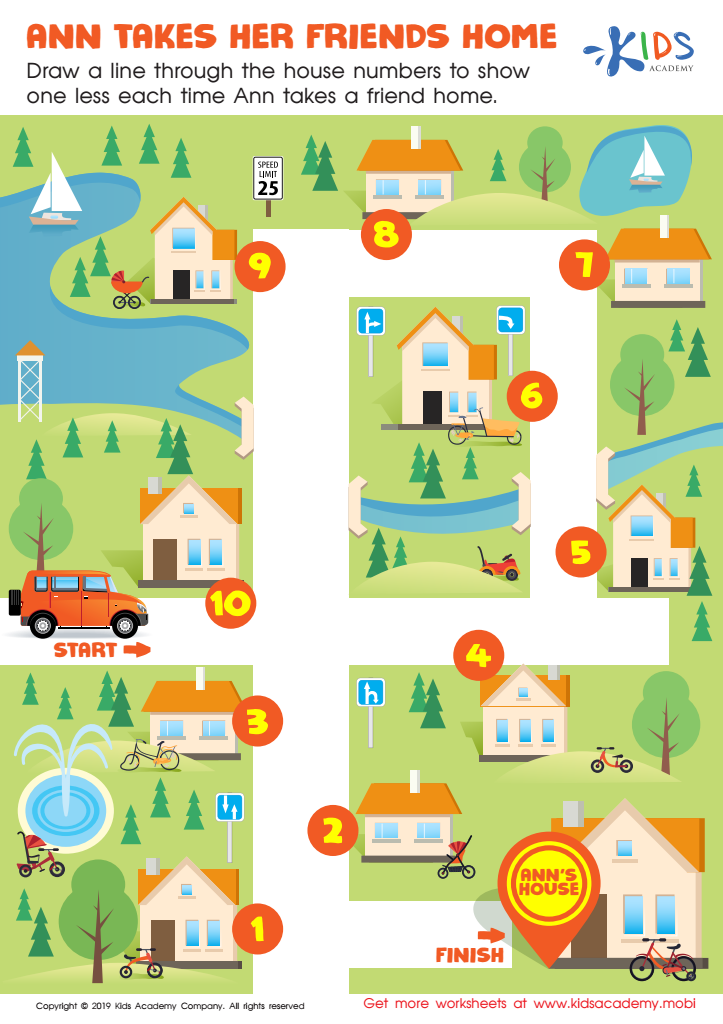
Ann Takes her Friends Home Worksheet
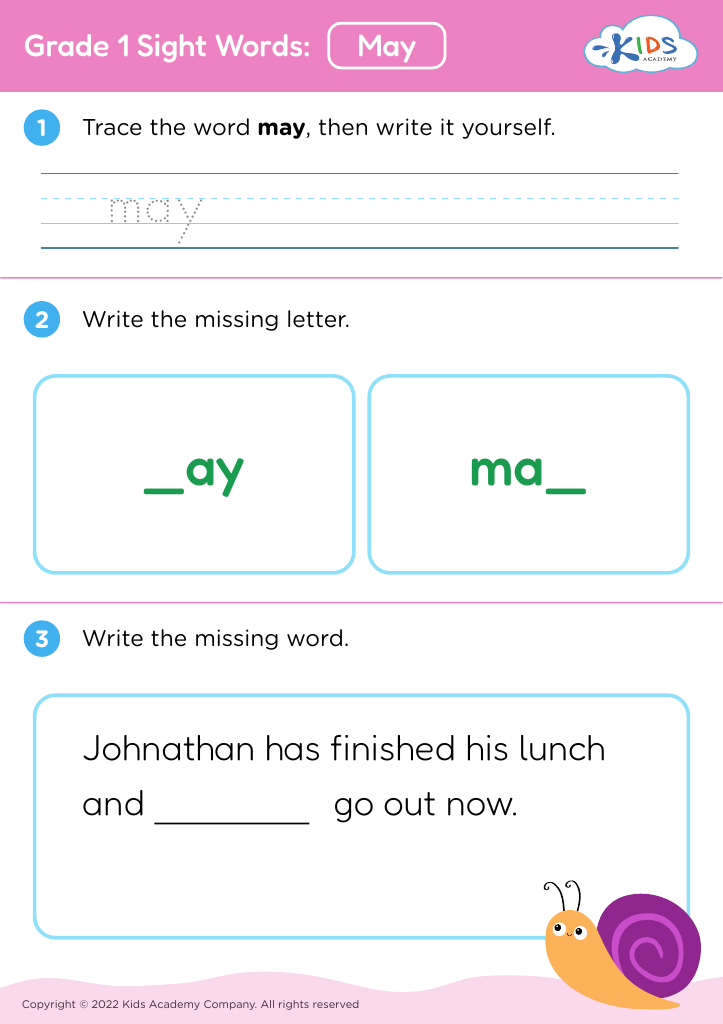
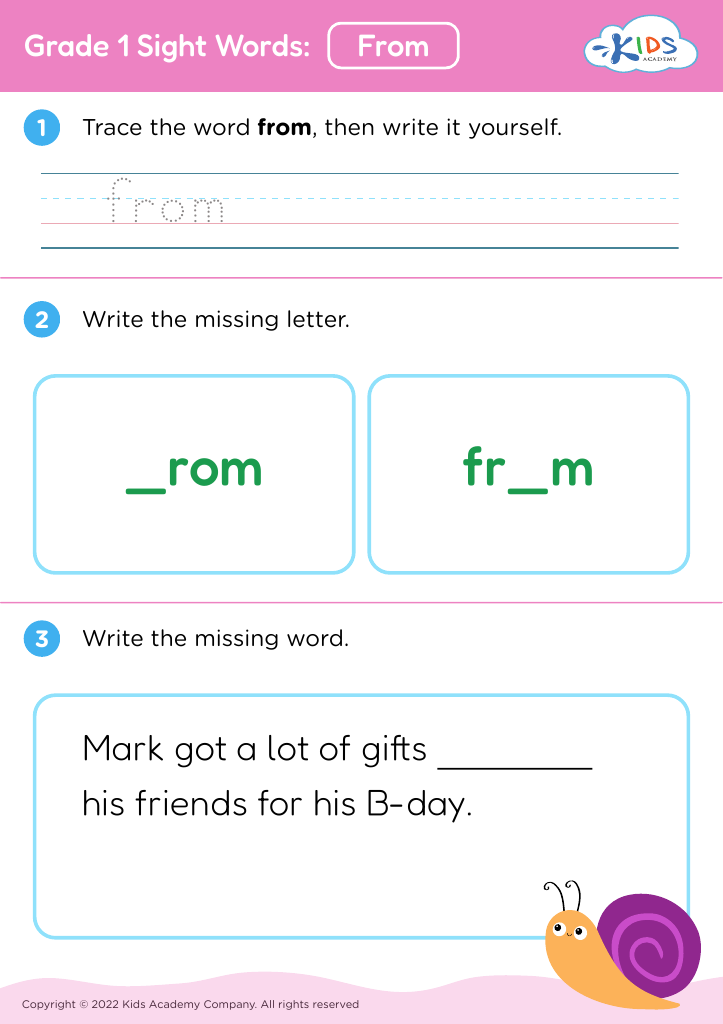
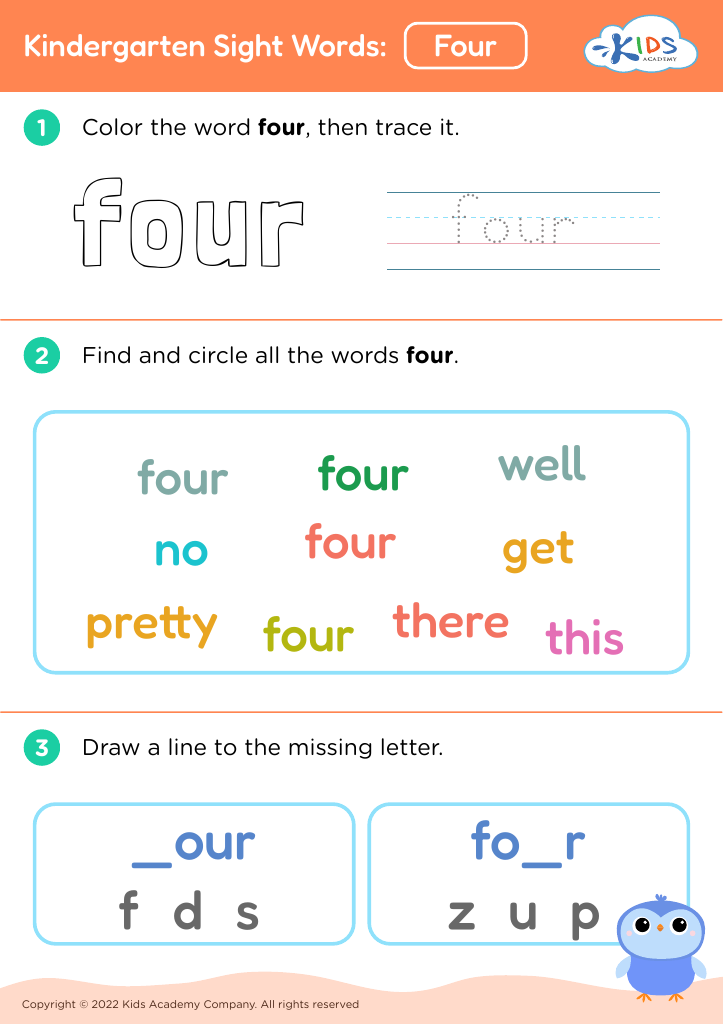








Parents and teachers should prioritize problem-solving skills for children ages 5-7 because these foundational abilities are essential for lifelong learning and development. At this age, children are naturally curious and eager to explore, making it a pivotal time to cultivate their critical thinking and reasoning skills. Encouraging problem-solving empowers students to approach challenges with confidence and creativity, helping them navigate both academic tasks and real-life situations.
Problem-solving activities enhance cognitive abilities such as logical thinking and decision-making. Children learn to break down complex problems into manageable parts, a skill that will serve them across subjects, from mathematics to reading comprehension. Furthermore, fostering collaboration in problem-solving helps develop social skills like teamwork and communication, vital for future interactions.
Additionally, with a growing emphasis on STEM (Science, Technology, Engineering, and Mathematics) education, encouraging these skills early can ignite a passion for inquiry and innovation. Parents and teachers contribute significantly to developing resilience and adaptability by providing opportunities for children to face and solve challenges, preparing them for an ever-evolving world. In essence, nurturing problem-solving in young children lays the groundwork for their academic success and personal growth, making it crucial for both parents and educators.








