Recognizing numbers Worksheets for Ages 5-7
11 filtered results
-
From - To
Explore our engaging "Recognizing Numbers Worksheets for Ages 5-7," designed to help young learners develop essential numeral recognition skills. These worksheets feature vibrant illustrations and interactive activities that make learning fun and accessible. With a variety of exercises, including tracing, matching, and counting, children will enhance their number identification abilities while building confidence in their math skills. Perfect for both classroom use and home learning, our resources cater to different learning styles, ensuring every child engages effectively. Instill a love for numbers early on and set the foundation for future math success with these versatile and enjoyable worksheets!
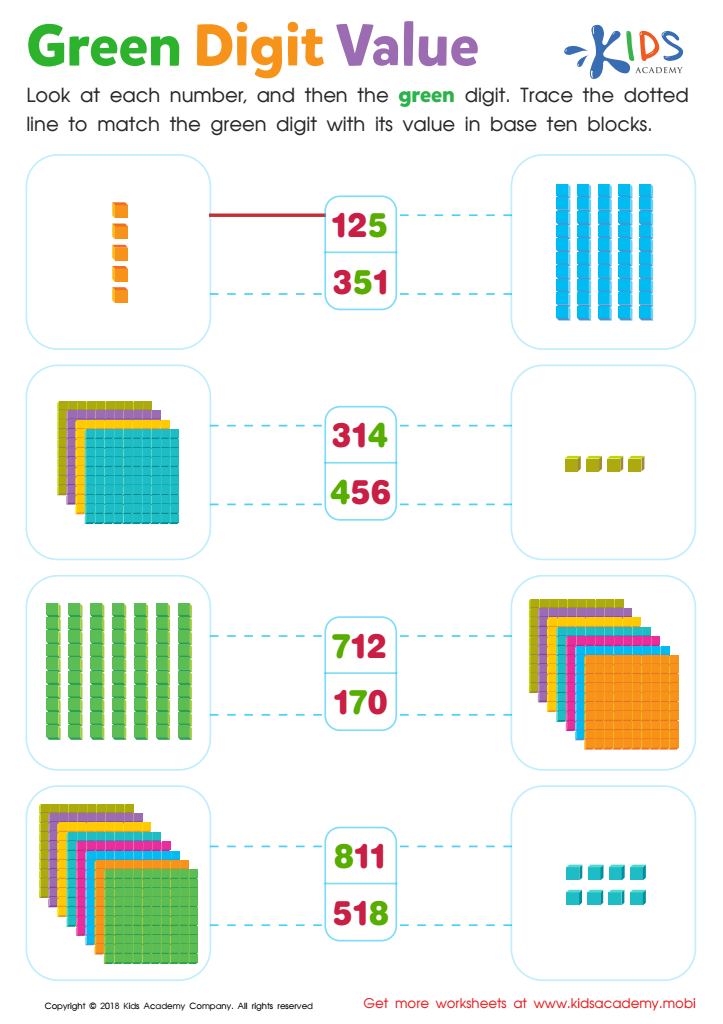
Green Digit Value Worksheet
 Assign to My Students
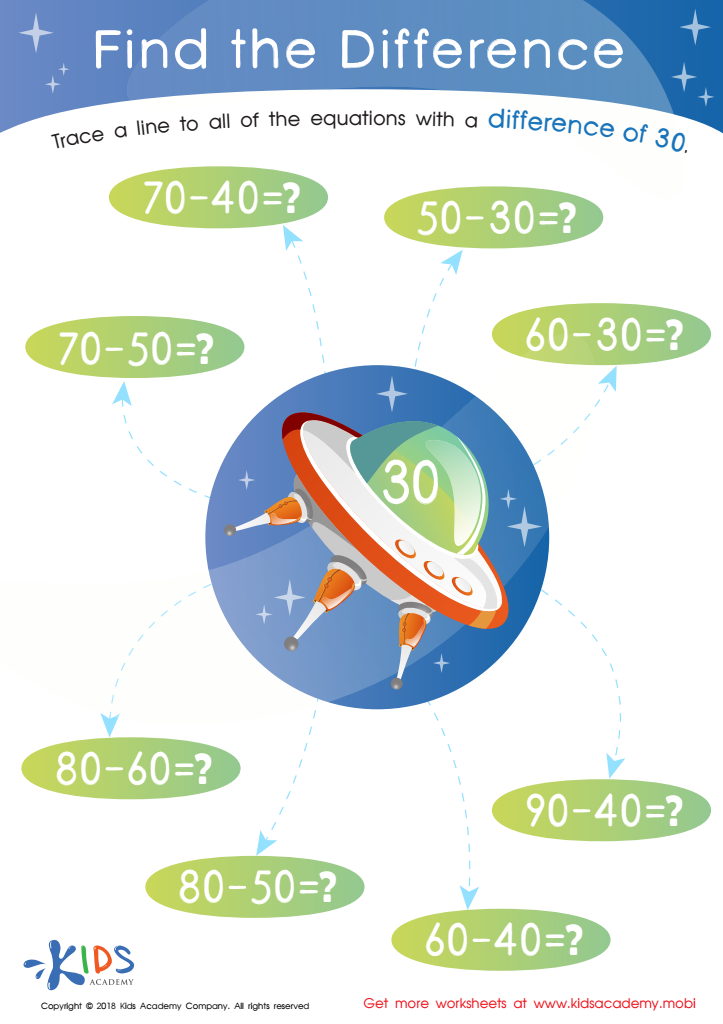
Find The Difference Worksheet
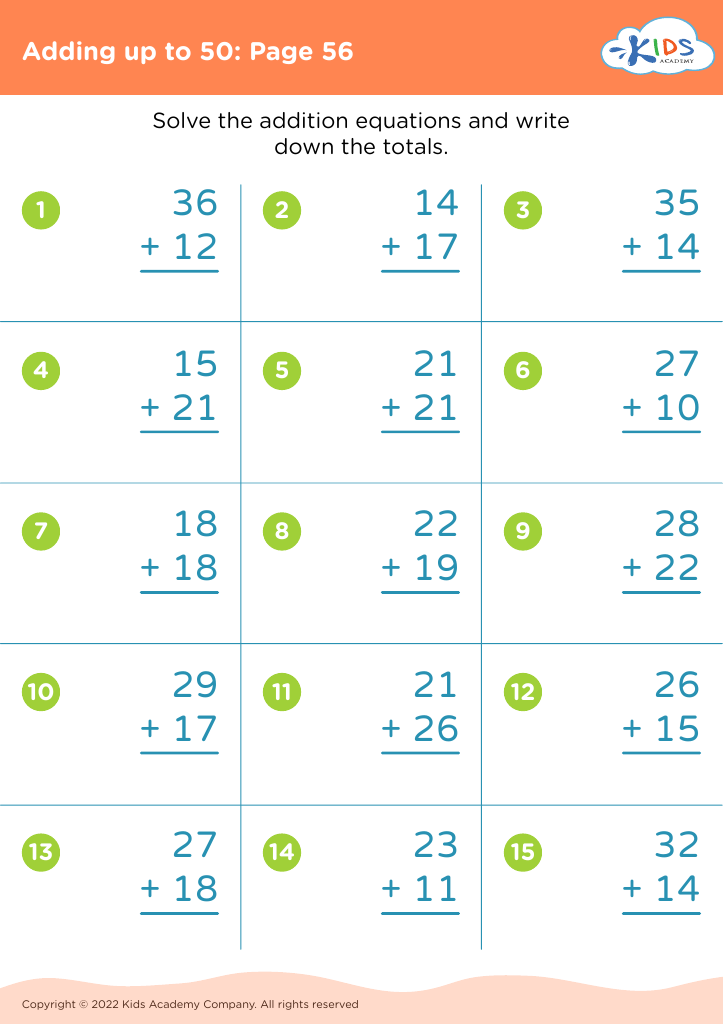
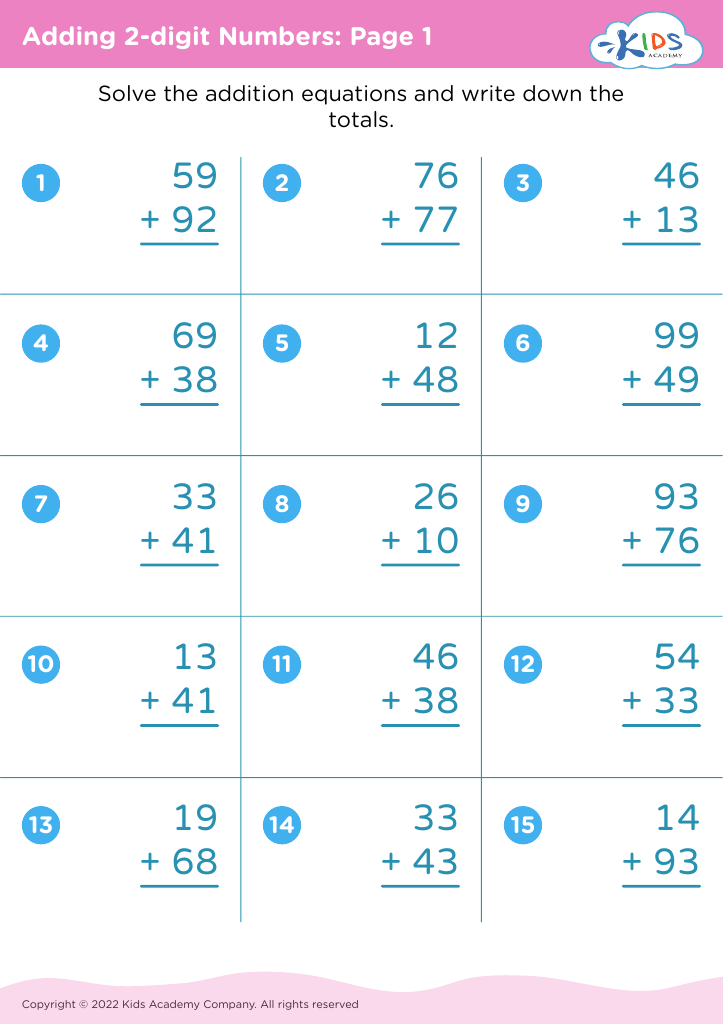
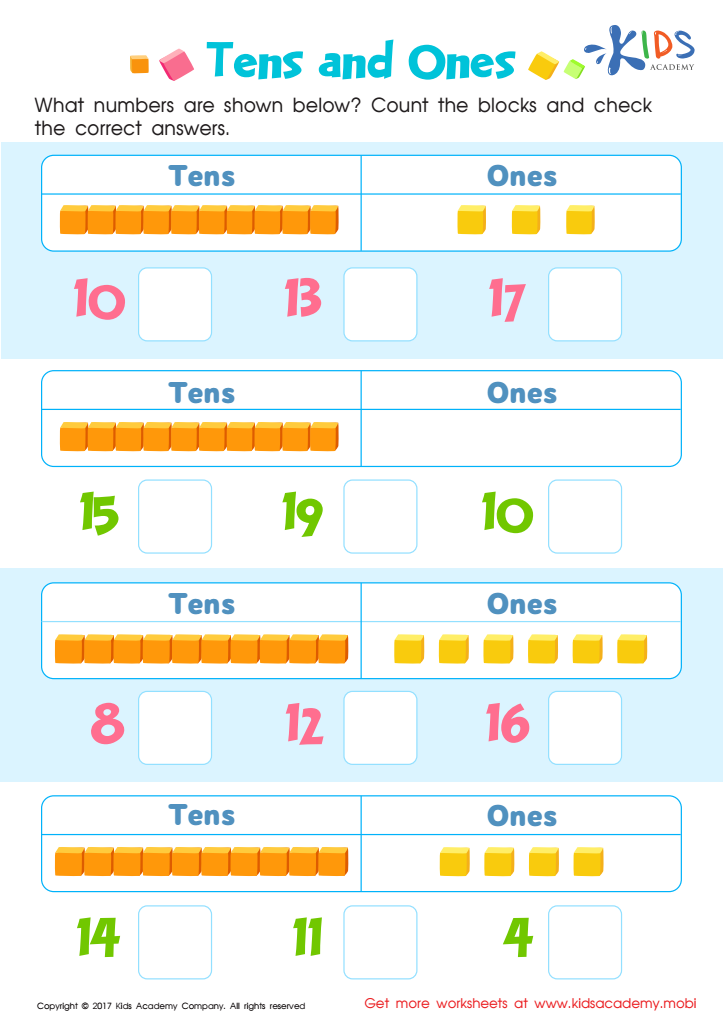
Tens and Ones Worksheet
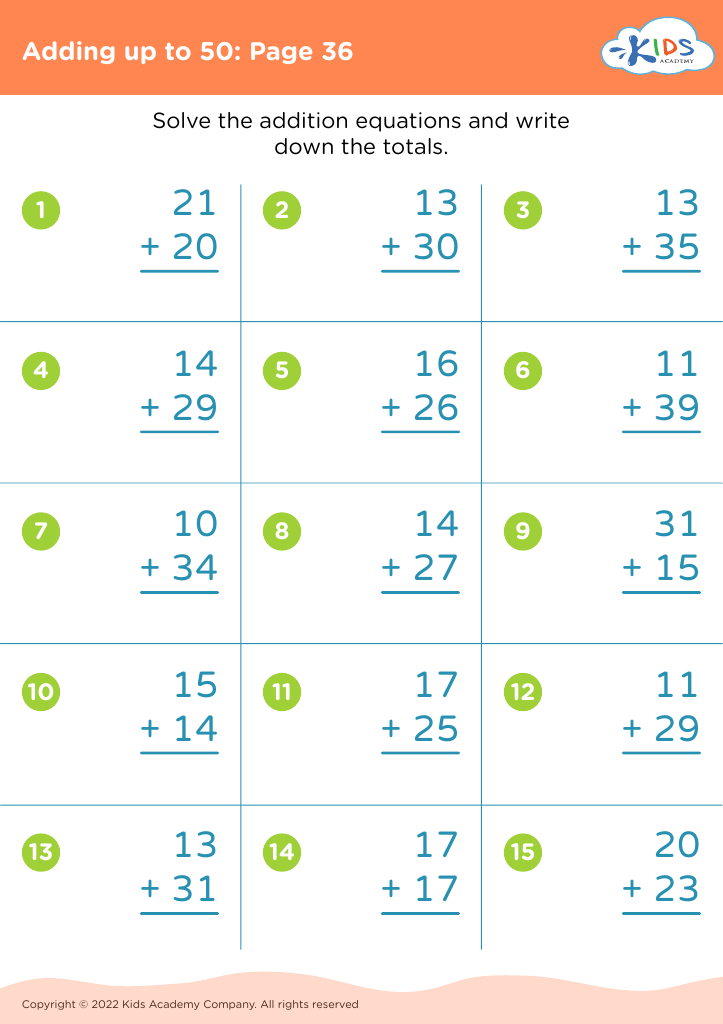
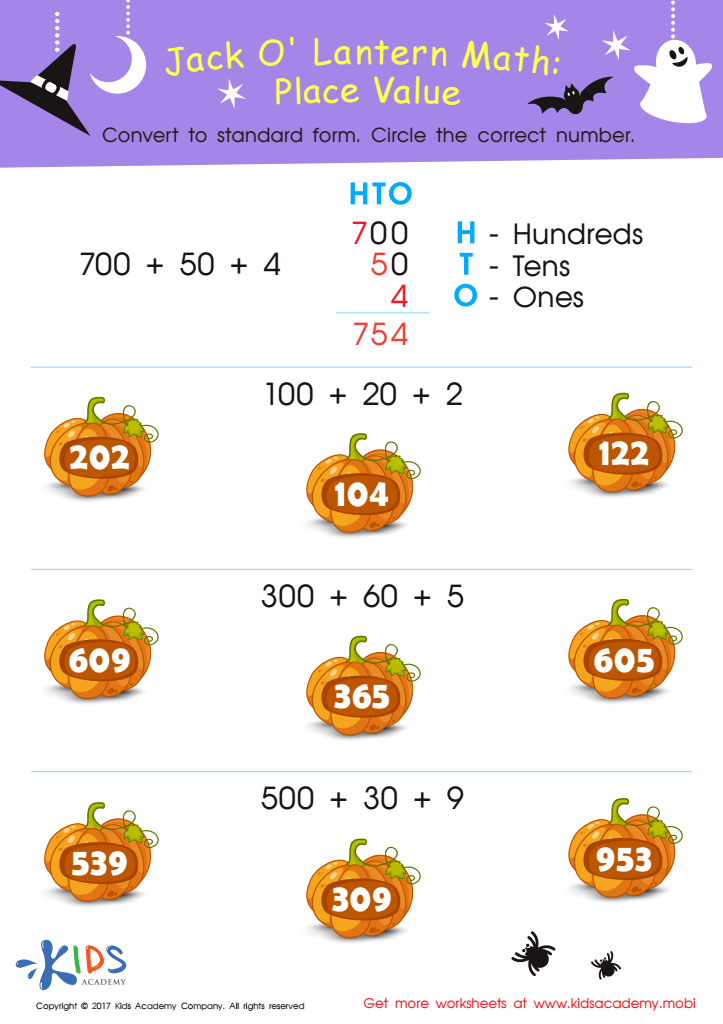
Free Place Value Worksheet
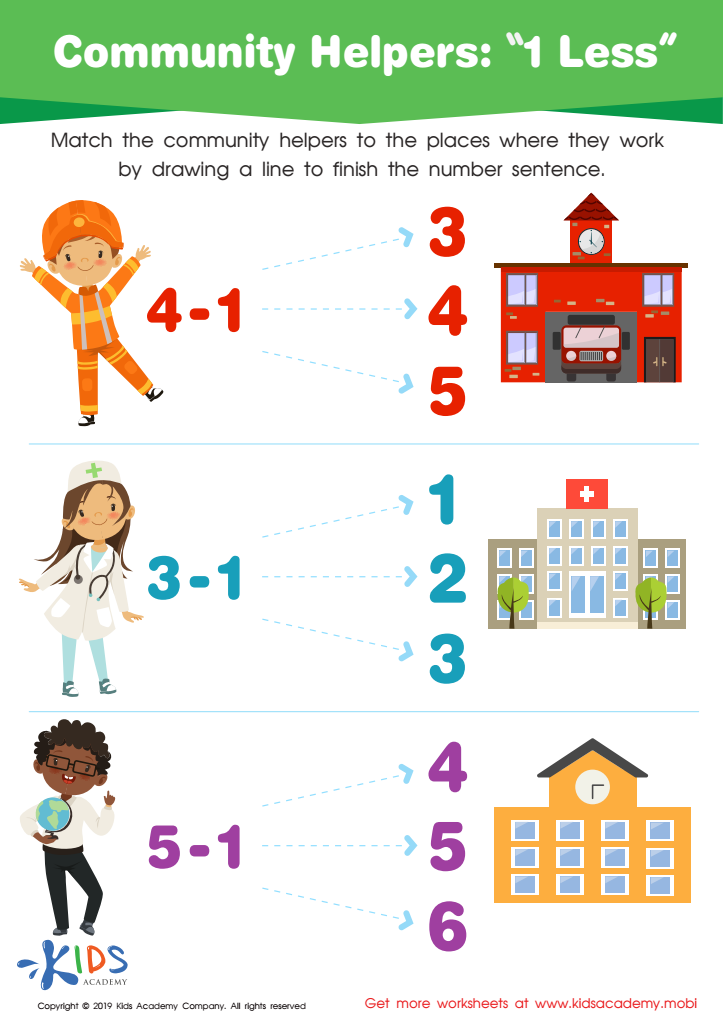
Community Helpers: 1 less Worksheet







Recognizing numbers is a foundational skill vital for children aged 5-7, as it forms the basis for their future mathematical understanding and overall academic success. During these formative years, children are developing cognitive abilities and increasing their awareness of the world around them. Recognizing numbers helps them to categorize, analyze, and make sense of their environment, which is crucial for critical thinking.
In addition to its academic relevance, recognizing numbers fosters confidence and independence in young learners. Mastery of this skill enables children to tackle everyday situations, such as counting objects, telling time, and understanding basic concepts of money, thereby enhancing their problem-solving abilities. Parents and teachers who emphasize numerical recognition are not just teaching math; they are equipping children with essential life skills.
Moreover, number recognition has implications for emotional and social development. When children successfully recognize numbers and solve related problems, they build self-esteem, which encourages a positive attitude toward learning. Also, engaging in number-related activities can promote collaborative play and communication with peers, aiding social skills. Therefore, parents and teachers should prioritize number recognition as a crucial part of early childhood education, ensuring children are well prepared for future challenges academically and socially.








