Shape comparison Worksheets for Ages 5-7
4 filtered results
-
From - To
Discover our engaging Shape Comparison Worksheets designed specifically for children aged 5-7! These worksheets help young learners develop essential skills in identifying and comparing different shapes. With fun and interactive activities, kids will explore concepts like size, shape, and visual discrimination, enhancing their critical thinking and observational abilities. Our well-structured exercises promote cognitive development while fostering creativity and problem-solving skills. Ideal for both classroom use and at-home learning, these worksheets make math an enjoyable experience for young minds. Download and print our Shape Comparison Worksheets today to enrich your child's learning journey and boost their confidence in shape recognition!
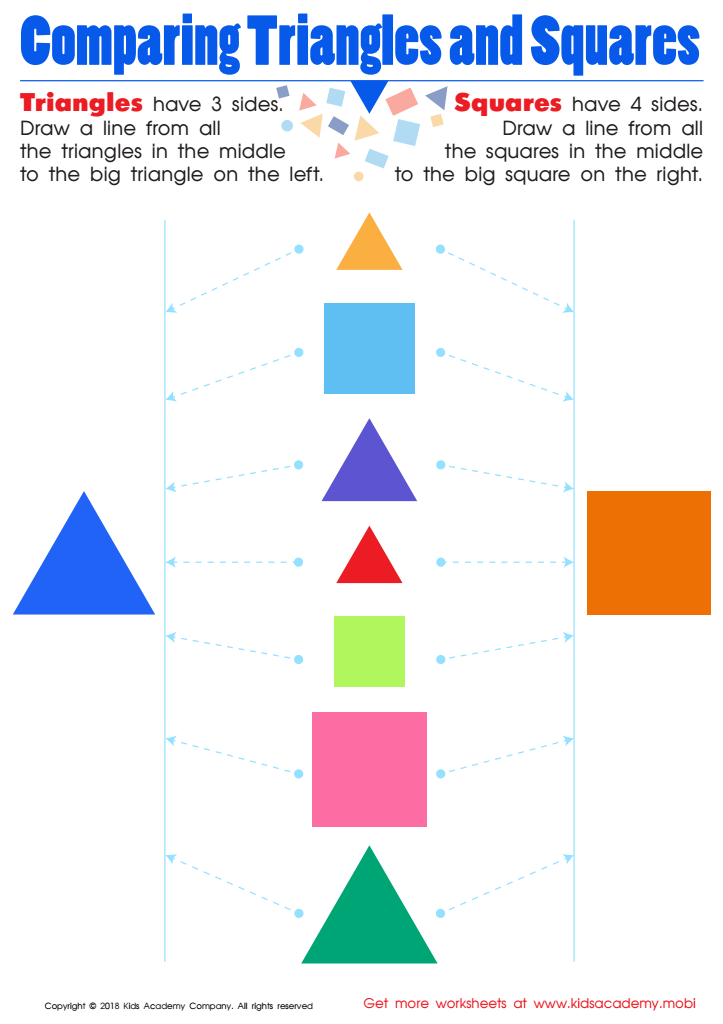
Comparing Triangles Squares Worksheet
 Assign to My Students
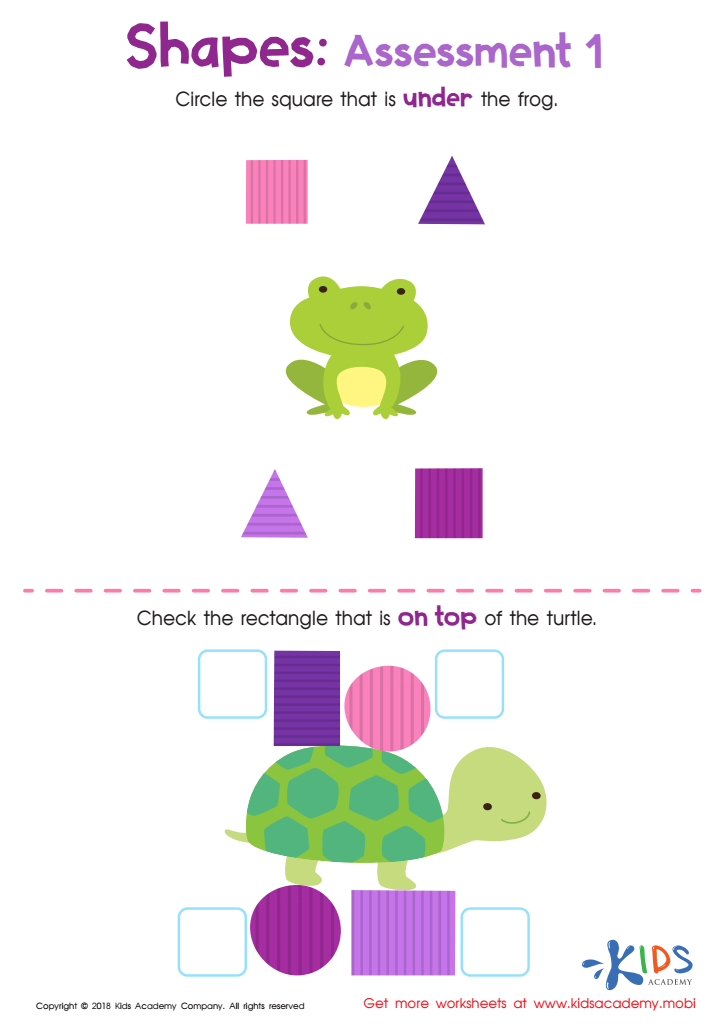
Geometry – Assessment 1 Worksheet
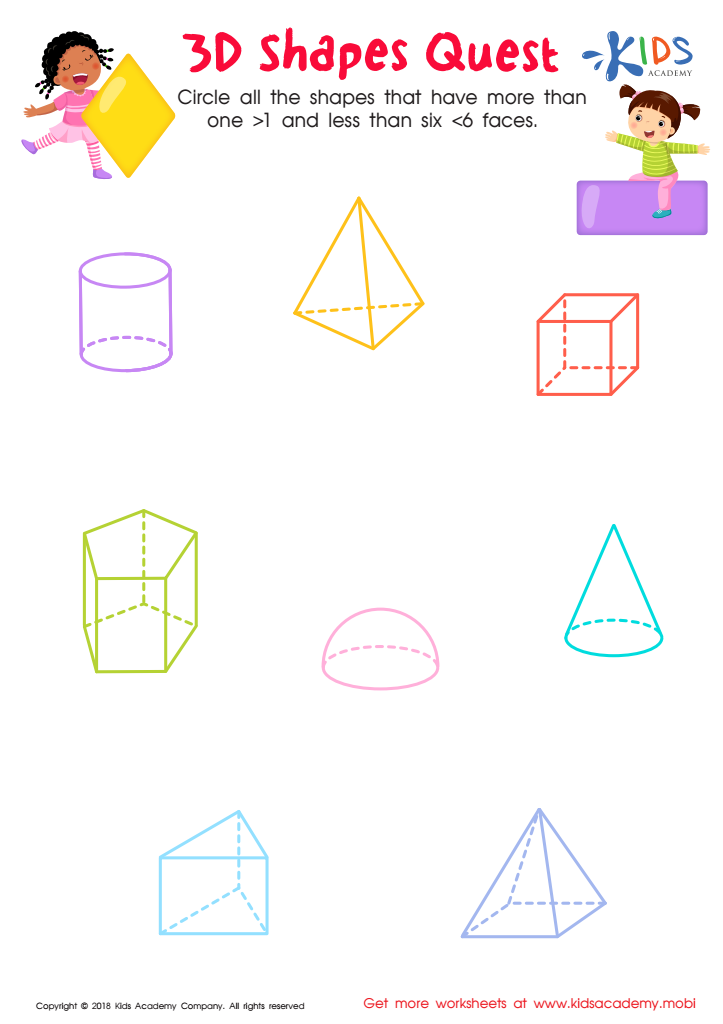
3D Shapes Quest Worksheet
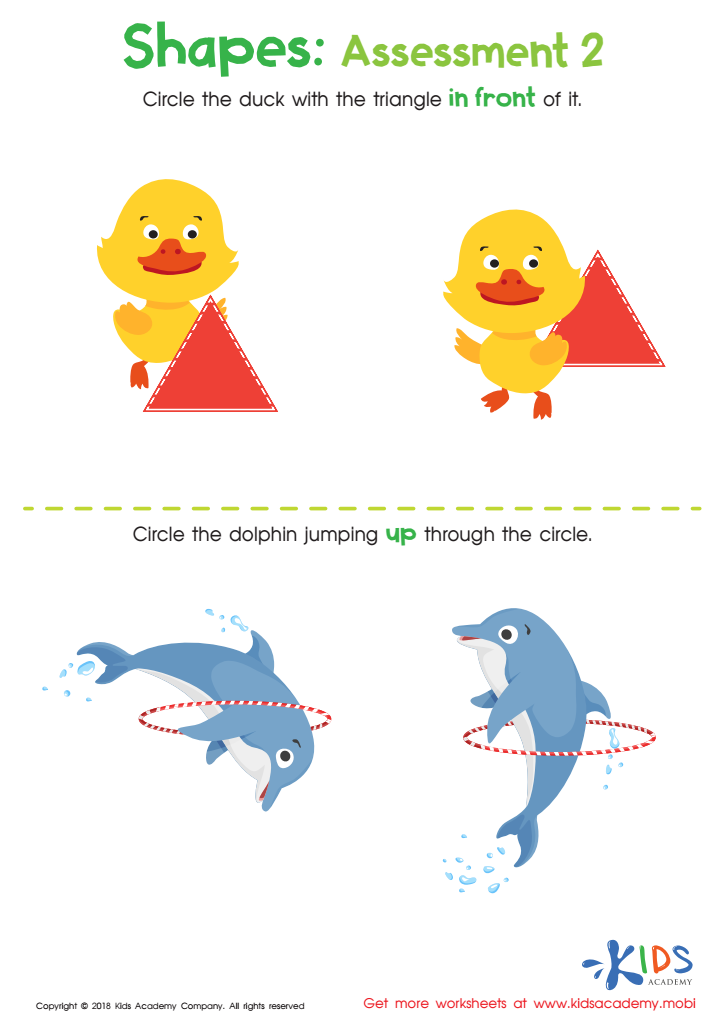
Geometry – Assessment 2 Worksheet



.jpg)



Shape comparison is a crucial learning activity for children ages 5-7, laying foundational skills in mathematics and critical thinking. At this age, children are naturally curious about their environment, and shape comparison taps into that curiosity by helping them recognize and categorize different geometric forms. Parents and teachers should care about this educational focus because it enhances spatial awareness, which is essential for understanding more complex mathematical concepts later on, such as geometry and measurement.
Additionally, shape comparison fosters problem-solving skills and logical reasoning. When children compare shapes, they learn to observe properties such as size, symmetry, and angles, thereby developing analytical abilities. This activity also promotes language development, as discussing shapes encourages vocabulary growth through new terms and concepts.
Furthermore, engaging in shape comparison activities supports social interaction; children often work together in pairs or small groups, learning teamwork and communication skills. Lastly, the visual and tactile components of comparing shapes can make learning enjoyable and interactive, capturing children's attention and motivating them to explore math further. By investing time in shape comparison, parents and teachers can cultivate a solid foundation for future learning and instill a love for mathematics in young learners.








