Sorting abilities Worksheets for Ages 5-7
3 filtered results
-
From - To
Enhance your child's sorting skills with our engaging worksheets designed for ages 5-7! These fun and interactive activities help children develop critical thinking and categorization abilities by arranging items based on various attributes such as color, shape, and size. Our worksheets foster creativity, boost cognitive skills, and encourage logical reasoning in young learners. Perfect for both classroom and home use, these resources promote independent exploration while aligning with educational standards. Dive into a world of fun learning, and watch your child's sorting abilities grow! Visit us now to access a variety of sorting worksheets that make learning enjoyable and effective.
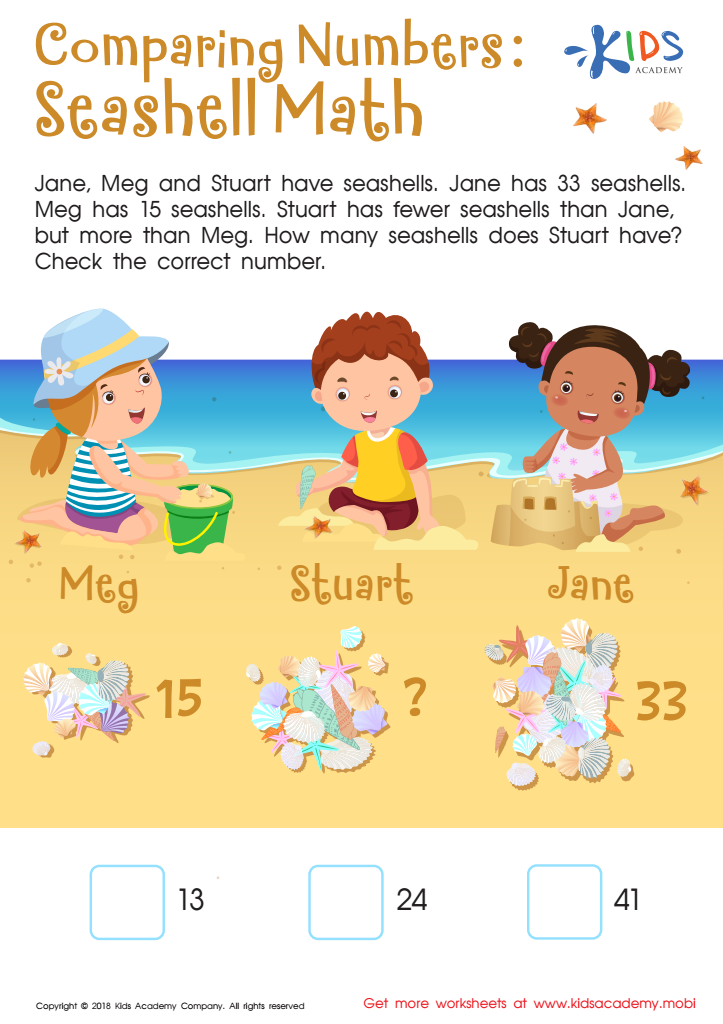
Seashell Collectors Worksheet
 Assign to My Students
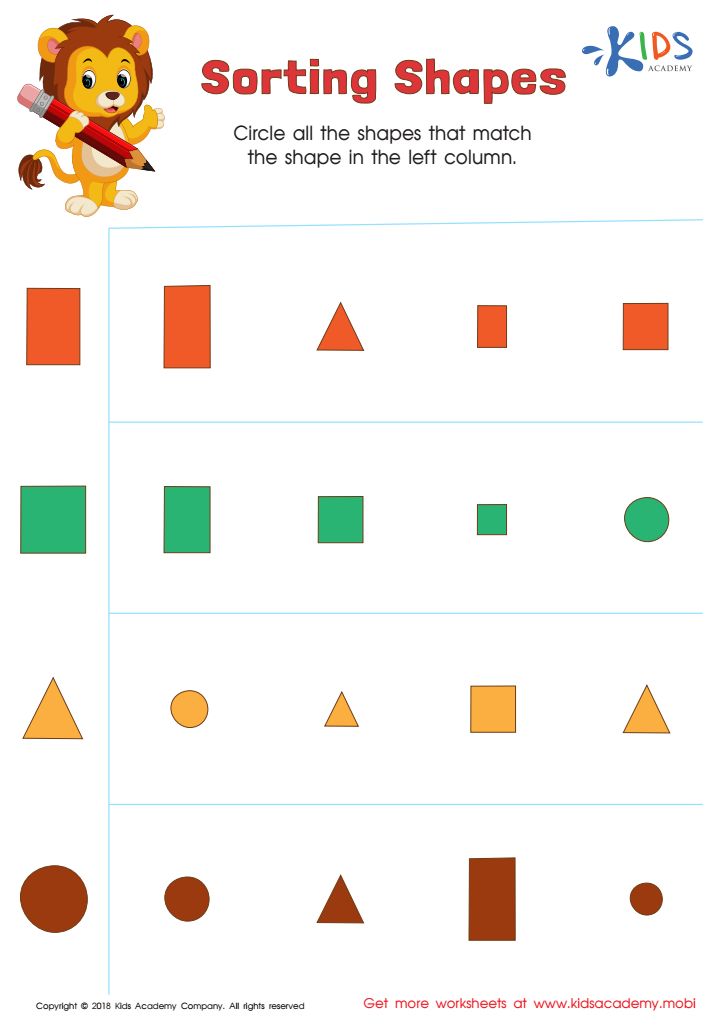
Sorting Shapes - Part 2 Worksheet
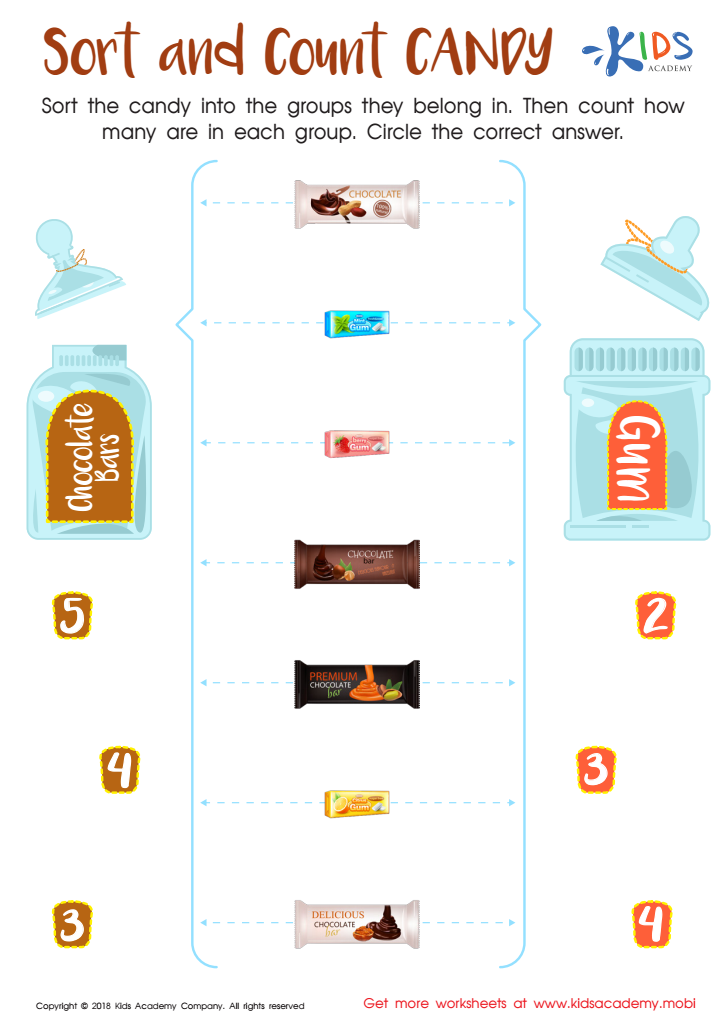
Sort and Count Candy Worksheet



.jpg)

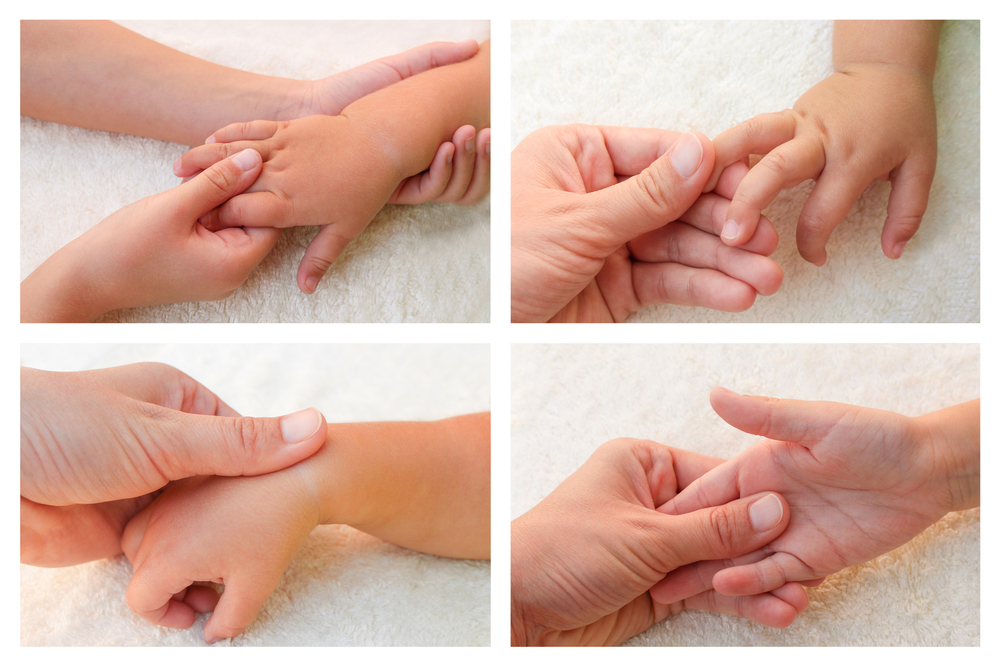

Sorting abilities in children aged 5 to 7 are foundational skills that significantly influence their cognitive development and academic success. At this age, children are developing their capacity for logical thinking, pattern recognition, and problem-solving, which are crucial for later learning in mathematics, science, and analytical subjects.
When children engage in sorting activities, they practice classification, which enhances their understanding of categories and relationships. This lays the groundwork for critical thinking by teaching them how to identify similarities, differences, and attributes. Additionally, sorting activities can foster fine motor skills and promote language development as children describe and discuss their sorting criteria.
For parents and teachers, cultivating sorting skills can help identify learning patterns and preferences in children. Early attention to sorting can reveal a child’s strengths, interests, and areas that may need support. Furthermore, these skills encourage independence and decision-making, essential as children start encountering more complex tasks in school.
Ultimately, nurturing sorting abilities contributes to a child’s self-confidence and engagement with learning, making it imperative for parents and educators alike to incorporate sorting activities into play and academic settings. By recognizing the importance of these skills, they can create enriched environments that support holistic development.








