Sound Association Worksheets for Ages 5-7 - Page 2
39 filtered results
-
From - To
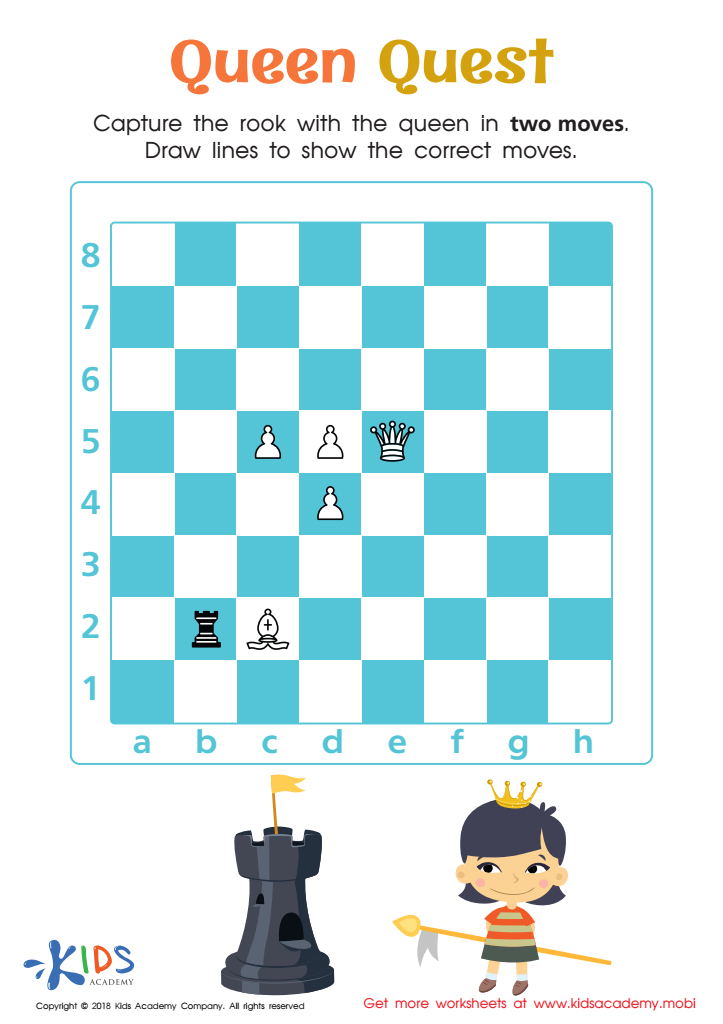
Queen Quest Worksheet
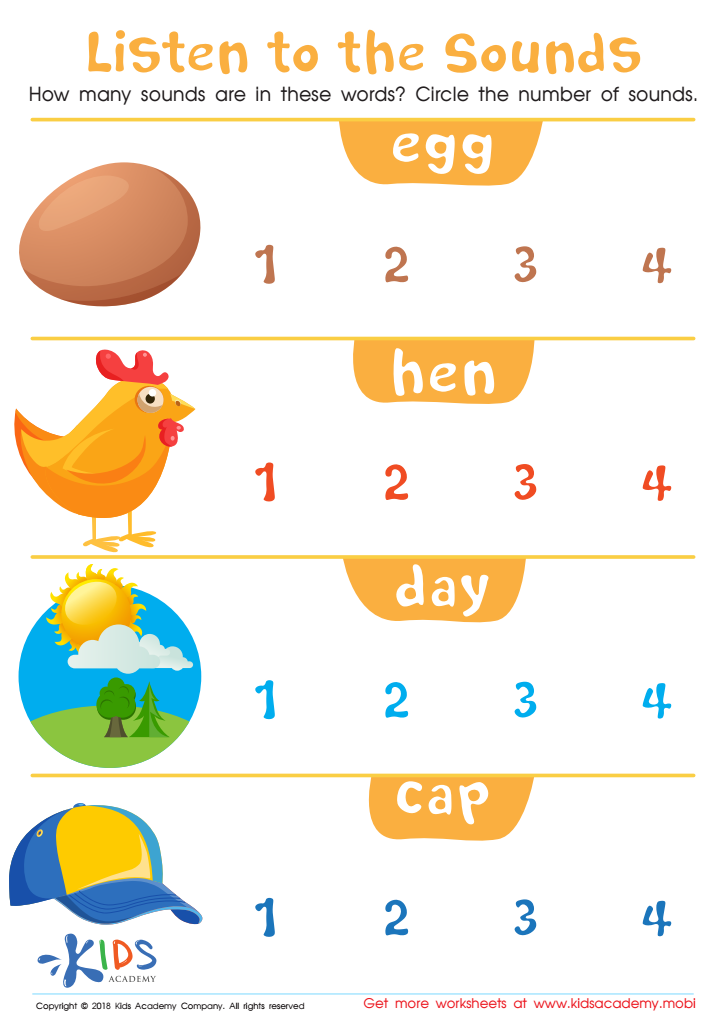
Listen to the Sounds Worksheet
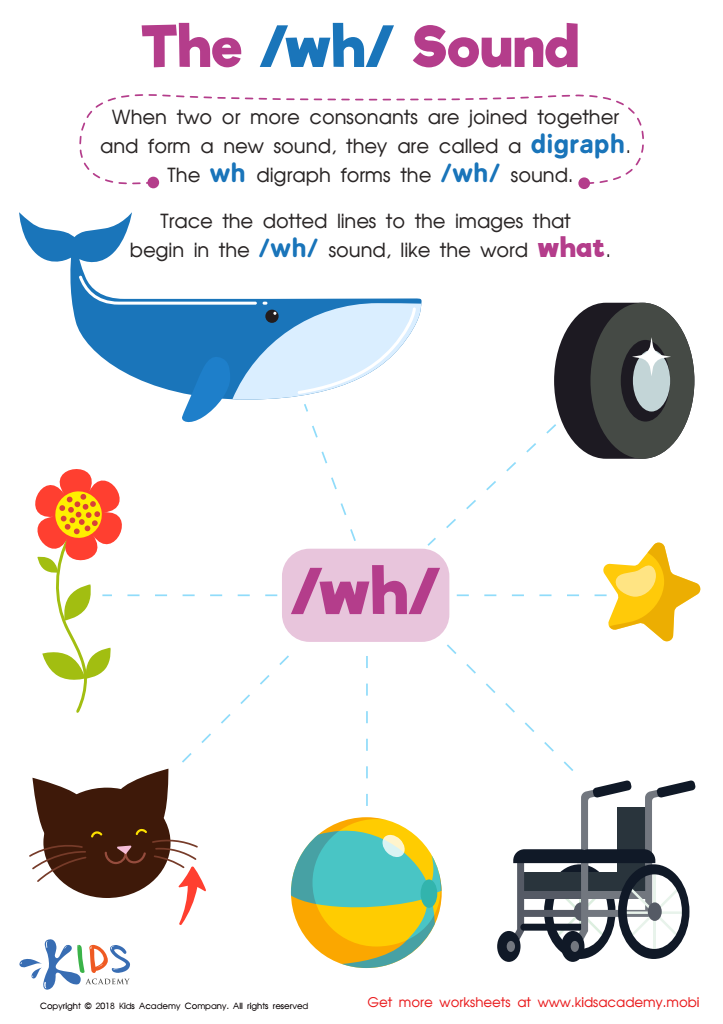
The /wh/ Sound Worksheet
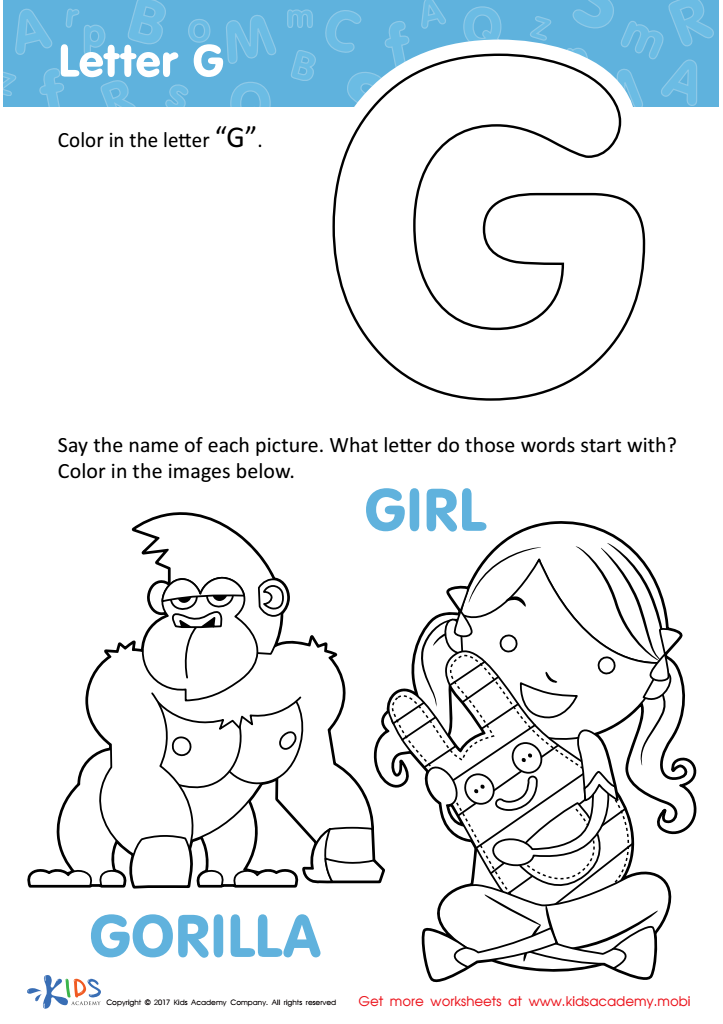
Letter G Coloring Sheet
 Assign to My Students
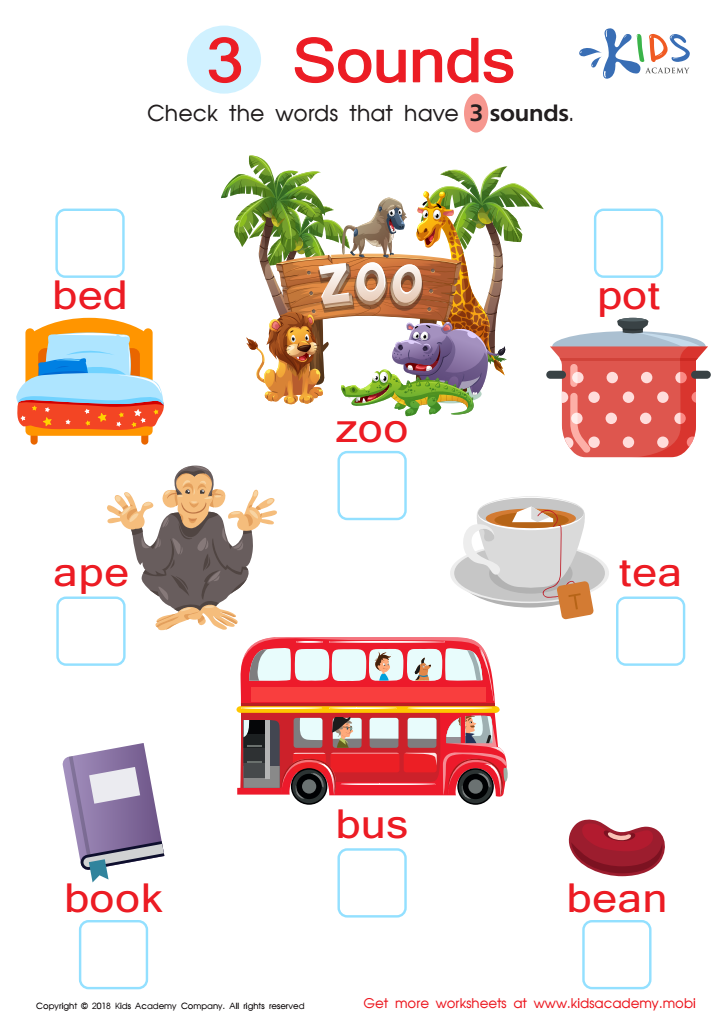
3 Sounds Worksheet
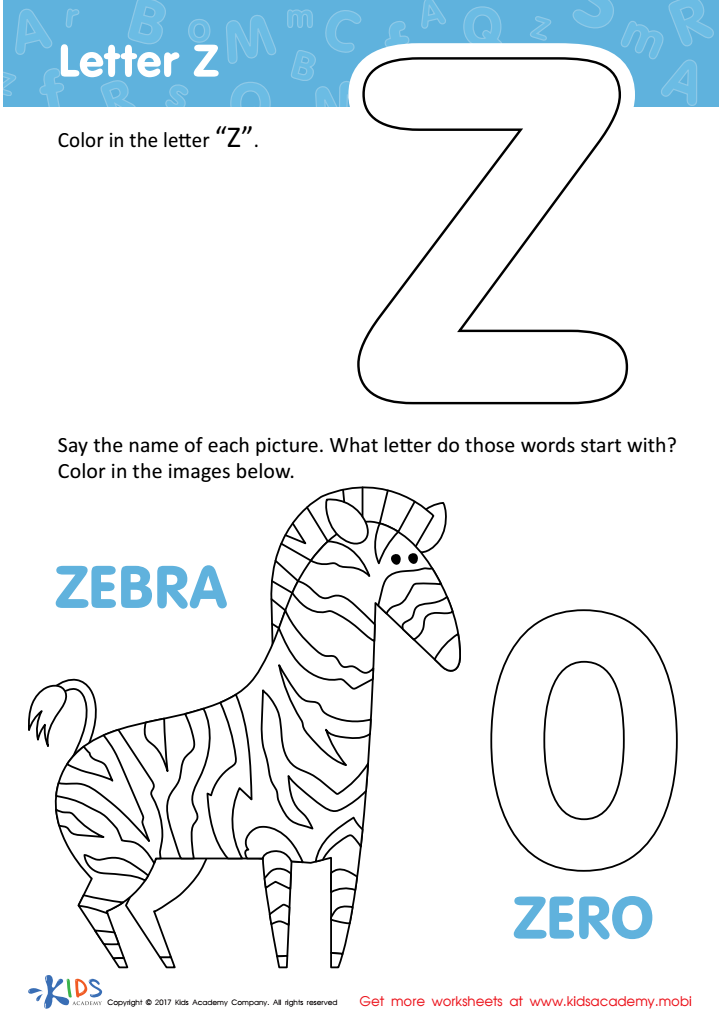
Letter Z Coloring Sheet
Assign to My Students
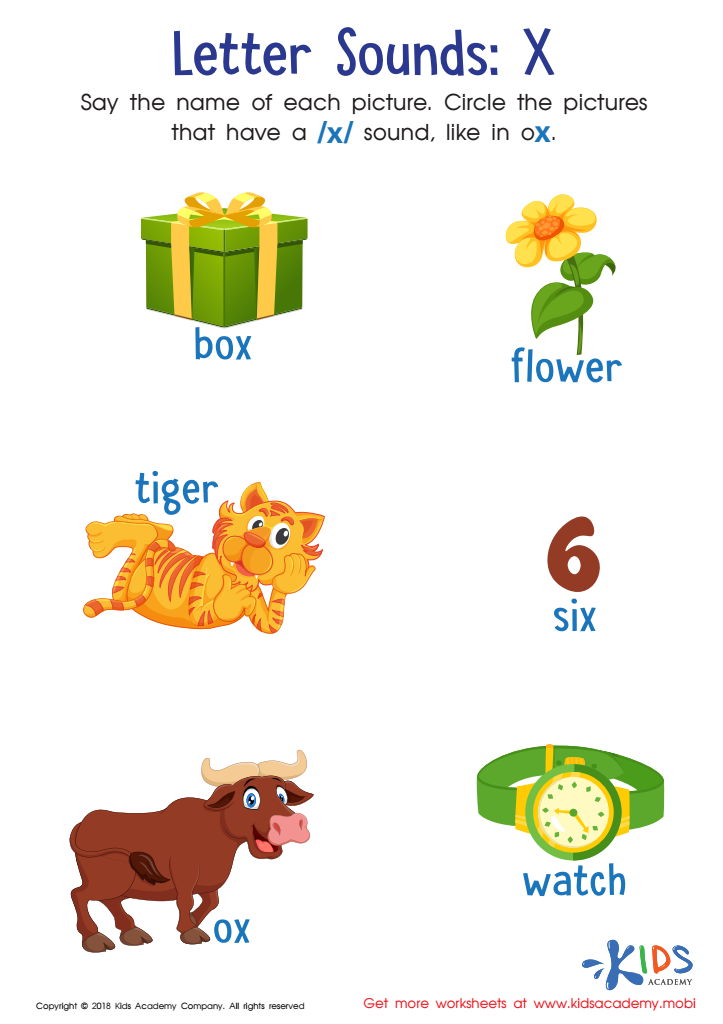
Letter X Sounds Worksheet
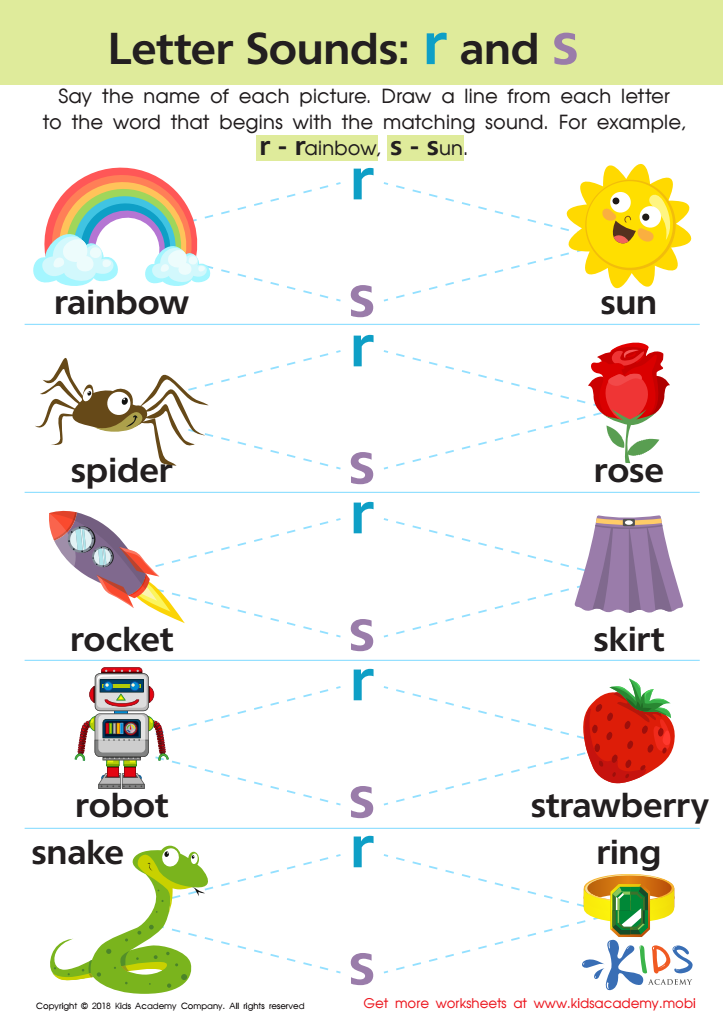
Letter R and S Sounds Worksheet
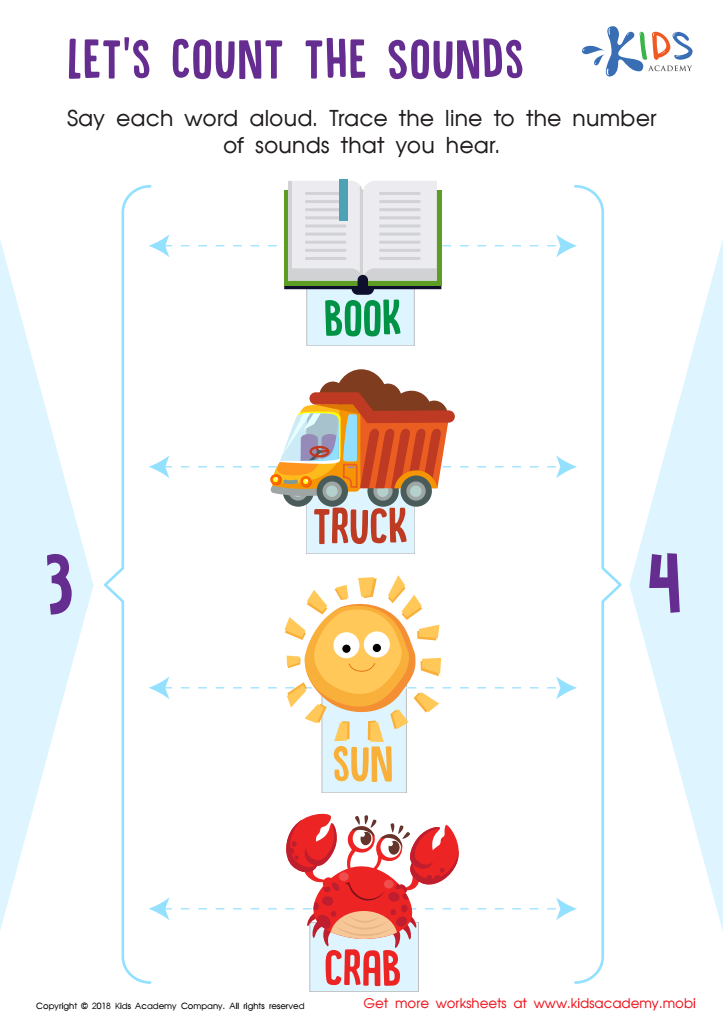
Let's Count the Sounds Worksheet
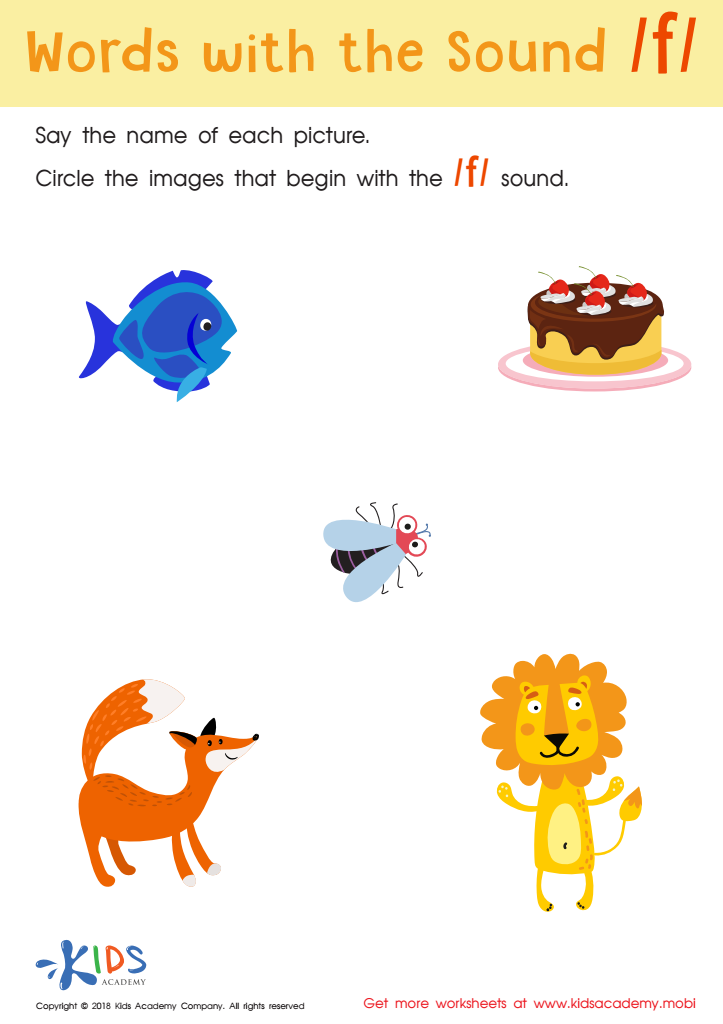
Words with sound f Reading Worksheet
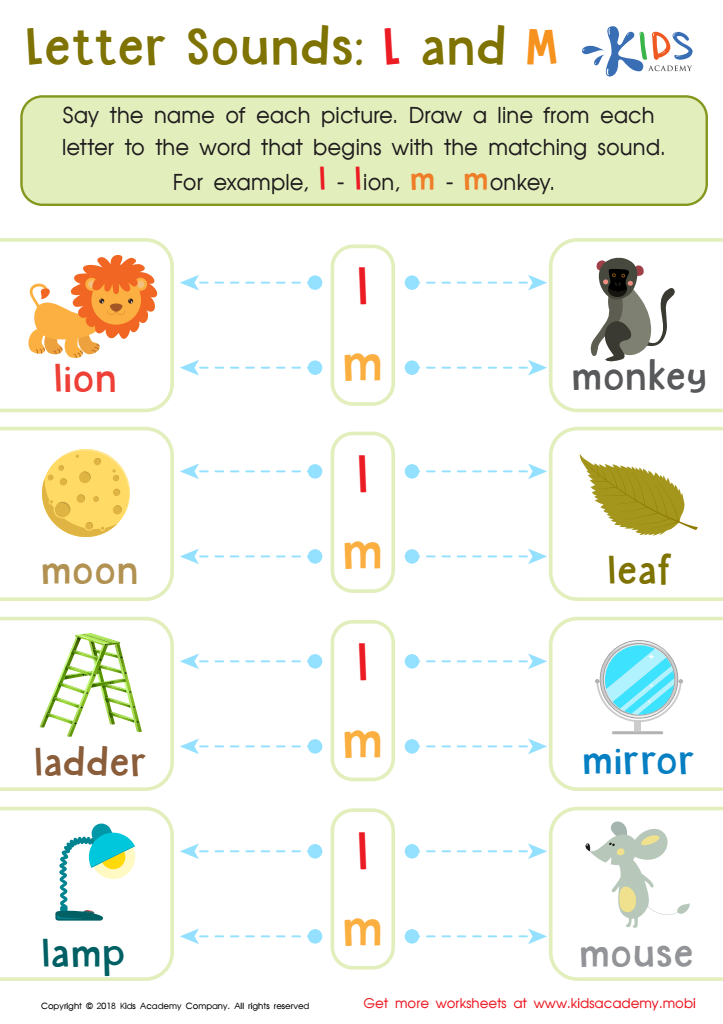
Letter l and M Sounds Worksheet
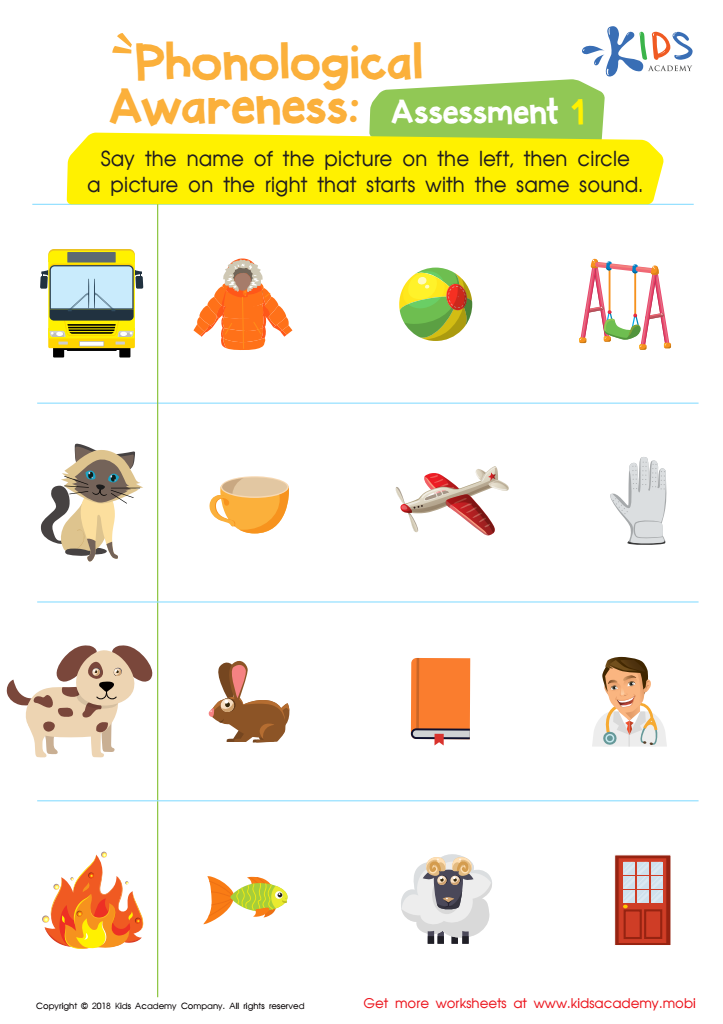
Phonological Awareness: Assessment 1 Worksheet
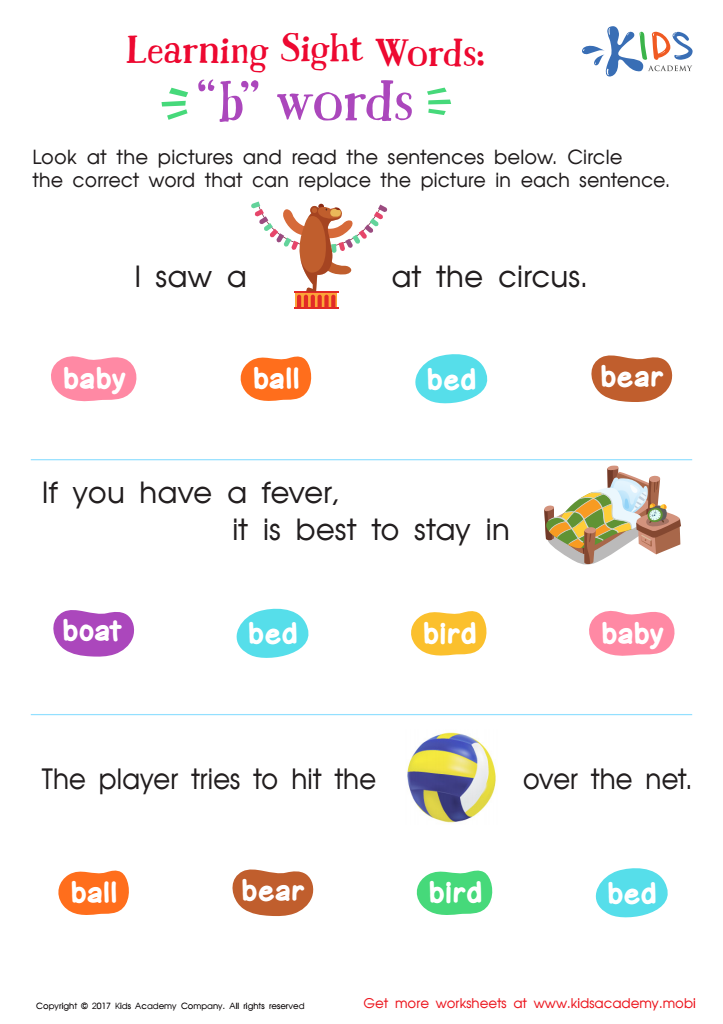
"B" Words Printable Sight Words Worksheet
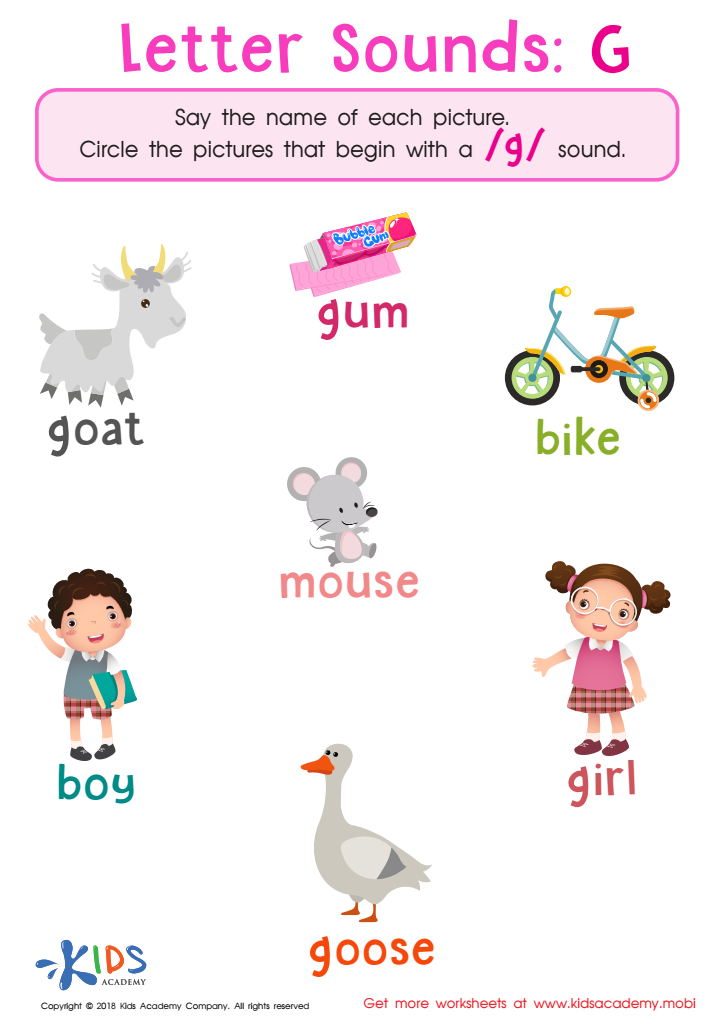
Letter G Sounds Worksheet
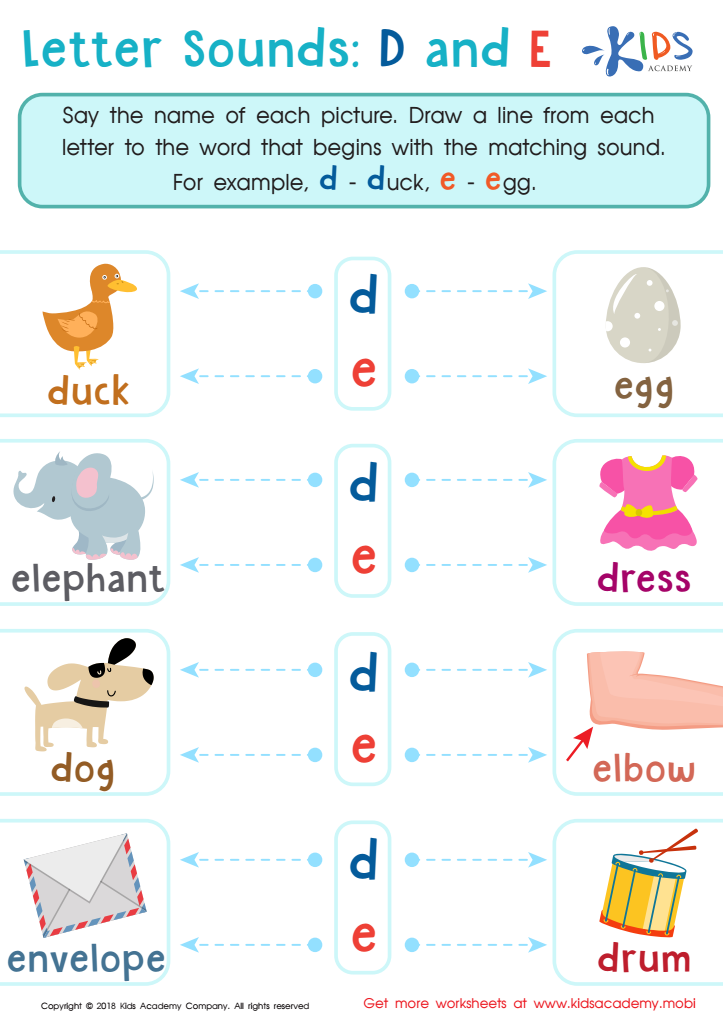
Letter D and E Sounds Worksheet





Sound association is a critical foundational skill for children aged 5-7 because it directly influences their ability to read and write effectively. During these early years, children are in a crucial developmental window where their brains are highly receptive to learning phonics, or the association between sounds and their corresponding letters or groups of letters.
Parents and teachers should prioritize sound association because it empowers children to decode new words, a skill that forms the bedrock of fluent reading. When a child understands that the letter "b" makes a /b/ sound, they can begin to blend that sound with others to form words like "bat" or "ball." This not only boosts their reading comprehension but also their confidence, making literacy activities more enjoyable and less frustrating.
In addition, strong sound association skills facilitate better spelling and writing. When a child can hear the sounds that make up a word and link them to the correct letters, they are better equipped to spell new words correctly. This skill also lays the groundwork for successful learning in other academic areas, as many subjects require reading proficiency to understand and engage with the material.
Ultimately, investing time and effort in developing these skills at a young age sets children up for a lifetime of learning, opening doors to academic success and a deeper love of reading.








