Spatial Orientation Worksheets for Ages 5-7
6 filtered results
-
From - To
Explore our engaging Spatial Orientation Worksheets designed for children ages 5-7. These printable resources help young learners develop essential spatial skills crucial for early math and reading comprehension. With fun and interactive activities, kids will gain confidence in understanding concepts such as direction, position, and movement. Our worksheets incorporate colorful illustrations and playful exercises that captivate children's interest while enhancing their cognitive abilities. Ideal for classroom use or at-home learning, these worksheets provide a perfect balance of challenge and enjoyment. Foster your child's spatial awareness today and lay the foundation for future learning success! Begin their adventure in exploration now!
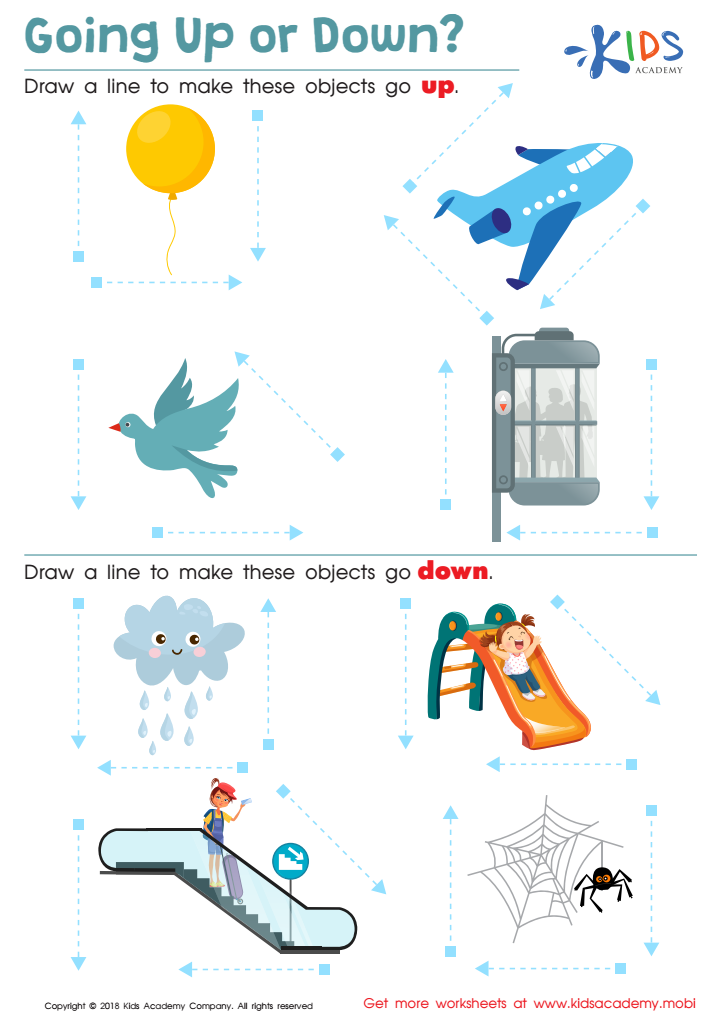
Going up or Down? Worksheet
 Assign to My Students
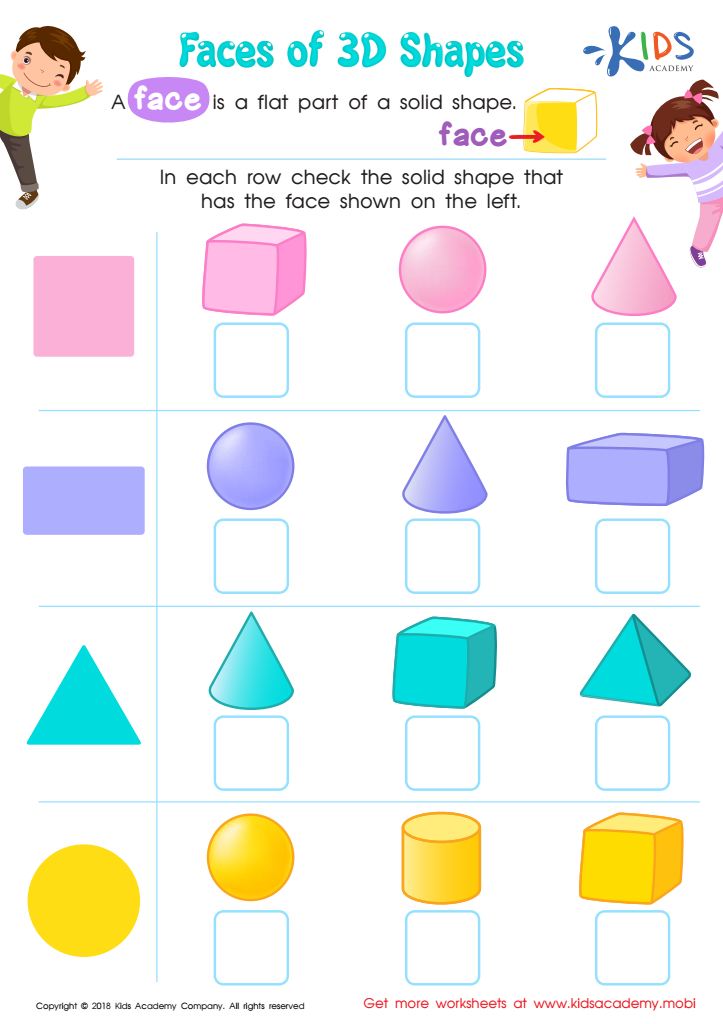
Faces of 3D Shapes Worksheet
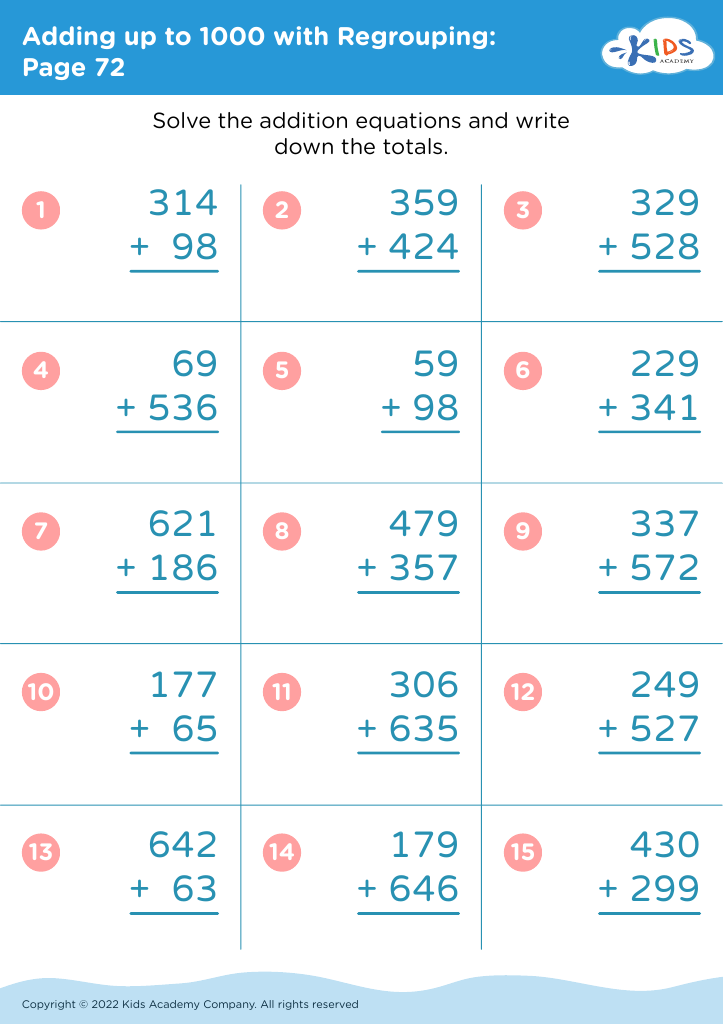
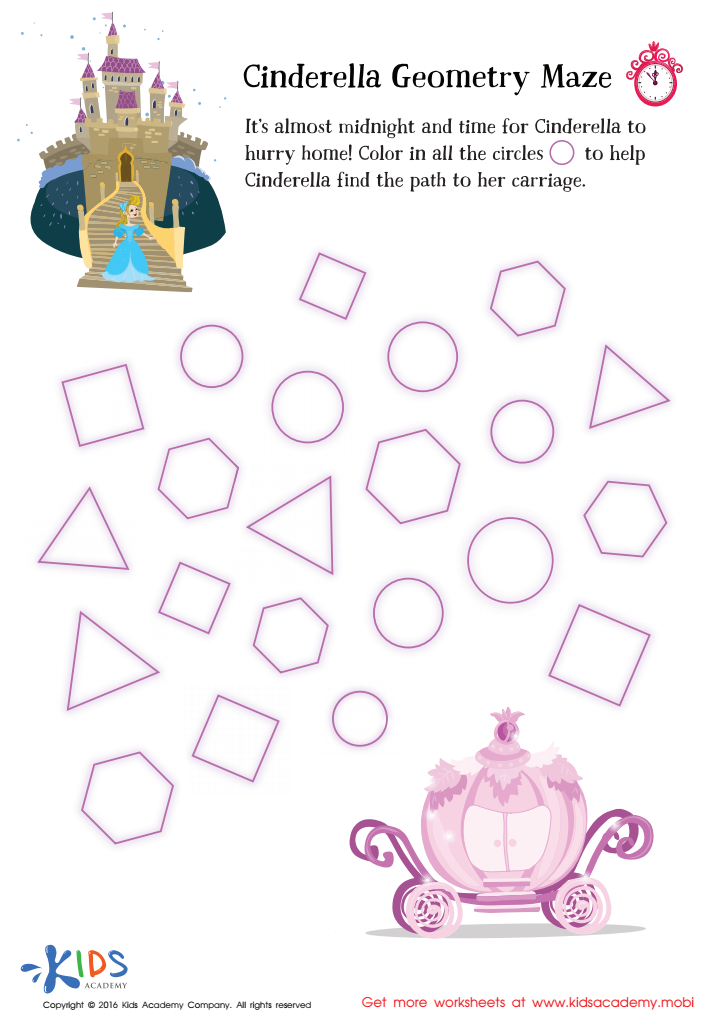
Cinderella Geometry Maze Worksheet
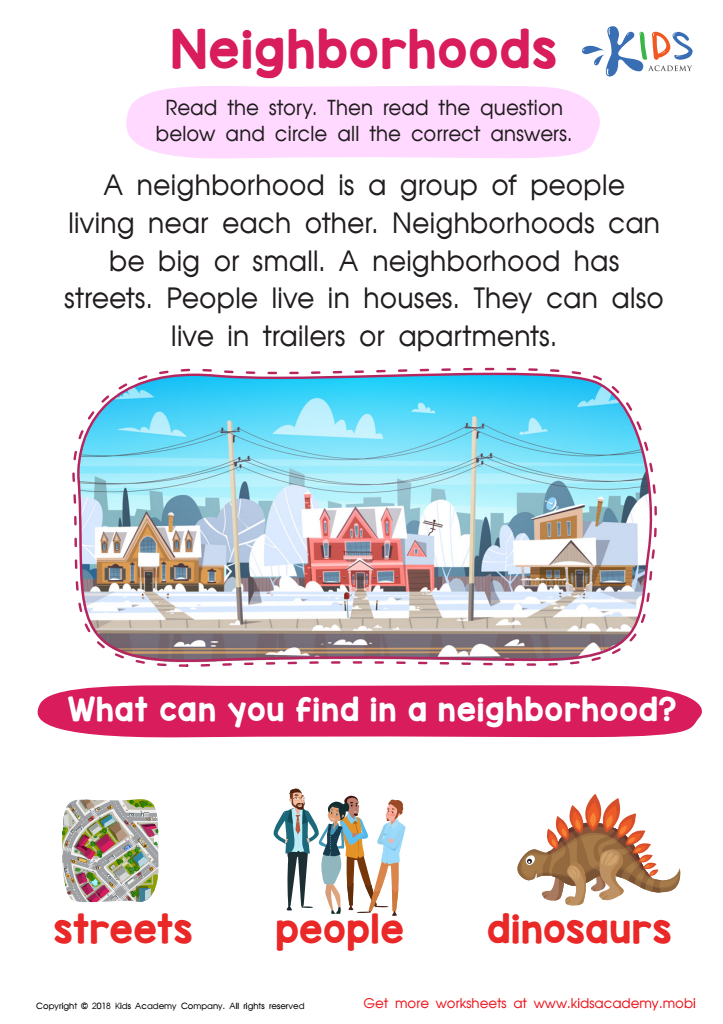
Neighborhoods Worksheet
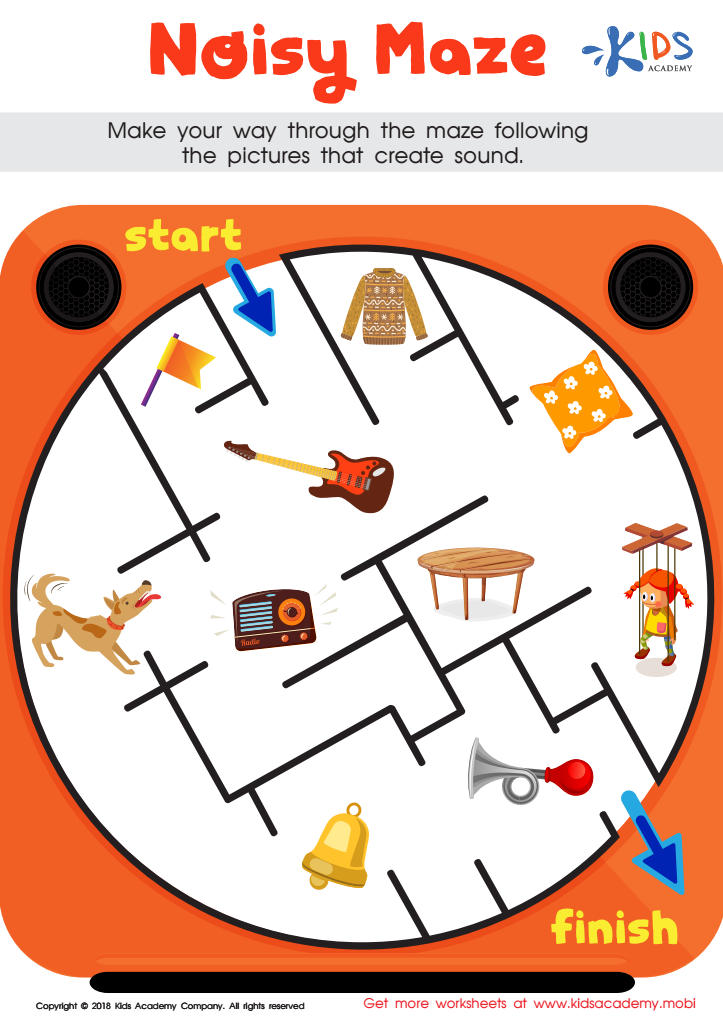
Noisy Maze Worksheet








Spatial orientation is critical for children ages 5 to 7 as it lays the foundation for essential cognitive and motor skills. During this developmental stage, children are beginning to understand their physical relationships to objects and places in their environment, which helps them navigate both real and abstract spaces. This understanding supports academic learning, particularly in areas like math, science, and literacy, where concepts of space, measurement, and direction play significant roles.
Parents and teachers should care about promoting spatial orientation because it enhances problem-solving skills and encourages creativity. Activities like playing with puzzles, building blocks, or engaging in games that involve movement (e.g., obstacle courses) can significantly boost these skills. Moreover, strong spatial orientation can influence a child's performance in later schooling and daily life, fostering confidence as they learn to describe locations, understand maps, or engage in sports and physical activities.
Additionally, spatial awareness helps cultivate social skills, as children often must communicate and collaborate with peers during play. By supporting spatial orientation activities, parents and teachers not only aid children in academic success but also contribute to their overall cognitive and emotional development. Investing in these foundational skills at such a young age promises long-term benefits.








