
Understanding sequence Worksheets for Ages 5-7
9 filtered results
Difficulty Level
Grade
Age
-
From - To
Subject
Activity
Standards
Discover our engaging "Understanding Sequence Worksheets for Ages 5-7," designed to strengthen your child's comprehension and cognitive skills. Perfect for young learners, these worksheets guide children through the concepts of ordering events, recognizing patterns, and logical thinking. With a variety of colorful activities, your child will enjoy learning sequences in a fun and interactive way. Ideal for both classroom and home use, these worksheets support early literacy and math skills, laying a strong foundation for future academic success. Explore now and help your child excel in understanding sequences with ease and confidence!
Favorites
With answer key
Interactive
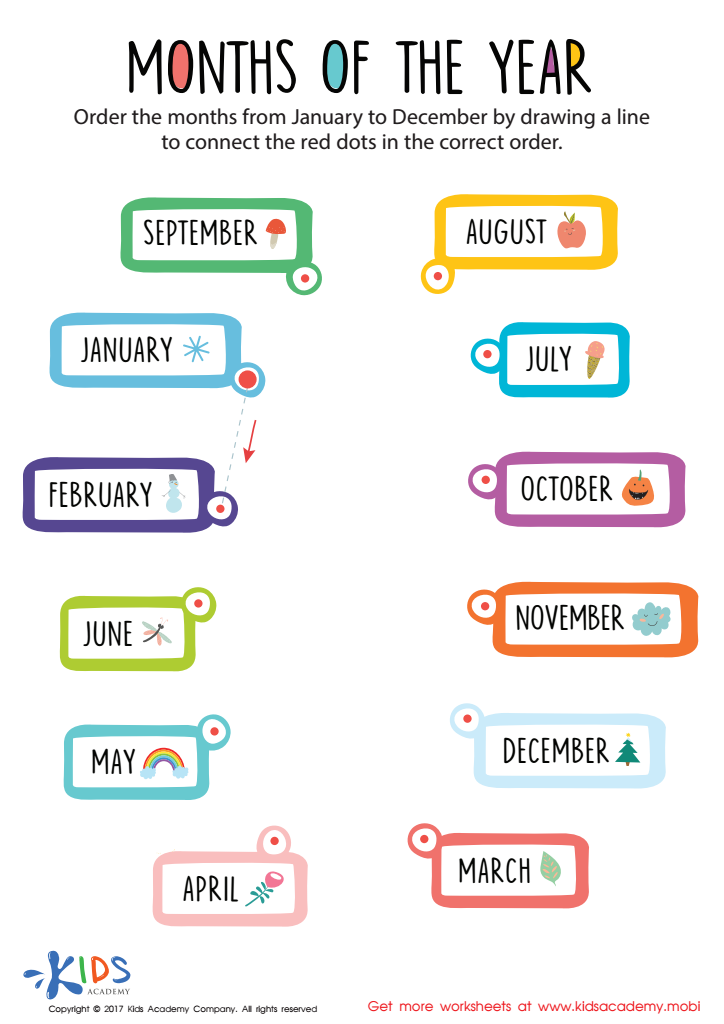
Months of the Year Worksheet
Challenge your child with this months of the year worksheet! Help them remember the yearly calendar by having them connect the dots from January to December. It's a fun way to test their knowledge of the twelve months and sharpen their memory!
 Assign to My Students
Months of the Year Worksheet
Worksheet
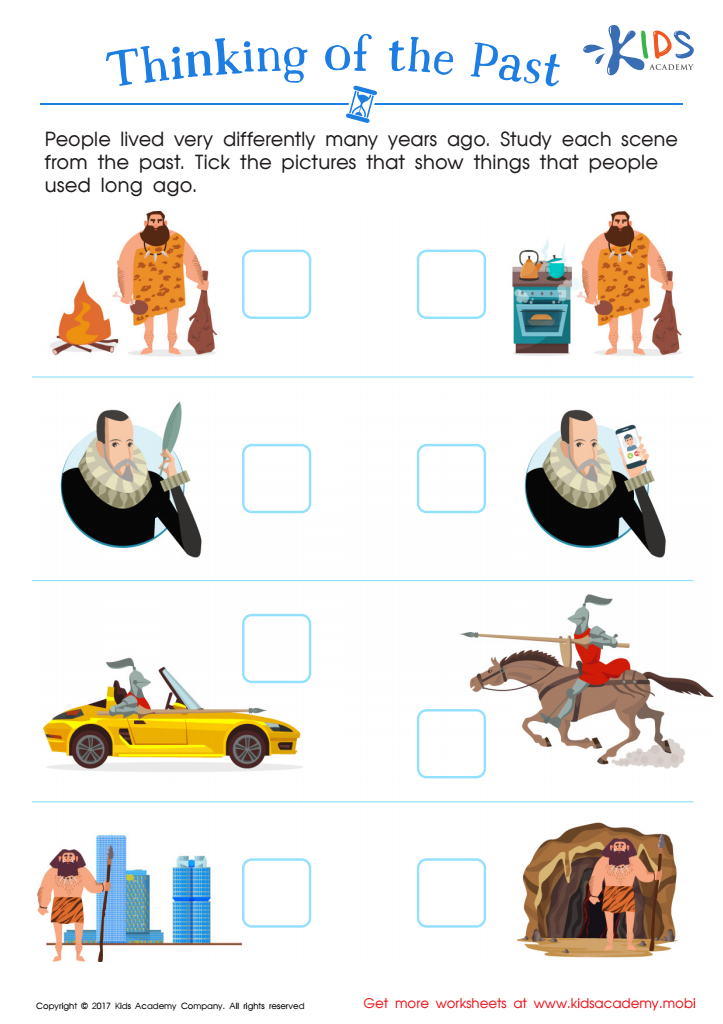
Thinking Past Printable
Bring the past to life for your kid with this fun worksheet! They'll use logic to choose the right answer, learning about different eras and how people lived in them. With a colorful caveman and modern skyscraper side by side, they won't even realize they're building historical knowledge.
Thinking Past Printable
Worksheet
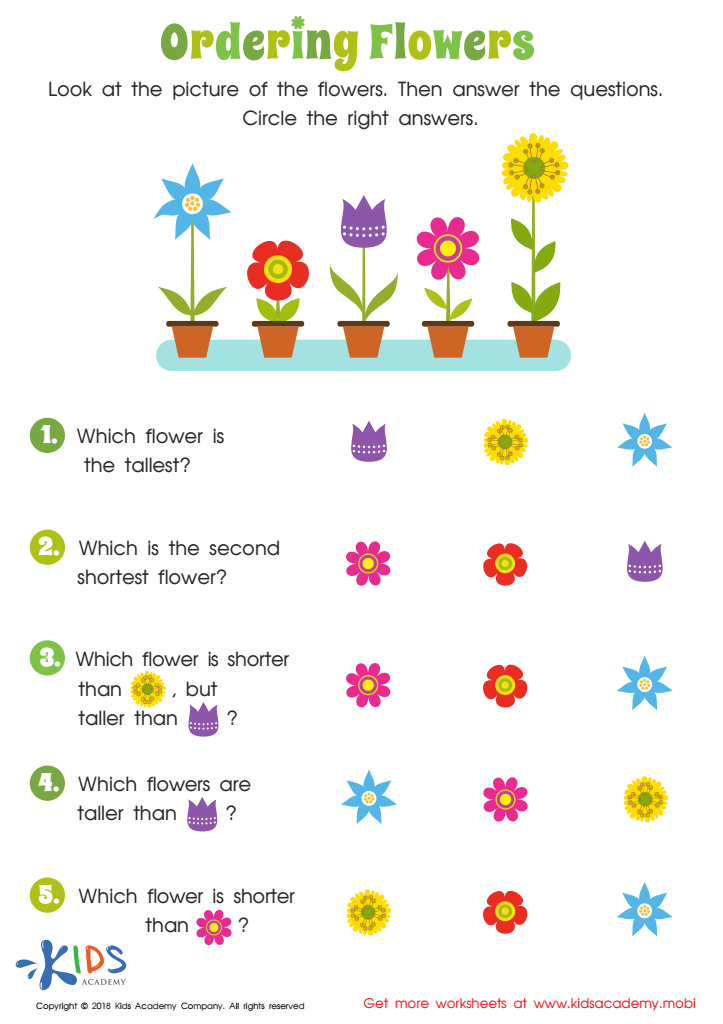
Ordering Flowers Worksheet
Preschoolers can start learning measurement with visuals! This worksheet uses colorful flowers of different heights. Ask your learner to observe the flowers, then help them compare/answer which is taller/shorter. It's an easy way for them to begin learning about measurement.
Ordering Flowers Worksheet
Worksheet
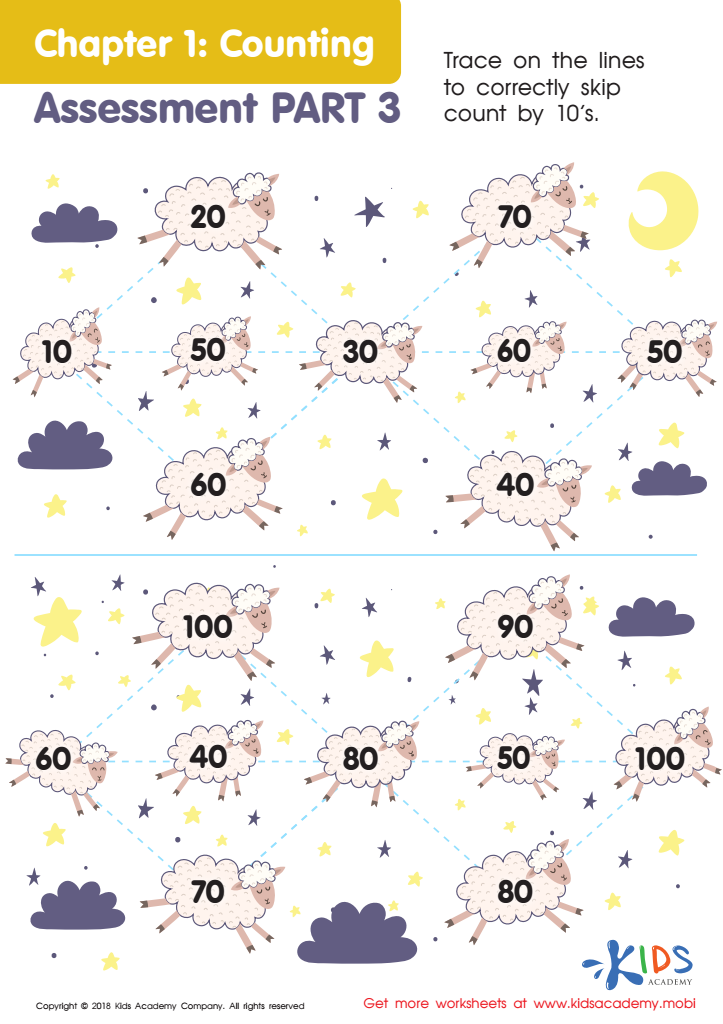
Counting: Assessment 3 Worksheet
This worksheet is great for assessing your child's counting skills. It's a bit more challenging than the usual 'count to fifty' exercises. Have them trace the lines and skip count by 10's to help them learn counting in tens.
Counting: Assessment 3 Worksheet
Worksheet
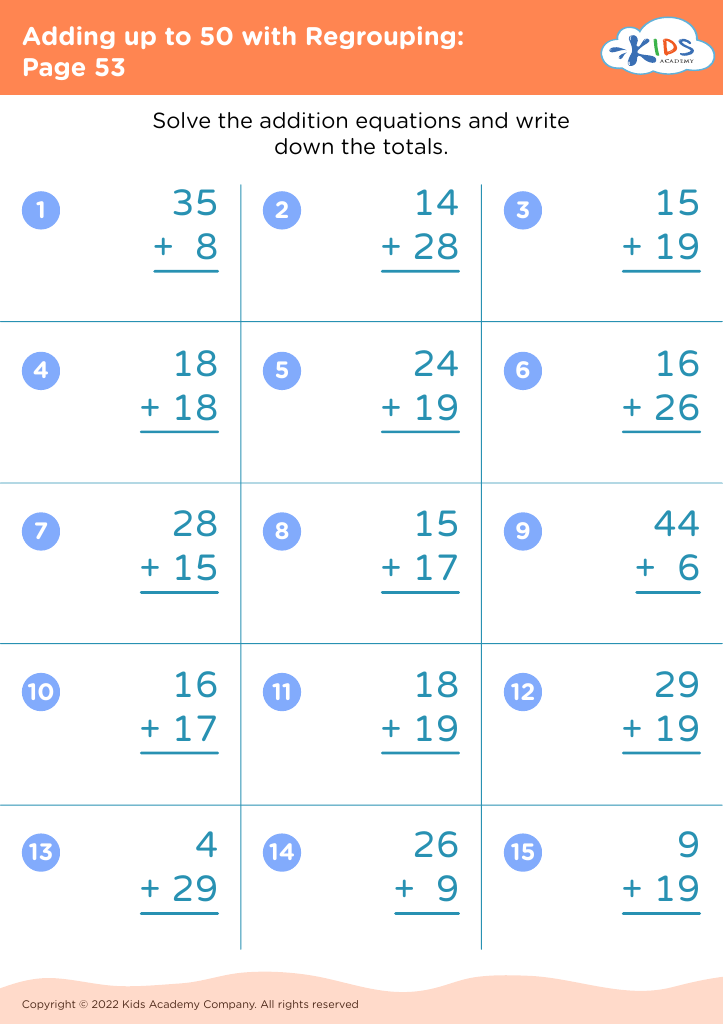
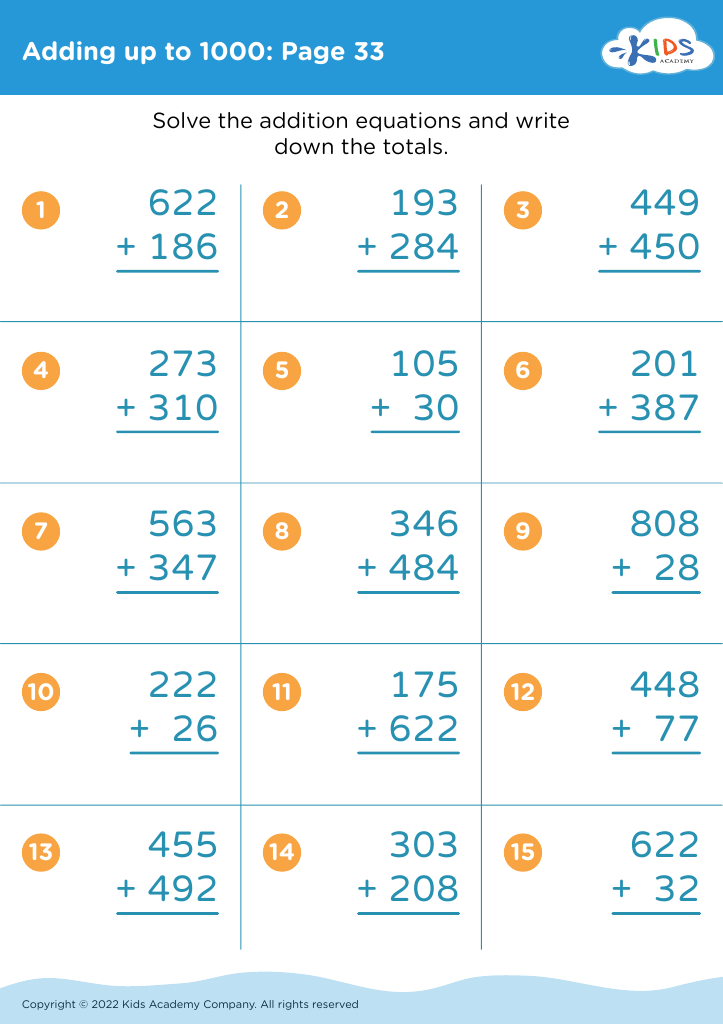
Join Kids Academy for Free
Who is primarily going to use this learning content?







Understanding sequence is crucial for young children aged 5-7 because it forms the foundation for numerous cognitive and academic skills. Sequencing helps children grasp the concept of order and organization, which is vital for activities such as following instructions, storytelling, and problem-solving. When kids understand sequence, they can narrate events in the correct order, making their storytelling more coherent and aiding in reading comprehension.
In mathematics, sequencing contributes to a child's ability to understand patterns, which is essential for grasping basic arithmetic operations and time management. For example, in learning to count, recognizing the sequence of numbers lays the groundwork for more advanced math skills.
Sequencing also supports daily routines and enhances executive function skills, such as planning and task initiation. Children learn to anticipate what comes next, which reduces anxiety and helps them feel more in control. In activities like getting dressed or preparing for school, knowing the order of steps helps children become more independent and responsible.
For teachers and parents, emphasizing sequencing through activities like reading, illustrating stories, playing sequencing games, and bridging daily routines helps develop these fundamental skills, making early learning more effective and enjoyable. It’s about building a pathway for successful lifelong learning and personal development from a young age.








