Fraction comparison Adding up to 100 Worksheets for Ages 5-7
6 filtered results
-
From - To
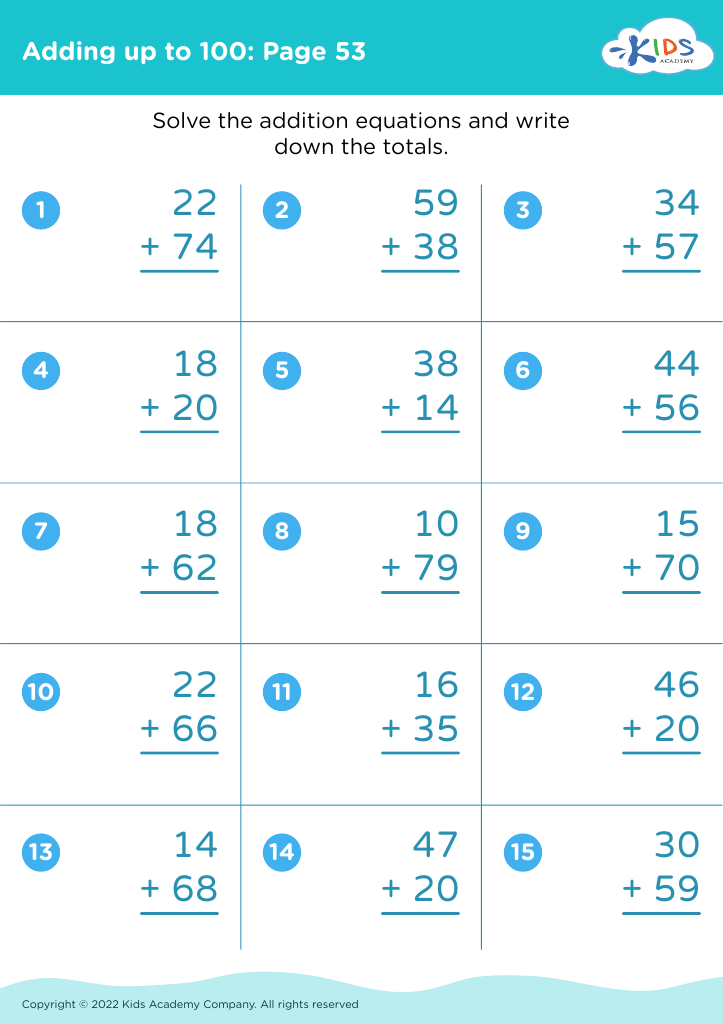
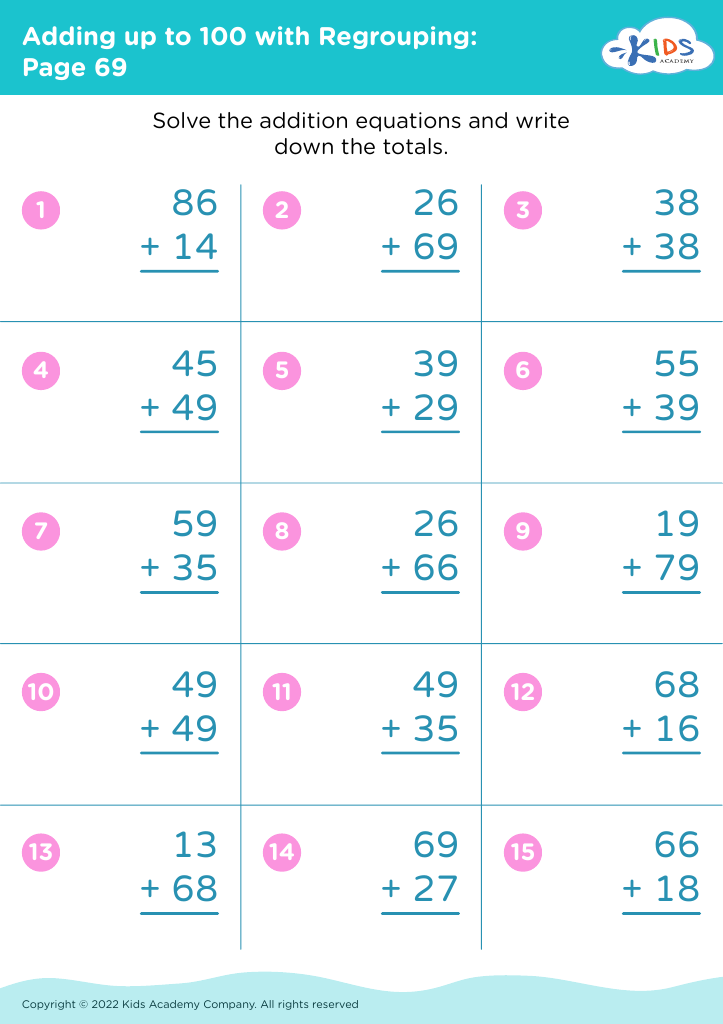
Get ready for fun-filled learning with our "Fraction Comparison Adding up to 100 Worksheets" designed specifically for ages 5-7. These colorful, engaging worksheets help young learners build a solid foundation in comparing fractions, ensuring they understand proper fraction sizes through playful activities. Ideal for early math education, our printable resources focus on simple, visual comparisons and fundamental concepts of fractions, fostering core skills in a straightforward and enjoyable manner. Make math magical for your child with hands-on practice that prepares them for future mathematical success. Perfect for classroom or at-home learning!




%20(1).jpg)


Fraction comparison and understanding how numbers add up to 100 are fundamental skills for children aged 5-7, as they lay the groundwork for more advanced mathematical concepts.
Learning how to compare fractions helps young children grasp the concept of parts making up a whole, an essential idea in math and everyday life. If students can understand that 1/2 is larger than 1/4, they develop a sense of numerical value and proportionality. These early insights are critical as they progress to more complex topics like multiplication, division, and real-life problem-solving.
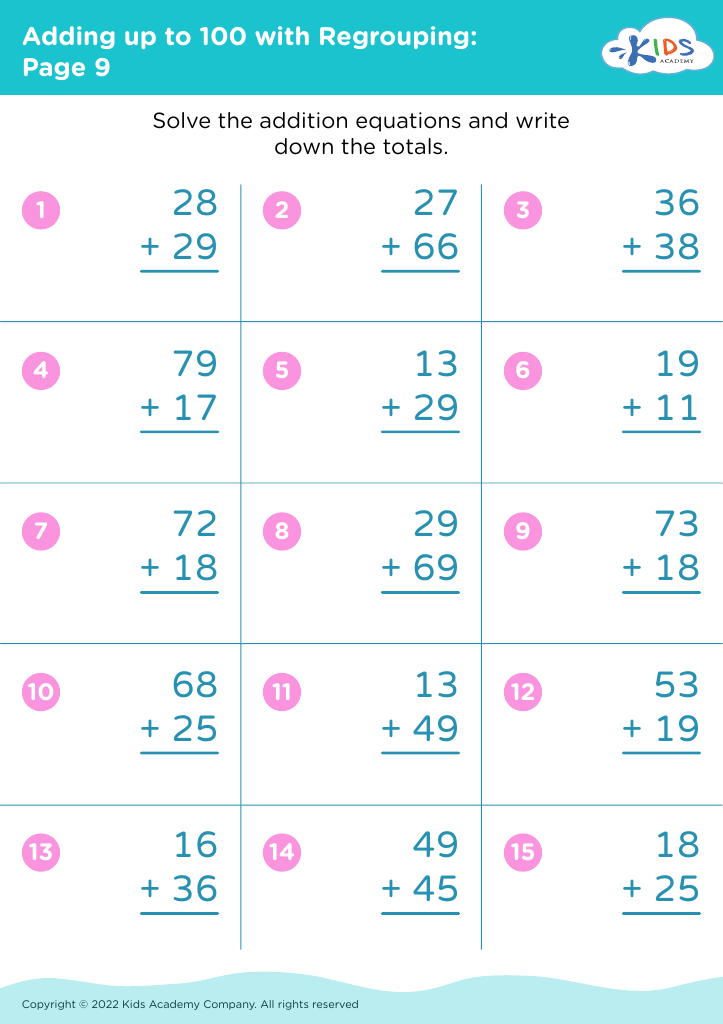
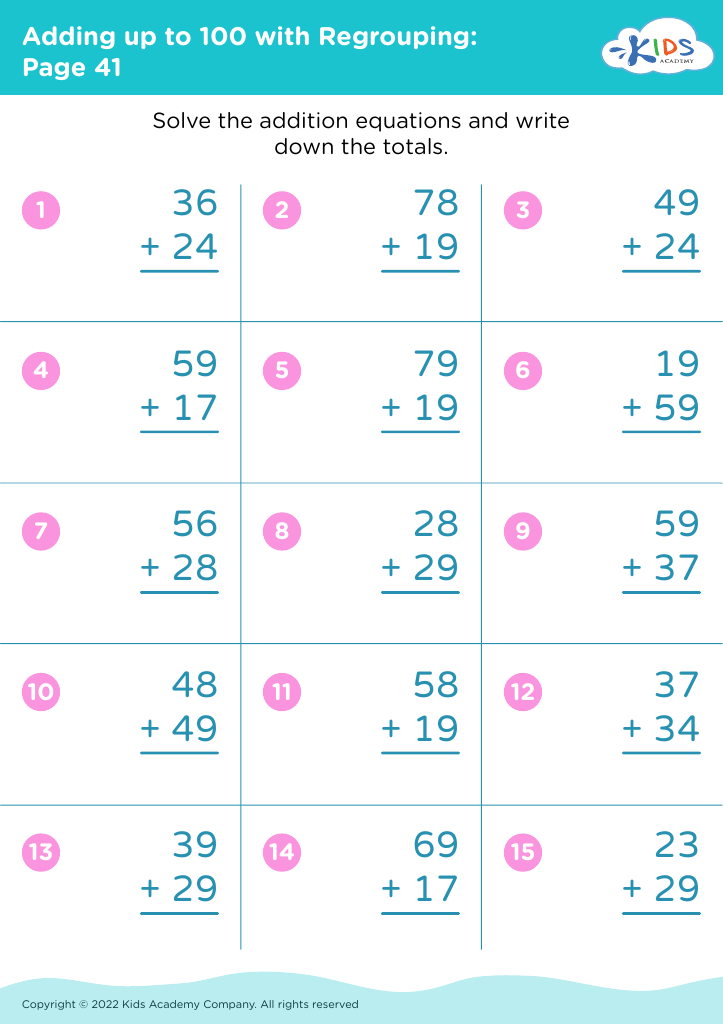
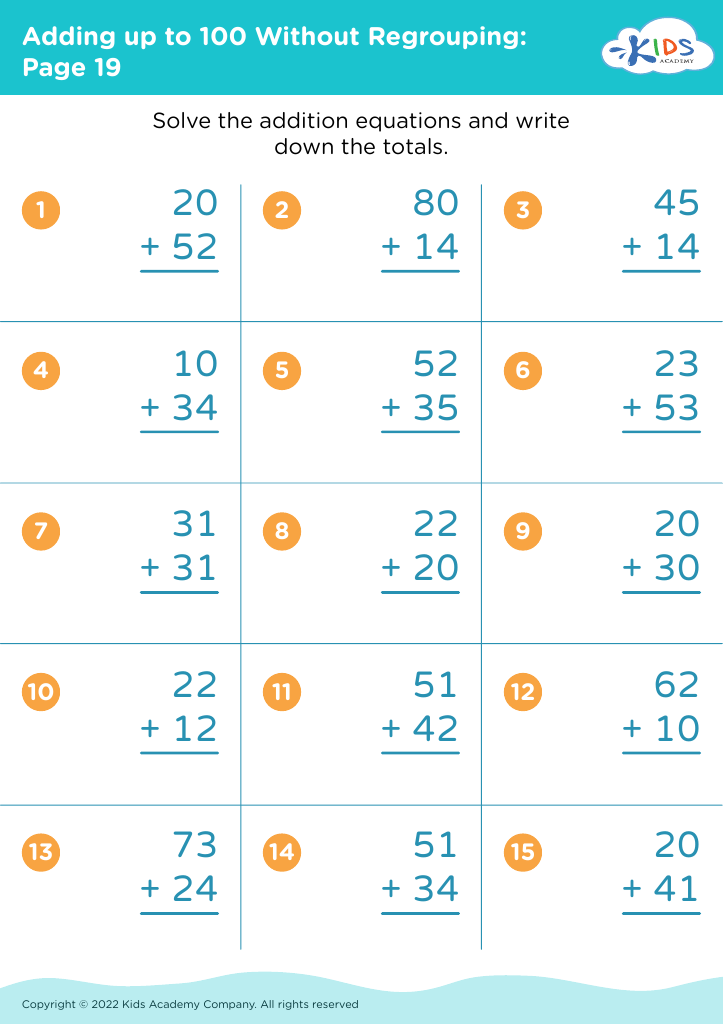
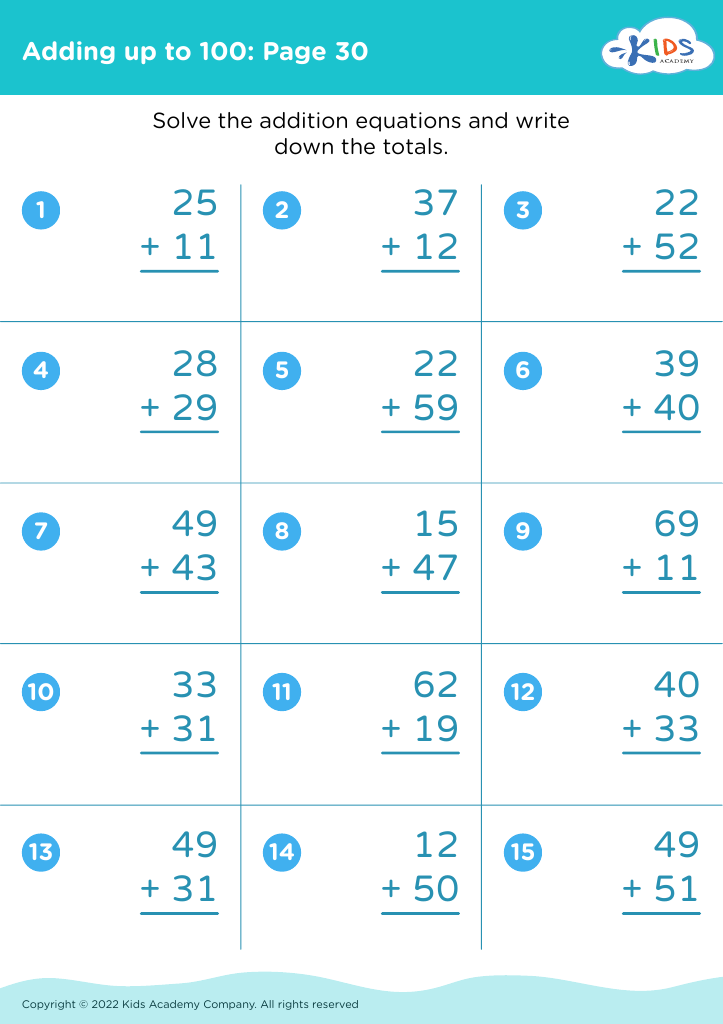
Adding up to 100 is another crucial milestone. This skill helps children understand base-ten numeration, which is the foundation of our number system. Mastery of this concept aids in mental arithmetic. For example, understanding that 45 + 55 equals 100 can simplify tasks such as making change, estimating quantities, and solving puzzles.
Incorporating these skills early helps boost children's confidence and curiosity in math. Parents and teachers who nurture these abilities offer their students a head start in a subject that is often seen as challenging. More importantly, a strong understanding of these foundational concepts can inspire a lifelong love of learning and encourage critical thinking skills.








