
Develop analytical thinking Addition & Subtraction Worksheets for Ages 5-7
3 filtered results
Difficulty Level
Grade
Age
-
From - To
Subject
Activity
Standards
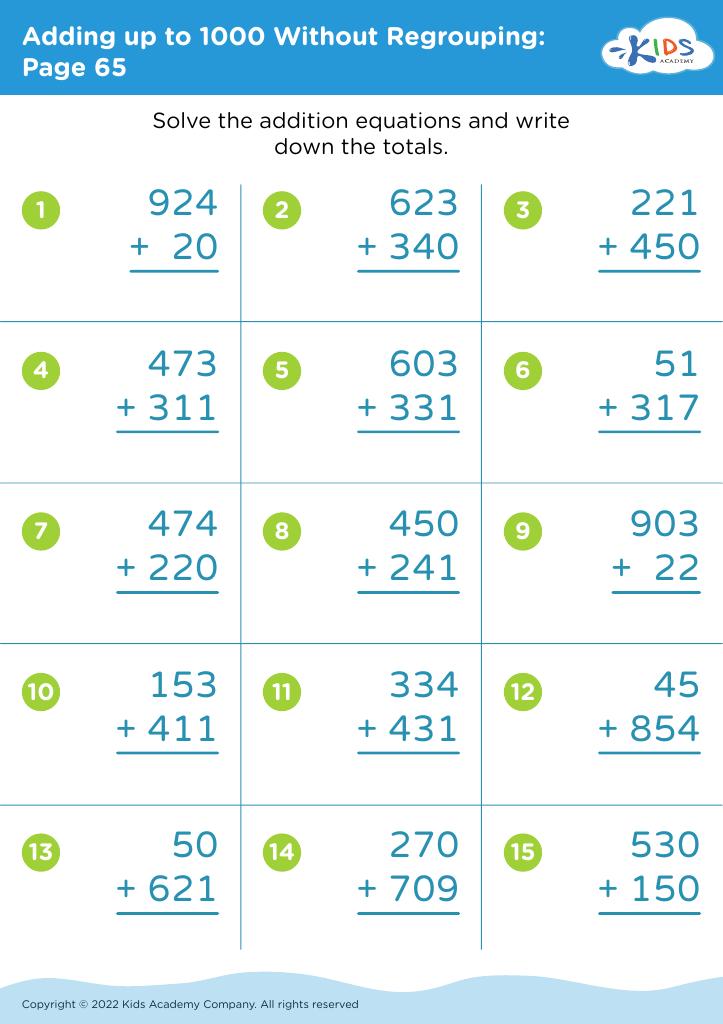
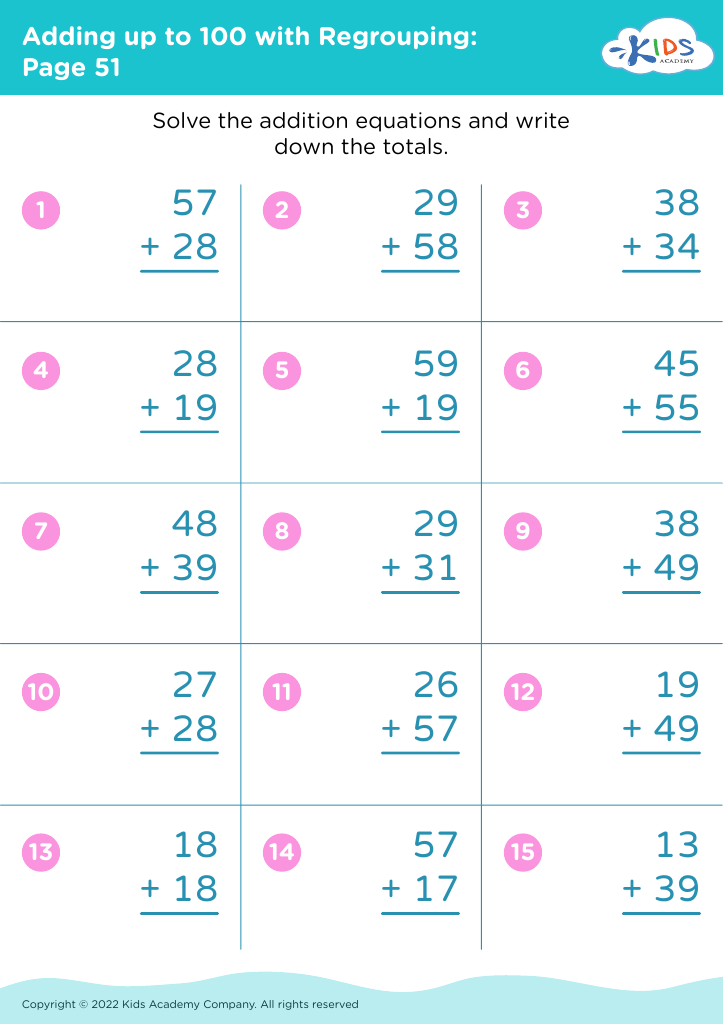
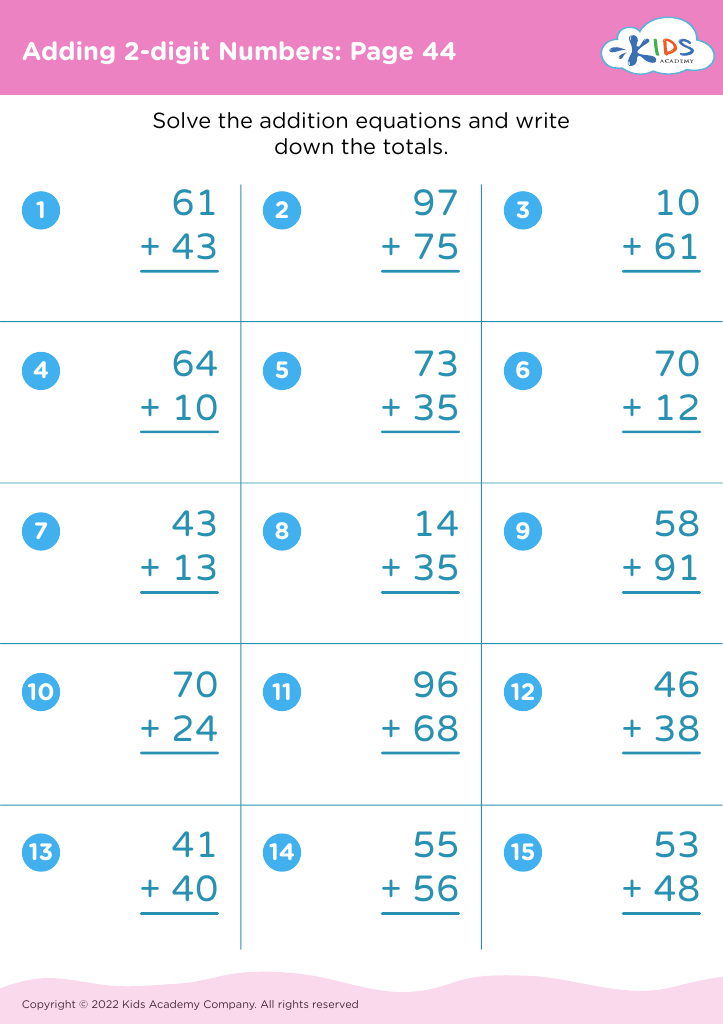
Unlock your child's potential with our engaging Addition & Subtraction Worksheets designed for ages 5-7! Tailored to enhance analytical thinking, these worksheets blend fun and education, making math enjoyable. Through a variety of exercises, children will not only master basic addition and subtraction but also develop critical problem-solving skills. Our interactive activities encourage kids to think deeply, analyze patterns, and apply strategies, fostering a strong math foundation. Perfect for both classroom learning and at-home practice, these worksheets support young learners' cognitive growth while boosting their confidence in mathematics. Start your child's journey to becoming a math whiz today!
Favorites
With answer key
Interactive
Join Kids Academy for Free
Who is primarily going to use this learning content?








Developing analytical thinking in addition and subtraction for children aged 5-7 is crucial for their overall cognitive development and future learning. This foundational stage helps children grasp the concepts of numbers and operations, fostering their ability to reason, solve problems, and make connections between mathematical ideas.
When children engage in analytical thinking surrounding addition and subtraction, they learn not just to calculate but to understand the "why" behind the processes. This comprehension enables them to apply these skills in various contexts, including real-life situations like budgeting with allowance money or splitting snacks among friends. By encouraging this level of understanding, teachers and parents can help cultivate confident learners who are equipped with problem-solving skills they will rely on throughout their educational journey.
Incorporating analytical thinking also enhances children's ability to engage in critical thinking and develop persistence when faced with challenges. This can lead to a positive attitude towards learning, making them more resilient and adaptable. Therefore, prioritizing analytical thinking in basic operations lays the groundwork for higher-level mathematics and essential life skills, thus benefiting their academic trajectory and overall growth.








