Enhances number recognition Addition & Subtraction Worksheets for Ages 5-7
4 filtered results
-
From - To
Enhance your child’s number recognition skills with our engaging Addition and Subtraction Worksheets designed specifically for ages 5-7. These expertly crafted resources provide fun and interactive activities that foster a solid understanding of basic math concepts. Children will enjoy practicing their addition and subtraction while simultaneously improving their ability to recognize numbers. Each worksheet features colorful illustrations and motivating themes that make learning math enjoyable. Perfect for classroom settings or at-home learning, our worksheets cater to diverse learning styles and encourage mastery of essential skills. Download our worksheets today and watch your child build confidence in their math abilities!
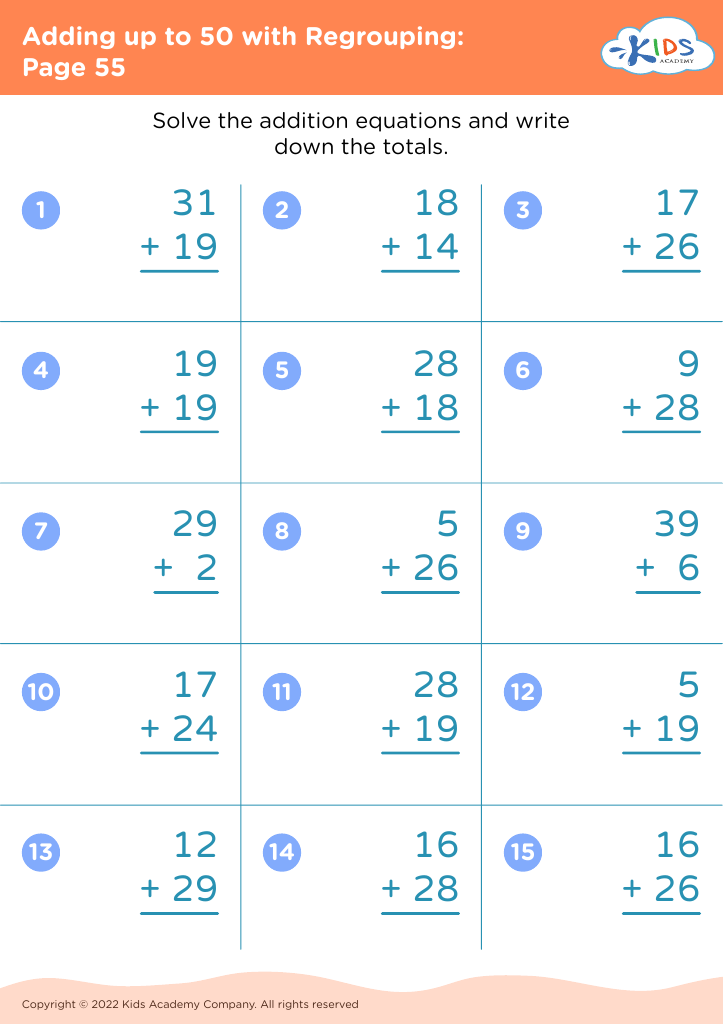
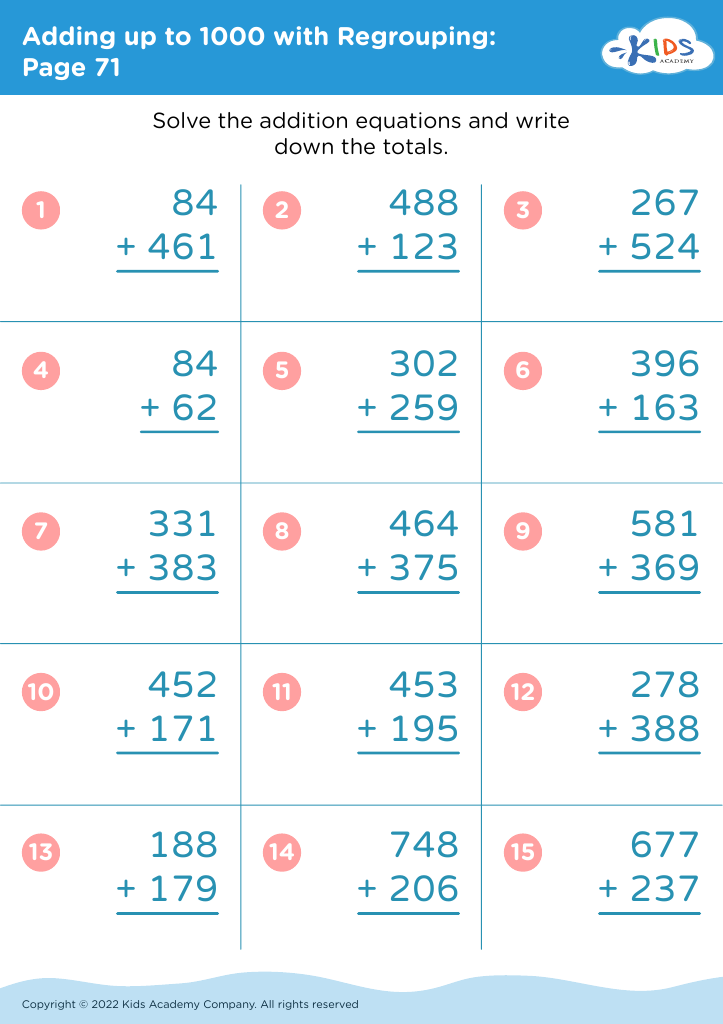
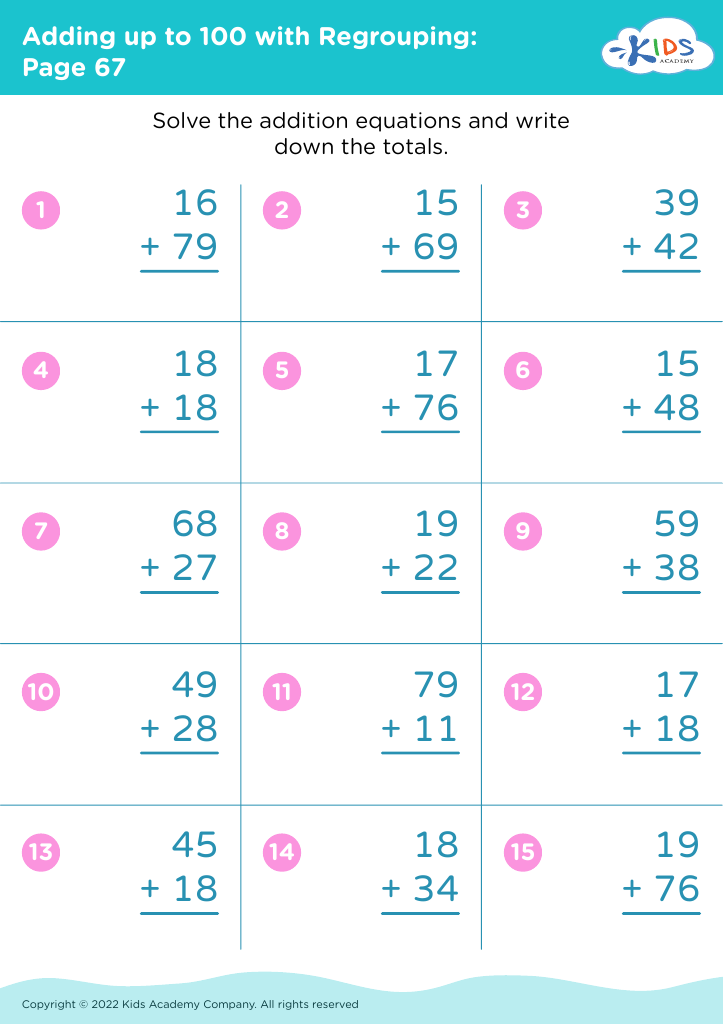
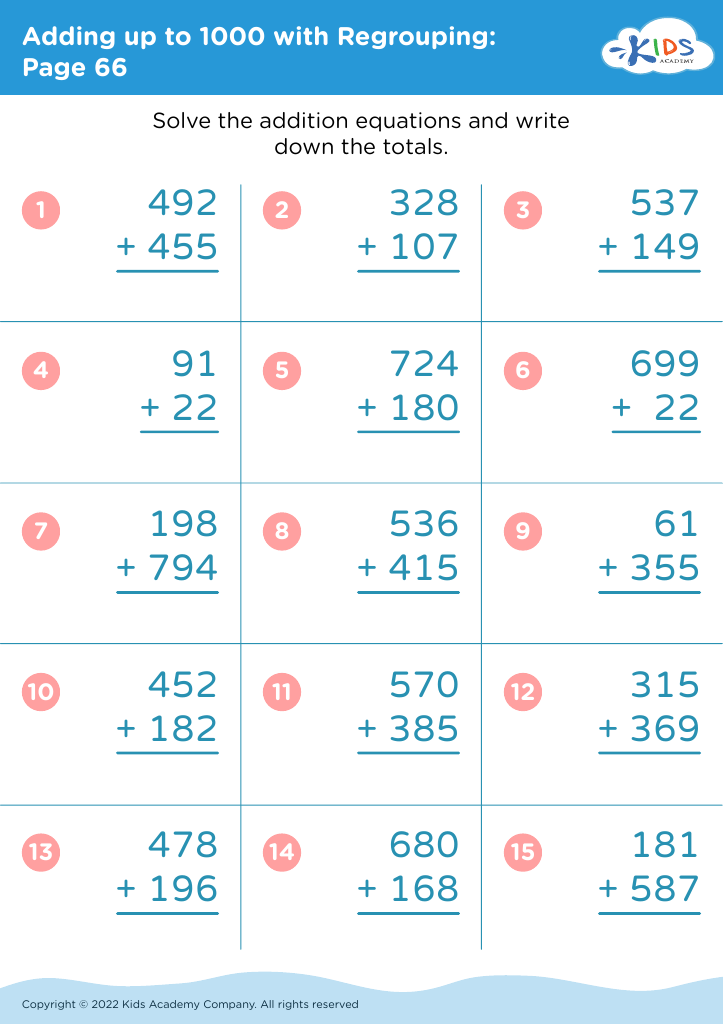








Parents and teachers should prioritize enhancing number recognition, as well as addition and subtraction skills, for children aged 5 to 7 due to the foundational importance of these concepts in early math education. At this age, children develop critical cognitive abilities that set the groundwork for future learning. Mastery of number recognition allows children to identify and understand quantities, enabling them to engage efficiently with more complex math problems as they grow.
Furthermore, addition and subtraction serve as the building blocks for various mathematical operations. Proficient early understanding of these skills boosts a child's confidence and enjoyment in learning math, fostering a positive attitude towards the subject. Engaging children in fun and diverse activities—such as games, stories, and hands-on activities—makes learning enjoyable and memorable, leading to improved retention.
Moreover, supporting these skills can bridge achievement gaps, ensuring that all students develop strong numeracy skills that will be essential throughout their academic careers. By nurturing these fundamentals, parents and teachers not only advance children's learning but also equip them with critical problem-solving skills, logical thinking, and the ability to approach challenges with confidence, setting them up for lifelong success in not just mathematics, but in wider educational contexts as well.








