Fine motor skills (drawing lines) Addition & Subtraction Worksheets for Ages 5-7
3 filtered results
-
From - To
Enhance your child's learning experience with our Fine Motor Skills (Drawing Lines) Addition & Subtraction Worksheets designed for ages 5-7. These engaging worksheets not only teach foundational math concepts but also help develop crucial fine motor skills through fun line-drawing activities. Your child will enjoy practicing addition and subtraction by connecting dots and tracing numbers, promoting hand-eye coordination and pencil control. Perfect for home or school use, these printable resources make math learning interactive and enjoyable. Watch your child's confidence grow as they master both math skills and fine motor development. Download now and start their learning journey today!
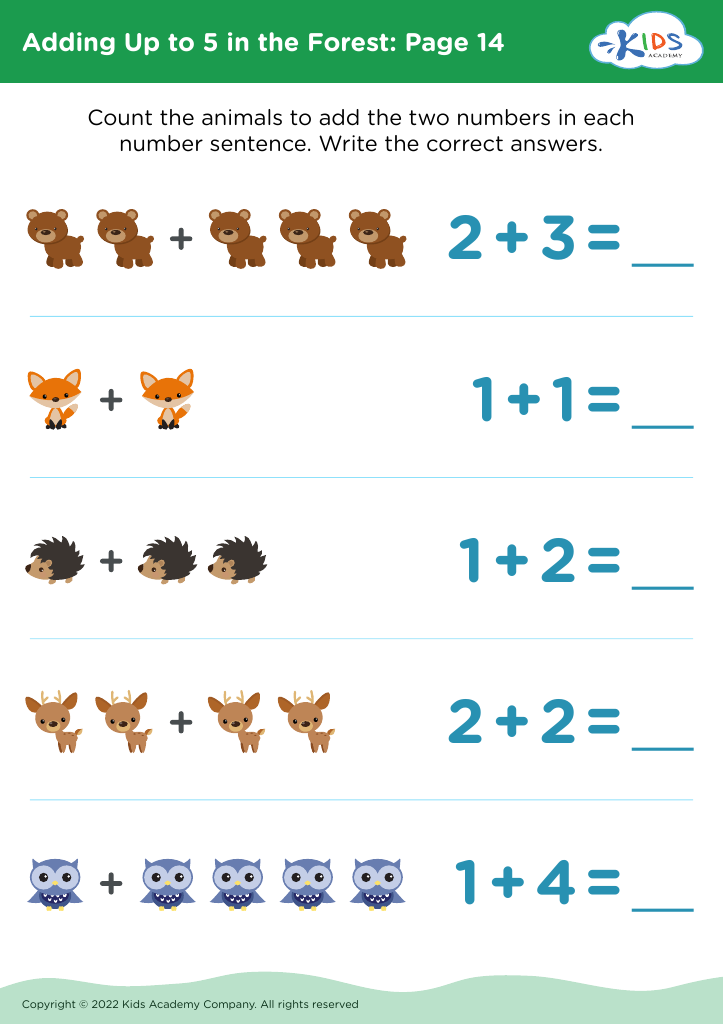
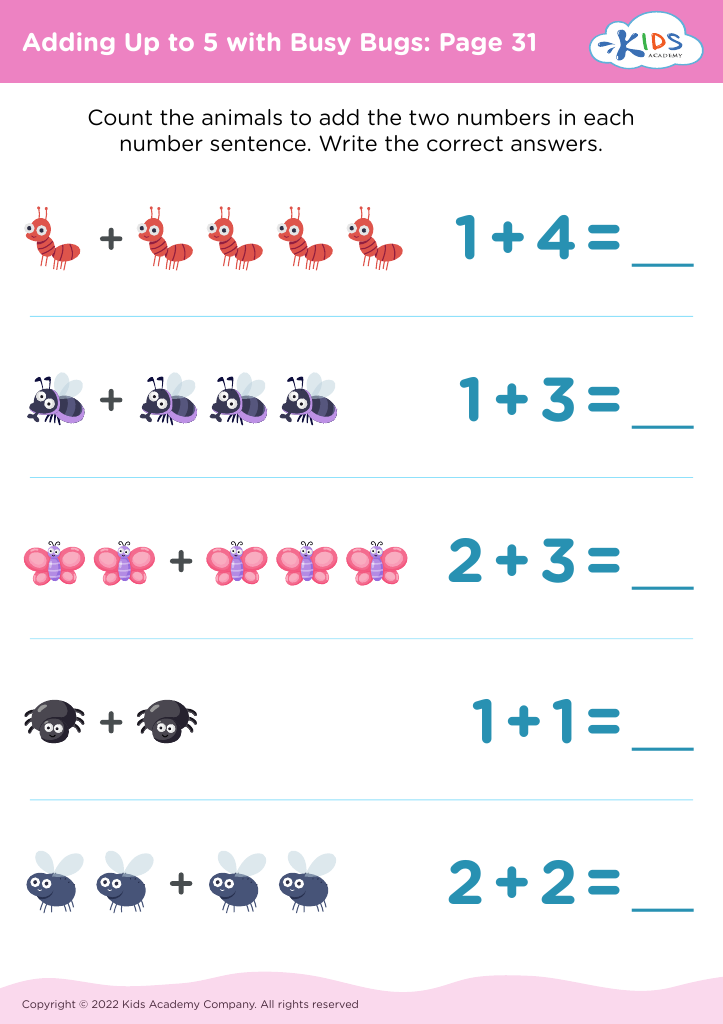
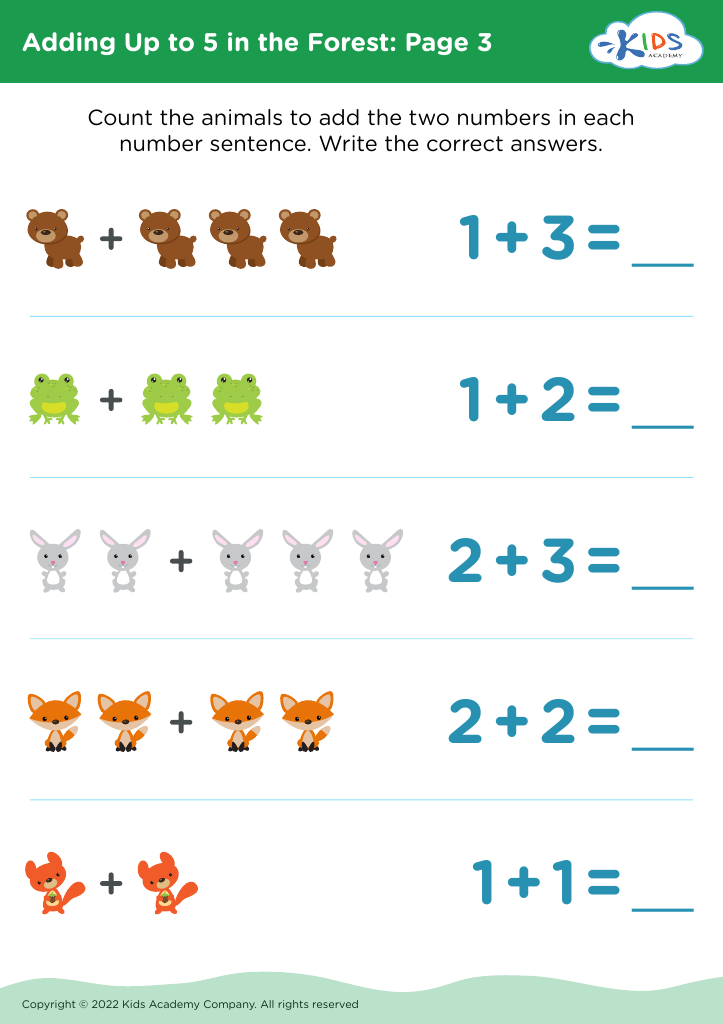








Fine motor skills and early math concepts such as addition and subtraction are crucial for children aged 5-7, creating a strong foundation for their academic and daily life success. Developing fine motor skills, like drawing lines, involves precise hand movements that enhance coordination and dexterity. These skills are vital for tasks like writing, cutting, and manipulating small objects, which are essential in school and beyond.
Furthermore, understanding addition and subtraction at this age fosters critical thinking and problem-solving abilities. It enables children to grasp fundamental mathematical concepts that will serve them throughout their education. Engaging in activities that combine fine motor skills with math—such as drawing lines to create numbers or using manipulatives to visualize equations—promotes active learning.
For parents and teachers, recognizing the interconnectedness of these skills is vital. They mirror each other; as children enhance their fine motor skills, their mathematical understanding deepens. Additionally, these skills bolster children's confidence, encouraging them to engage more fully in classroom activities. Supporting the development of fine motor skills alongside early math lays the groundwork for lifelong learning, helping children become competent and motivated learners in various subjects.








