
Fraction Addition Addition & Subtraction Worksheets for Ages 5-7
14 filtered results
Difficulty Level
Grade
Age
-
From - To
Subject
Activity
Standards
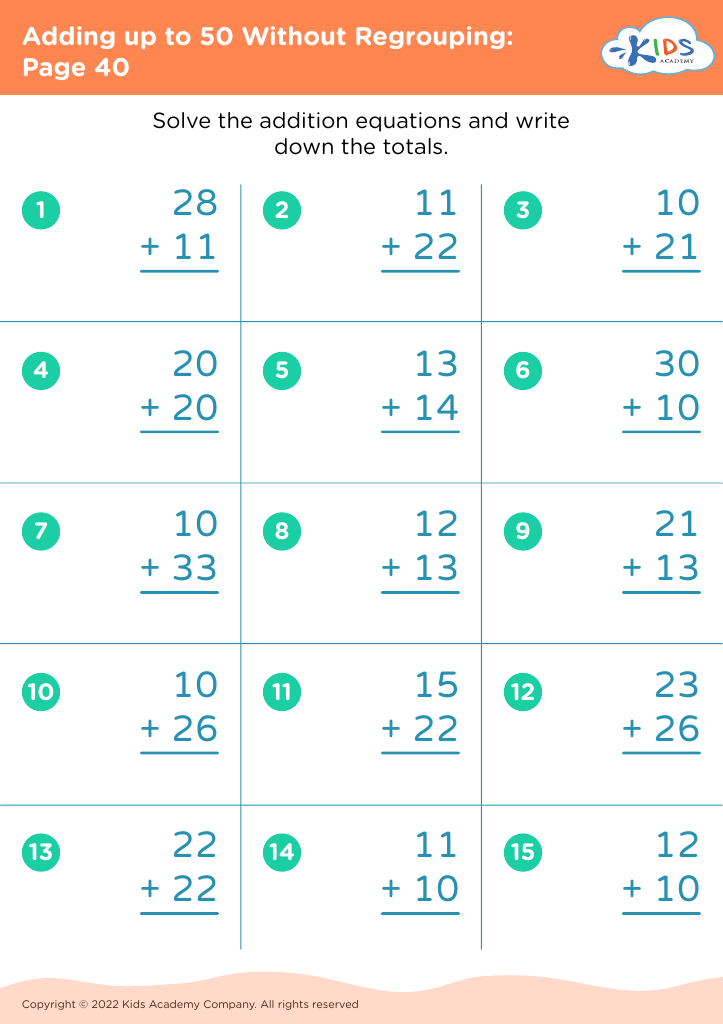
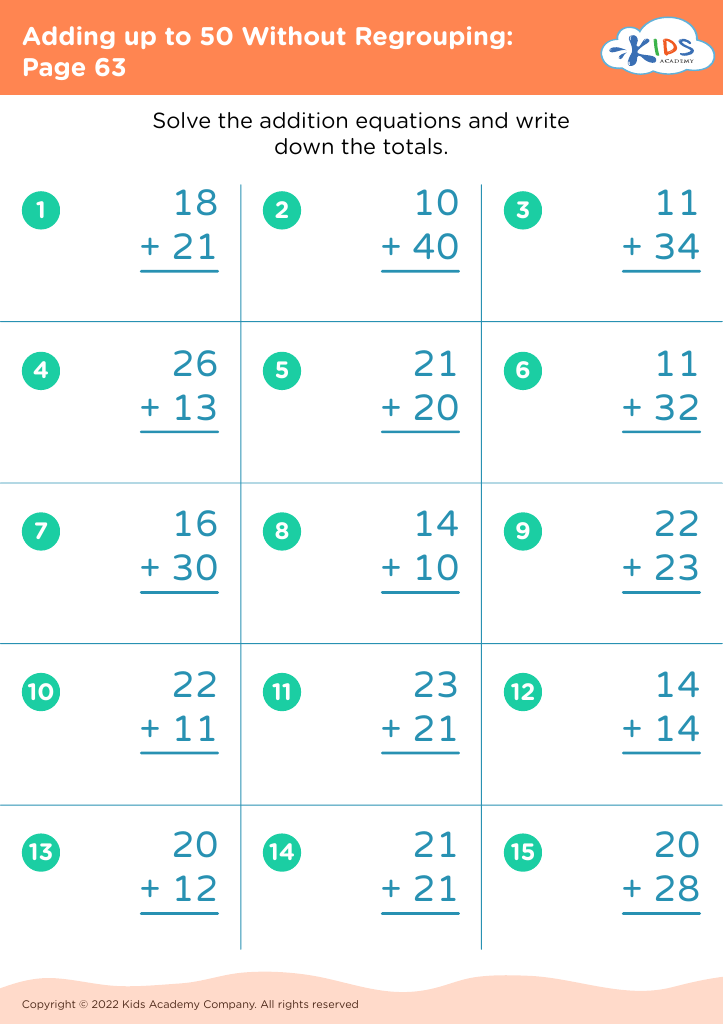
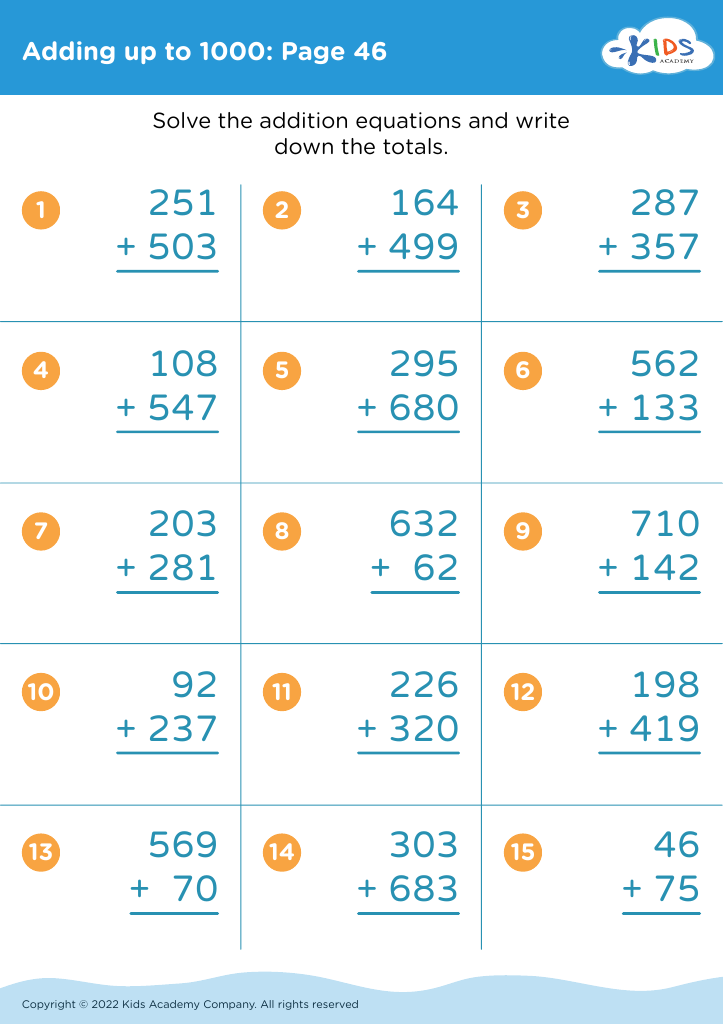
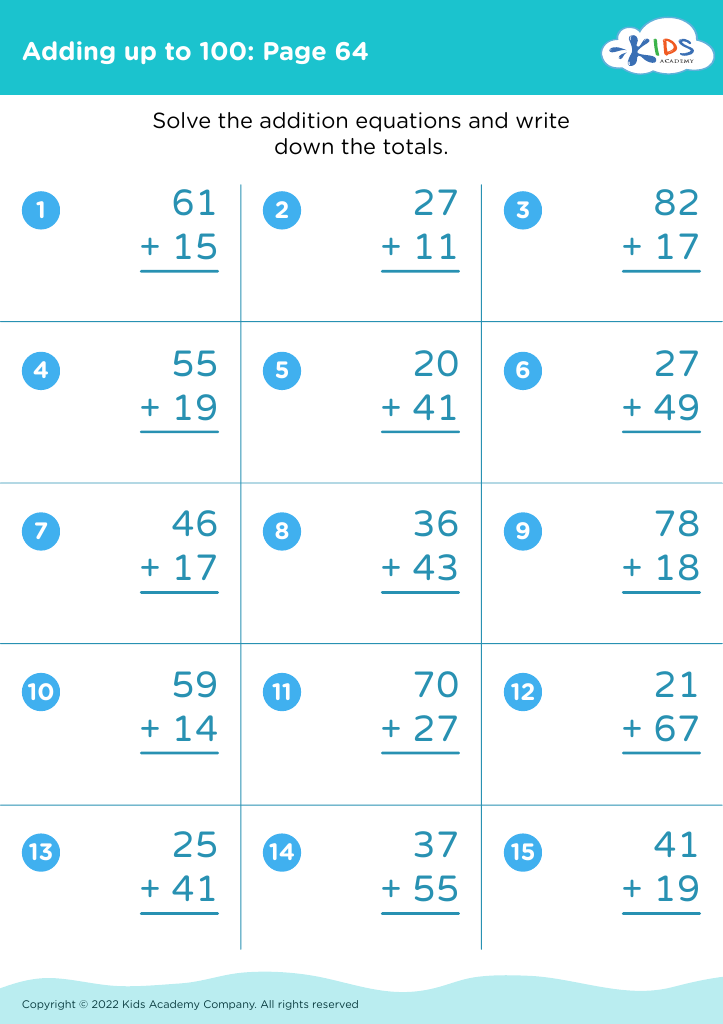
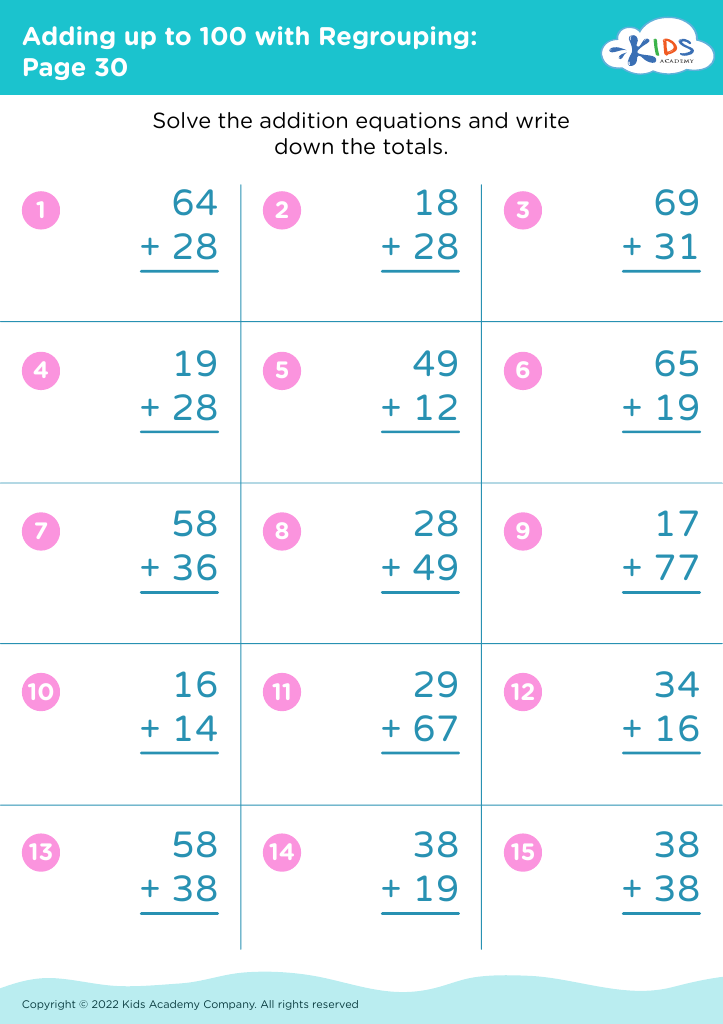
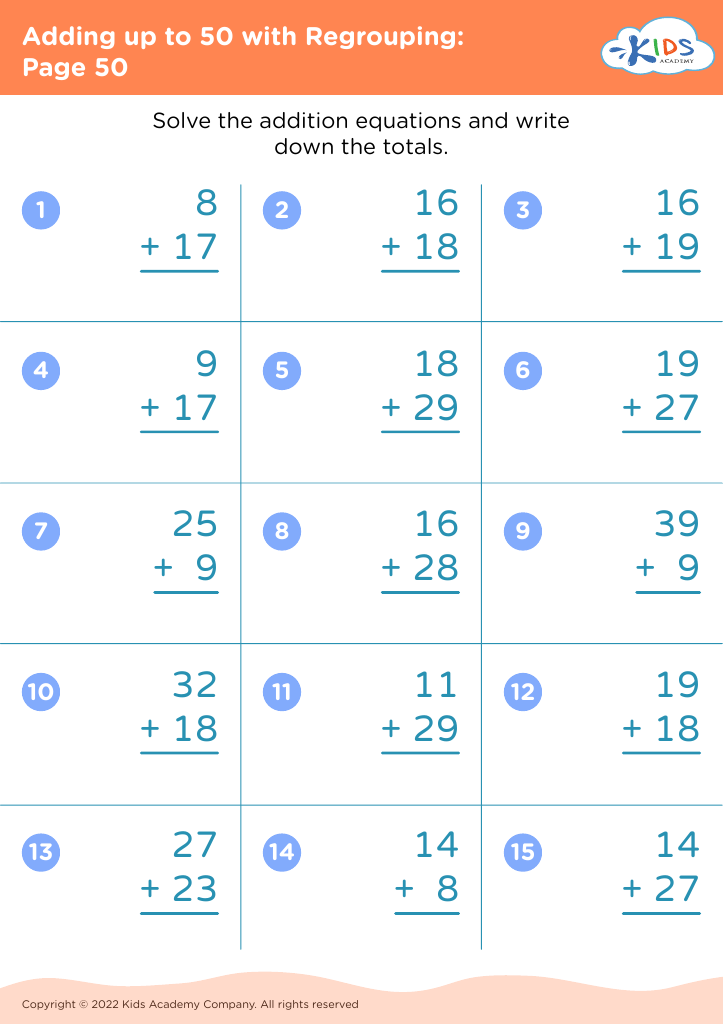
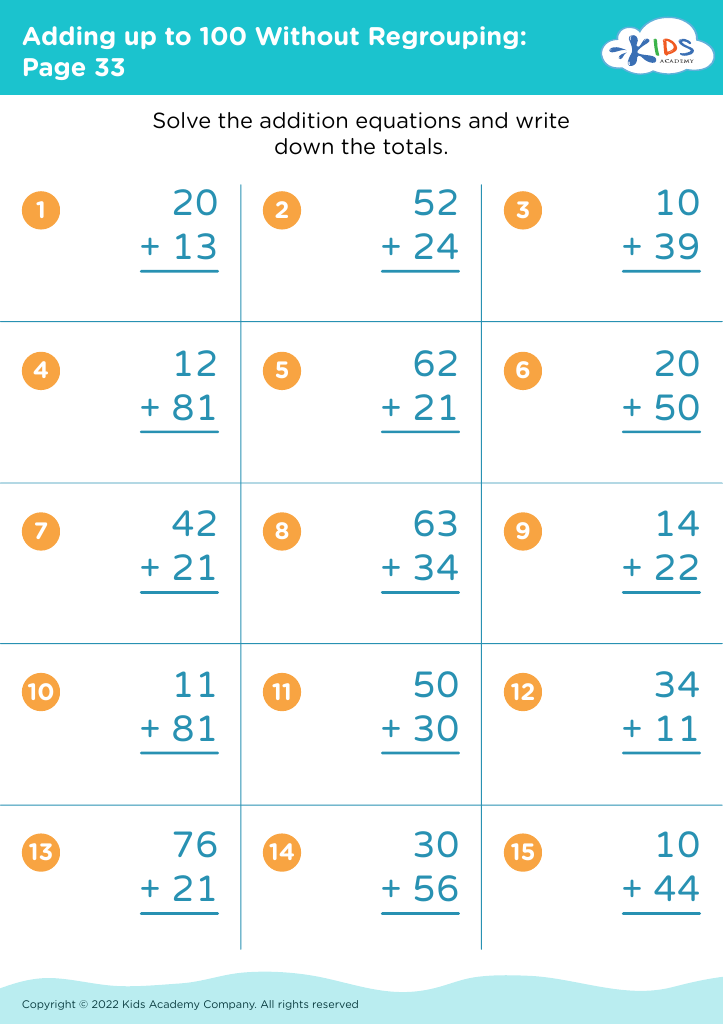
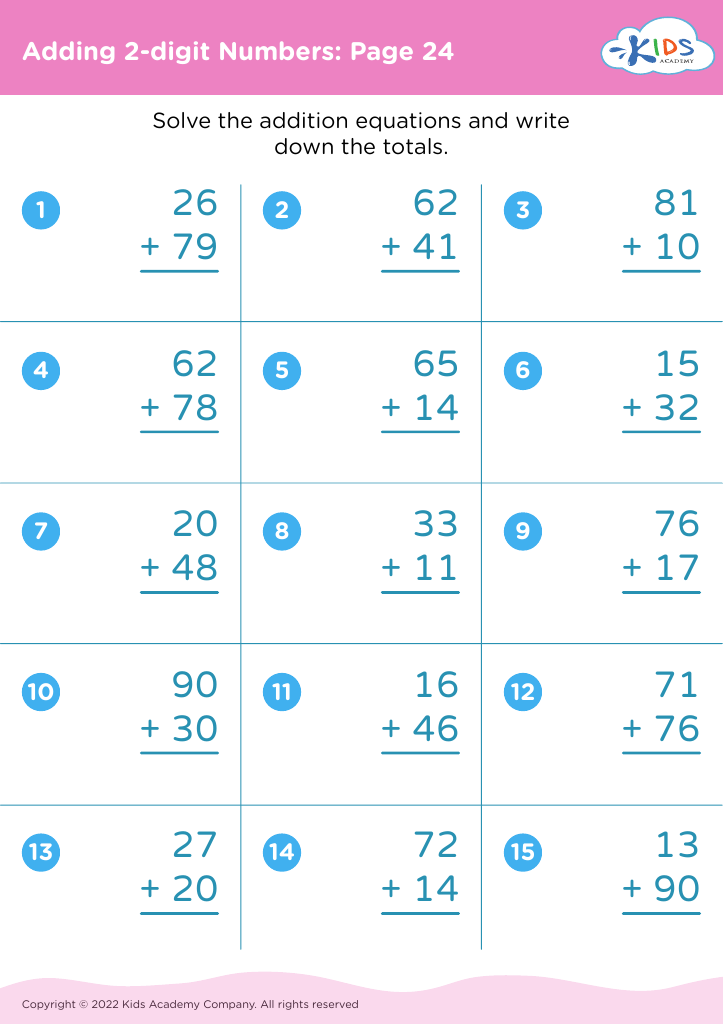
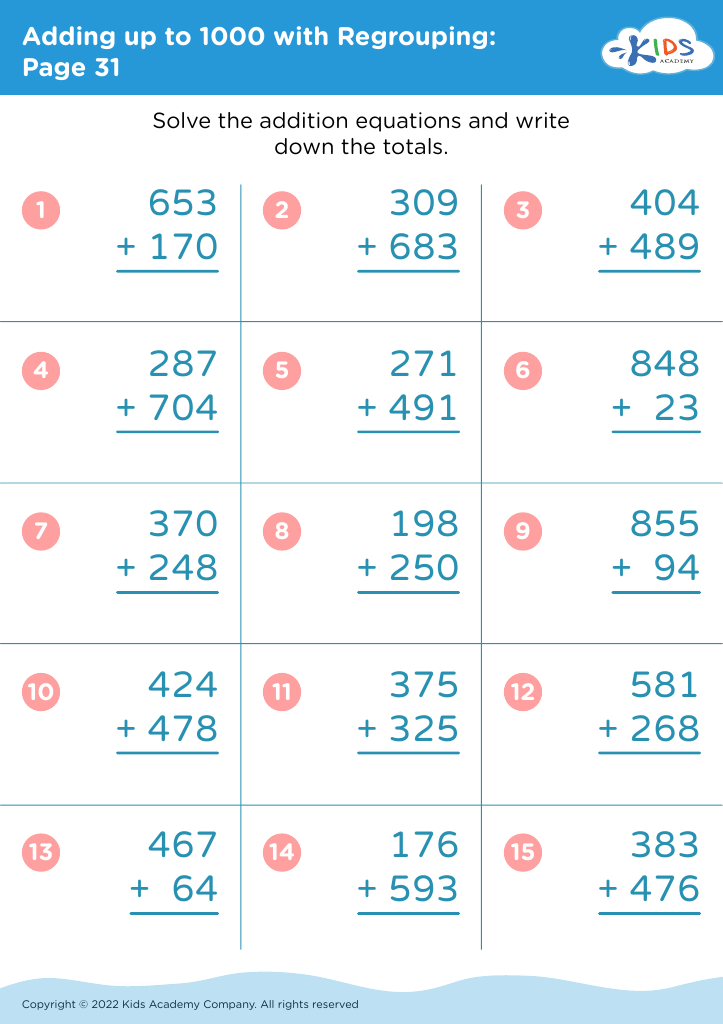
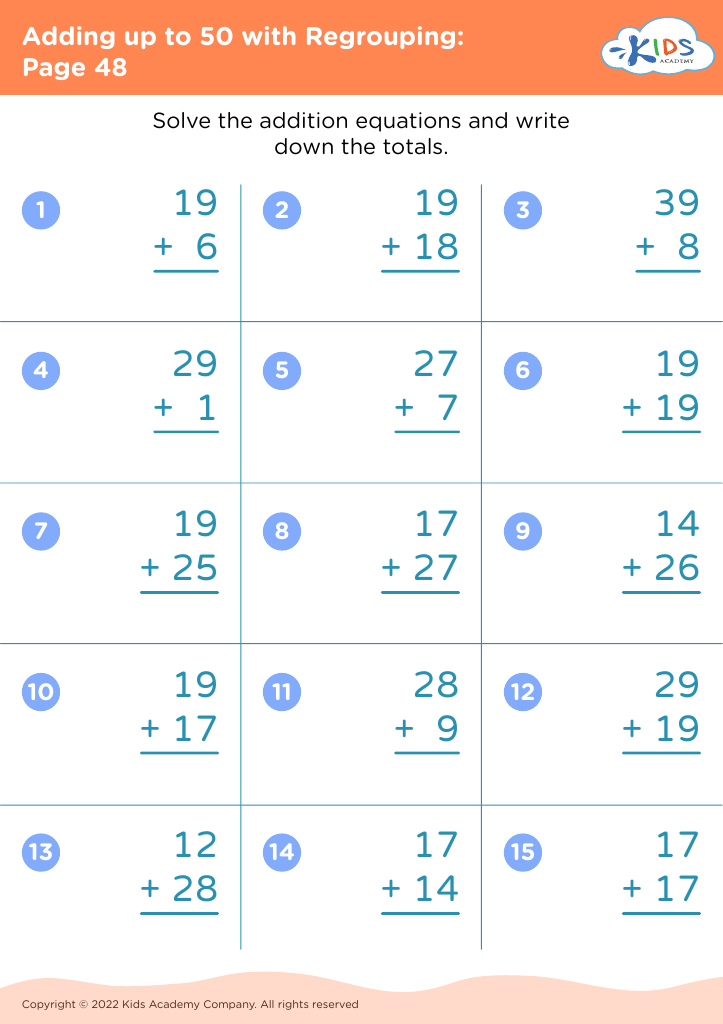
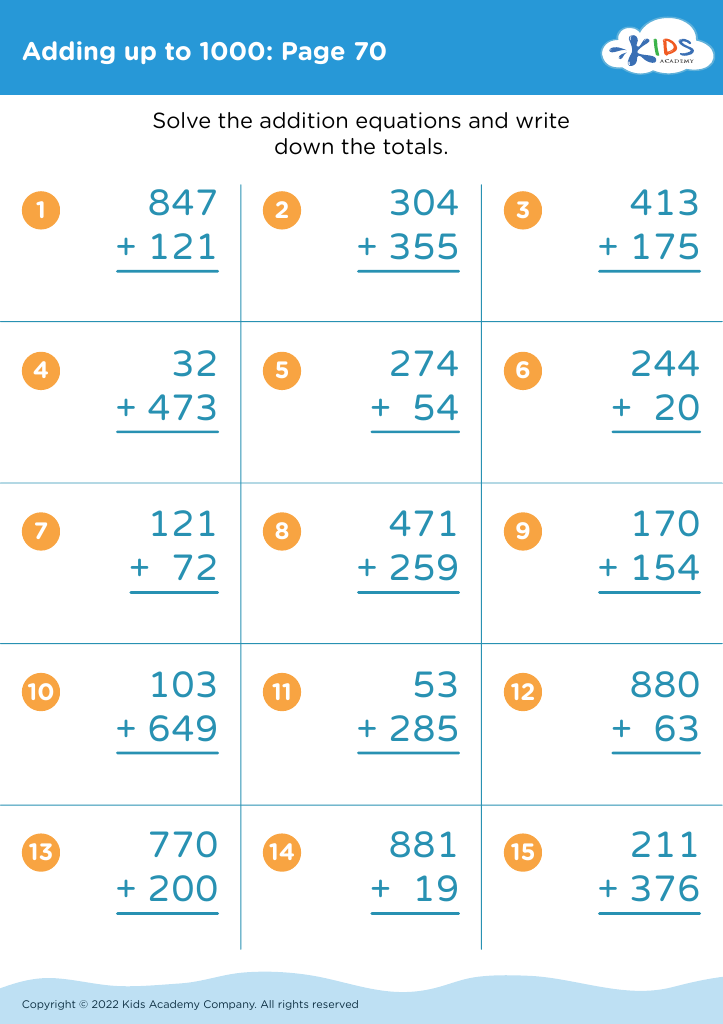
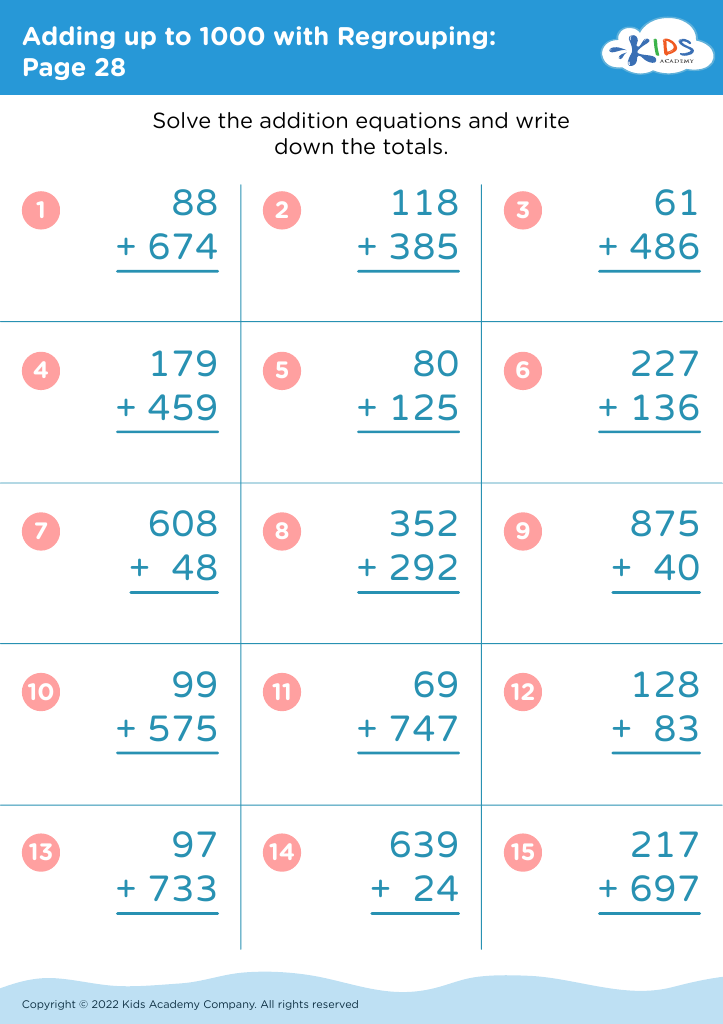
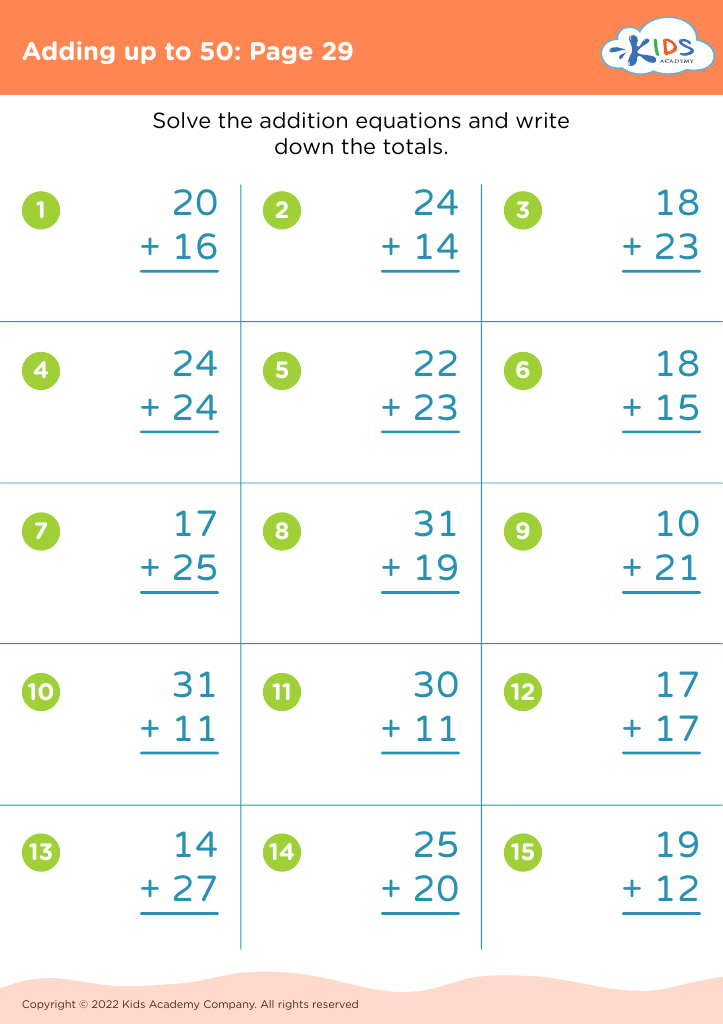
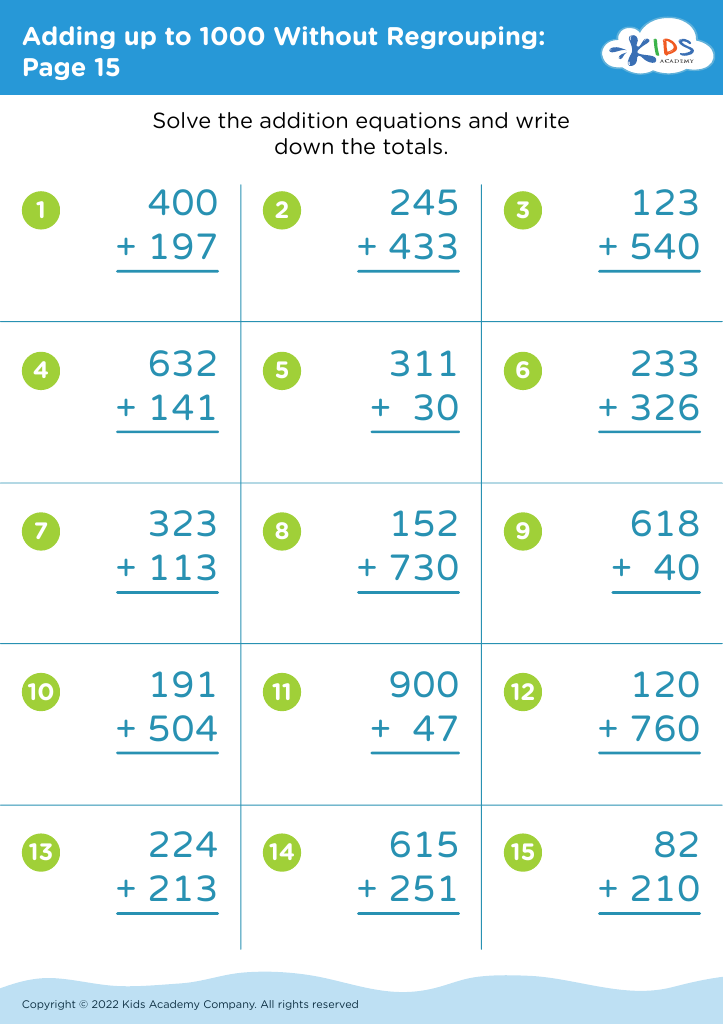
Boost your child's math skills with our engaging Fraction Addition and Subtraction Worksheets, designed specifically for ages 5-7! These worksheets introduce young learners to the concept of fractions in a fun and interactive way, making math enjoyable. Through colorful illustrations and relatable scenarios, children will practice adding and subtracting fractions with like denominators, enhancing their understanding of this essential math skill. Our carefully crafted exercises cater to various learning styles, ensuring each child develops confidence in their mathematical abilities. Perfect for at-home learning or classroom use, these worksheets will support your child's journey towards math mastery. Explore and download today!
Favorites
With answer key
Interactive
Join Kids Academy for Free
Who is primarily going to use this learning content?








Understanding fraction addition and subtraction is crucial for children aged 5-7, as it lays the foundation for more advanced mathematical concepts they will encounter later. At this age, children are developing their problem-solving skills and abilities to think critically. Learning fractions introduces them to the idea of parts of a whole, enhancing their understanding of division and basic arithmetic.
Parents and teachers should care because a solid grasp of fractions helps children understand everyday situations, such as sharing food, measuring ingredients, or dividing a space equally. Engaging with fractions also promotes cognitive development, as it encourages patterns, ratios, and an appreciation for relations between numbers. Furthermore, mastering these basic skills fosters confidence, making children more resilient mathematicians.
Incorporating fun, hands-on activities—like using visual aids or fractional games—can make learning about fractions enjoyable and relatable. When children experience success with these concepts, it boosts their enthusiasm for learning and enhances their overall academic performance. Ultimately, fostering an early comprehension of fraction addition and subtraction sets the stage for future math success, positively influencing their educational journey and everyday problem-solving abilities.








