Boost your child's math skills with our "Fraction Comparison, Addition & Subtraction Worksheets" tailored for ages 5-7. These playful and engaging printables introduce young learners to basic fraction concepts through fun activities and colorful designs. Children will practice comparing fractions, as well as simple addition and subtraction, laying a strong foundational understanding. Perfect for classroom use or at-home enrichment, these worksheets ensure that your kids develop critical thinking and problem-solving skills in a joyful manner. Download our high-quality, educational worksheets today to support your child’s math journey!
Check out this FREE Trial Lesson on Addition & Subtraction for age 5-7!

X

Favorites
With answer key
Interactive
  • 5-7
  • Fraction comparison
  • Addition & Subtraction
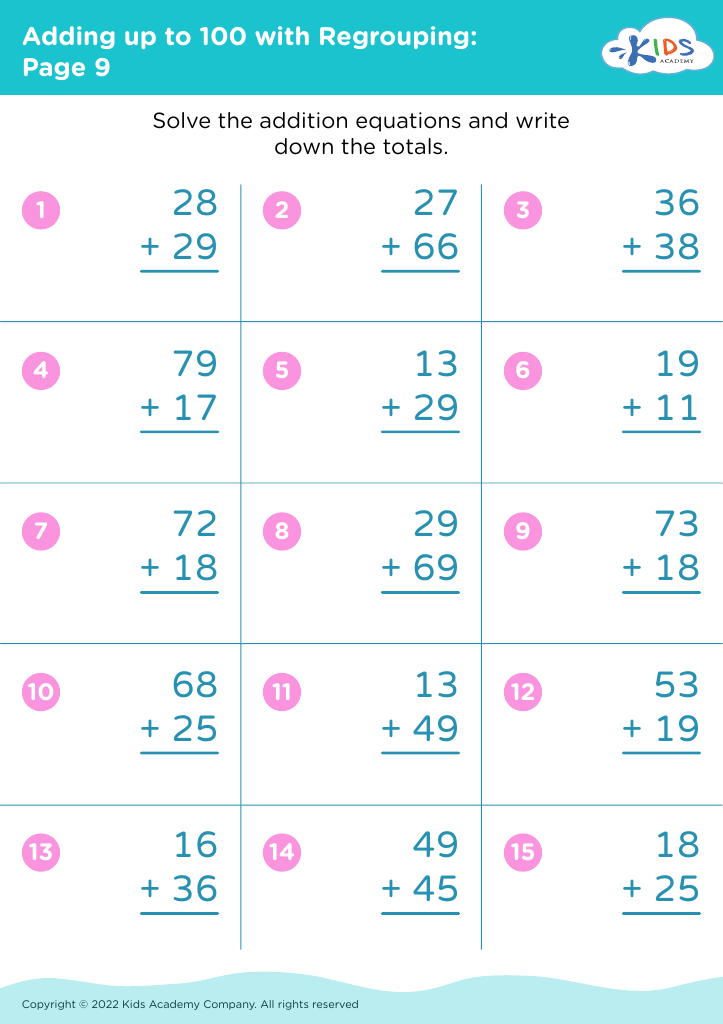
Adding up to 100 with Regrouping: Page 9
Worksheet
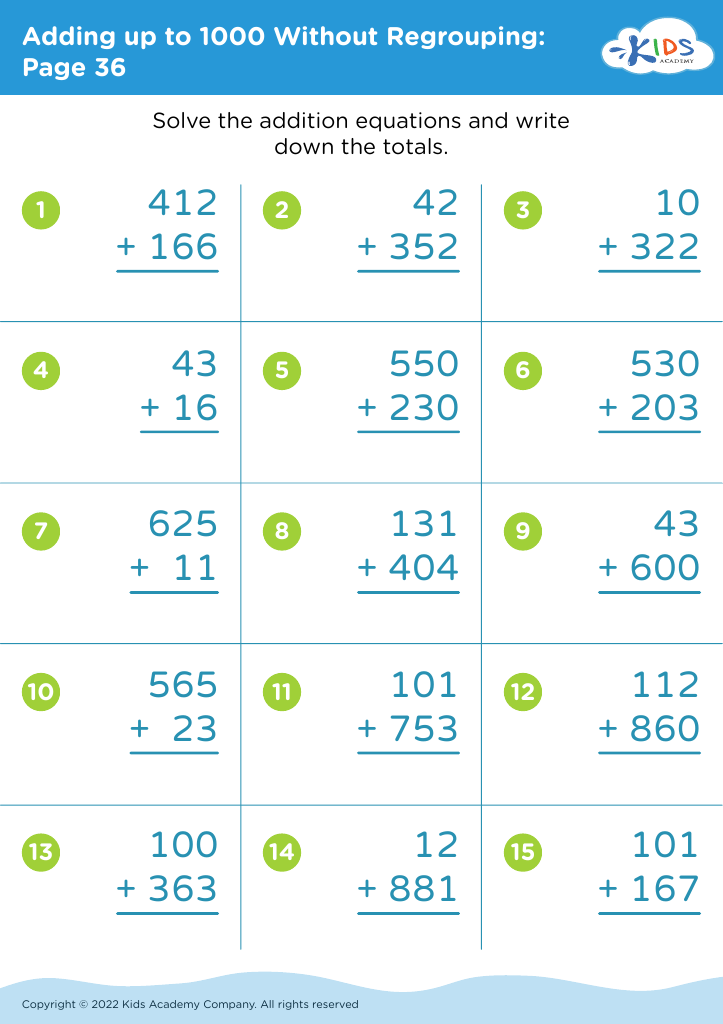
Adding up to 1000 Without Regrouping: Page 36
Worksheet
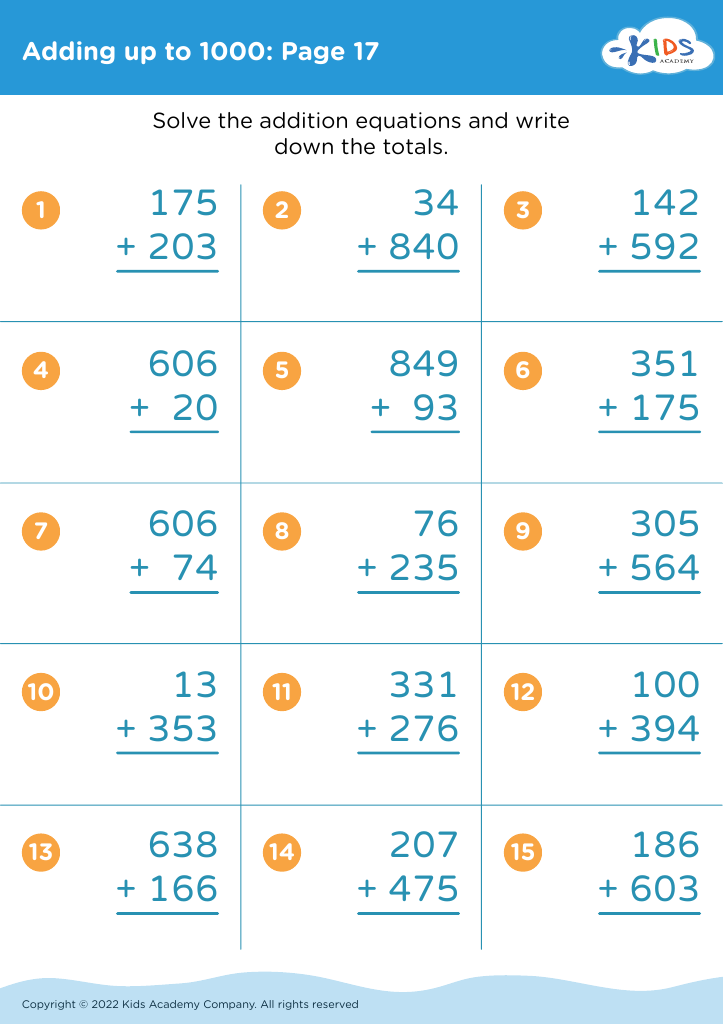
Adding up to 1000: Page 17

Adding up to 1000: Page 17

Adding up to 1000: Page 17
Worksheet
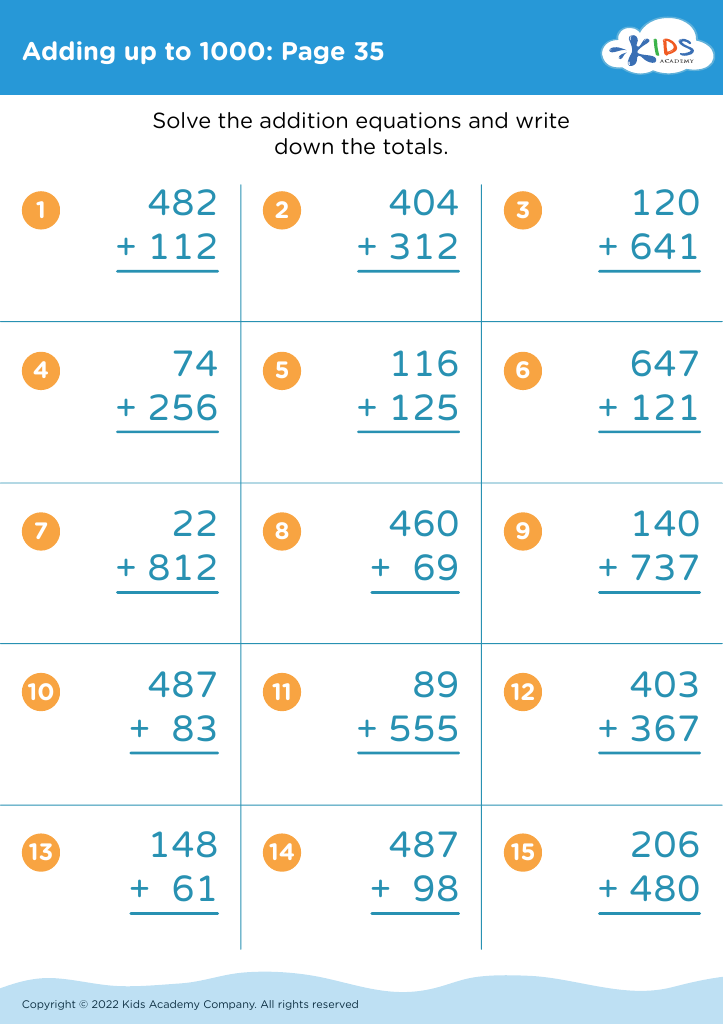
Adding up to 1000: Page 35

Adding up to 1000: Page 35

Adding up to 1000: Page 35
Worksheet
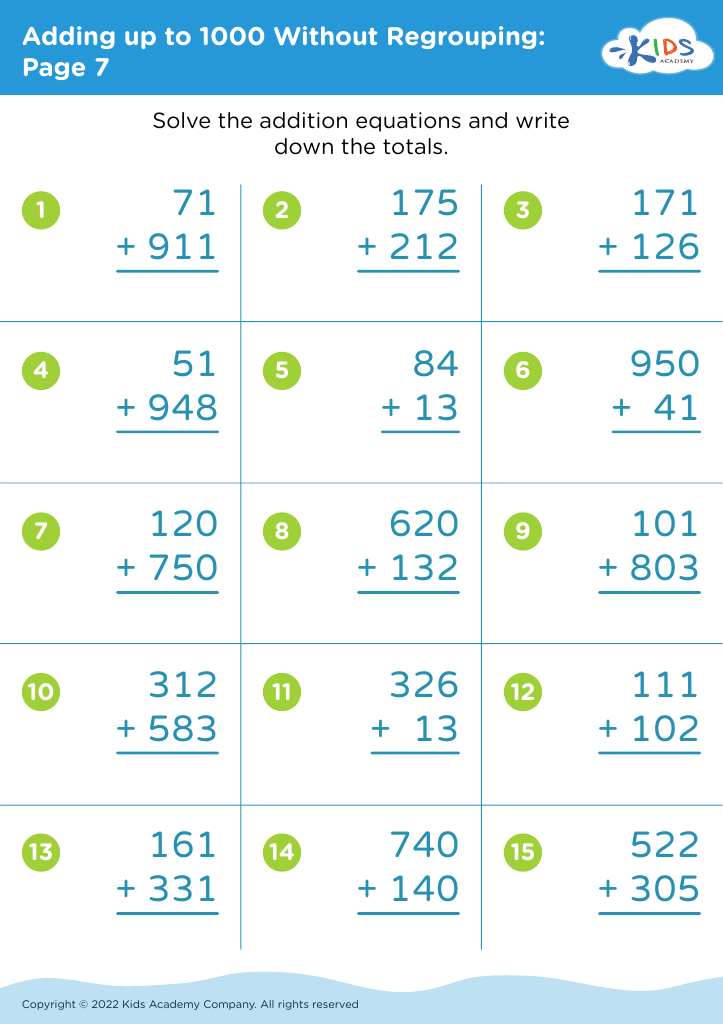
Adding up to 1000 Without Regrouping: Page 7
Worksheet
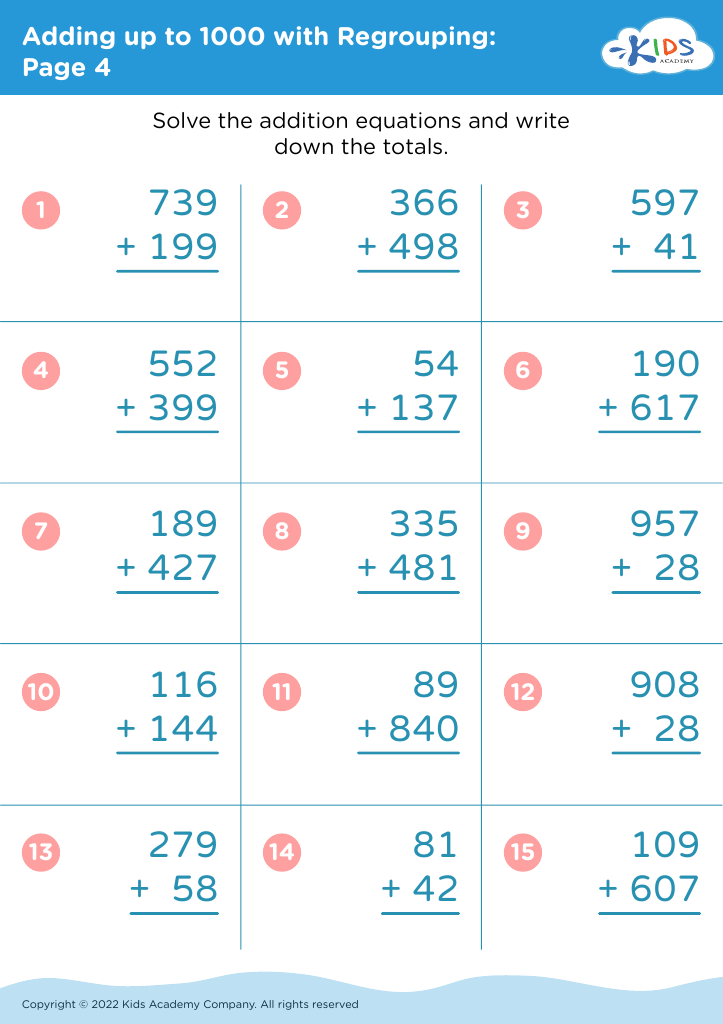
Adding up to 1000 with Regrouping: Page 4
Worksheet
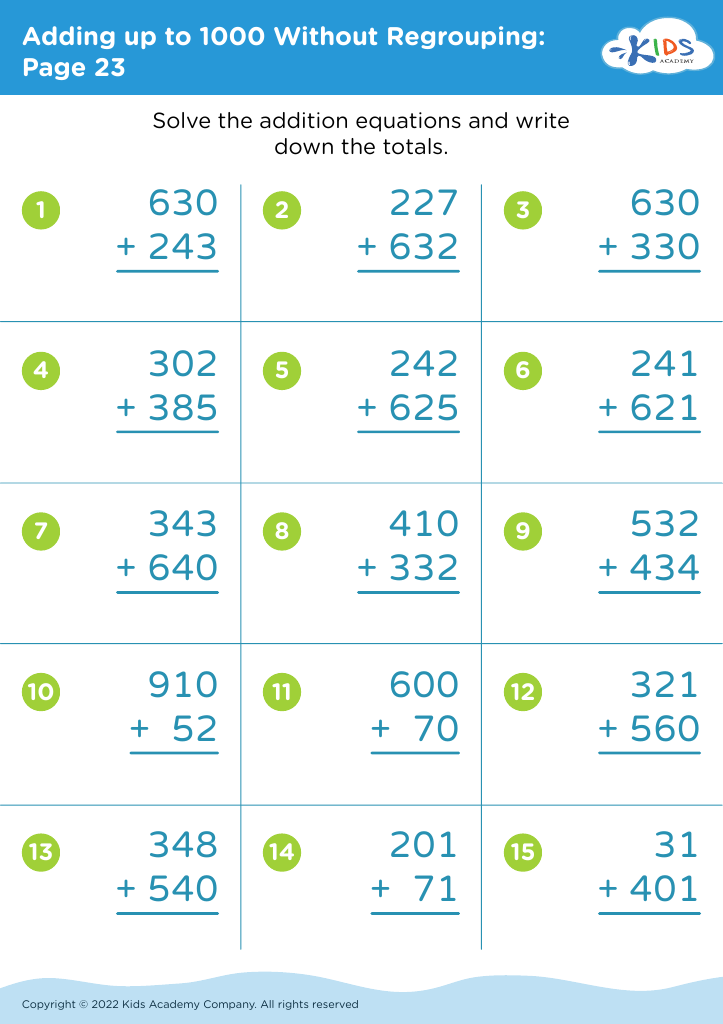
Adding up to 1000 Without Regrouping: Page 23
Worksheet
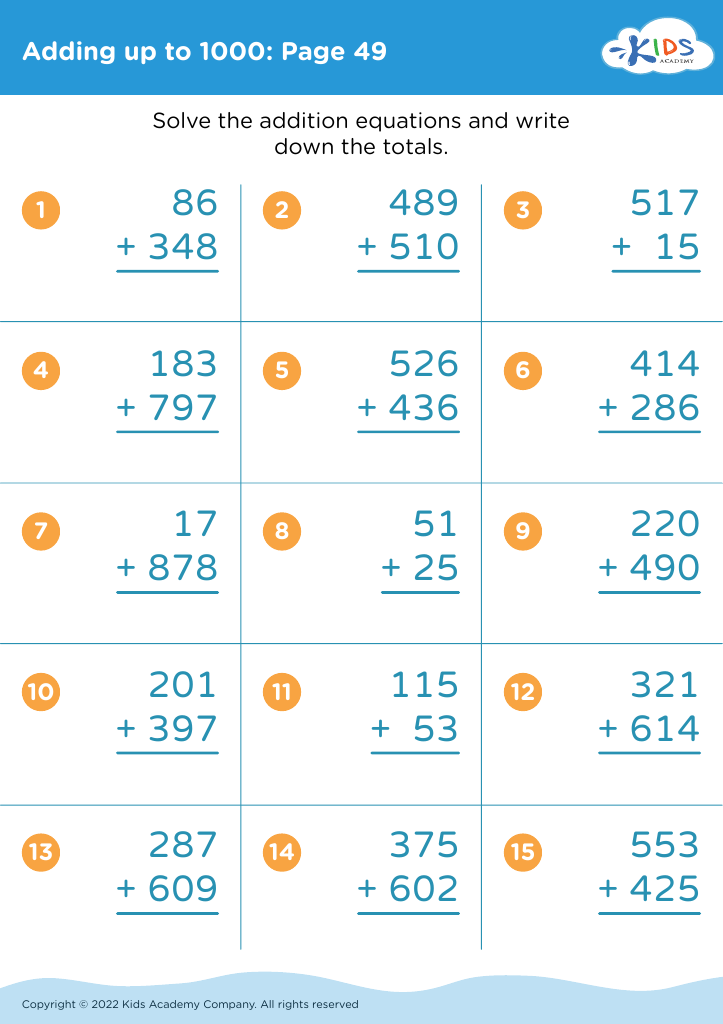
Adding up to 1000: Page 49

Adding up to 1000: Page 49

Adding up to 1000: Page 49
Worksheet
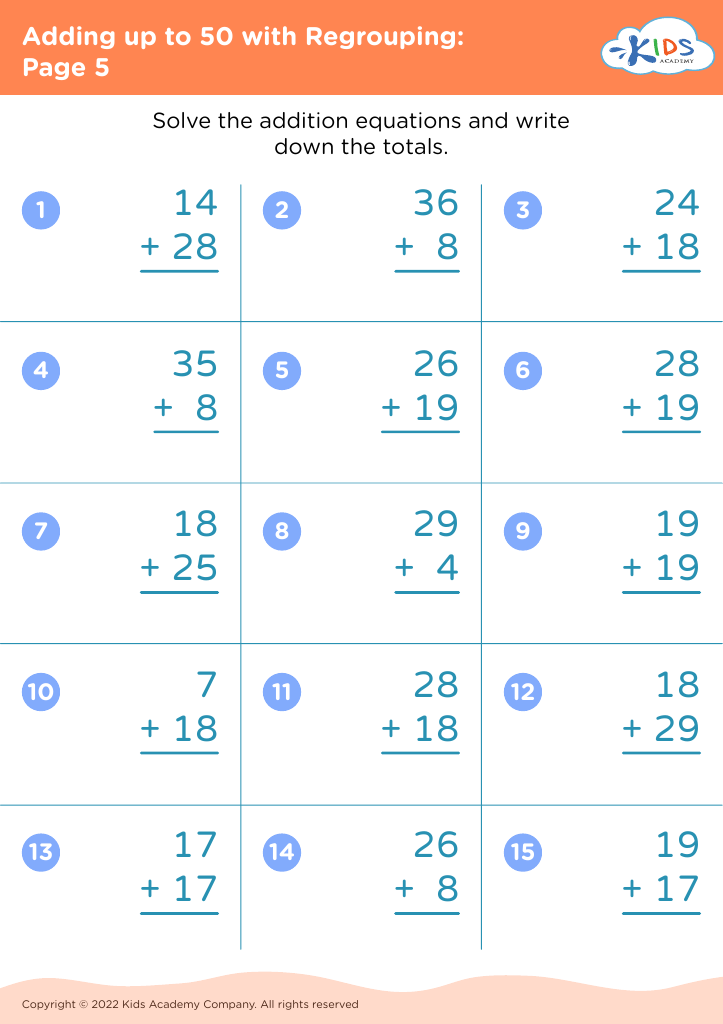
Adding up to 50 with Regrouping: Page 5
Worksheet
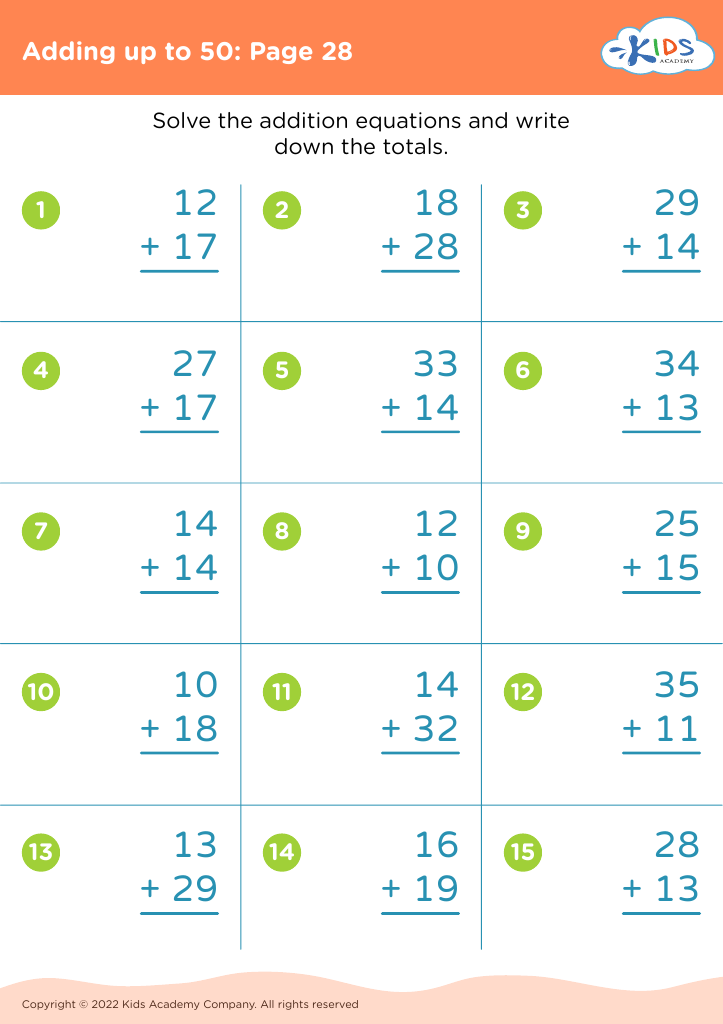
Adding up to 50: Page 28

Adding up to 50: Page 28

Adding up to 50: Page 28
Worksheet
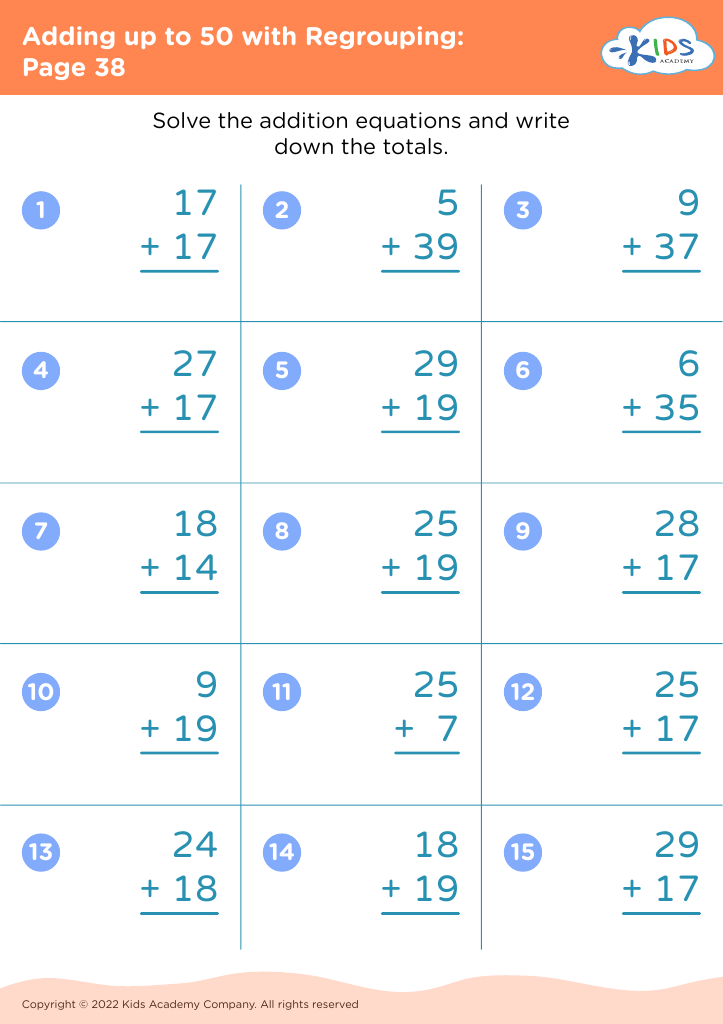
Adding up to 50 with Regrouping: Page 38
Worksheet
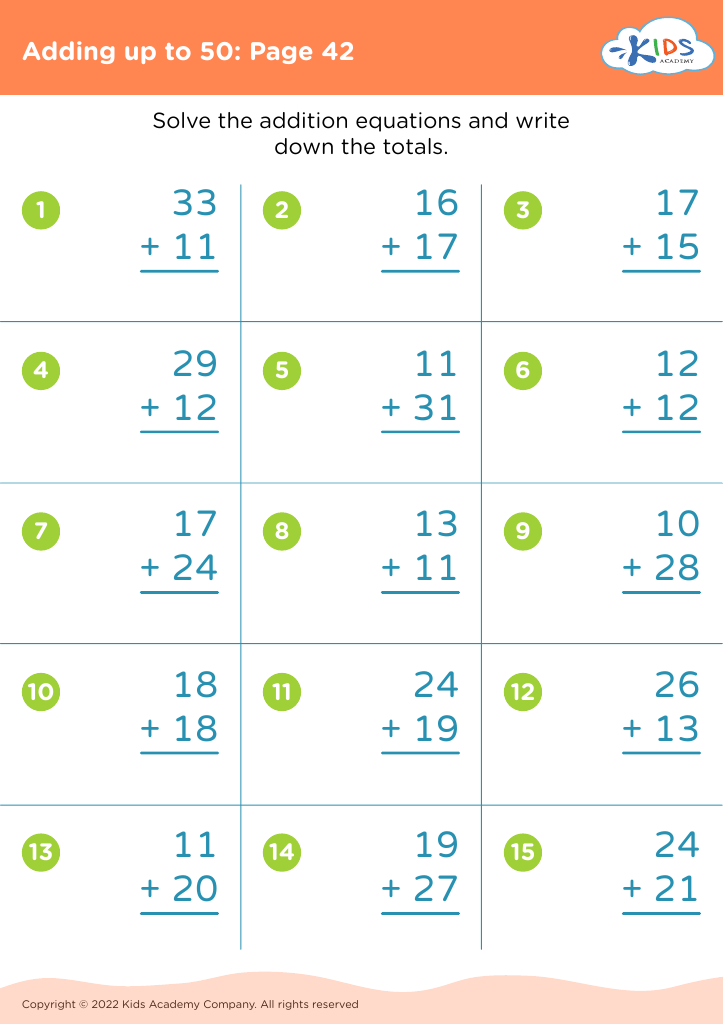
Adding up to 50: Page 42

Adding up to 50: Page 42

Adding up to 50: Page 42
Worksheet
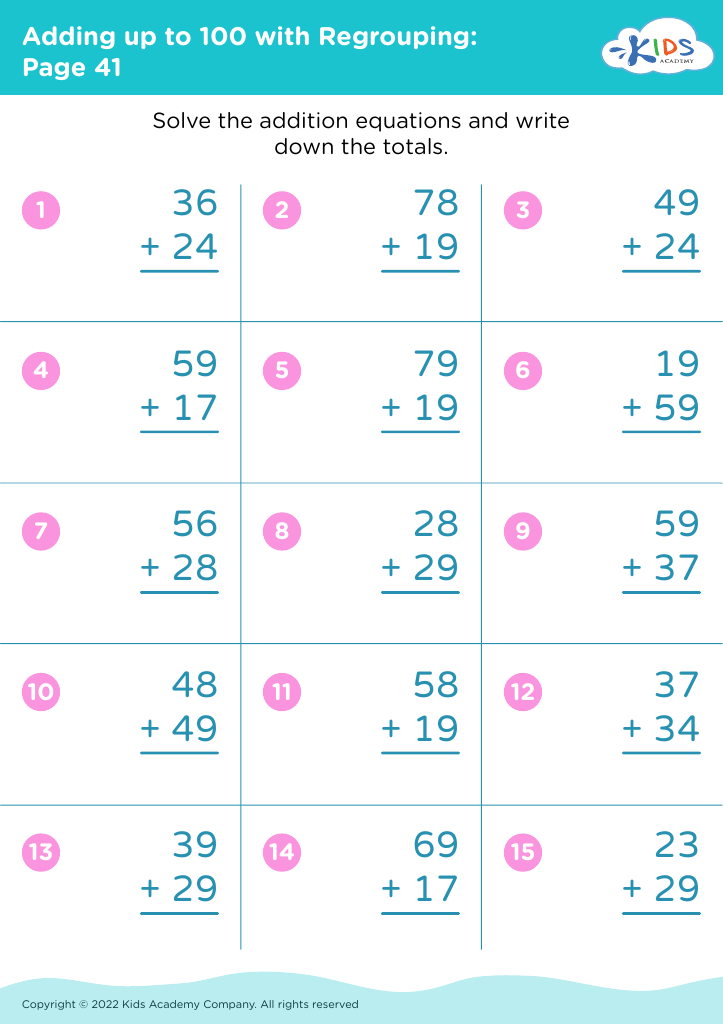
Adding up to 100 with Regrouping: Page 41
Worksheet
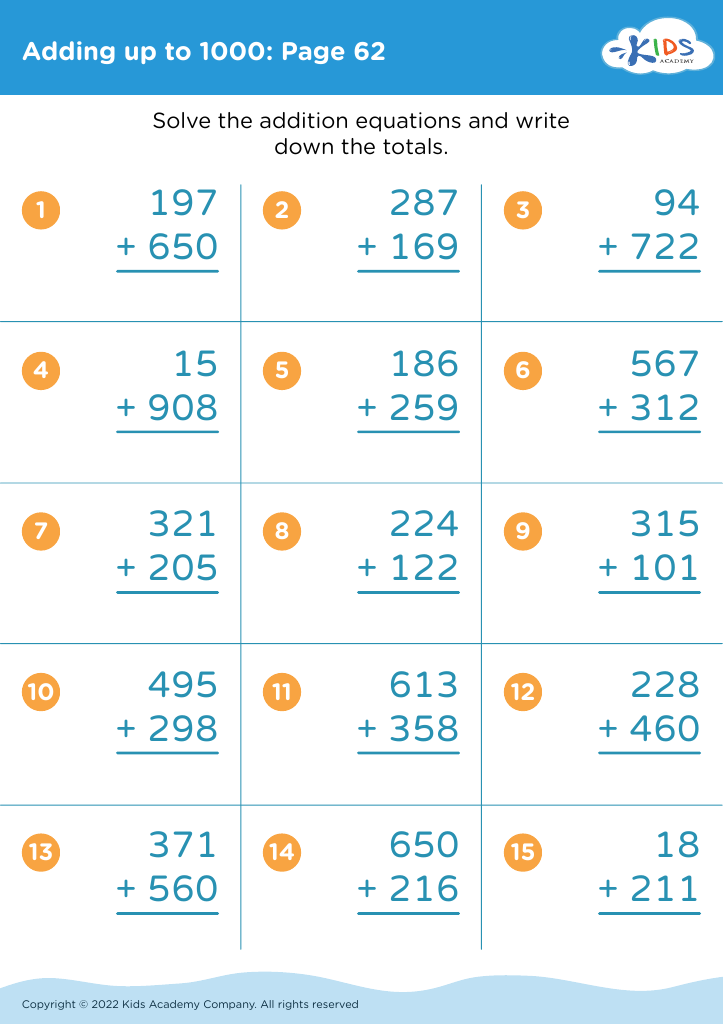
Adding up to 1000: Page 62

Adding up to 1000: Page 62

Adding up to 1000: Page 62
Worksheet
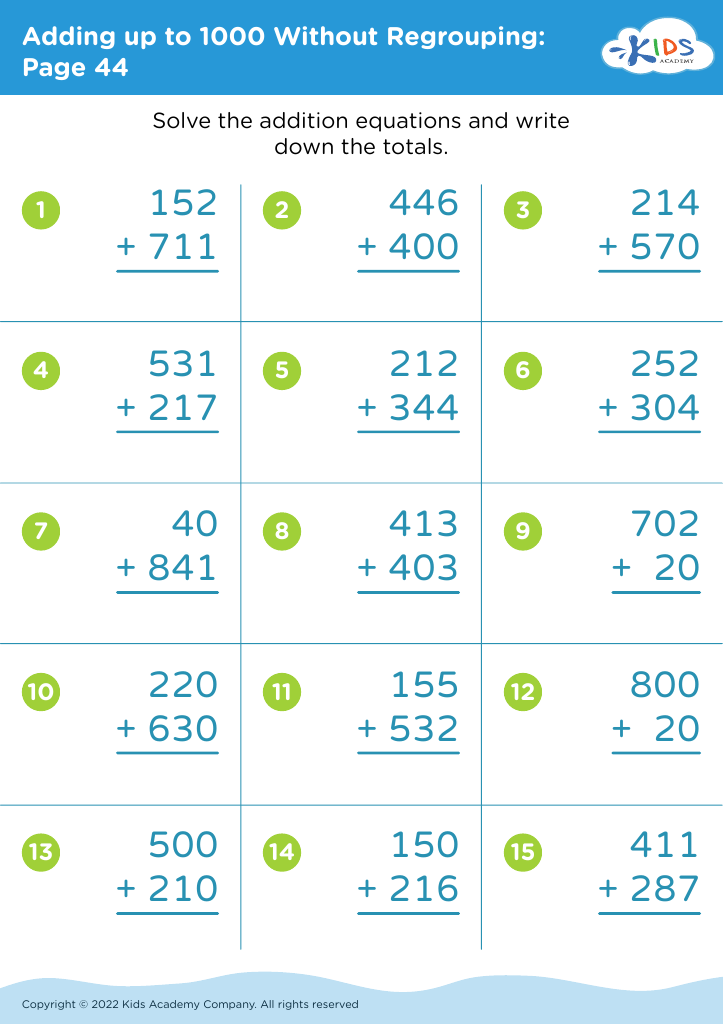
Adding up to 1000 Without Regrouping: Page 44
Worksheet
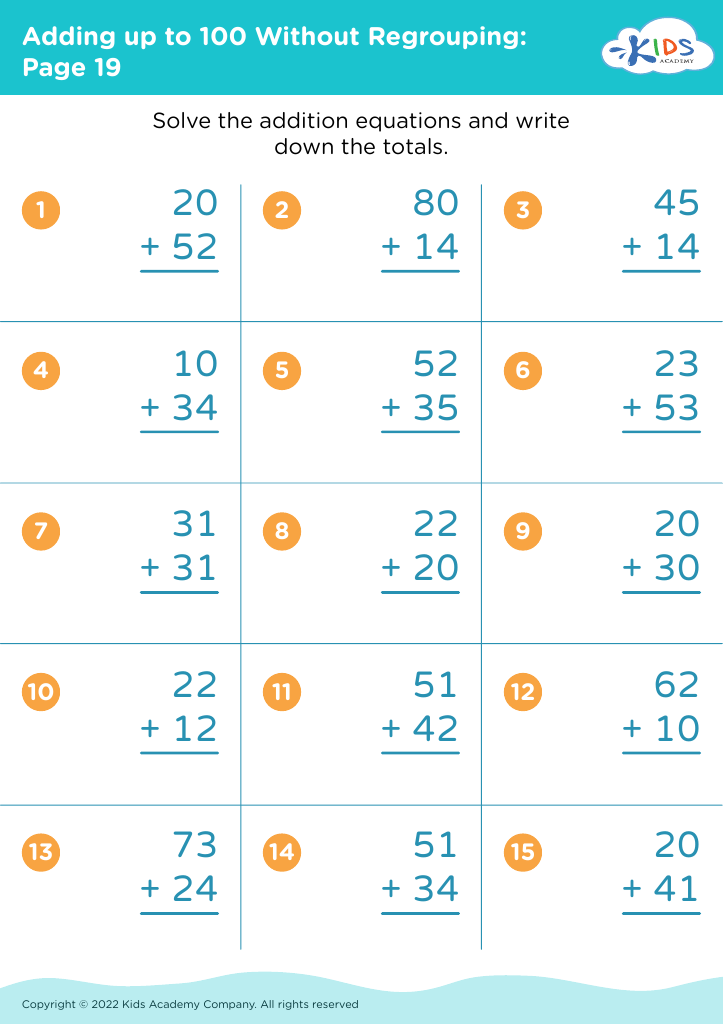
Adding up to 100 Without Regrouping: Page 19
Worksheet
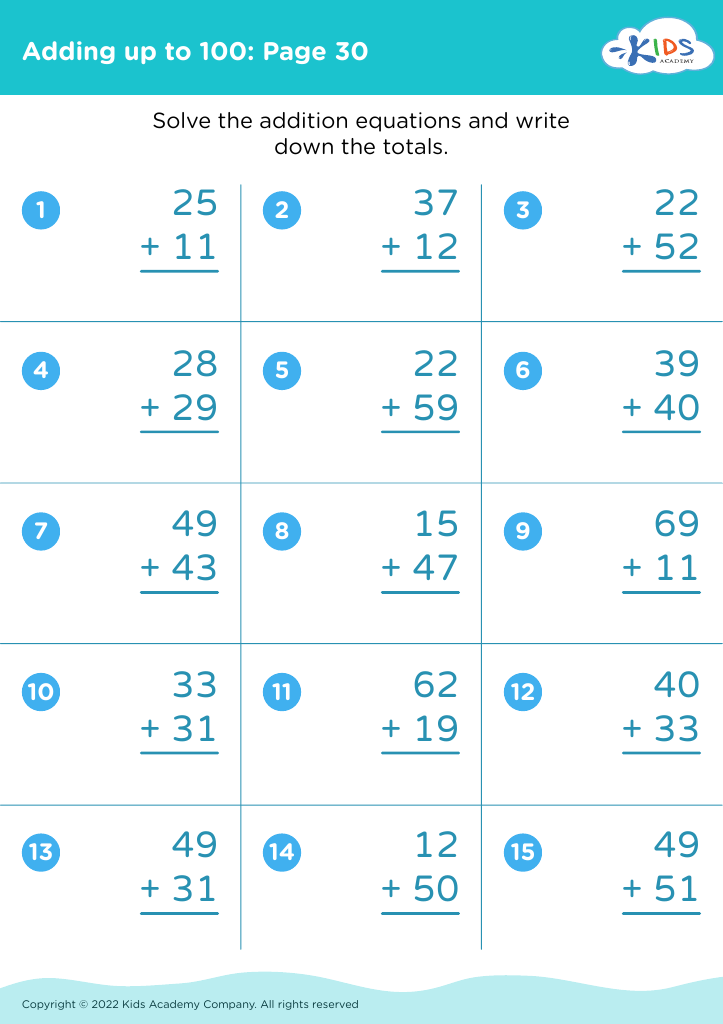
Adding up to 100: Page 30

Adding up to 100: Page 30

Adding up to 100: Page 30
Worksheet
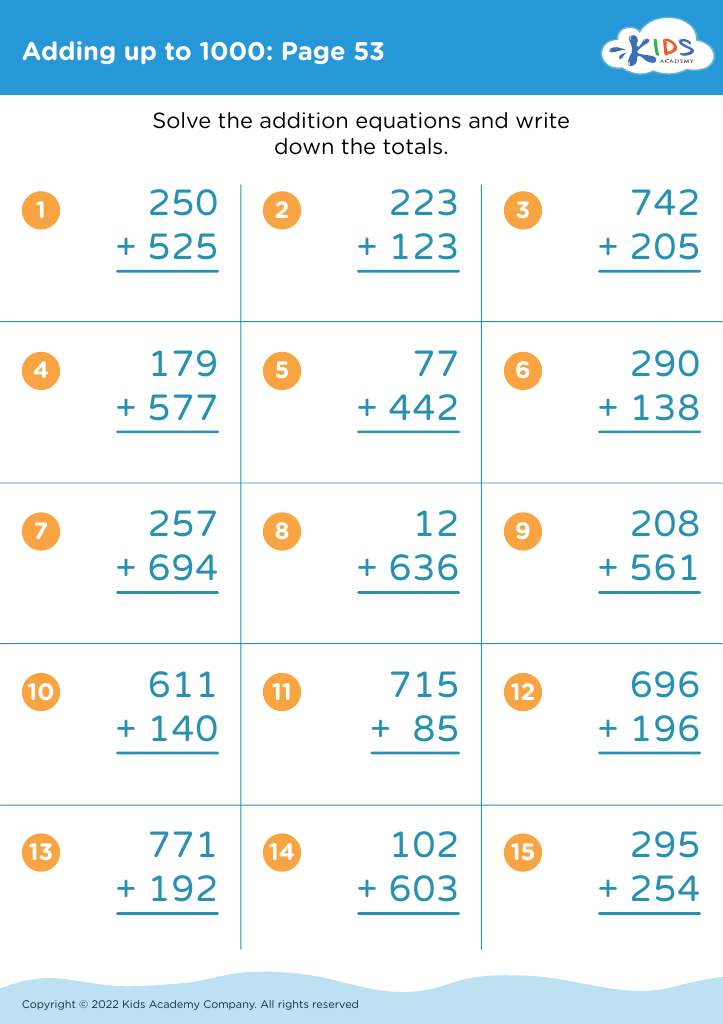
Adding up to 1000: Page 53

Adding up to 1000: Page 53

Adding up to 1000: Page 53
Worksheet
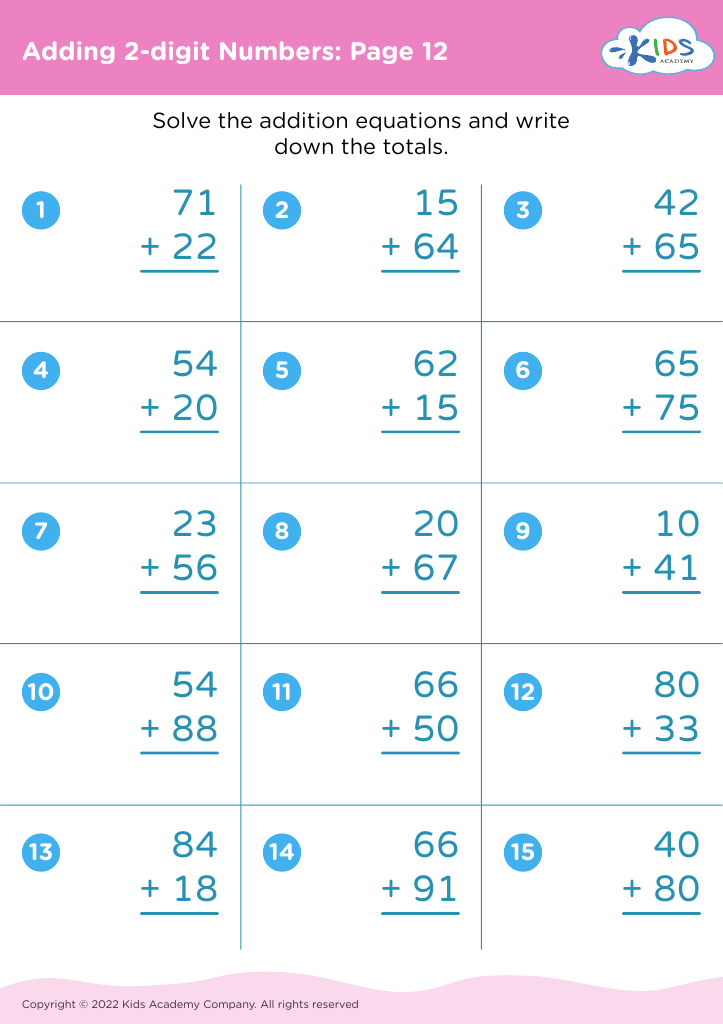
Adding 2-digit Numbers: Page 12

Adding 2-digit Numbers: Page 12

Adding 2-digit Numbers: Page 12
Worksheet
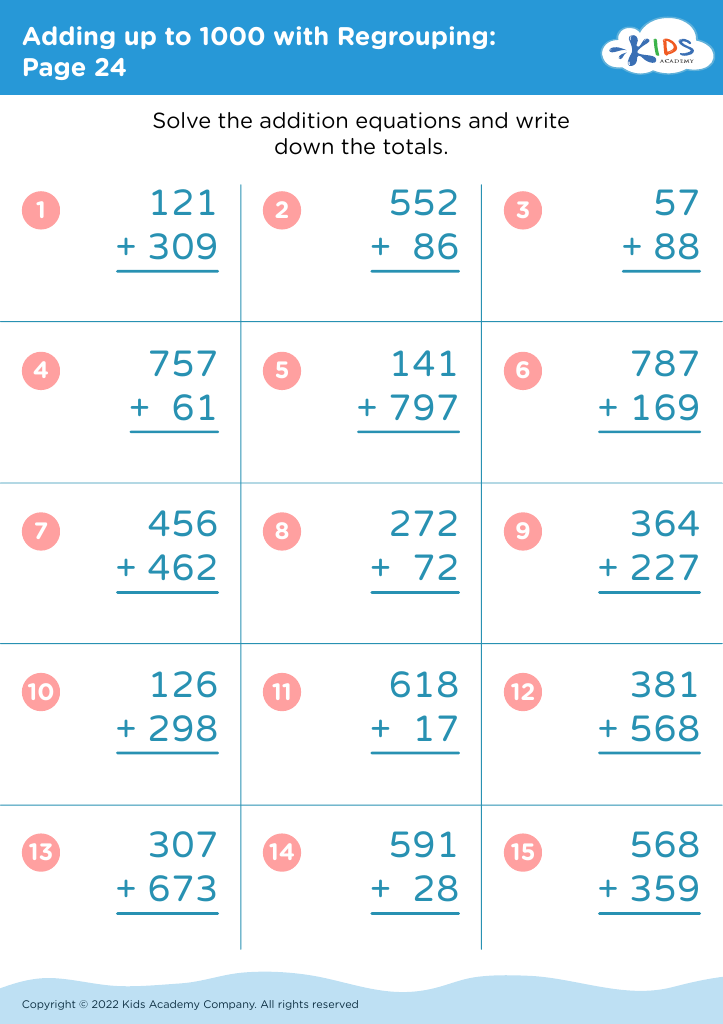
Adding up to 1000 with Regrouping: Page 24
Worksheet
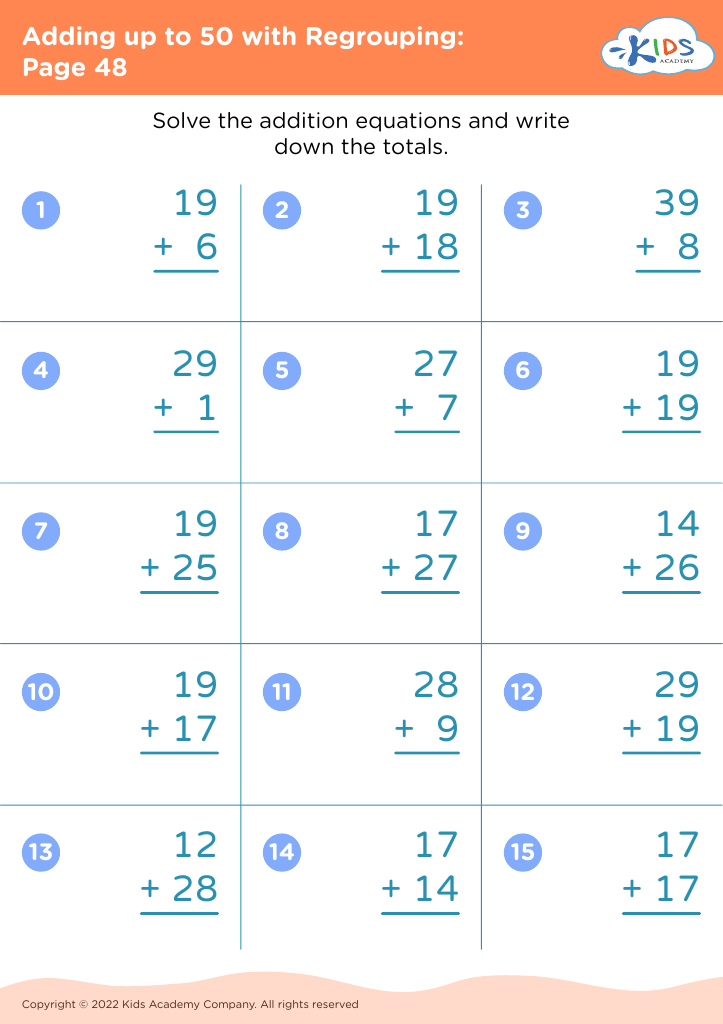
Adding up to 50 with Regrouping: Page 48
Worksheet
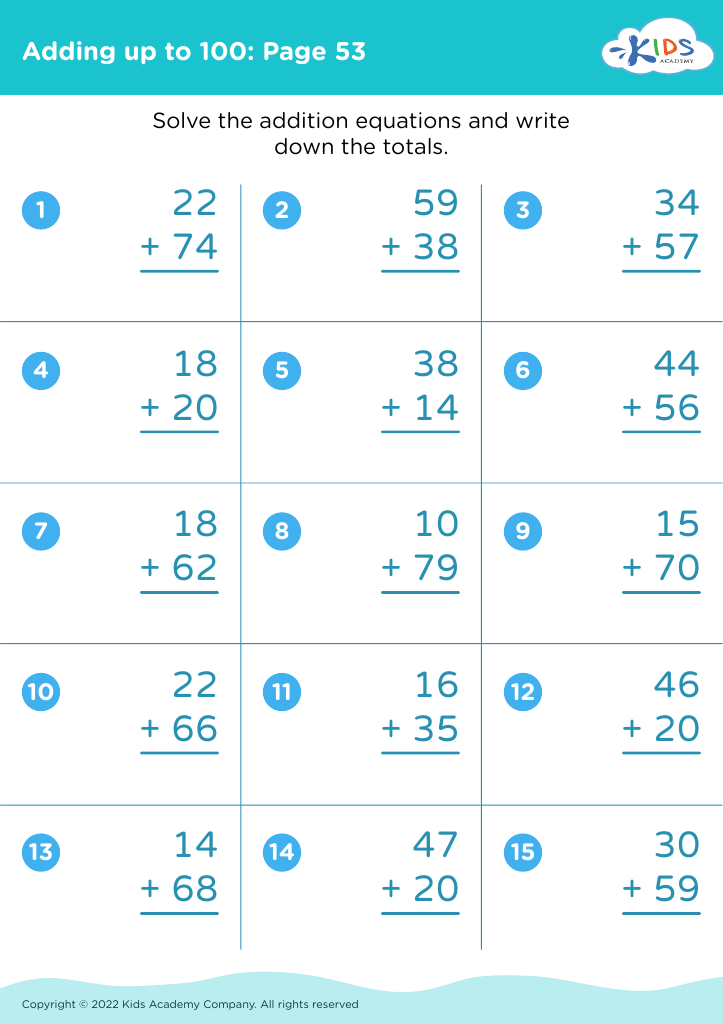
Adding up to 100: Page 53

Adding up to 100: Page 53

Adding up to 100: Page 53
Worksheet
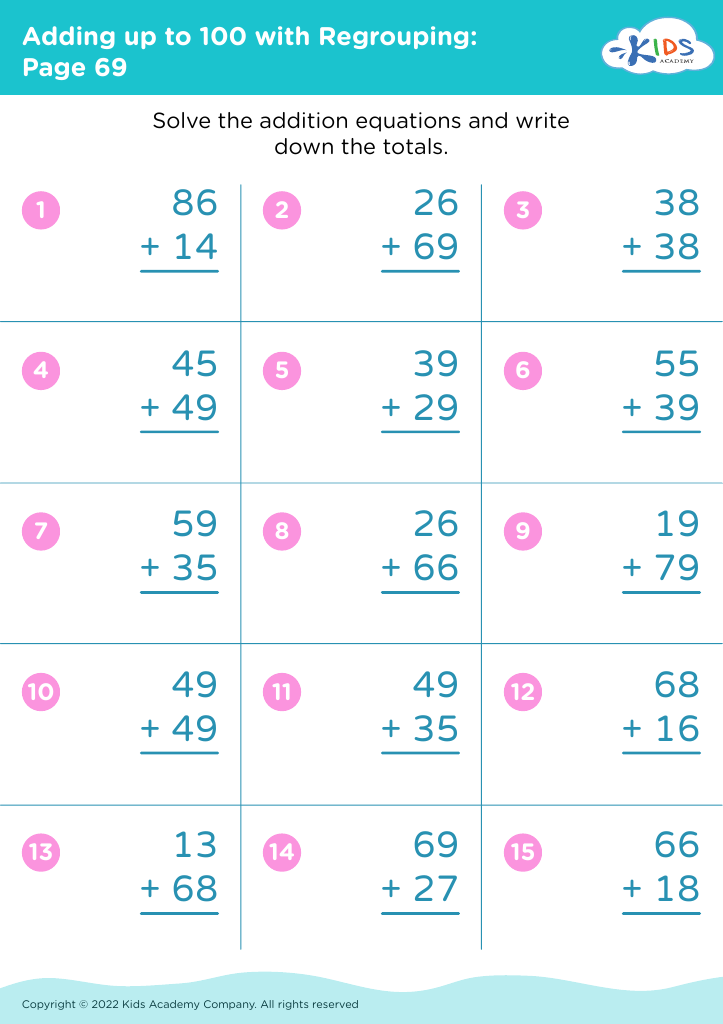
Adding up to 100 with Regrouping: Page 69
Worksheet
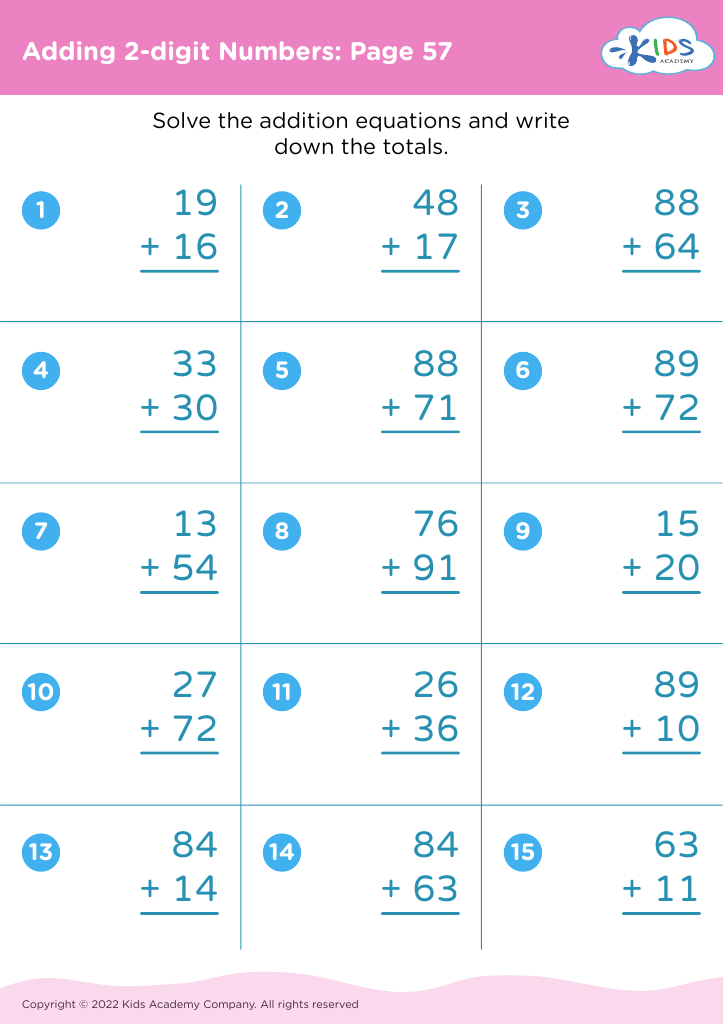
Adding 2-digit Numbers: Page 57

Adding 2-digit Numbers: Page 57

Adding 2-digit Numbers: Page 57
Worksheet


Understanding fraction comparison, addition, and subtraction at an early age lays a critical foundation for a child's mathematical development. For parents and teachers of children aged 5-7, instilling these concepts fosters numeracy skills that are essential for future mathematics learning. Although young children may not yet encounter fractions in formal lessons, early exposure through simple, relatable examples can make a significant difference.

When children grasp how to compare, add, and subtract simple fractions, like halves and quarters, they build a sense of how numbers work together. This comprehension boosts their ability to think logically and solve problems, skills valuable not only in math but across subjects and daily life tasks. For instance, understanding fractions helps in sharing, telling time, and even cooking.

Further, early familiarity with fractions can help reduce math anxiety. Children who face difficulties due to a lack of understanding foundational concepts often develop a negative attitude towards math as they advance in school. By introducing these ideas through fun activities, such as splitting a pizza into slices or combining different fractional parts in simple games, children learn intuitively and without pressure.

In essence, engaging young minds in fraction comparison, addition, and subtraction equips them with vital skills. It shapes confident, competent learners who are better prepared for the challenges of mathematics ahead.