
Handwriting practice Addition & Subtraction Worksheets for Ages 5-7
5 filtered results
Difficulty Level
Grade
Age
-
From - To
Subject
Activity
Standards
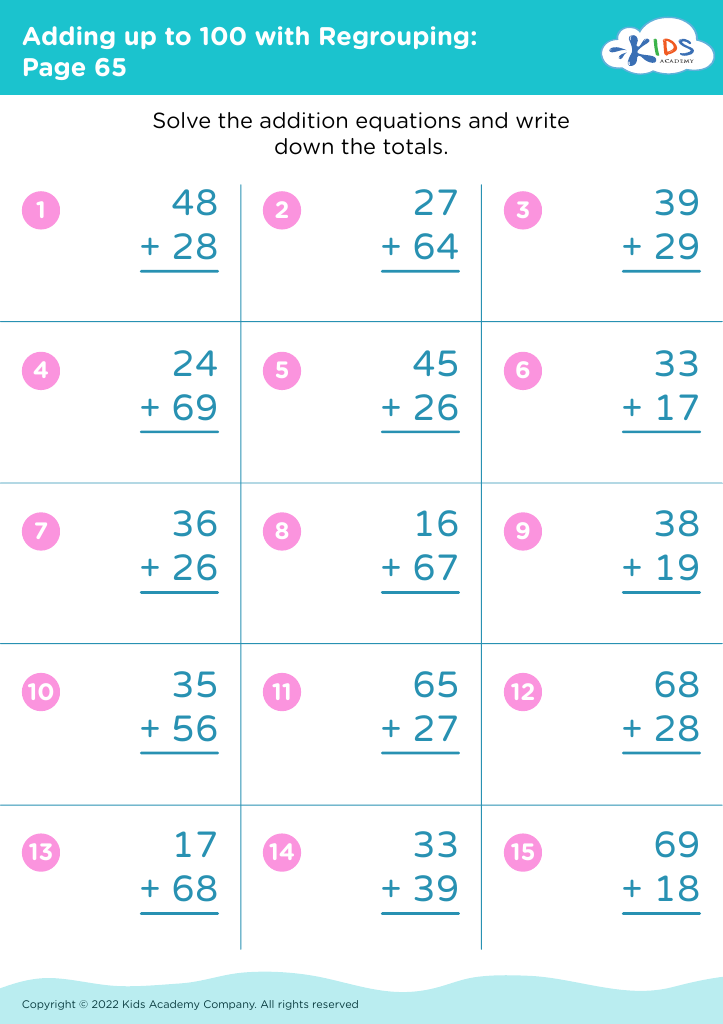
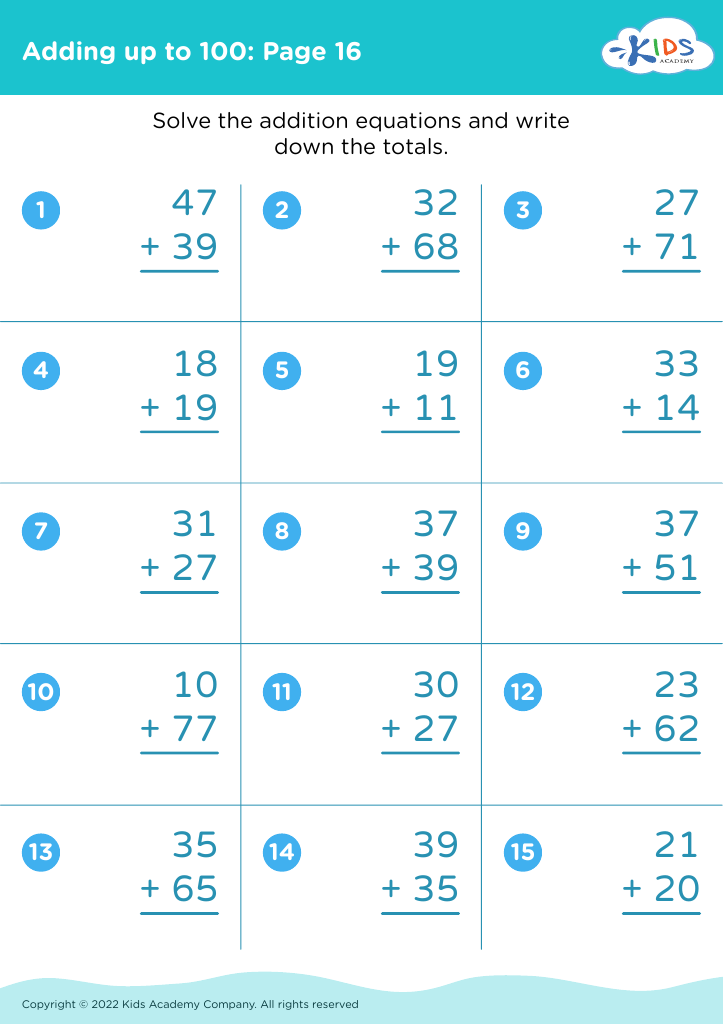
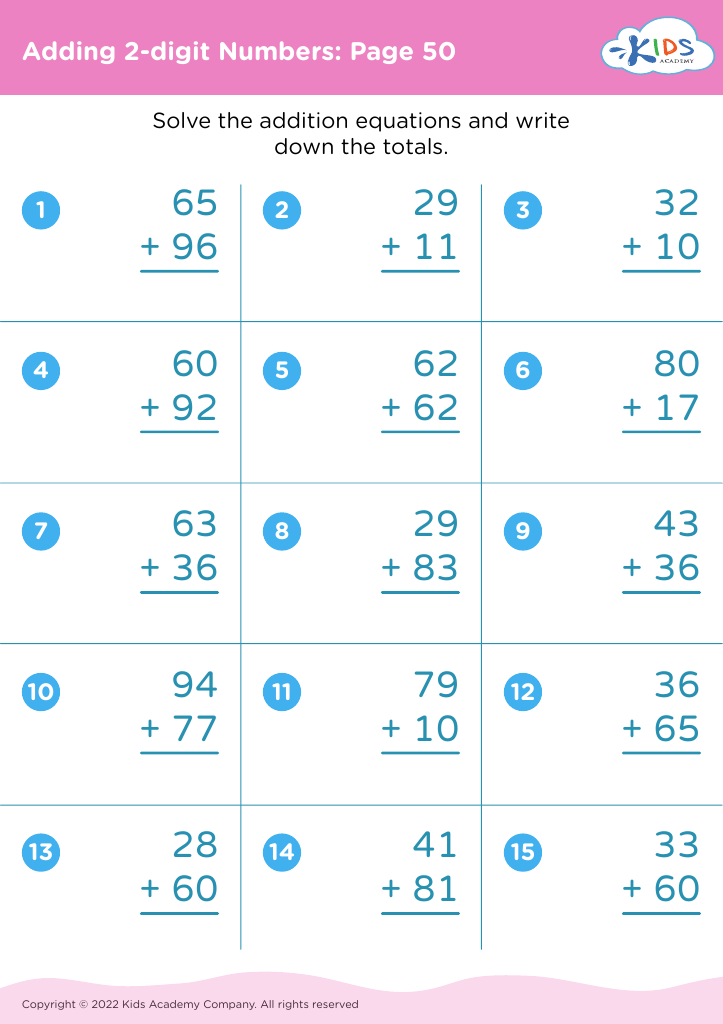
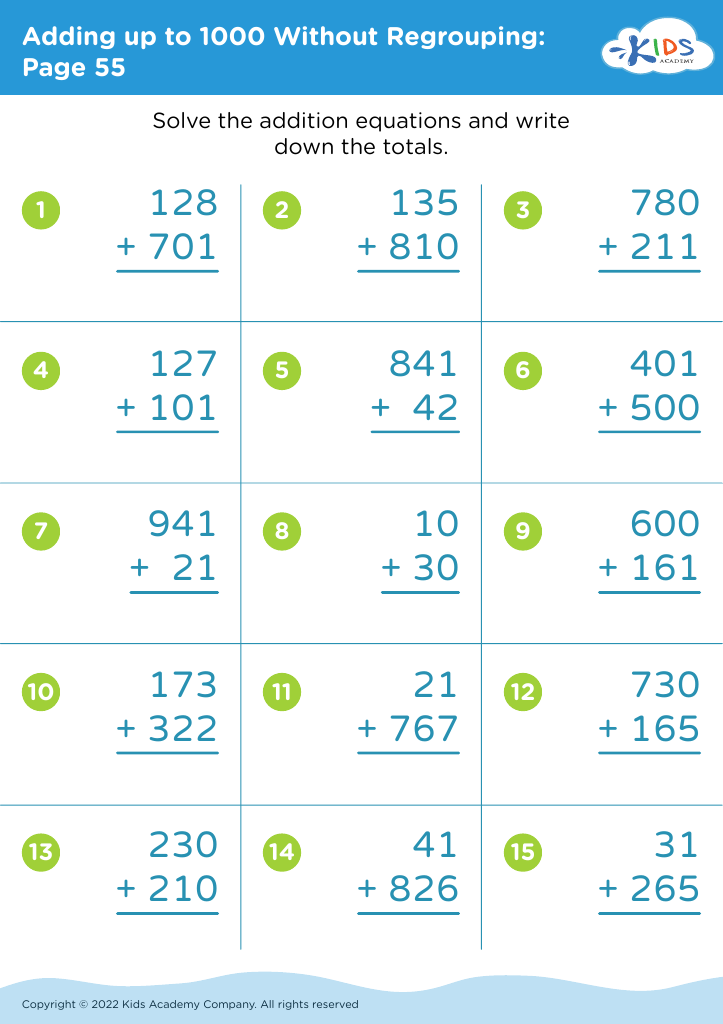
Discover our Handwriting Practice Addition & Subtraction Worksheets designed for ages 5-7! These interactive worksheets combine essential math skills with handwriting practice, ensuring young learners develop both numeracy and penmanship. Each activity engages children in solving simple addition and subtraction problems while tracing numbers and equations, fostering accuracy, concentration, and fine motor skills. Perfect for classroom use or at-home practice, our worksheets transform learning into a fun and productive experience. Help your child build a strong foundational math knowledge with our expertly crafted resources. Visit Kids Academy for more engaging and educational worksheets today!
Favorites
With answer key
Interactive
Join Kids Academy for Free
Who is primarily going to use this learning content?








Handwriting practice combined with basic addition and subtraction for children aged 5-7 is crucial for several reasons. Firstly, it develops fine motor skills, which are essential for everyday tasks such as tying shoelaces, buttoning clothes, and using utensils. Regular handwriting practice strengthens hand muscles and improves hand-eye coordination. Secondly, combining handwriting with basic math exercises enhances cognitive skills. Solving addition and subtraction problems while writing numbers helps children understand numeric relationships and lays a strong foundation for future math learning.
Moreover, these activities foster problem-solving skills and logical thinking, which are indispensable in all academic areas. It also encourages attention to detail and patience, as children need to carefully form each number and write accurately. This dual practice improves both math proficiency and literacy simultaneously, essential components of early education.
Parents and teachers should also recognize the emotional and psychological benefits. As children master these skills, they gain a sense of accomplishment and build confidence, which can positively impact their overall attitude towards learning. Finally, this practice prepares children for the structured environment of formal schooling, where both neat handwriting and basic arithmetic are expected proficiencies. Investing a bit of time in these fundamental skills creates a balanced, capable, and confident young learner.








