Identifying Animals Addition & Subtraction Worksheets for Ages 5-7
5 filtered results
-
From - To
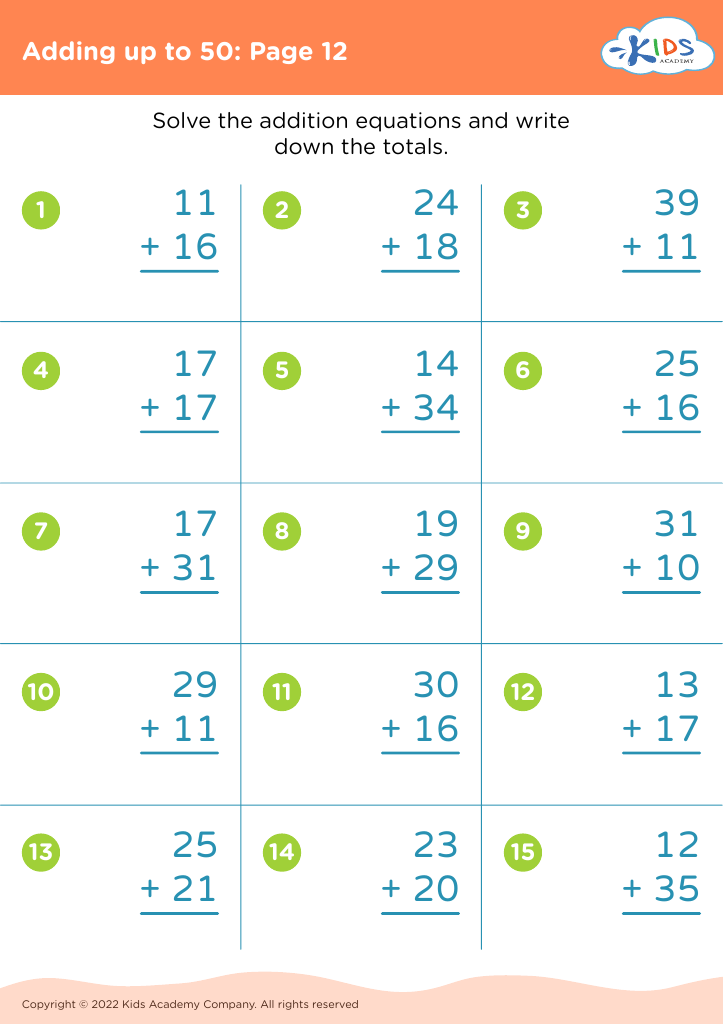
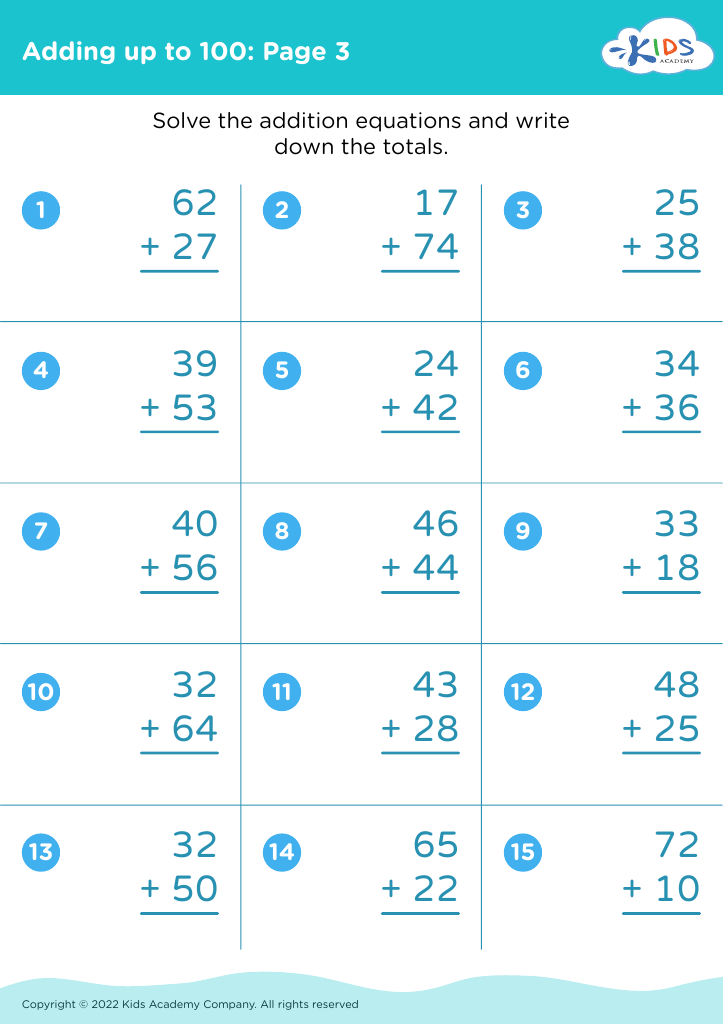
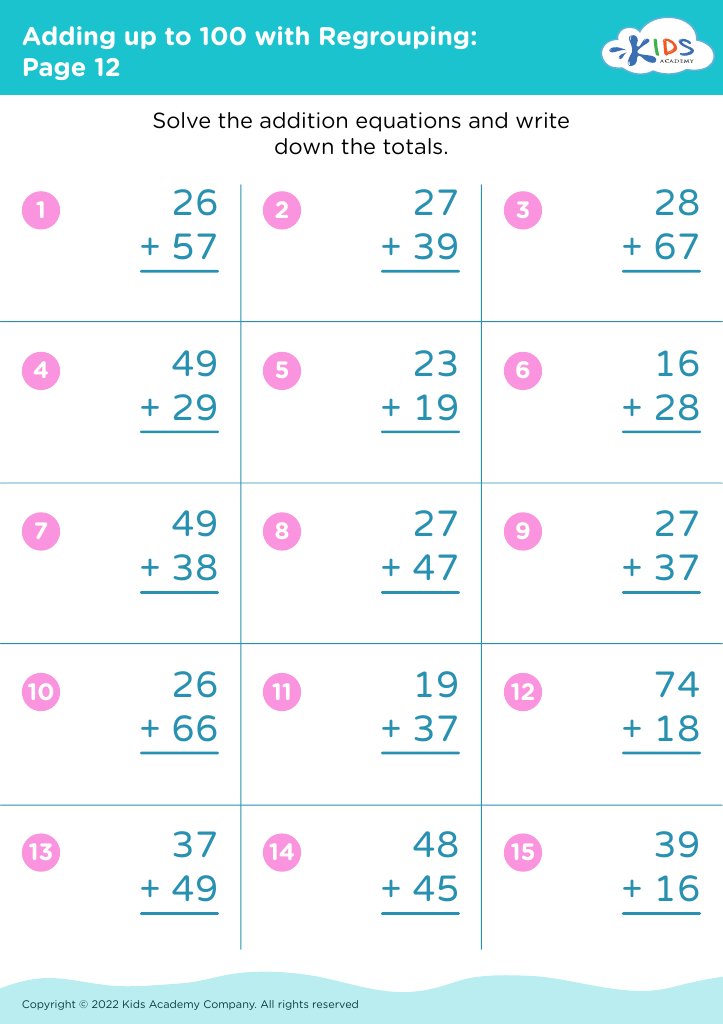
Unlock your child’s math potential with our "Identifying Animals Addition & Subtraction Worksheets for Ages 5-7." These engaging, animal-themed sheets combine the excitement of learning about different animals with foundational addition and subtraction practice. Designed for young learners, ages 5 to 7, these worksheets offer colorful imagery and fun problems to keep your child motivated and entertained. Perfect for both classroom and home use, our worksheets help reinforce essential math skills, such as counting, problem-solving, and arithmetic, while fostering a love for animals and nature. Make math an adventure your child will love!
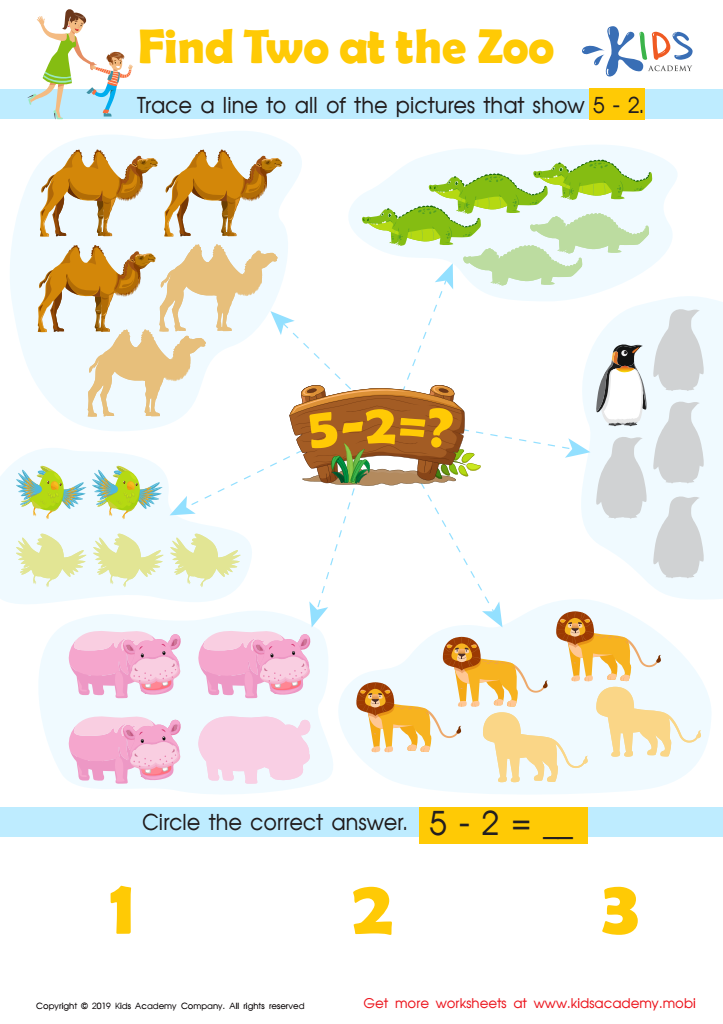
Find Two at the Zoo Worksheet
 Assign to My Students
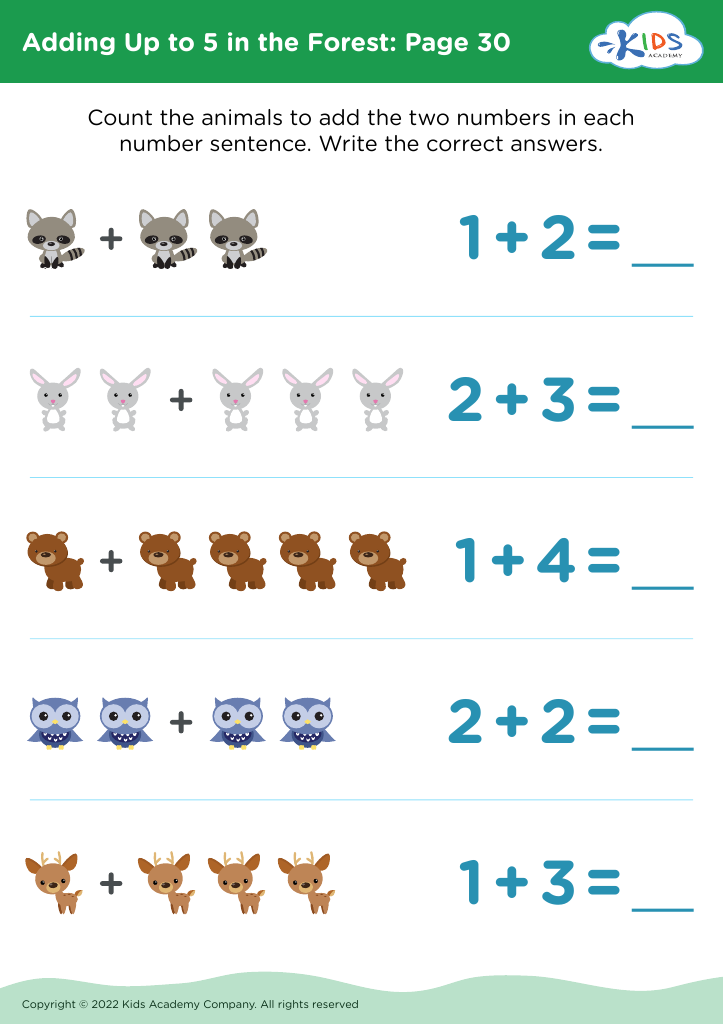








Identifying animals while incorporating addition and subtraction activities can greatly benefit children aged 5-7. Firstly, blending these elements caters to both cognitive and emotional development. Young children's natural curiosity about animals can make learning more engaging and enjoyable. When they see familiar or fascinating creatures in learning materials, it captures their interest and makes abstract math concepts more concrete.
Mathematically, early exposure to addition and subtraction is crucial as these are foundational skills in mathematics education. By incorporating animals, kids can better visualize and understand basic operations—like how combining (adding) or separating (subtracting) groups of animals works.
Additionally, combining animal identification with math helps cater to different learning styles. Visual learners, for example, may better understand mathematical concepts when they can "see" them applied to real-world objects. Auditory learners can benefit from discussions about the animals and the math problems, while kinesthetic learners can participate in more hands-on activities such as sorting animal figurines or pictures to solve problems.
Moreover, this interdisciplinary approach enhances critical thinking and problem-solving skills while also enriching knowledge about the natural world. By engaging students in such integrated activities, parents and teachers foster a love for learning, encourage curiosity, and help children develop essential life skills.








