Improve reading skills Addition & Subtraction Worksheets for Ages 5-7 - Page 2
29 filtered results
-
From - To
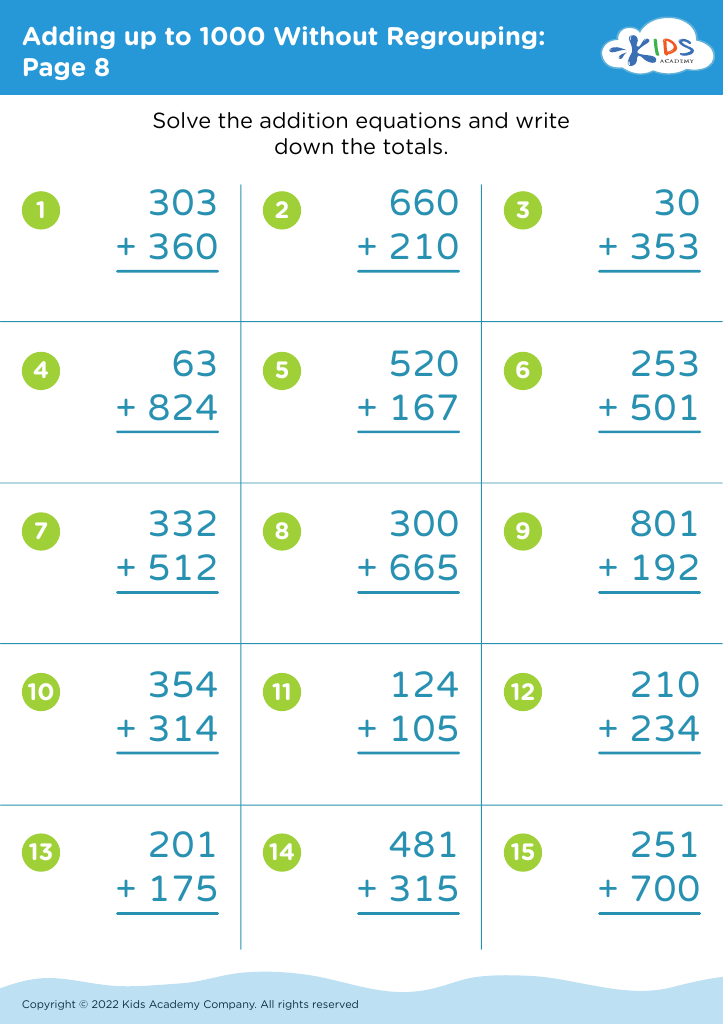
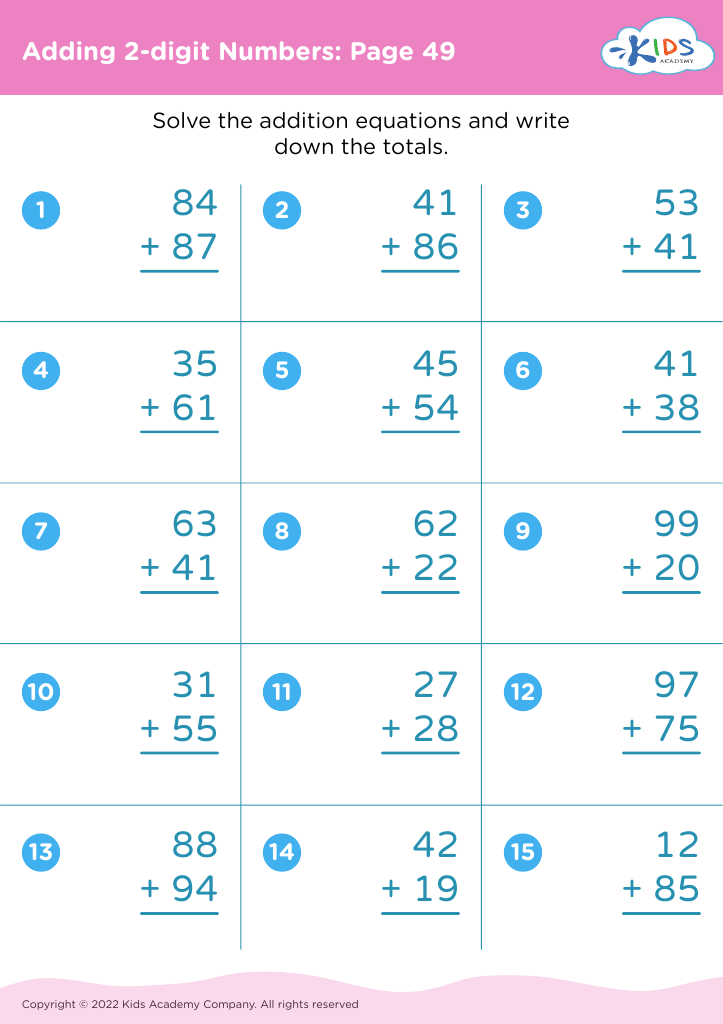
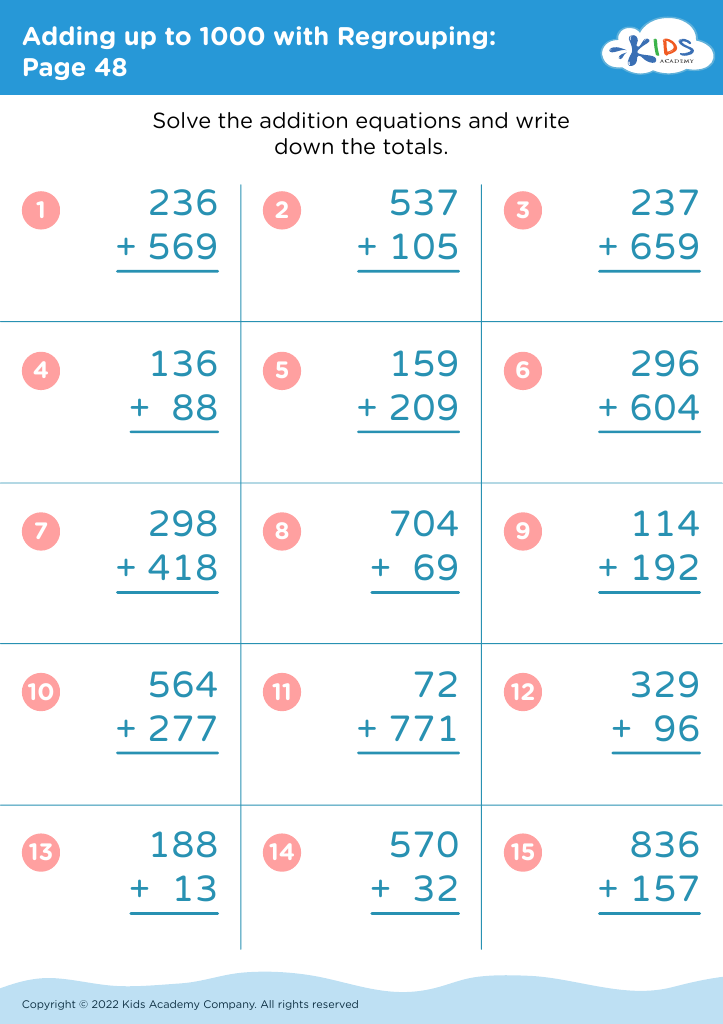
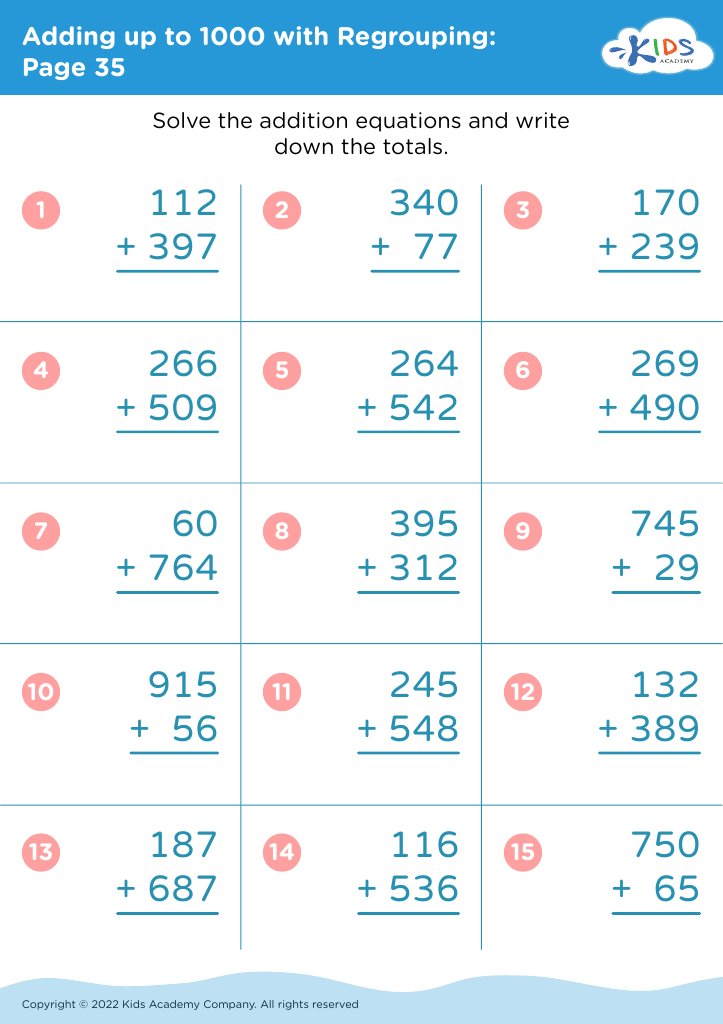







Improving reading skills and foundational math concepts like addition and subtraction for children aged 5-7 is crucial for their overall development and academic success. During these formative years, children are building the essential cognitive skills that will support their learning journey throughout life.
Strong reading skills not only enhance comprehension but also boost confidence. Children encounter math problems that require reading, making literacy essential for success in math. When students can read instructions and word problems effectively, they are more likely to approach challenges with a positive mindset.
Additionally, mastering basic addition and subtraction lays a solid foundation for future mathematical concepts. Early proficiency in these areas helps children develop critical thinking and problem-solving skills. The ability to manipulate numbers is linked to other subjects, making a well-rounded education vital.
For parents and teachers, fostering early literacy and math skills reinforces the joy of learning, instills discipline, and creates a supportive environment for exploration. Engaging in activities that promote these skills encourages curiosity and fosters a lifelong love for education, setting children on a path to achievement as they advance into higher grades and complex subjects. In essence, nurturing these skills at a young age cultivates the academic success of future generations.








