Learn subtraction Addition & Subtraction Worksheets for Ages 5-7
4 filtered results
-
From - To
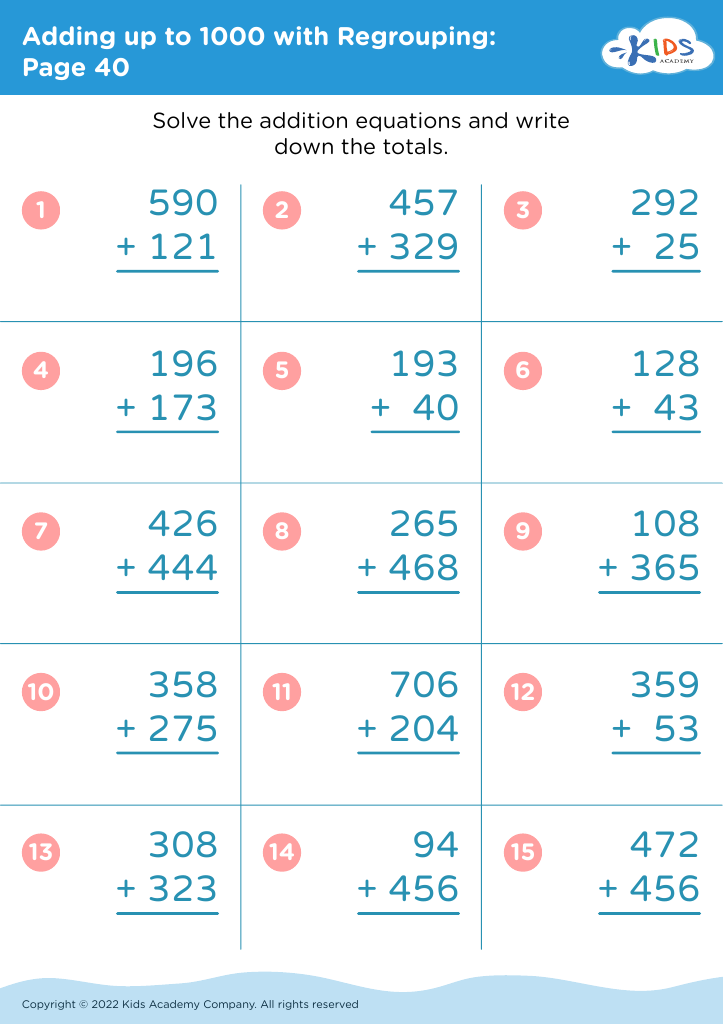
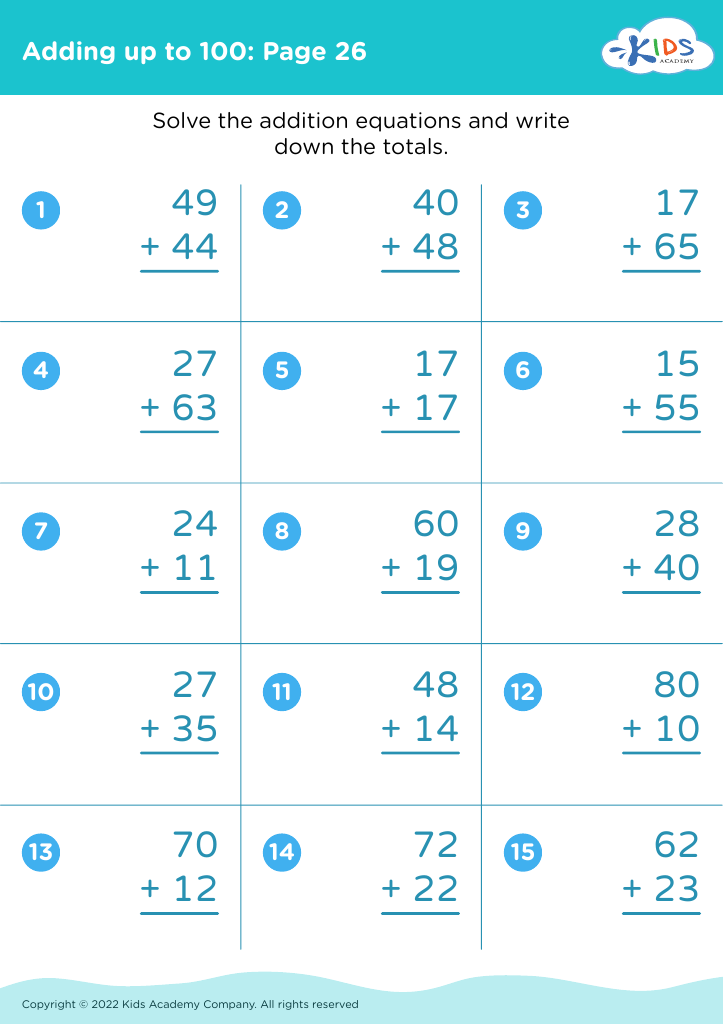
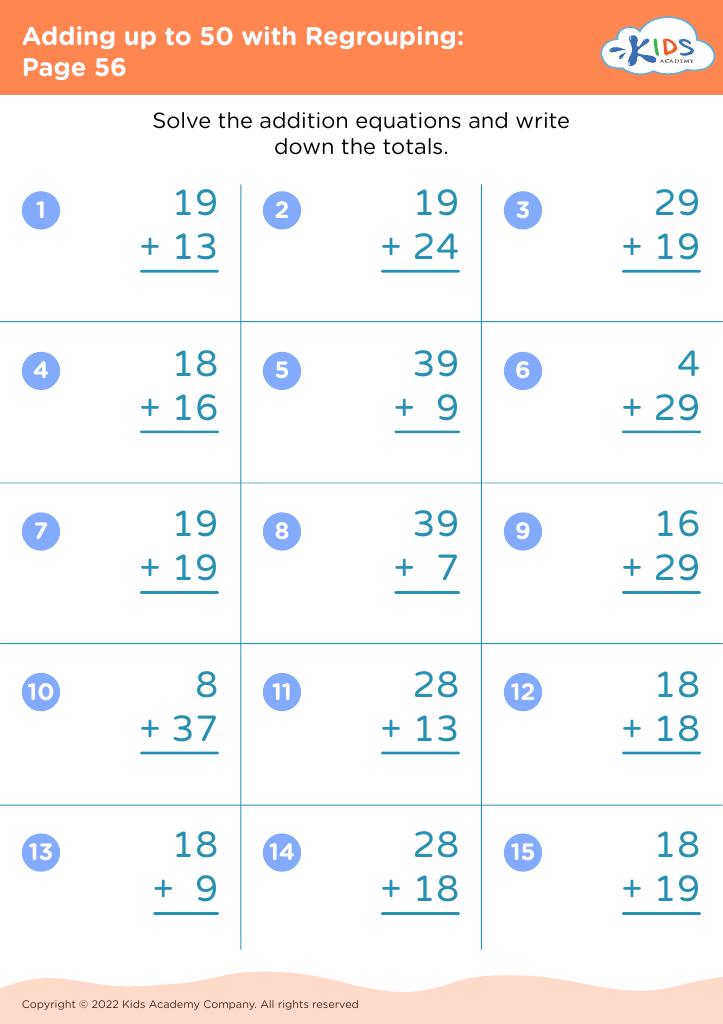
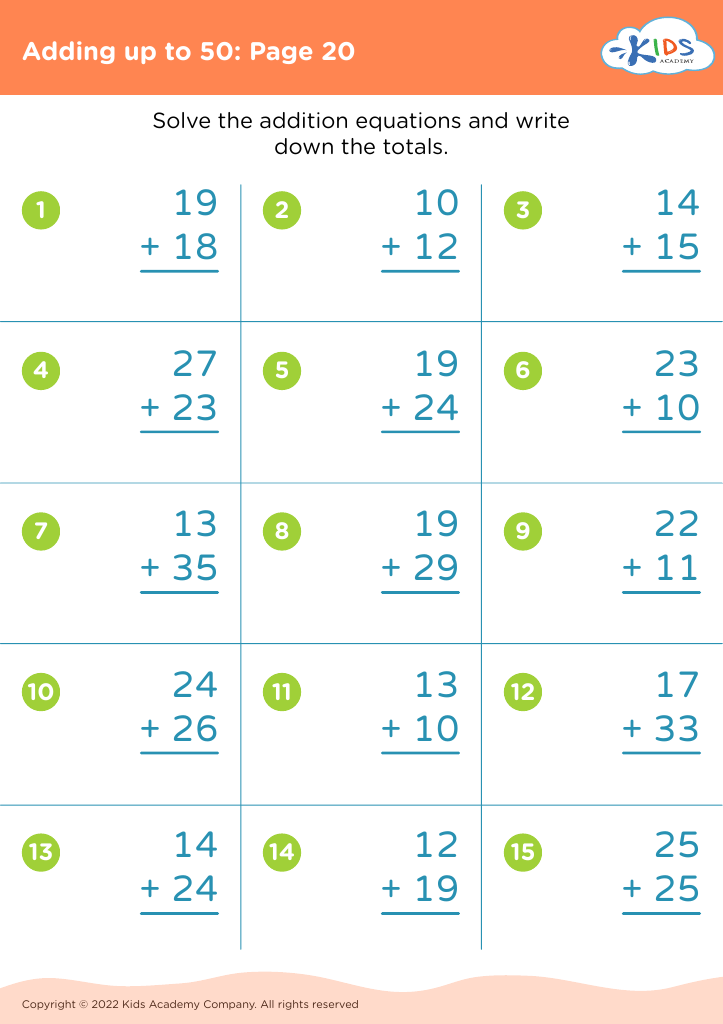
Introducing our "Learn Addition & Subtraction Worksheets" tailored for ages 5-7! These engaging resources are designed to make learning math fun and easy for young learners. Our worksheets cover essential addition and subtraction skills, helping kids build a solid arithmetic foundation. Each sheet features a variety of exercises that boost problem-solving abilities and enhance cognitive development. Perfect for both classroom and home use, these worksheets are visually appealing with kid-friendly themes. Start your child's mathematical journey today with our high-quality, educator-designed printable worksheets – a fantastic way to foster a love for learning in early learners!








Parents and teachers should prioritize learning addition and subtraction for children aged 5-7 because these fundamental math skills are essential building blocks for future academic success and cognitive development. Mastering basic arithmetic at an early age sets children up for more complex mathematical concepts later on, laying the foundation for problem solving, critical thinking, and logical reasoning.
At this developmental stage, children's brains are exceptionally receptive to new information, making it an ideal time to introduce addition and subtraction. By understanding these basic operations, children can develop confidence in math, reducing future anxiety and fostering a positive attitude toward the subject.
Moreover, addition and subtraction are not just academic skills; they are essential for daily life, such as counting money, telling time, and sharing items correctly. Teaching these concepts through hands-on activities, games, and interactive lessons can make learning engaging and enjoyable. This not only helps children grasp these operations but also instills a love for learning.
Active involvement from parents and teachers ensures consistent practice and reinforcement, addressing any misunderstandings promptly. Investing time in teaching these skills prepares children for a lifetime of learning and problem-solving, ultimately leading to well-rounded, informed, and capable individuals.








