
Letter recognition Addition & Subtraction Worksheets for Ages 5-7
3 filtered results
Difficulty Level
Grade
Age
-
From - To
Subject
Activity
Standards
Introduce your young learners to the exciting world of numbers and letters with our expertly designed "Letter Recognition Addition & Subtraction Worksheets for Ages 5-7." These fun and educational worksheets seamlessly combine essential early math skills with engaging letter recognition activities, making learning both enjoyable and effective. Created by experienced educators, our printable sheets help children develop their numerical understanding through simple addition and subtraction tasks while reinforcing their ability to recognize and differentiate letters. Perfect for school and home use, these worksheets are a wonderful resource to support your child’s academic growth and foster a love for learning from an early age.
Favorites
With answer key
Interactive
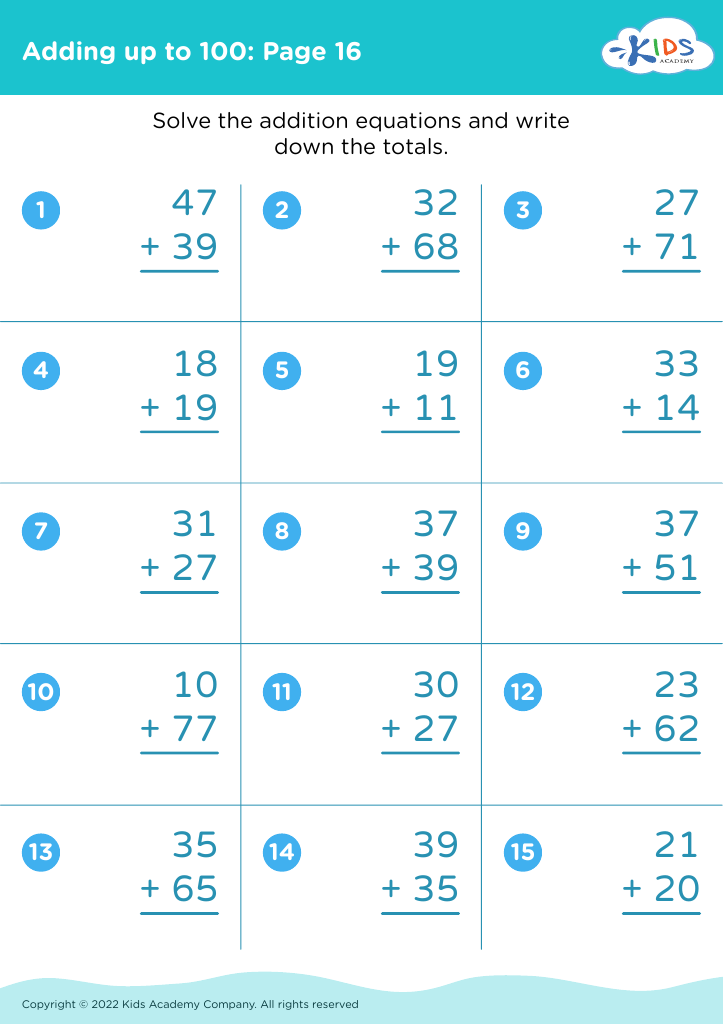
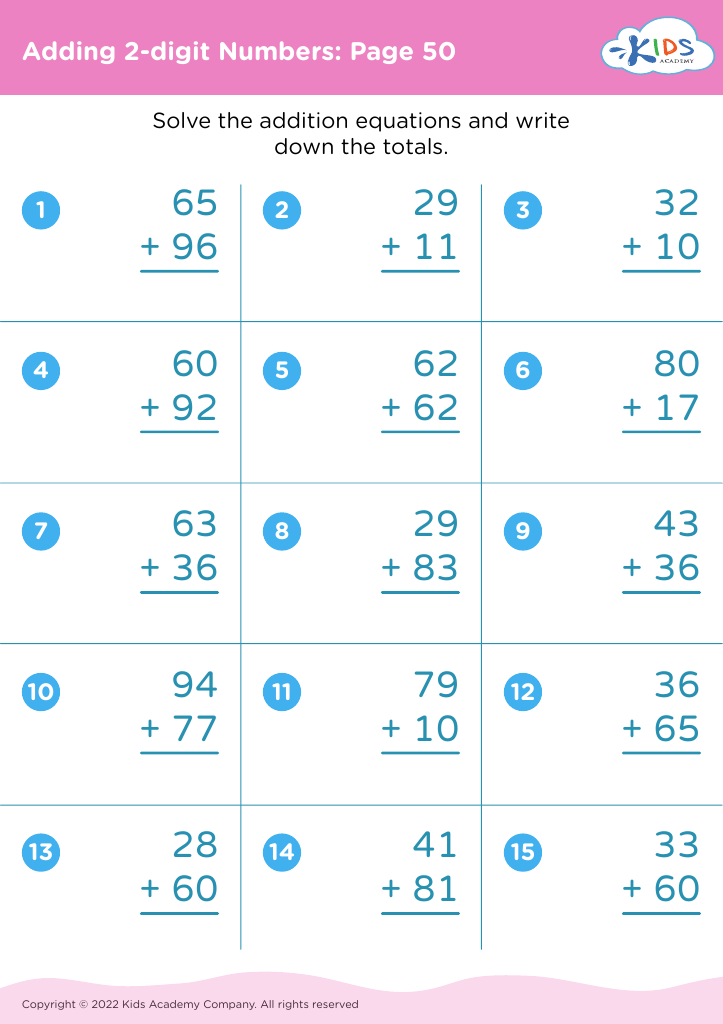
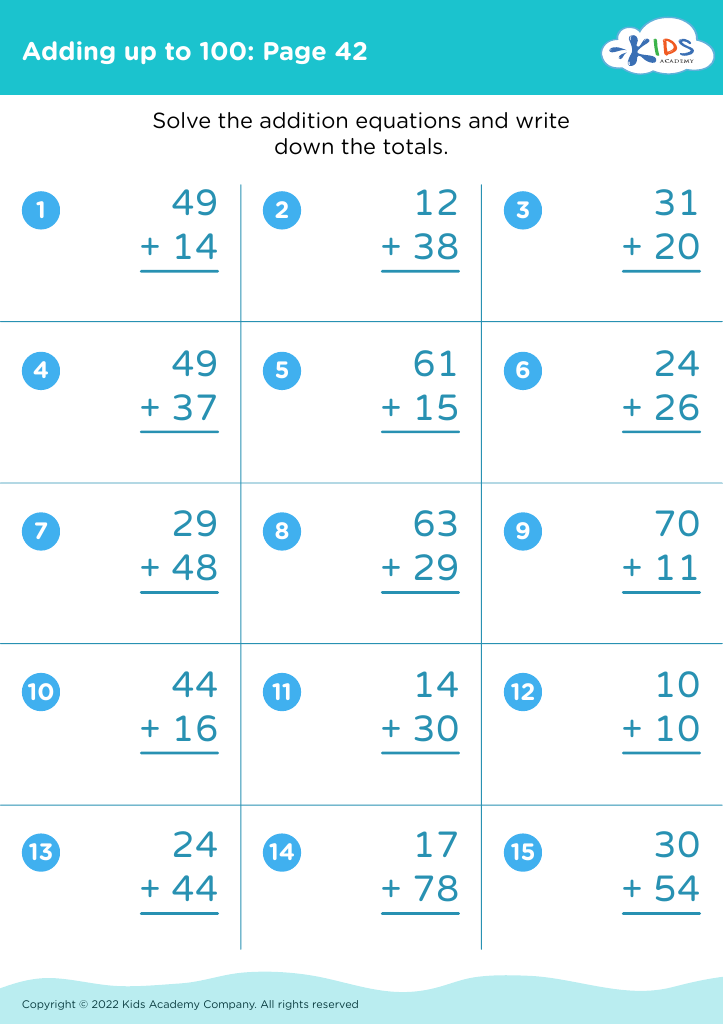
Join Kids Academy for Free
Who is primarily going to use this learning content?








Letter recognition, along with addition and subtraction, forms the foundation for a child’s early academic development. At ages 5-7, children's brains are particularly receptive to learning new concepts. Parents and teachers should prioritize letter recognition because it is essential for reading and writing. Being able to identify letters and understand their sounds empowers children to decode words, boosting their confidence and facilitating more complex literacy skills later on. Early literacy is crucial as it relates to future school success and is linked to better academic performance in virtually all subjects.
Similarly, developing skills in addition and subtraction at this stage is vital for mathematical understanding. Basic arithmetic forms the groundwork for more advanced mathematical concepts. Early mathematical skills have been shown to predict later academic achievement. Understanding addition and subtraction not only helps with problem-solving abilities but also encourages logical thinking and cognitive development.
Incorporating these skills into engaging activities at home or in the classroom fosters a love for learning. Parents and teachers play a critical role in identifying learning needs and providing the necessary support to nurture these fundamental skills. Together, letter recognition and arithmetic lay the foundation for a child's educational journey, enhancing both literacy and numeracy that are essential for lifelong learning.








