Problem Solving Addition & Subtraction Worksheets for Ages 5-7 - Page 2
28 filtered results
-
From - To
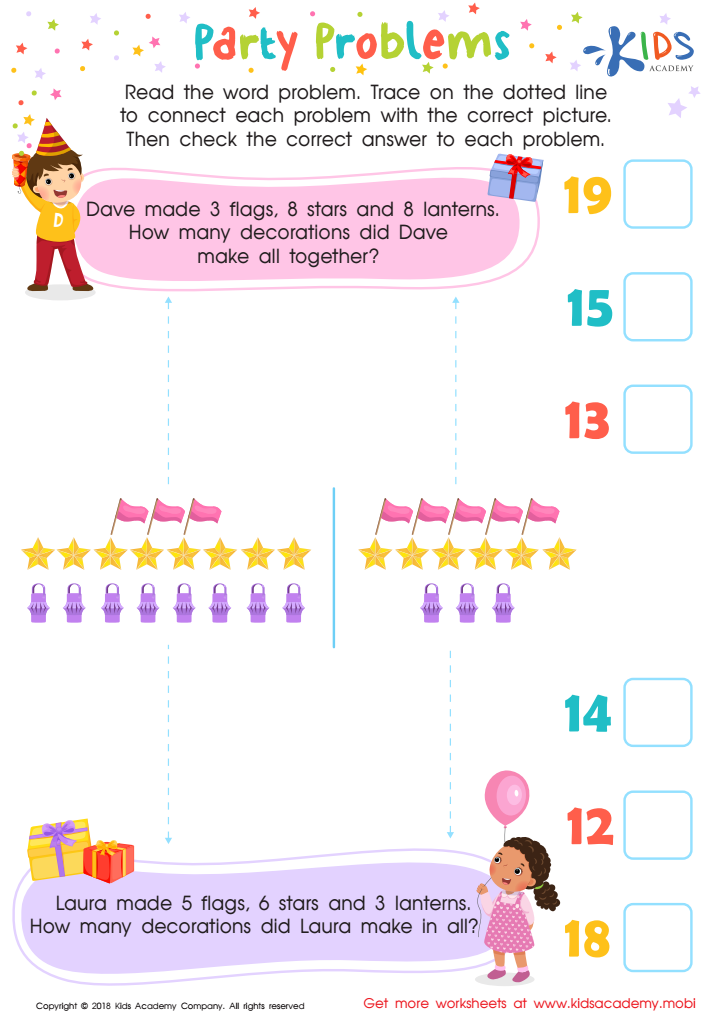
Party Problems Worksheet
 Assign to My Students
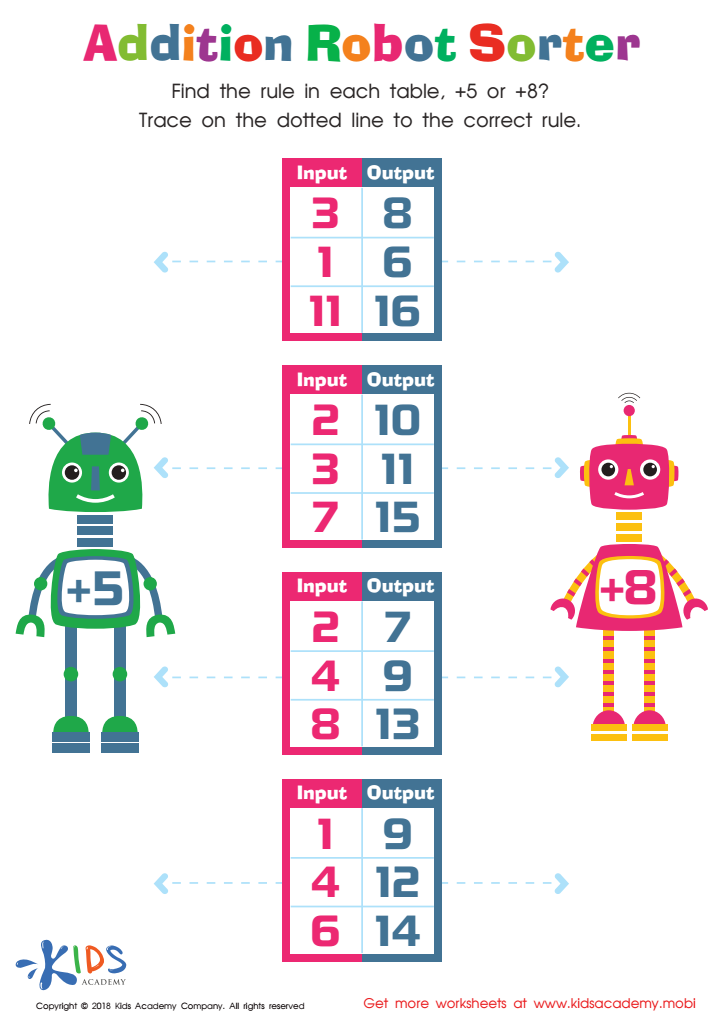
Addition Robot Sorter Worksheet
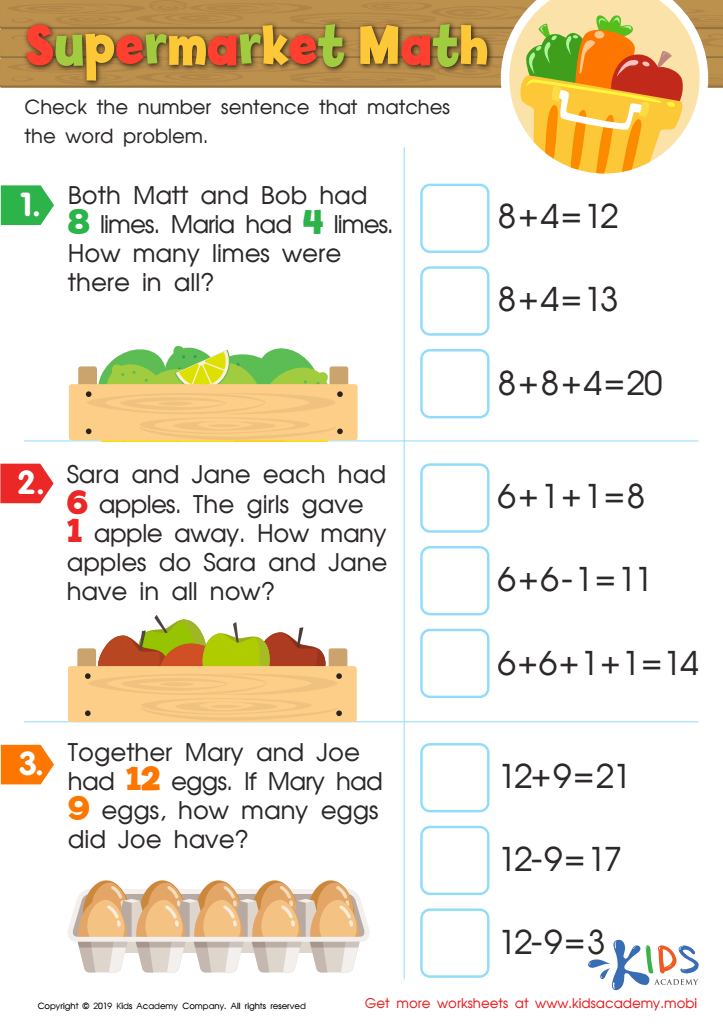
Supermarket Math Worksheet






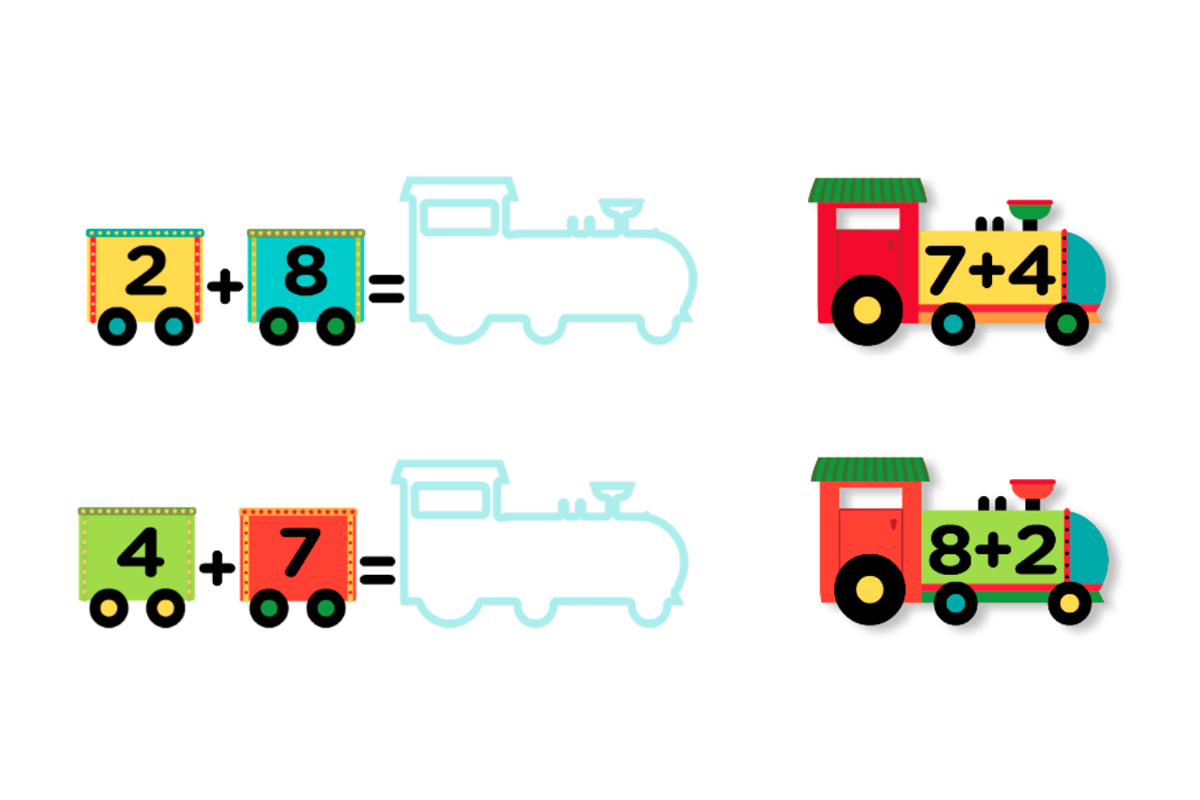

Parents and teachers play a crucial role in shaping a child's mathematical foundation, particularly in understanding problem solving for addition and subtraction. For children aged 5-7, these early skills are not just about numbers; they foster critical thinking, reasoning, and persistence in facing challenges. Learning to solve problems involves more than just memorizing facts; it encourages kids to approach math with curiosity and creativity.
At this age, children typically encounter basic word problems that help them relate math to real-life situations. This contextual understanding helps children see the relevance of math beyond the classroom, building confidence and engagement. By promoting problem-solving tales in addition and subtraction, adults can develop a child's ability to analyze information, find patterns, and apply strategies, which are skills essential for all learning areas.
Moreover, early competency in these skills prepares children for more complex mathematical concepts down the line, laying the groundwork for advanced problem-solving in the future. Engaging with addition and subtraction challenges helps children understand that mistakes are part of the learning process, encouraging a growth mindset. Overall, developing problem-solving skills in early math education fosters lifelong learning and equips children with tools to navigate academic and life challenges.








