Reading clocks Addition & Subtraction Worksheets for Ages 5-7
3 filtered results
-
From - To
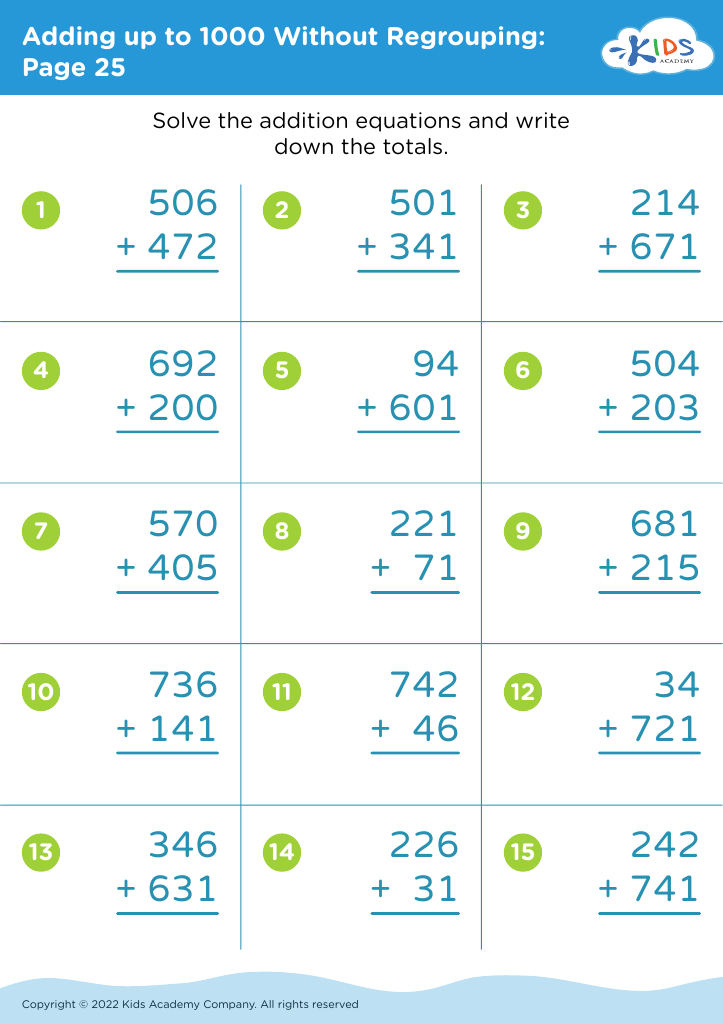
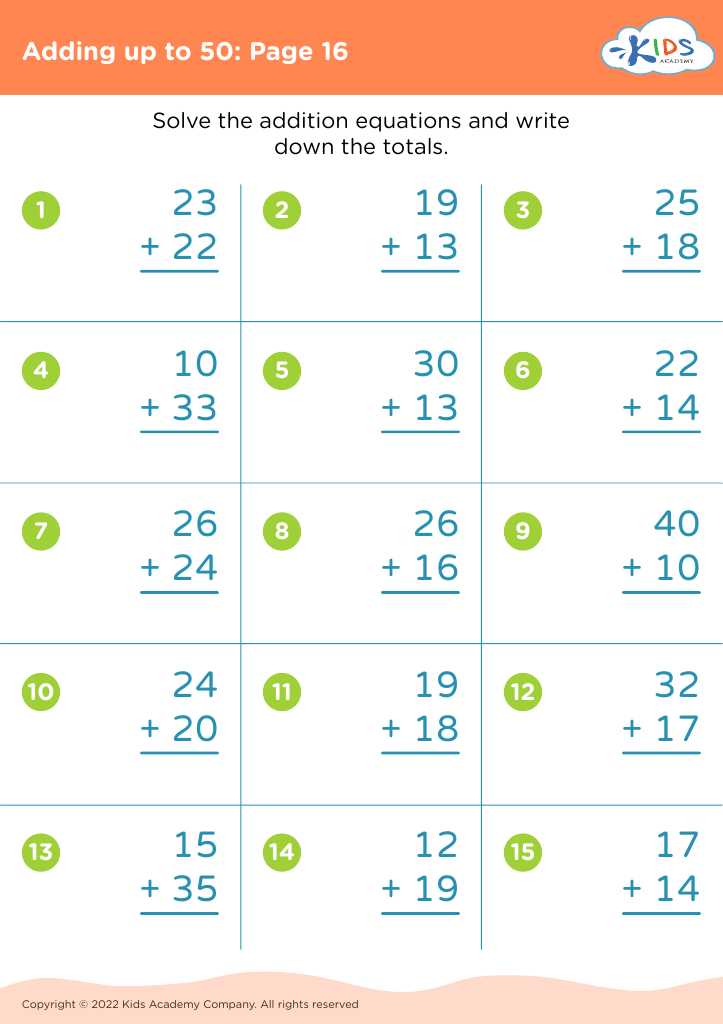
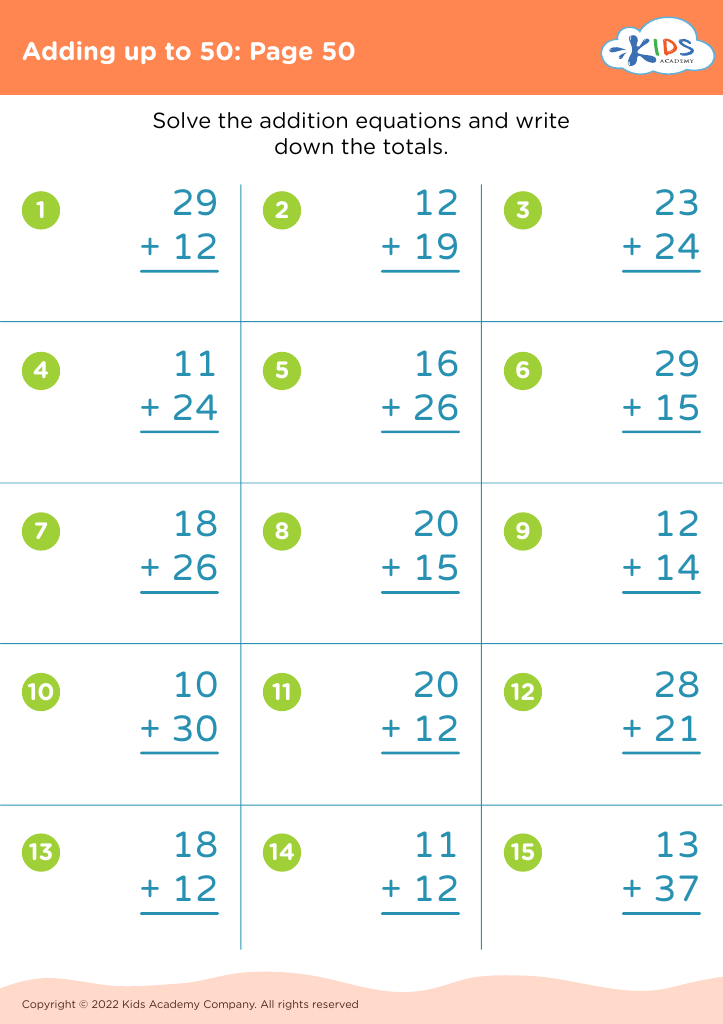
Discover engaging "Reading Clocks Addition & Subtraction Worksheets" designed for children ages 5-7. Our interactive resources help young learners master fundamental math skills while also understanding how to read and interpret analog clocks. Each worksheet combines enjoyable exercises that challenge students to solve addition and subtraction problems using clock visuals, fostering both numerical and time-telling skills. Perfect for home or classroom use, these worksheets encourage hands-on learning and make math fun. Equip your child with the necessary skills to confidently tell time and perform basic arithmetic. Start their learning journey today with these essential math tools!








Reading clocks and understanding addition and subtraction are foundational skills that significantly contribute to early childhood development, particularly for children aged 5-7. First, these skills are critical in fostering numeracy, a vital component of a child’s overall mathematical understanding. Mastering addition and subtraction enables children to comprehend larger math concepts in later grades, laying the groundwork for future learning.
Moreover, being able to read a clock empowers children with time management skills, instilling a sense of responsibility and independence. Recognizing time helps children see the relationship between their daily routines and their understanding of numbers, creating practical links to real life.
Additionally, engaging in clock reading and basic math not only boosts cognitive skills but also encourages problem-solving and critical thinking. It promotes fine motor skills through activities like writing out math problems or practicing with clock hands.
For parents and teachers, actively supporting children in these areas enhances their engagement and interest in learning. Activities that integrate clocks with fun math problems create an interactive learning environment, making education enjoyable. Ultimately, fostering these skills at an early age will help children build confidence and competence in mathematics, which is important for their academic success.








