Recognize shapes Addition & Subtraction Worksheets for Ages 5-7
9 filtered results
-
From - To
Explore our engaging "Recognize Shapes Addition & Subtraction Worksheets" designed specifically for children aged 5-7. These worksheets offer a fun and interactive way for young learners to develop their math skills while simultaneously recognizing shapes. Each activity is tailored to enhance critical thinking and problem-solving abilities through visual aids and colorful illustrations. Your child will master addition and subtraction using various shapes, making math an enjoyable experience. Ideal for at-home learning or classroom use, our worksheets foster foundational math knowledge and boost confidence. Download now to spark your child's mathematical journey while discovering the world of shapes!
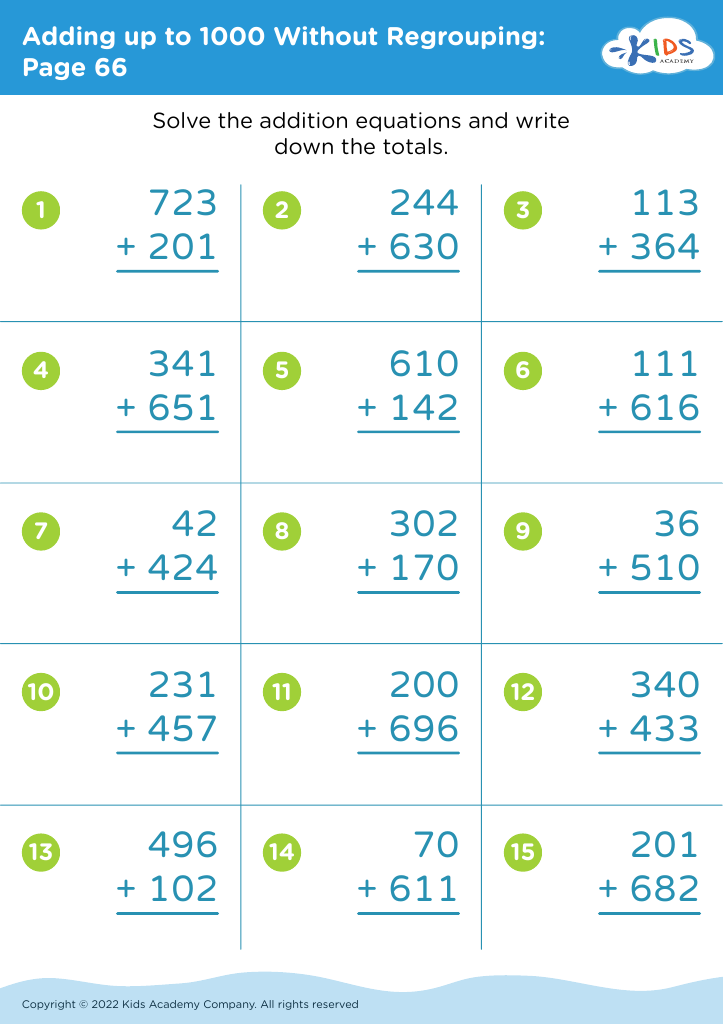
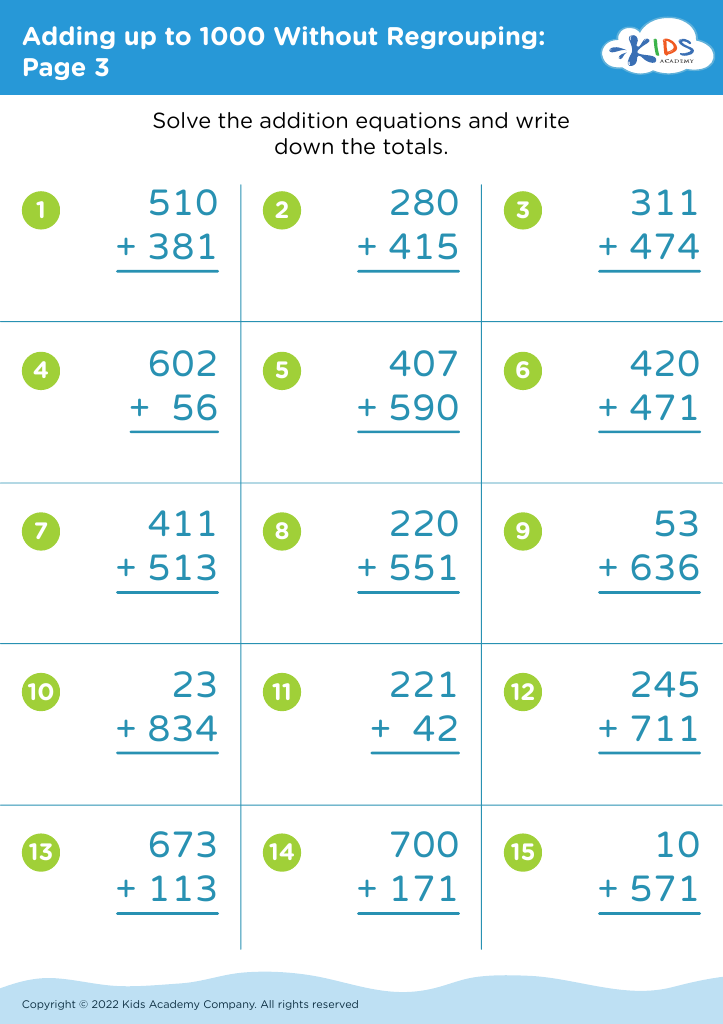
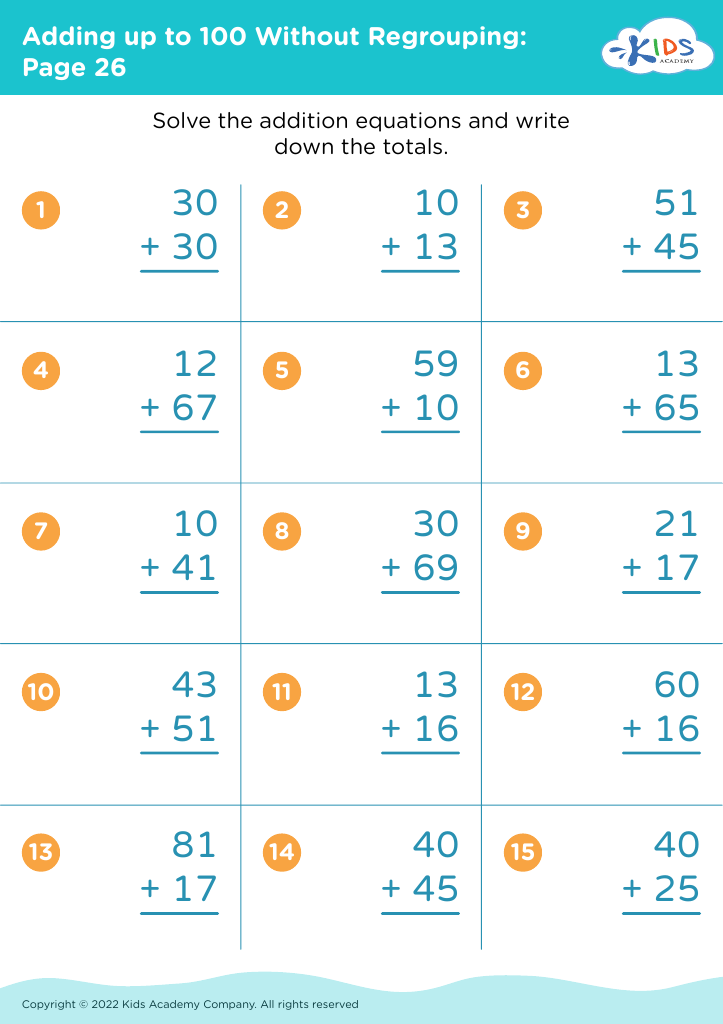
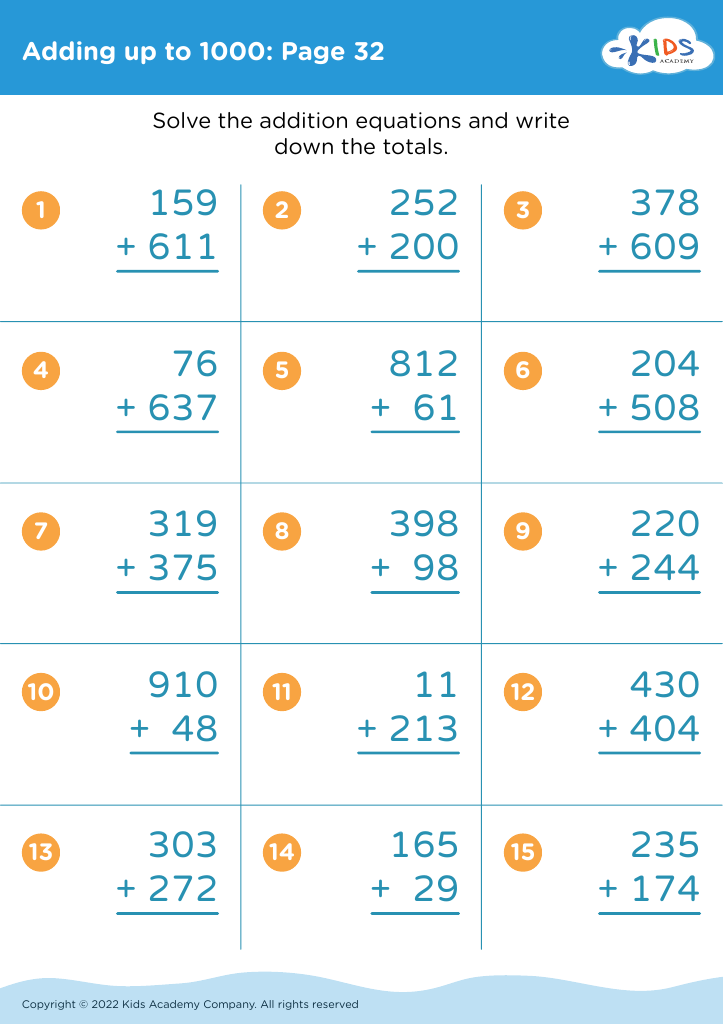
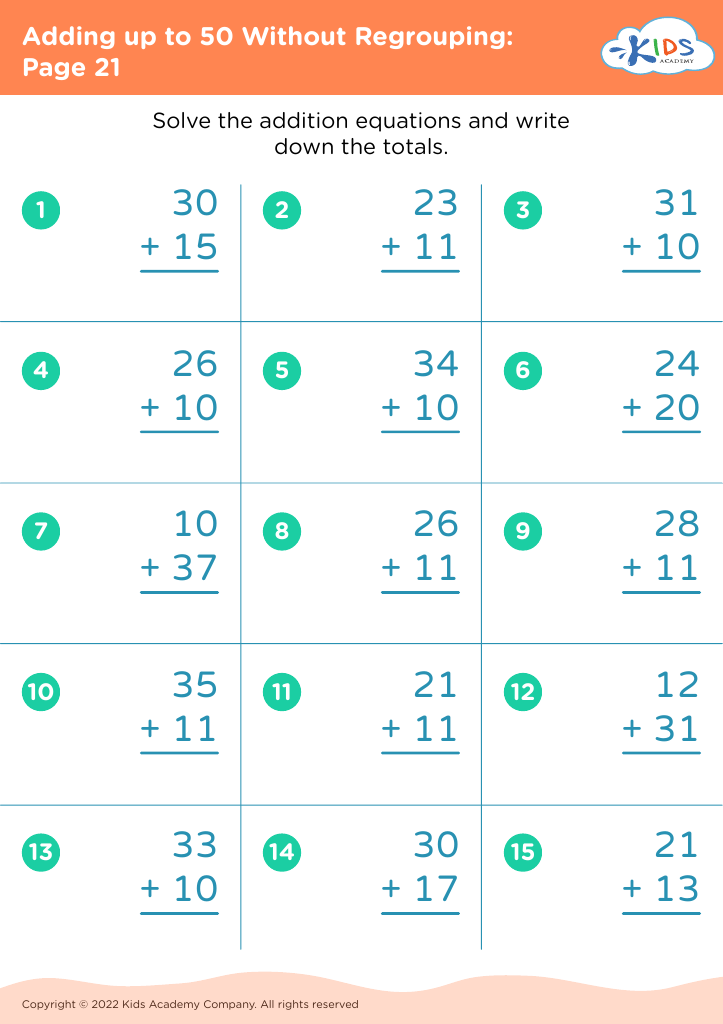
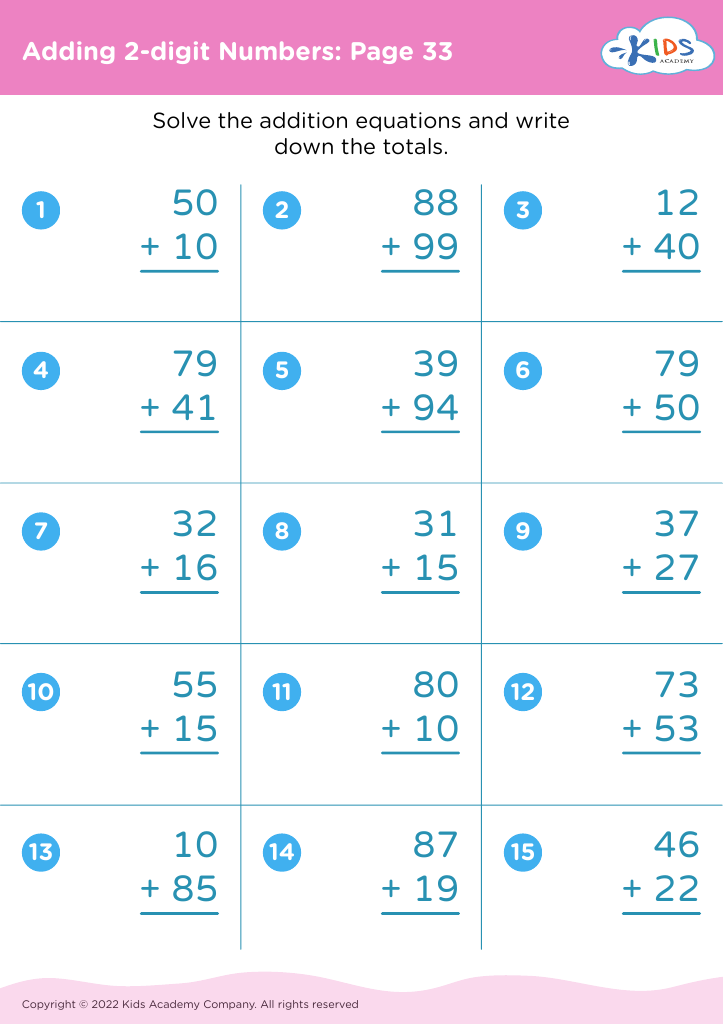
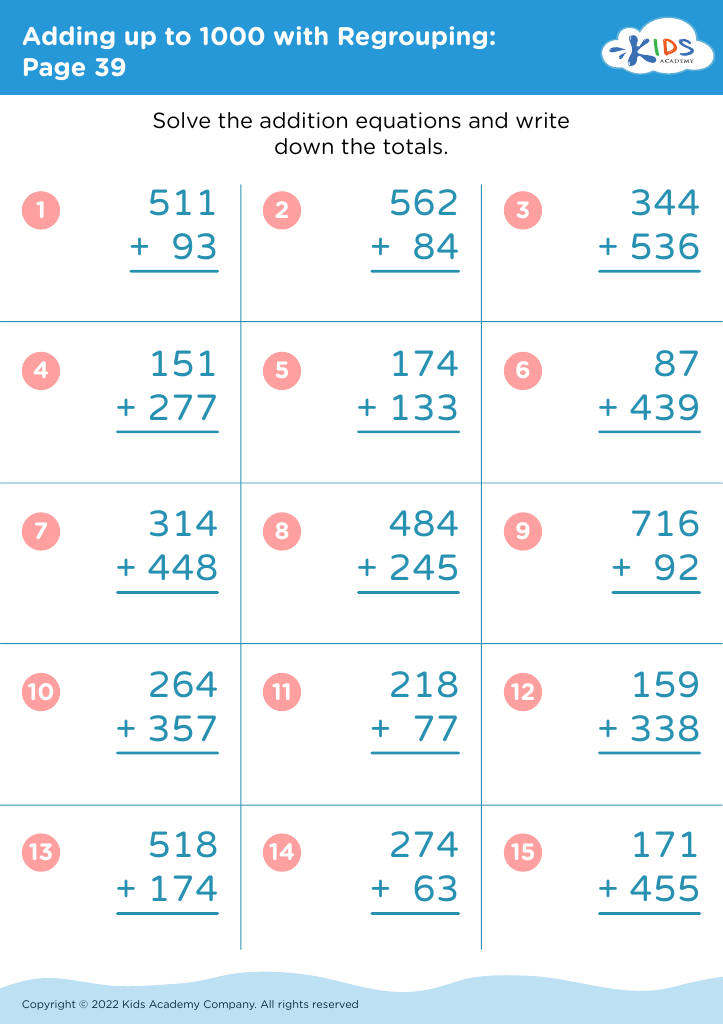
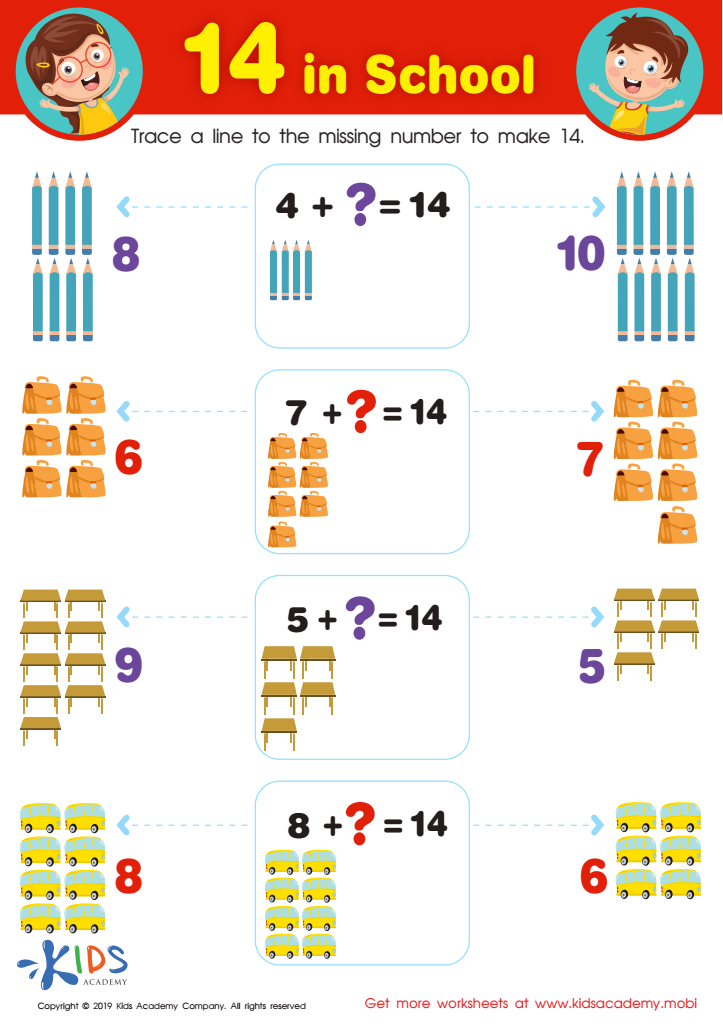
14 in School Worksheet
 Assign to My Students
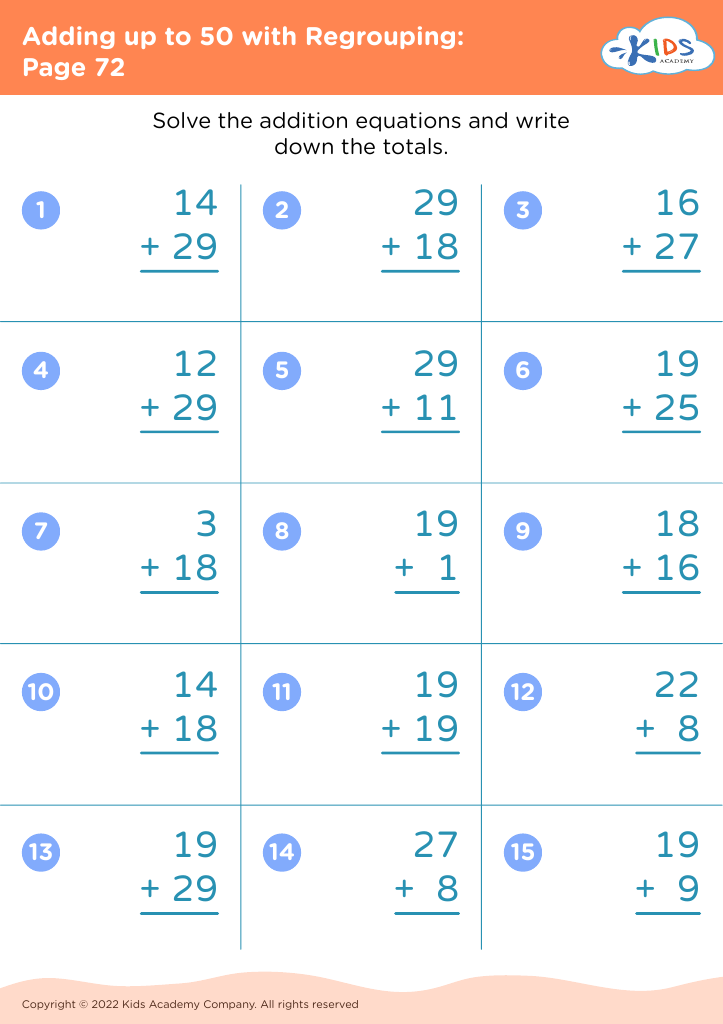








Recognizing shapes and understanding basic addition and subtraction are crucial skills for children aged 5-7, forming the foundation for their mathematical journeys. By integrating shape recognition with early arithmetic, parents and teachers can foster a well-rounded mathematical understanding in a fun, engaging way.
Shape recognition helps children develop spatial awareness, a fundamental skill that supports problem-solving and logical thinking. When children can identify and work with shapes, they are better equipped to understand and engage in activities that involve spatial reasoning, such as geometry and measurement.
Incorporating addition and subtraction teaches children how to manipulate numbers and comprehend quantity. These skills are essential not only for future math concepts but also for daily life, teaching children how to count, manage money, and solve problems.
Moreover, linking shape recognition with early arithmetic promotes a holistic learning experience. Activities that combine these concepts—like counting shapes—make learning interactive and enjoyable, keeping children motivated and eager to explore.
Ultimately, focusing on these foundational skills encourages critical thinking, enhances cognitive development, and lays the groundwork for academic success, making it vital for parents and teachers to prioritize these learning areas.








