Shape identification Addition & Subtraction Worksheets for Ages 5-7
14 filtered results
-
From - To
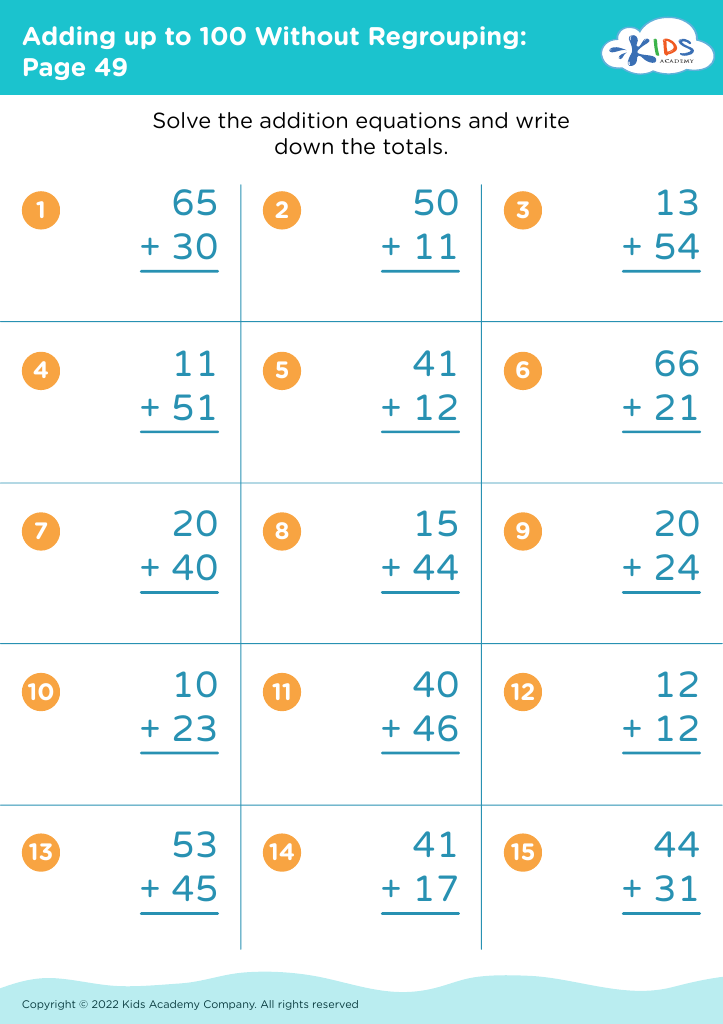
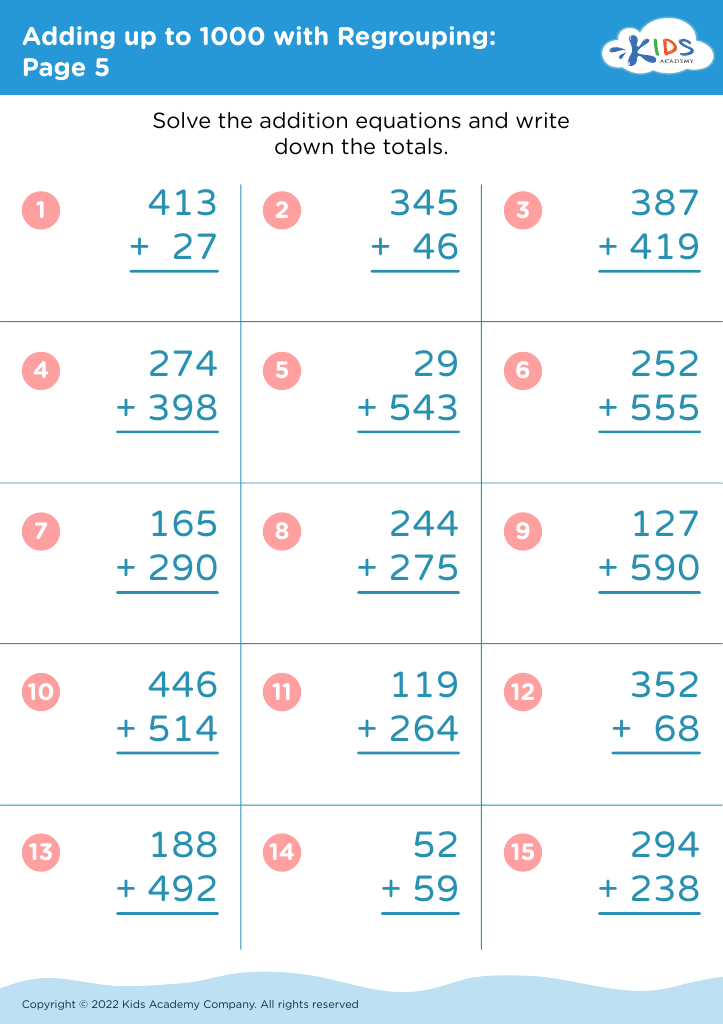
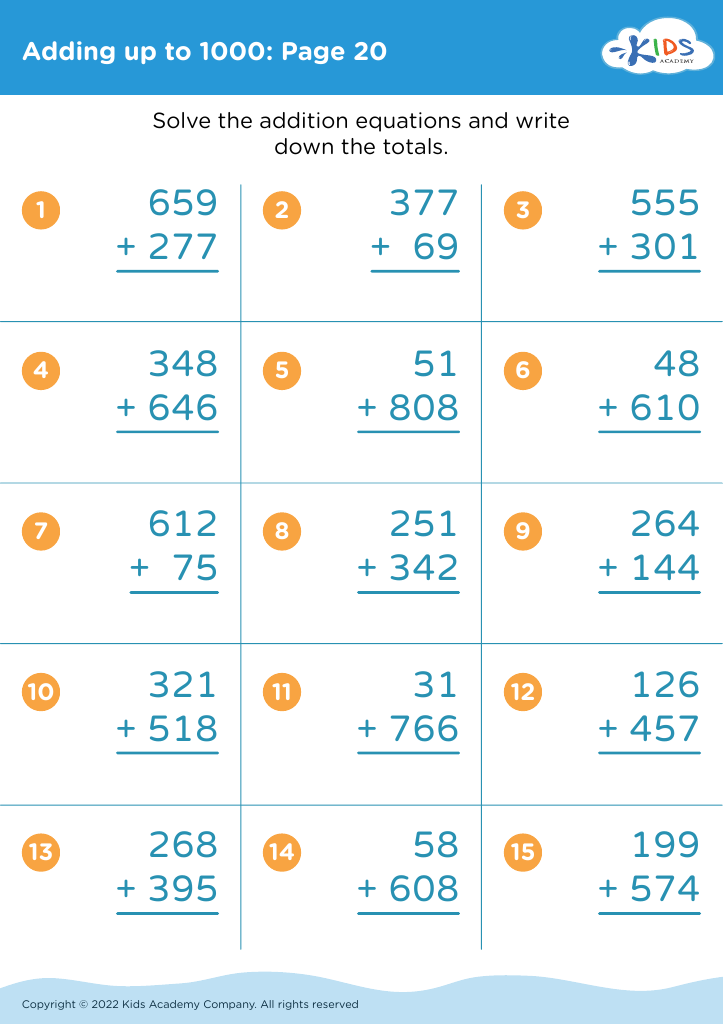
Discover our engaging Shape Identification Addition & Subtraction Worksheets designed for children ages 5-7! These interactive worksheets combine essential math skills with fun shape recognition activities, making learning enjoyable and effective. Perfect for early learners, these resources help kids enhance their understanding of basic geometry while practicing addition and subtraction. Your child will master identifying shapes like circles, squares, and triangles, all while reinforcing their math skills through playful exercises. Ideal for home or classroom use, our worksheets are a fantastic way to build a strong foundation in mathematics. Start your child's learning journey today with our beautiful, easy-to-follow printables!
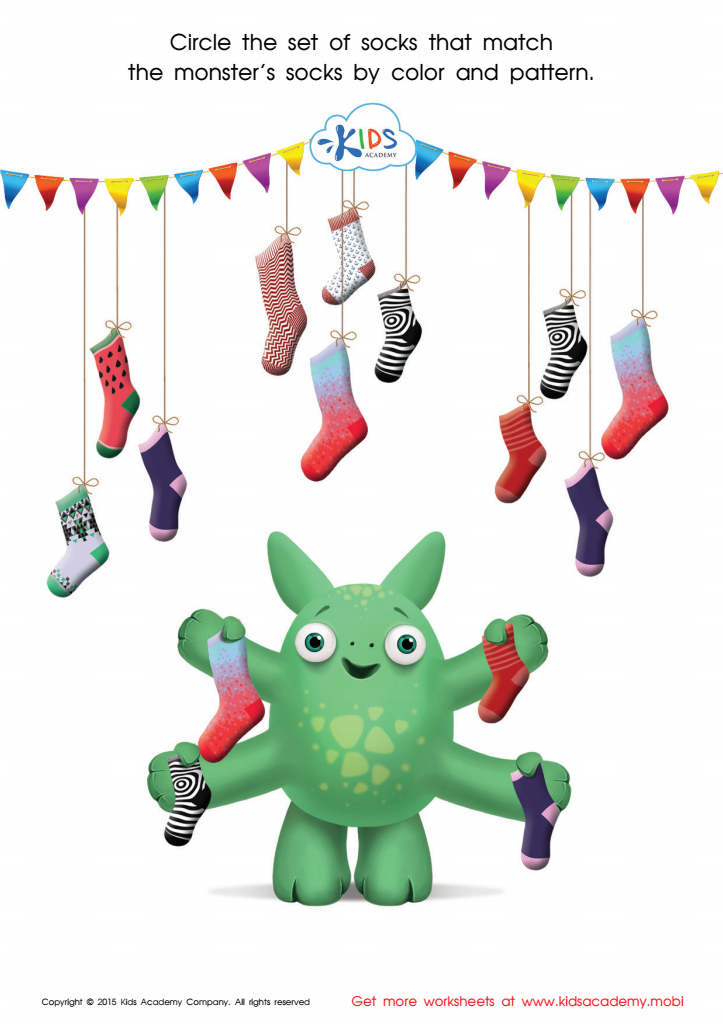
Sort the Monster's Socks Worksheet
 Assign to My Students
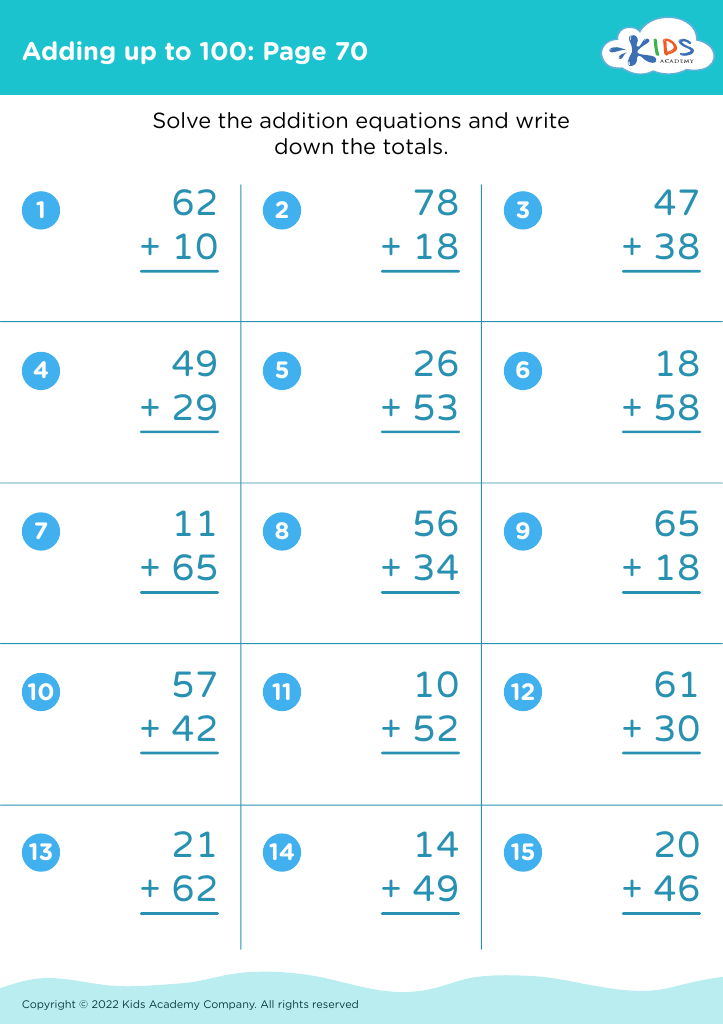
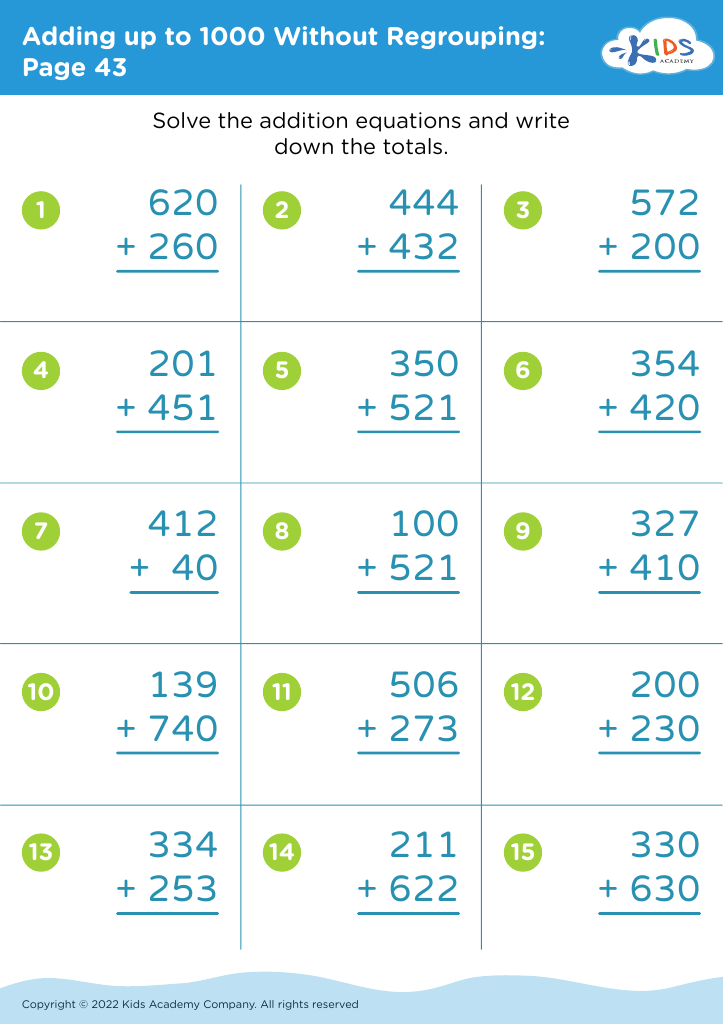








Shape identification and the foundational concepts of addition and subtraction are crucial for children aged 5-7 as they lay the groundwork for future learning in mathematics and spatial awareness. Understanding shapes—such as circles, squares, triangles, and rectangles—enables children to recognize and categorize the world around them. This identification skill enhances their abilities in problem-solving and critical thinking.
Moreover, mastering basic addition and subtraction introduces children to essential numerical relationships, helping them develop strong arithmetic skills. These mathematical foundations foster confidence and encourage a positive attitude towards math, which is often considered a challenging subject by many.
Additionally, engaging in these activities allows for the development of fine motor skills, particularly through hands-on learning tasks involving shape sorting or using manipulatives for counting. Collaborative activities, such as recognizing and creating shapes in groups or solving addition and subtraction problems together, also promote social interaction and communication skills.
Parents and teachers play a pivotal role in supporting this learning journey. By prioritizing these foundational concepts, they help to ensure that children will not only be competent in math but also develop a love for learning and exploration that lasts a lifetime. Thus, investing time and effort into shape identification and basic arithmetic is essential for holistic childhood development.








