Mental math skills Addition Worksheets for Ages 5-7
6 filtered results
-
From - To
Enhance your child's math abilities with our specially-designed Mental Math Skills Addition Worksheets for ages 5-7. These engaging worksheets help young learners strengthen their addition skills and build a solid foundation for more complex math concepts. Fun, interactive problems encourage kids to solve addition tasks quickly and accurately, boosting their mental calculation capabilities. Perfect for both classroom use and home practice, our worksheets make learning math enjoyable and effective. Visit Kids Academy and download our printable worksheets to give your child a head start in math proficiency with our comprehensive mental math resources.
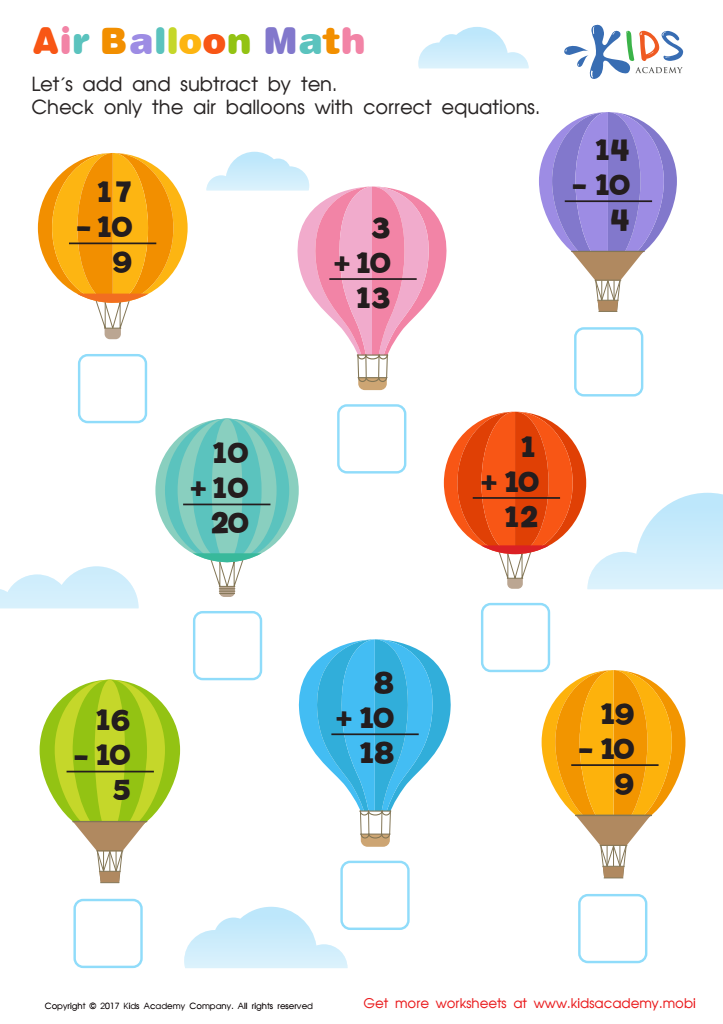
Air Balloon Math Worksheet
 Assign to My Students
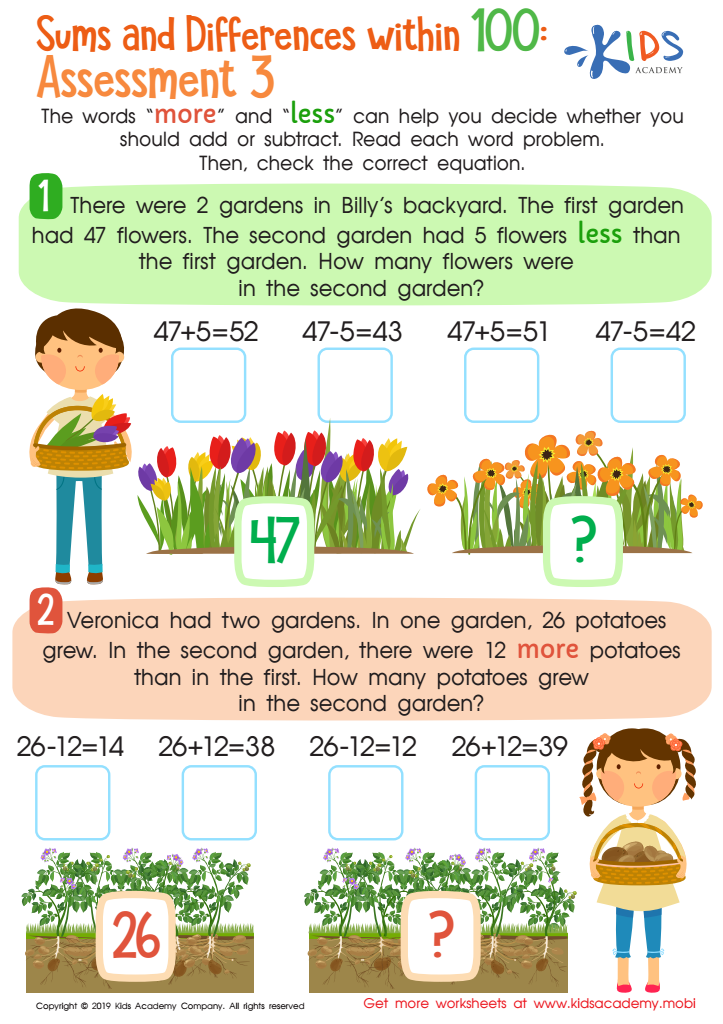
Sums and Differences Within 1 - Assessment 1 Worksheet
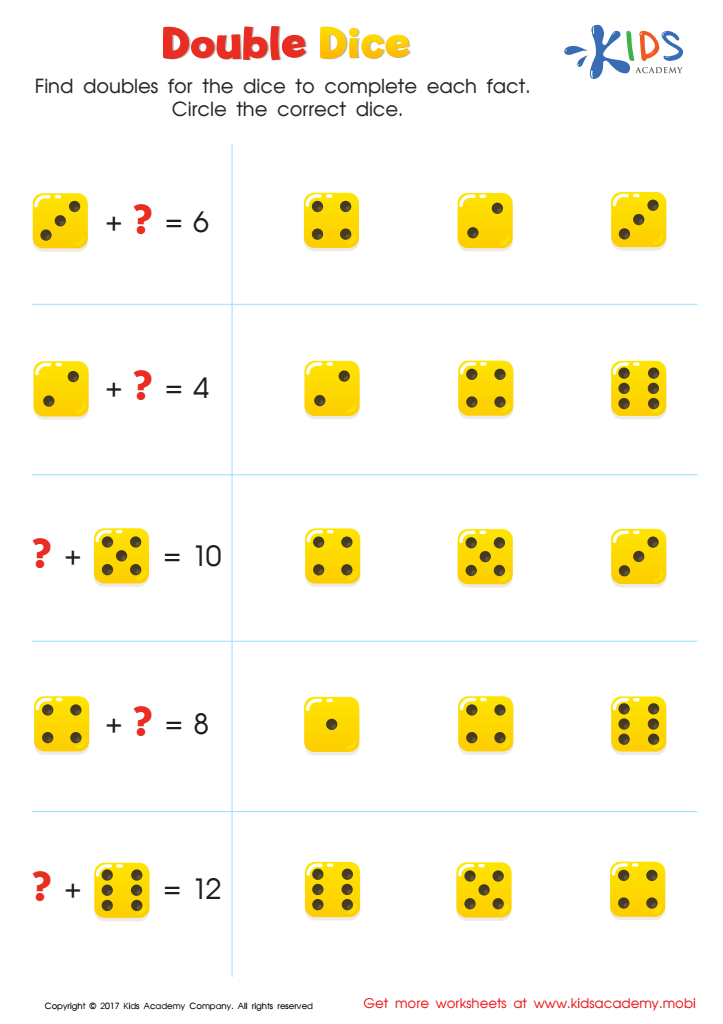
Addition Facts: Double Dice Worksheet
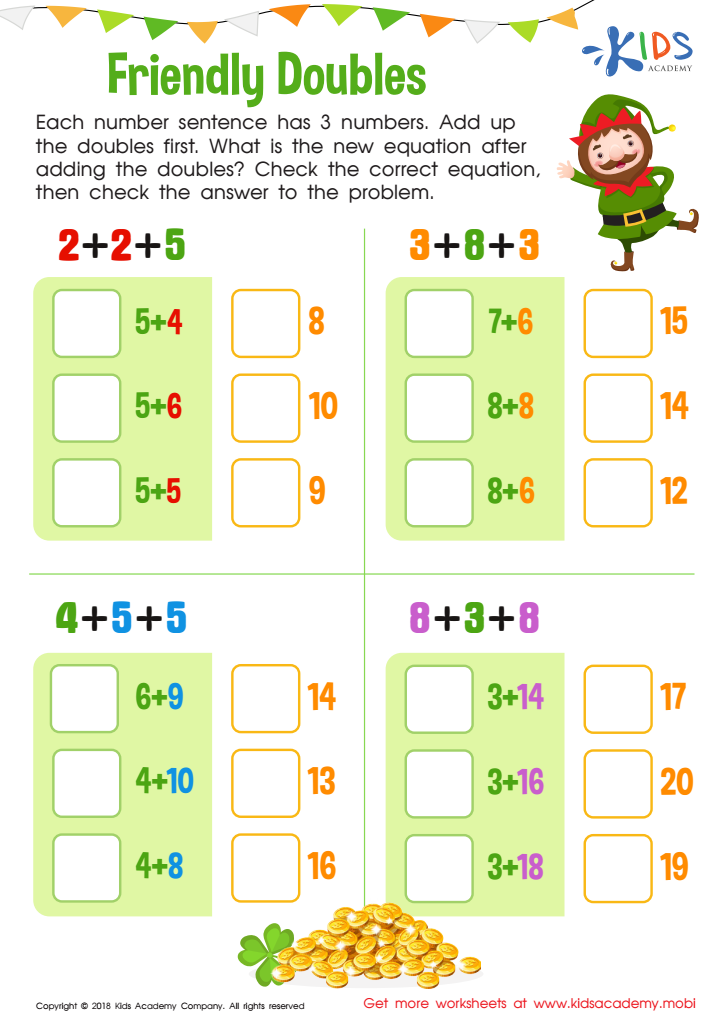
Friendly Doubles Worksheet
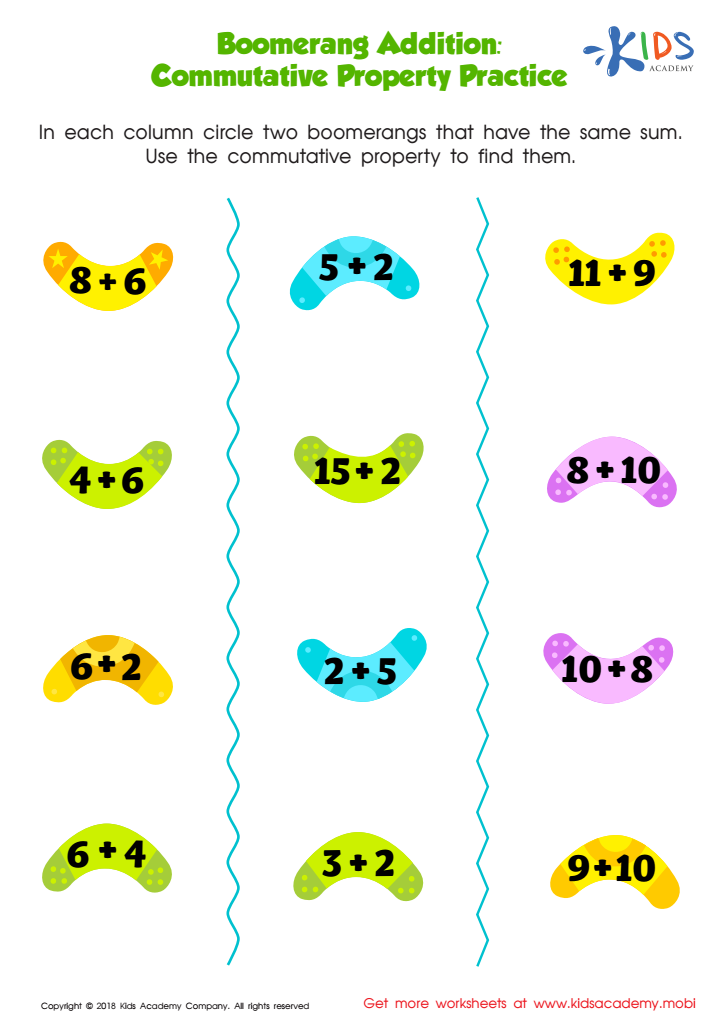
Boomerang Addition Worksheet




.jpg)
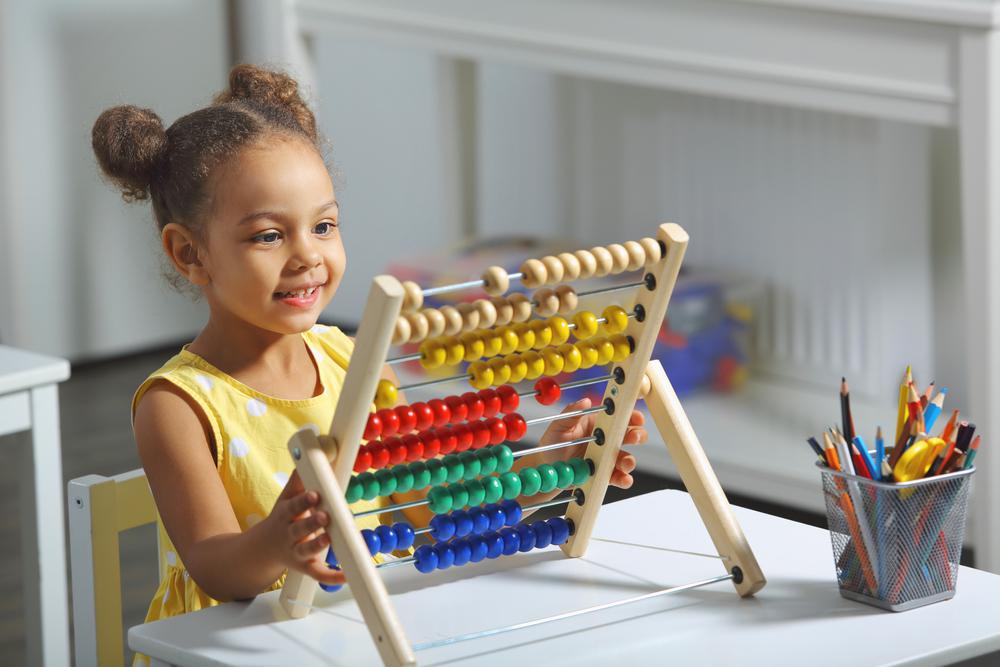

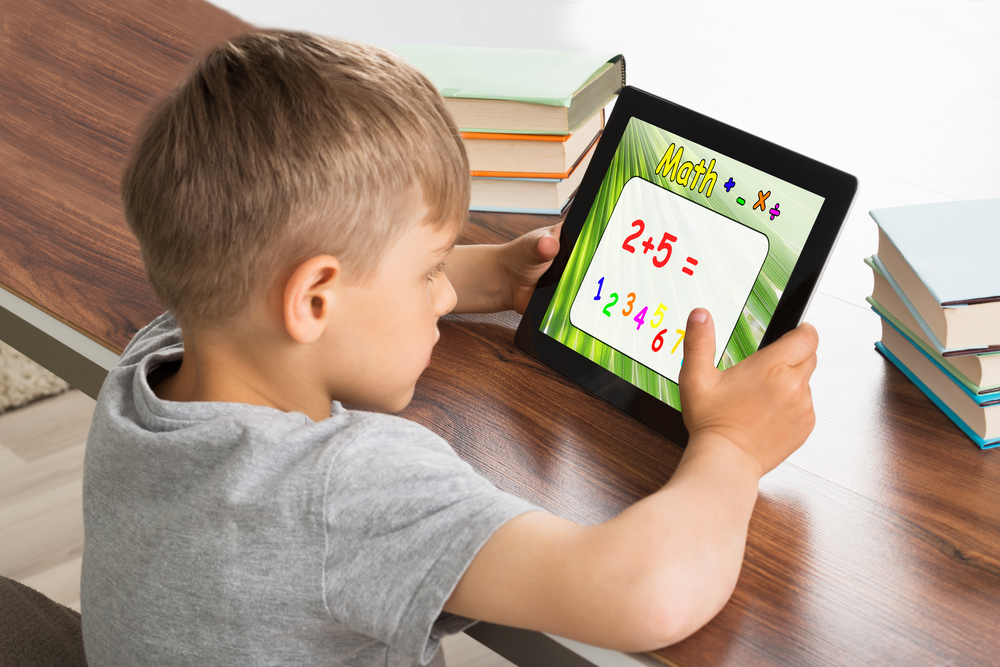
Developing mental math skills, particularly in addition, is essential for children aged 5 to 7 because it lays the groundwork for future academic success and practical life skills. At this formative stage, the brain's plasticity allows children to absorb new information and develop cognitive abilities more efficiently. Practicing mental addition boosts memory retention, enhances problem-solving skills, and fosters a strong number sense.
Furthermore, mental math encourages logical thinking and improves focus, essential attributes for overall learning. When children learn to add numbers in their heads, they gain confidence in their mathematical capabilities, leading to a more positive attitude towards math. This foundational skill also streamslines day-to-day activities, such as handling money, telling time, and making quick decisions, that are integral to independent living.
Moreover, early proficiency in mental addition prepares children for more complex mathematical concepts encountered later in their education, making transitions smoother and less intimidating. Parents and teachers who prioritize mental math contribute significantly to a child's intellectual development, equipping them with tools that are crucial for academic and practical success in life. Through engaging activities like puzzles, games, and interactive lessons, fostering these skills in early childhood can make learning both fun and impactful.








