Shape identification Addition Worksheets for Ages 5-7
13 filtered results
-
From - To
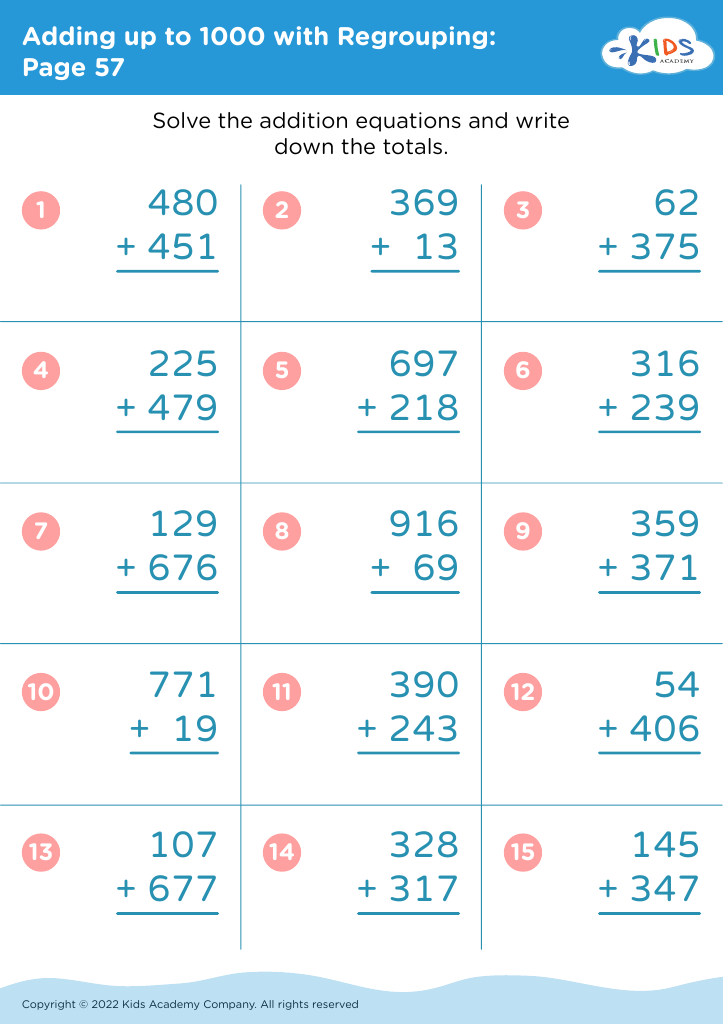
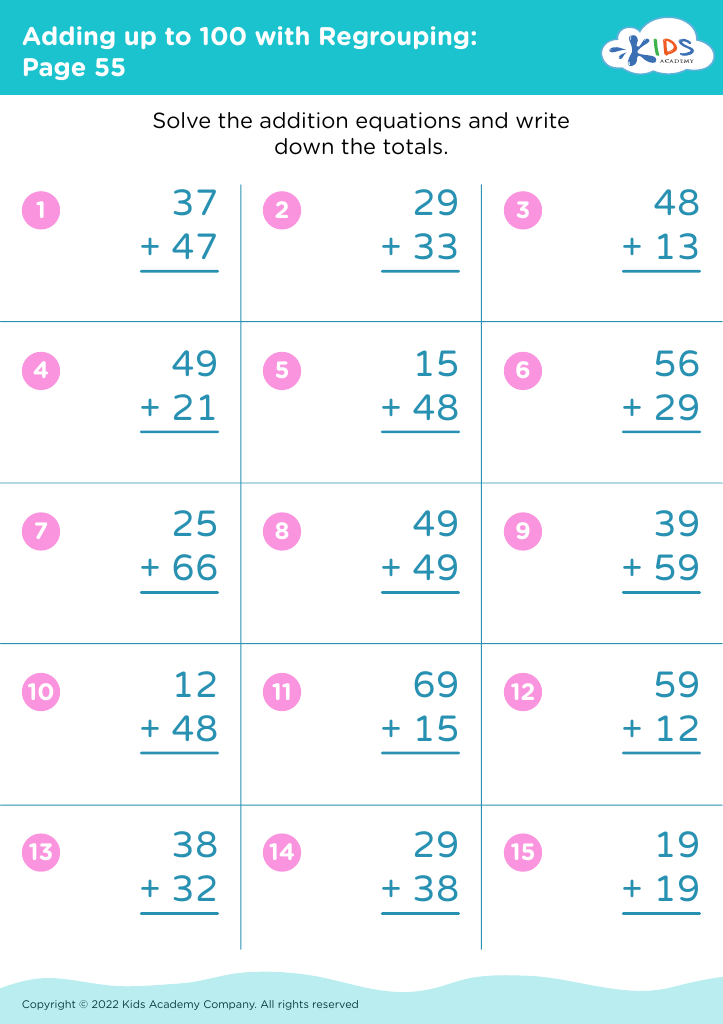
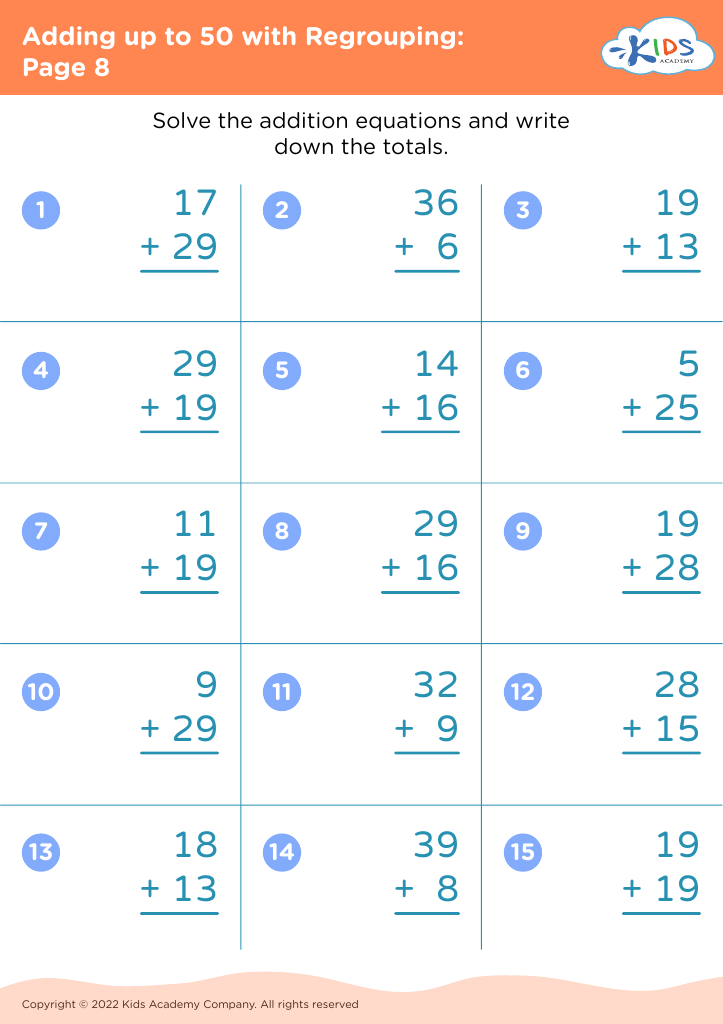
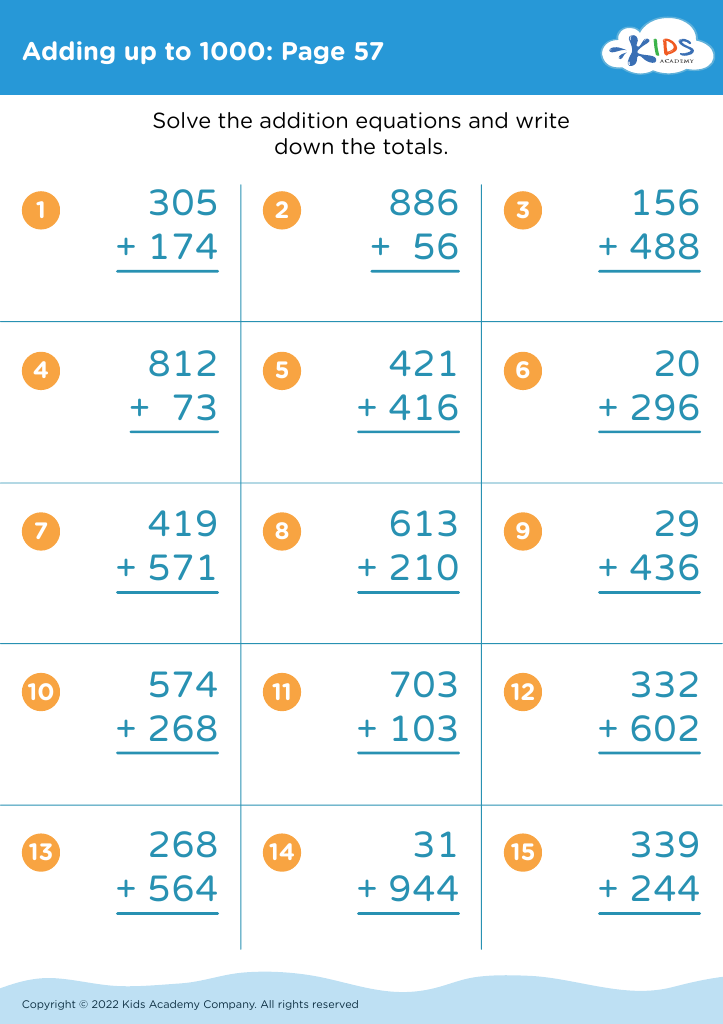
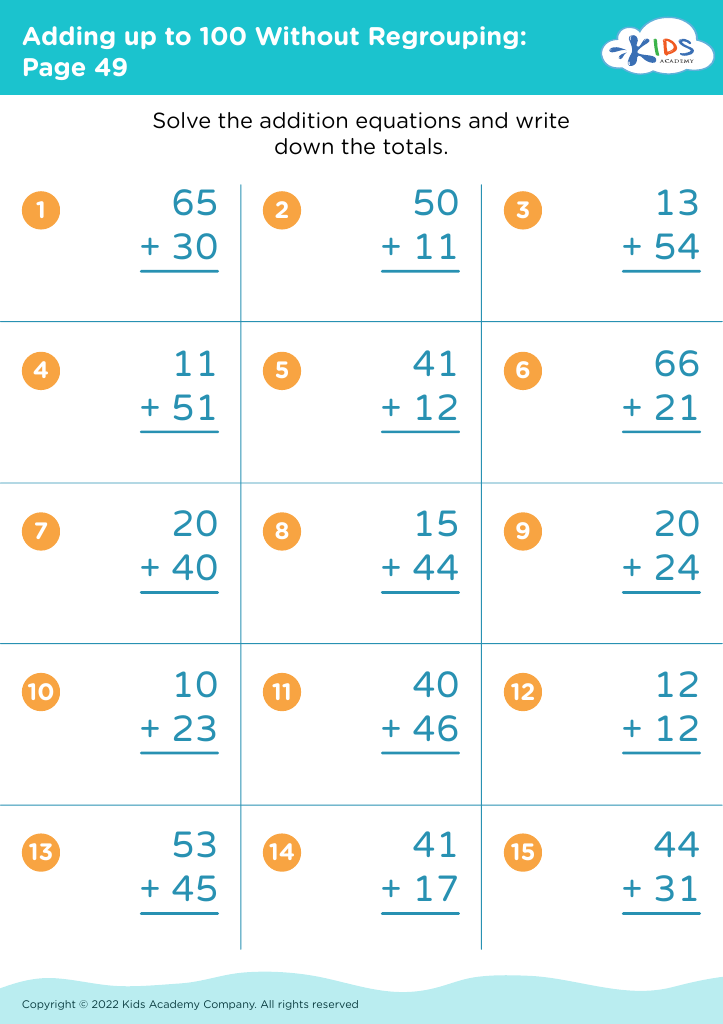
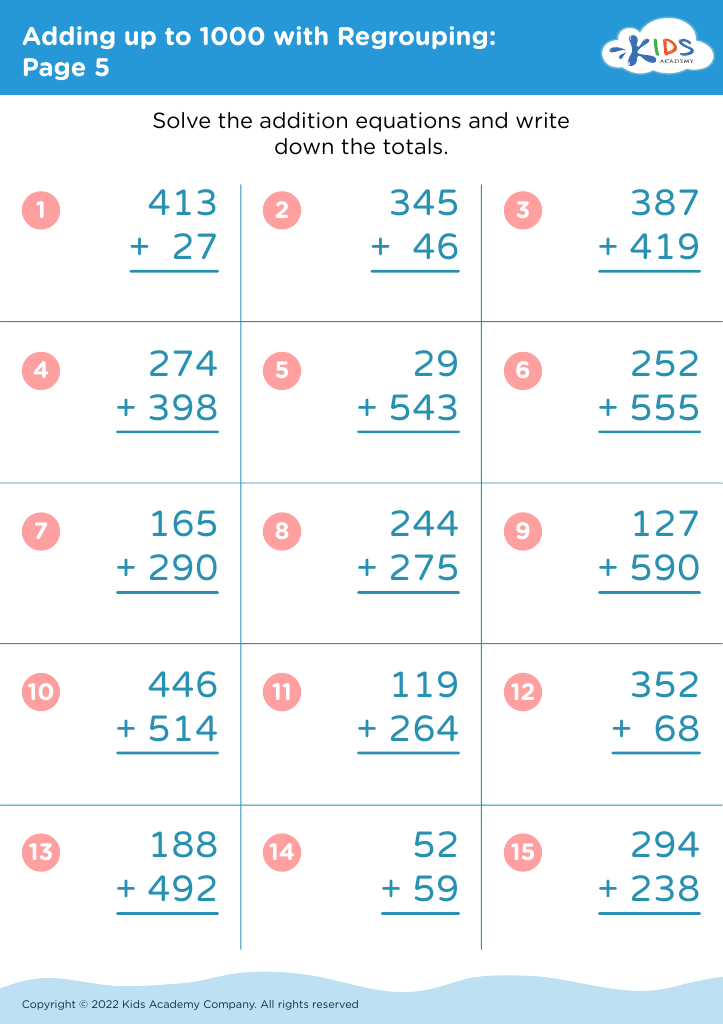
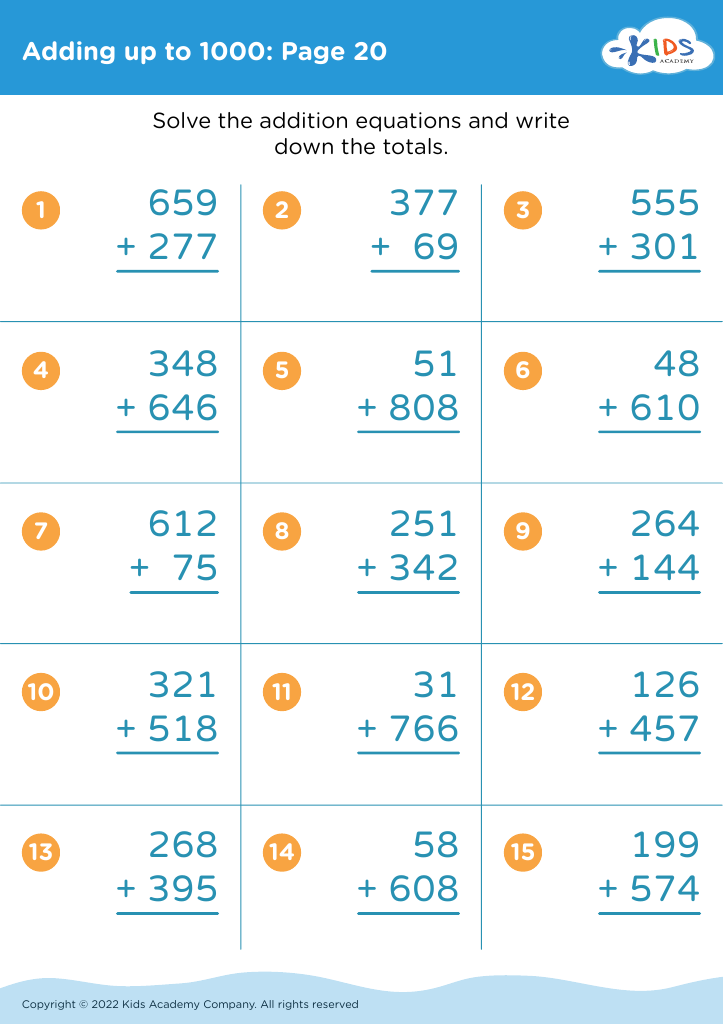
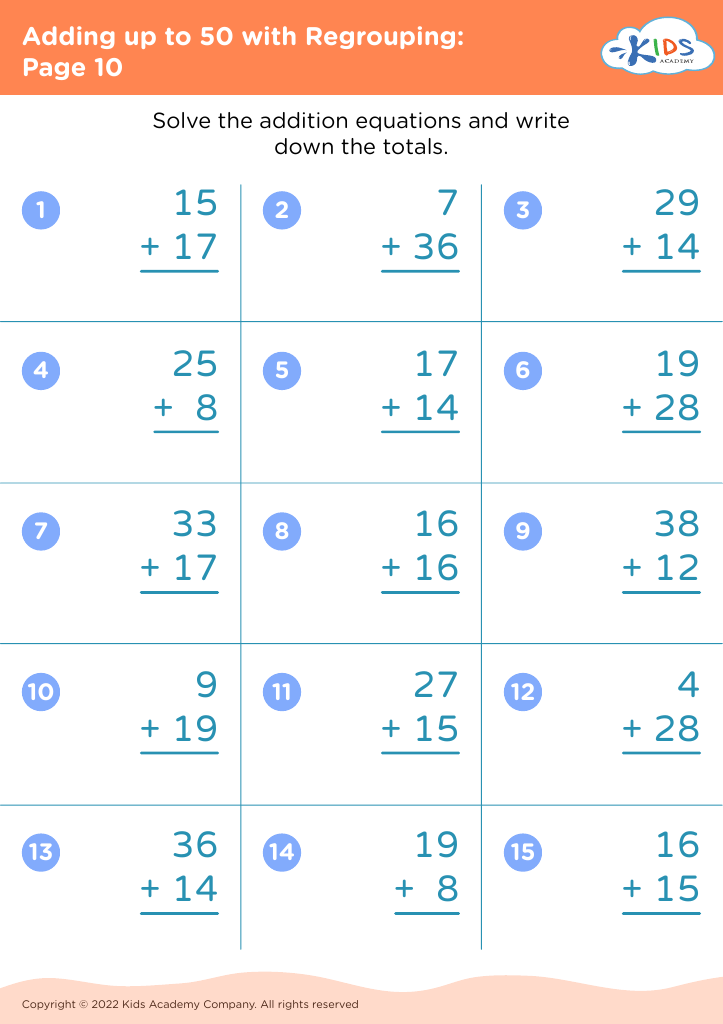
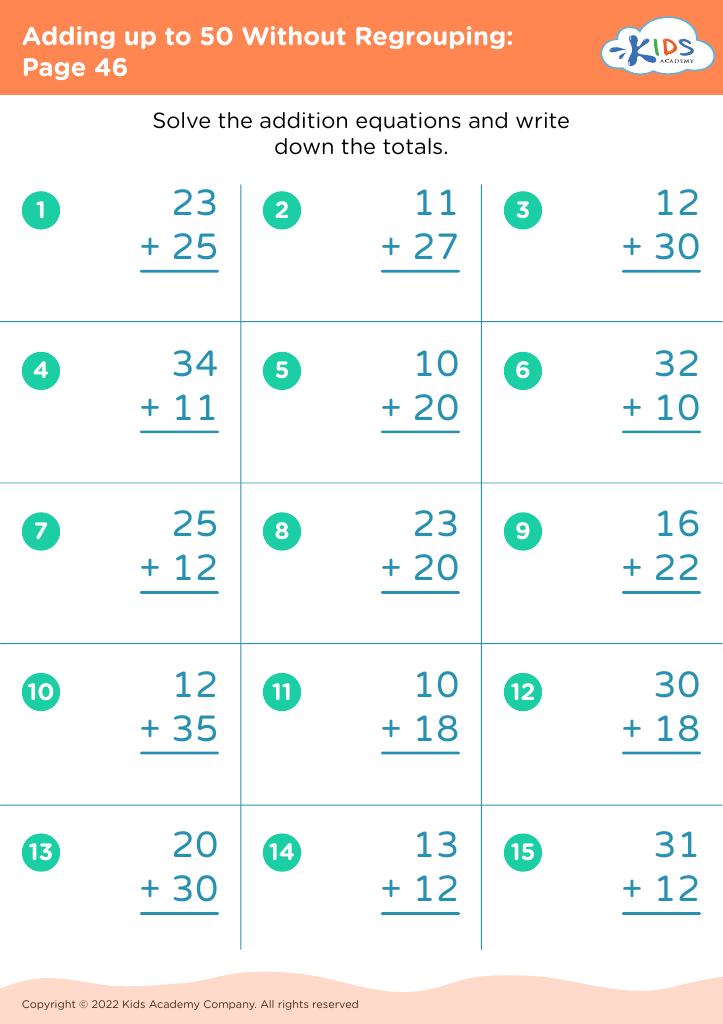
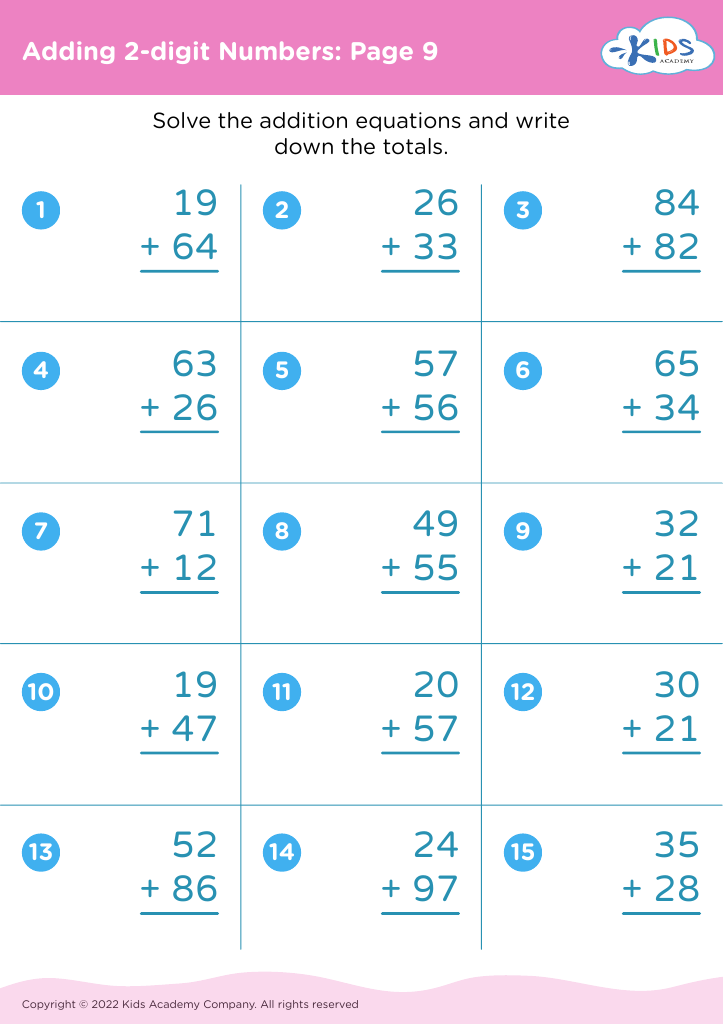
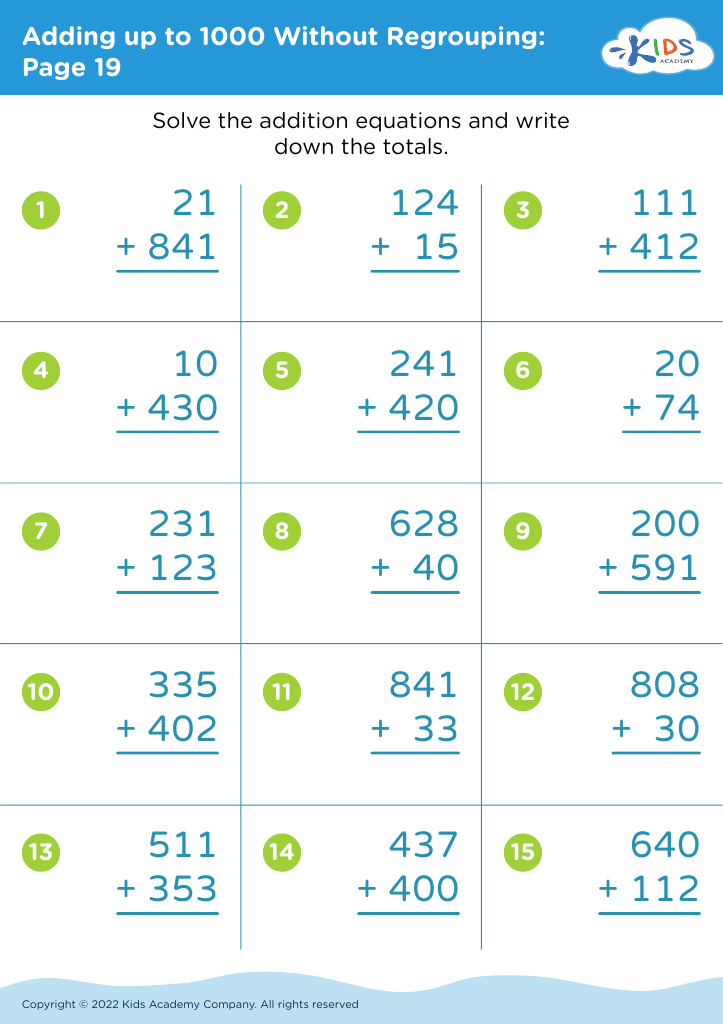
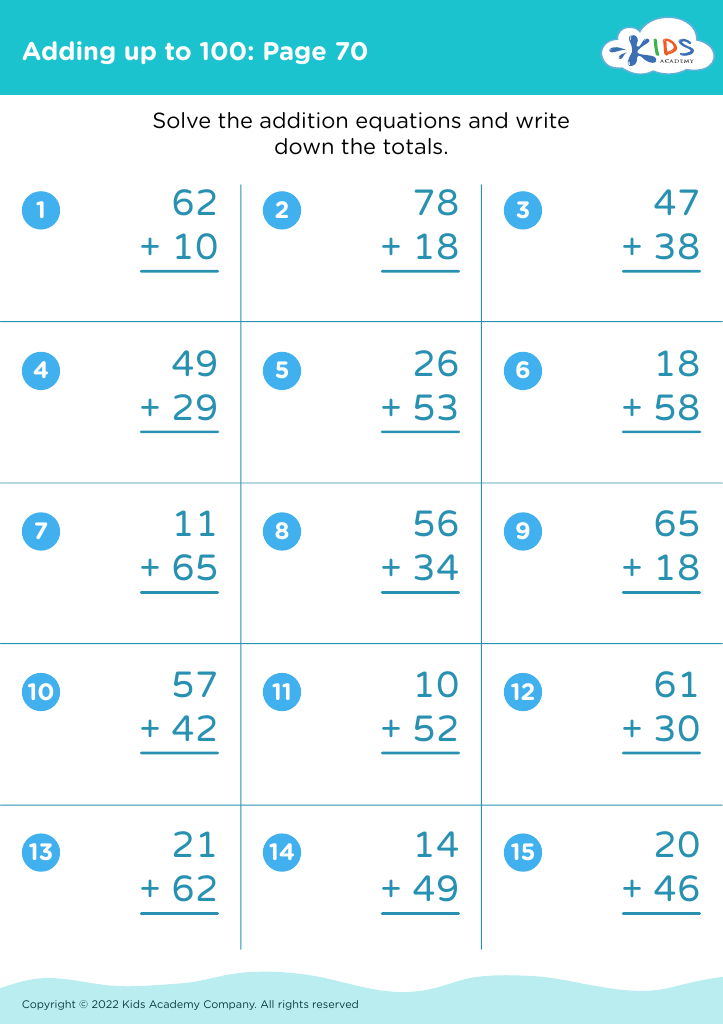
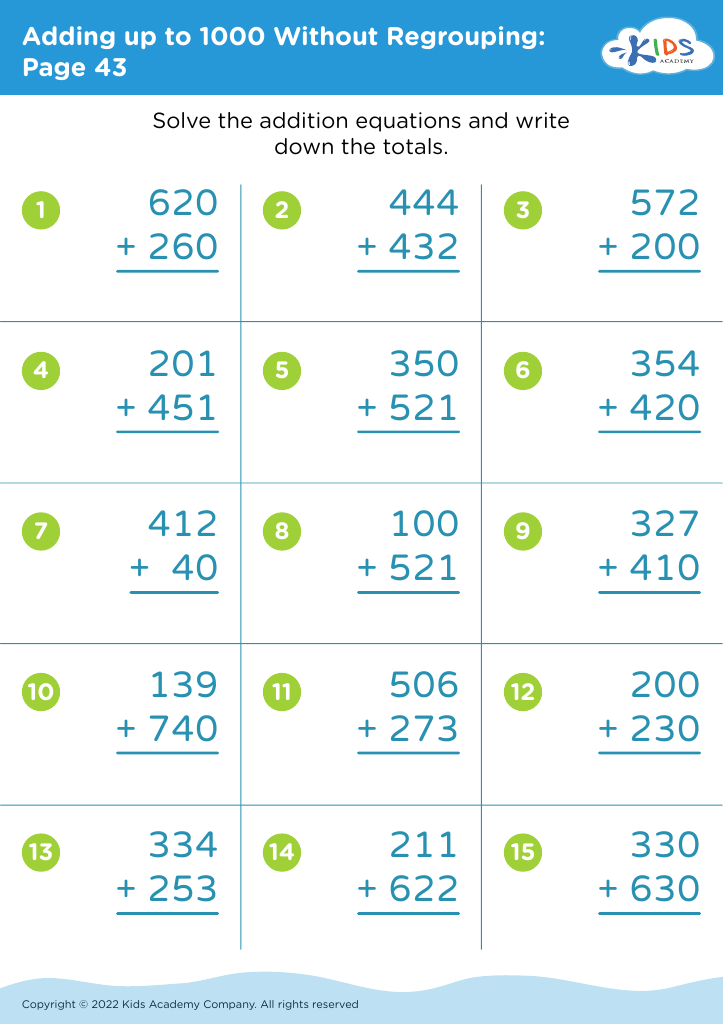
Welcome to our Shape Identification Addition Worksheets for Ages 5-7! These engaging worksheets seamlessly blend shape recognition with basic addition skills, making learning fun and interactive. Perfect for early learners, our worksheets help children identify various shapes while practicing their addition skills. Each activity is designed to develop critical thinking and foster a love for math, offering colorful visuals and stimulating exercises. As children navigate through fun problems, they will enhance their shape knowledge and numerical understanding effortlessly. Ideal for parents and teachers alike, these worksheets ensure a solid foundation for math success while promoting creativity and an early love for learning!






.jpg)

Shape identification and addition are fundamental skills for children aged 5-7, serving as building blocks for numerous cognitive and academic developments. Understanding shapes enhances spatial awareness, which aids in problem-solving and critical thinking. By recognizing and naming shapes, children not only learn their characteristics but also develop classification skills, which are crucial for logical reasoning.
Moreover, addition forms the groundwork for more complex mathematical concepts. Learning how to perform simple operations boosts confidence and encourages a lifelong love for math. These skills are interconnected; recognizing shapes is essential in solving problems that involve geometry, such as understanding area and perimeter in the future.
For parents and teachers, fostering proficiency in these areas is vital for a child's overall development. Children who master shape identification and basic addition are more likely to excel as they progress through school. Encouraging exploratory play with shapes, integrating fun activities, and providing engaging practice in addition can make learning enjoyable, reducing math anxiety and enhancing cognitive skills.
Investing time and effort into these foundational skills prepares children not just for academic success, but also for practical life situations, making it essential for parents and educators to prioritize this critical learning phase.








