Analytical thinking Math Worksheets for Ages 5-7
5 filtered results
-
From - To
Unlock your child's potential with our interactive Analytical Thinking Math Worksheets for Ages 5-7. Designed specifically to develop critical problem-solving skills, these engaging activities promote logical reasoning and sequential thinking. Perfect for early grades, our worksheets incorporate colorful visuals and fun exercises that make learning math enjoyable. Each activity challenges young minds, encouraging creativity and out-of-the-box solutions. Tailored to brain development stages, these worksheets enhance understanding of patterns, classifications, and connections, laying a solid foundation for future learning. Transform math practice into a delightful adventure with Kids Academy’s expertly crafted resources. Set your little learners on the path to success today!

The 5 Sense Scientist Worksheet
 Assign to My Students
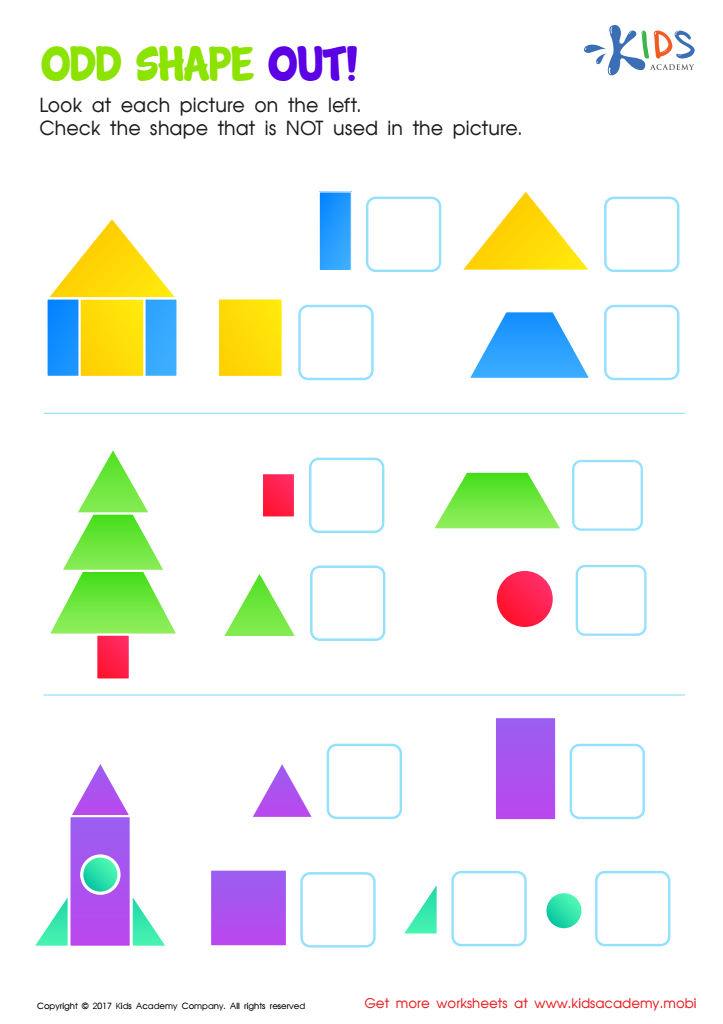
Odd Shape Out Worksheet for Grade 1
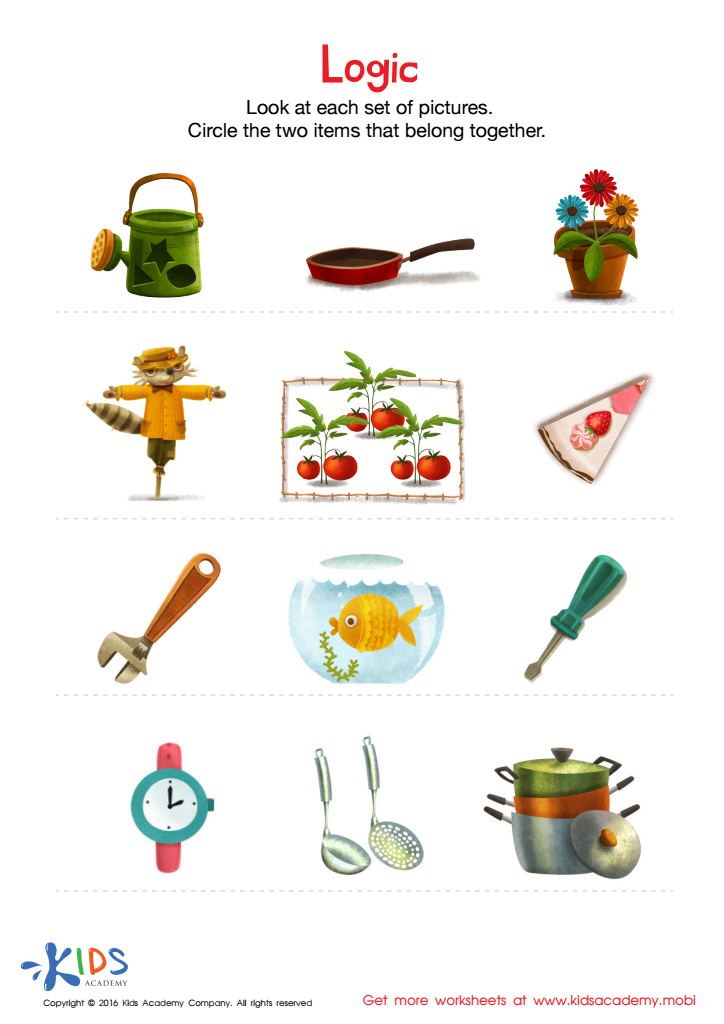
Logic Game Sorting Worksheet

After School Time Printable
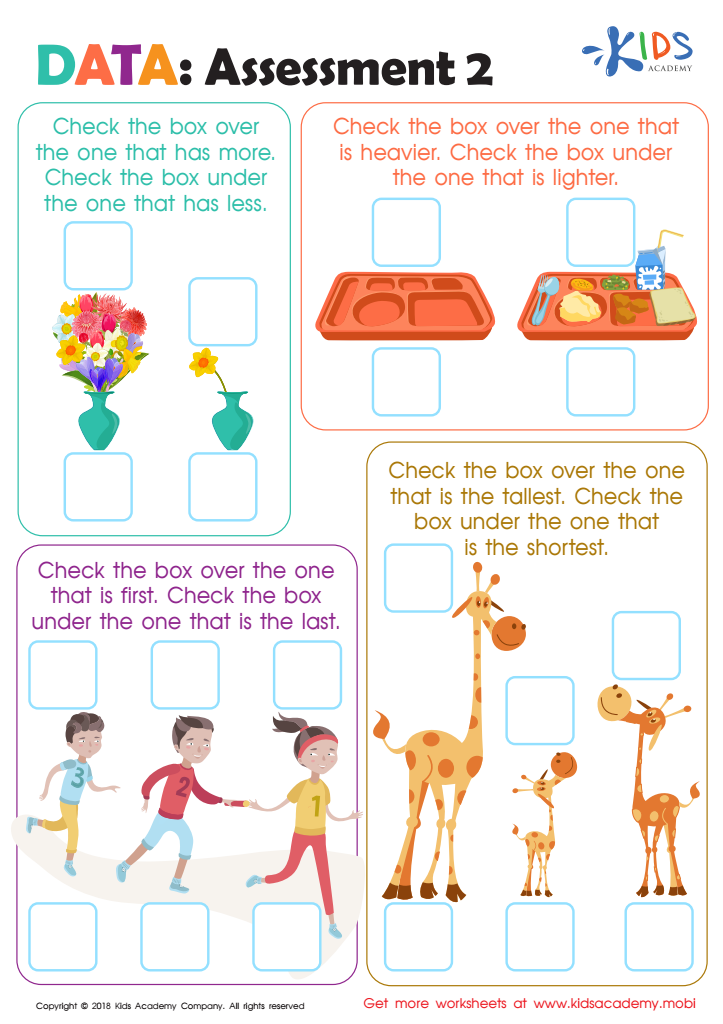
Data: Assessment 2 Worksheet








Analytical thinking in math for ages 5-7 is essential as it lays the foundation for problem-solving and logical reasoning skills that children will use throughout their education and daily lives. During these formative years, children's brains are exceptionally receptive to new information and skill development. Introducing analytical thinking through math at this stage encourages young learners to approach problems methodically, breaking them down into smaller, manageable parts.
One key benefit is the enhancement of critical thinking skills. Young children who engage with analytical math tasks learn to identify patterns, understand relationships, and make informed decisions based on logical evidence. This cognitive development is crucial not just for math, but for all subjects and real-world situations they'll encounter.
Moreover, fostering analytical thinking early on can boost children's confidence. As they successfully navigate complex problems and think critically, their self-esteem grows, fueling a positive attitude towards learning. This eagerness to tackle challenges can lead to a lifelong passion for discovery and innovation.
Parents and teachers play a pivotal role in nurturing these skills. By encouraging analytical thinking in math, they help children build a strong academic foundation, equipping them with lifelong tools to succeed in an increasingly complex world.








