
Color matching Math Worksheets for Ages 5-7
3 filtered results
Difficulty Level
Grade
Age
-
From - To
Subject
Activity
Standards
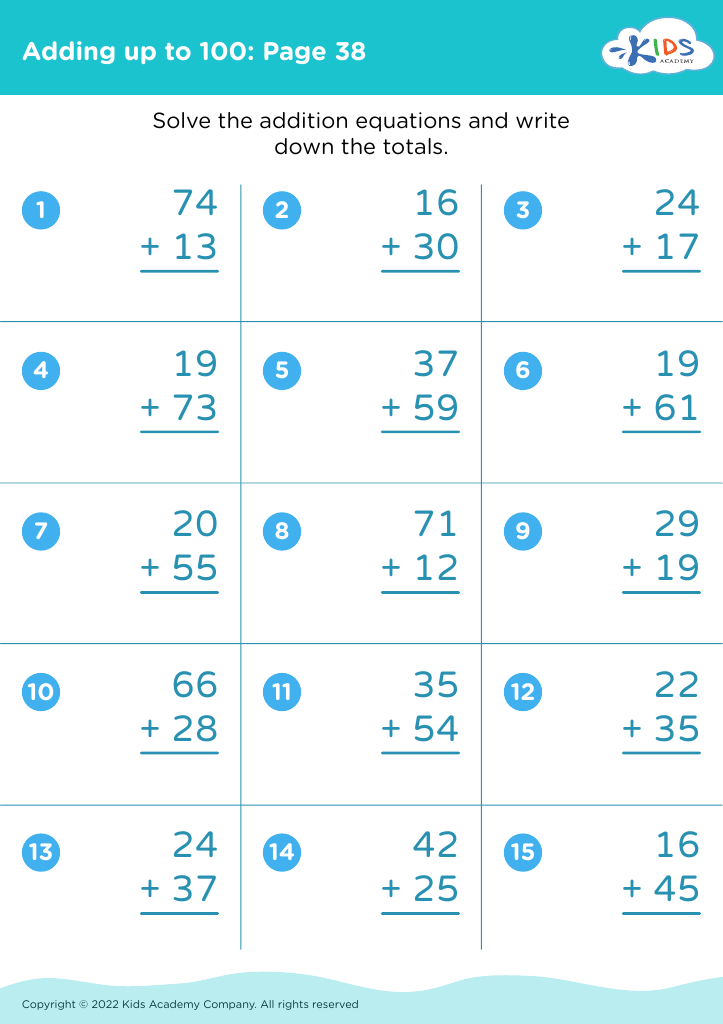
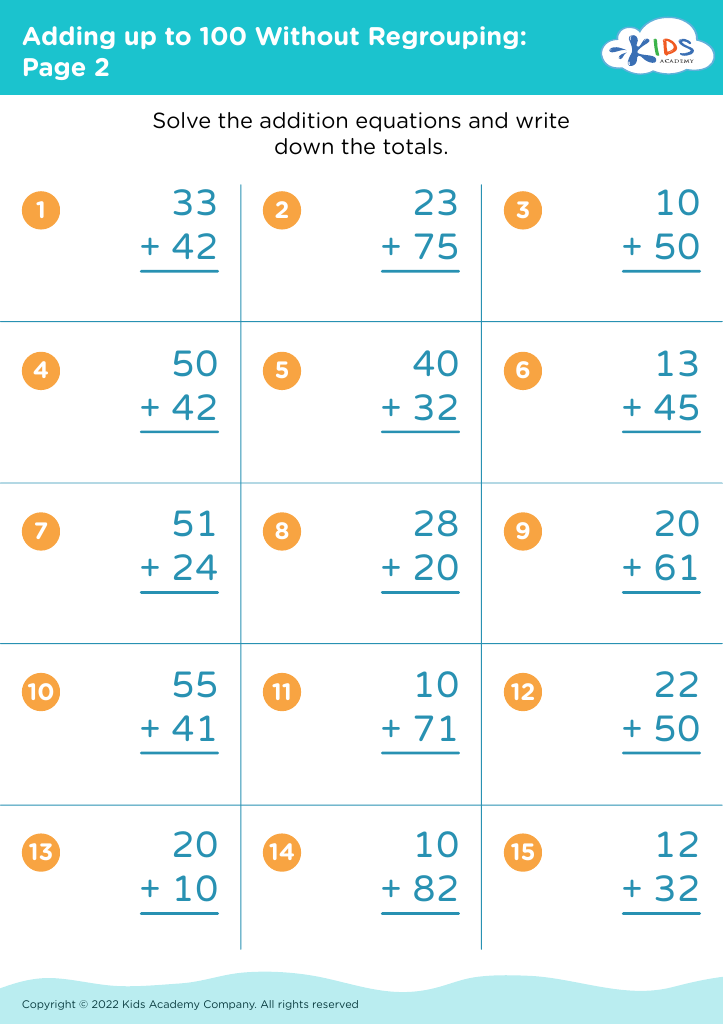
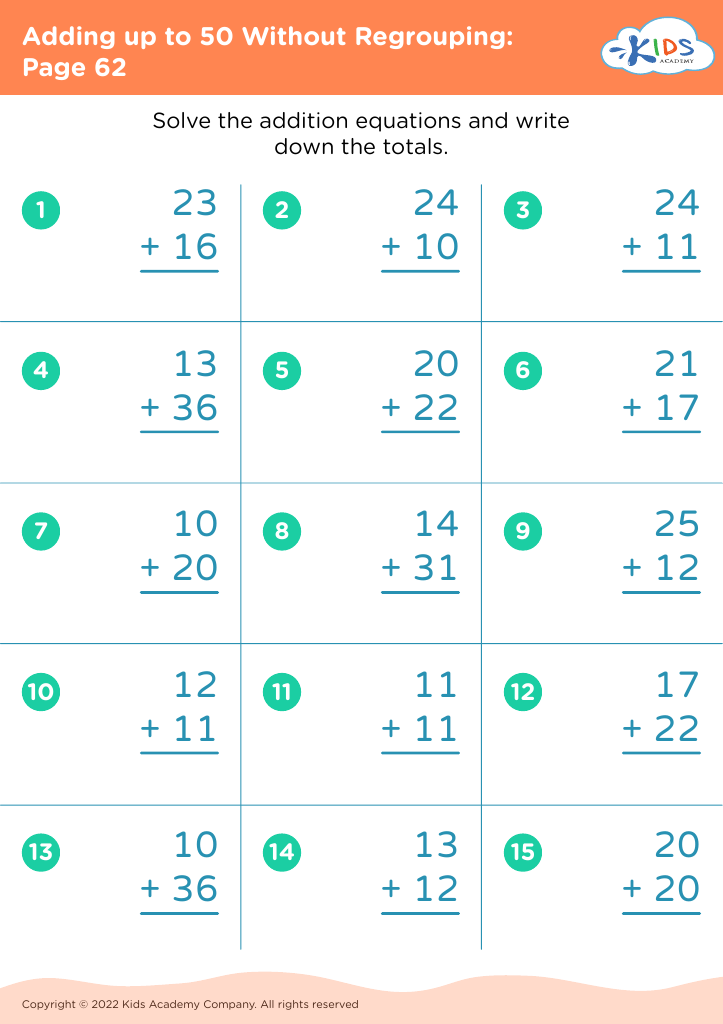
Explore our engaging Color Matching Math Worksheets designed specifically for children aged 5-7! These interactive worksheets incorporate vibrant colors and fun activities, helping young learners cultivate essential math skills while also enhancing their color recognition abilities. Children will enjoy sorting, matching, and pairing colors with numbers, objects, and shapes. Our resources foster critical thinking and problem-solving, ensuring a well-rounded educational experience. Support your child's learning journey and boost their confidence in math through colorful, enjoyable tasks that make learning fun! Perfect for at-home learning or classroom use, these worksheets are an excellent tool for early mathematical foundations. Start the adventure today!
Favorites
With answer key
Interactive
Join Kids Academy for Free
Who is primarily going to use this learning content?






Color matching math is a playful and engaging way to introduce foundational mathematical concepts to children aged 5-7. Parents and teachers should care about this approach because it harnesses the natural curiosity and creativity of young learners, making abstract concepts more tangible and accessible. By incorporating colors into math activities, children can develop essential skills such as counting, sorting, pattern recognition, and basic addition and subtraction in a fun and interactive way.
Moreover, color matching activities can enhance cognitive and motor skills, encouraging children to manipulate objects, which boosts their hand-eye coordination. As they engage in these activities, children learn to make connections between colors and numbers, promoting critical thinking and problem-solving abilities.
Additionally, color matching fosters a sense of collaboration when children work together in groups, thereby enhancing their social skills. It creates a joyful learning environment where mistakes are less intimidating, and learning becomes a positive experience.
Through this method, educators and parents can instill a love for math early on, setting a solid foundation for future learning. By recognizing and supporting color matching math, parents and teachers can help cultivate confident, capable learners equipped with essential skills for academic success.








