Color recognition Math Worksheets for Ages 5-7 - Page 2
36 filtered results
-
From - To
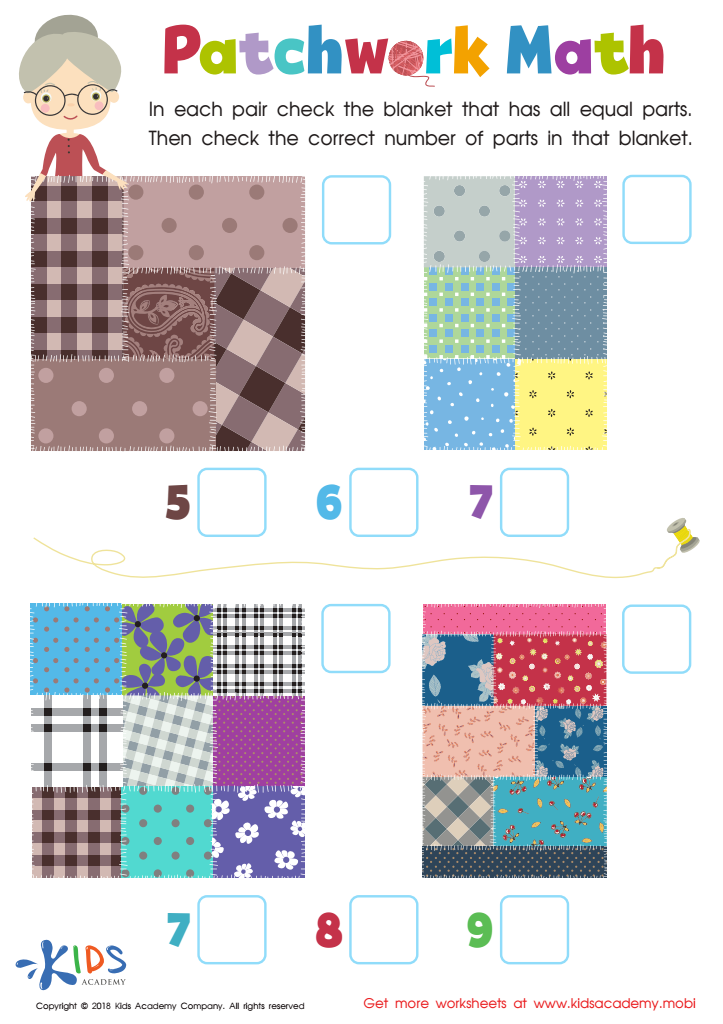
Patchwork Math Worksheet
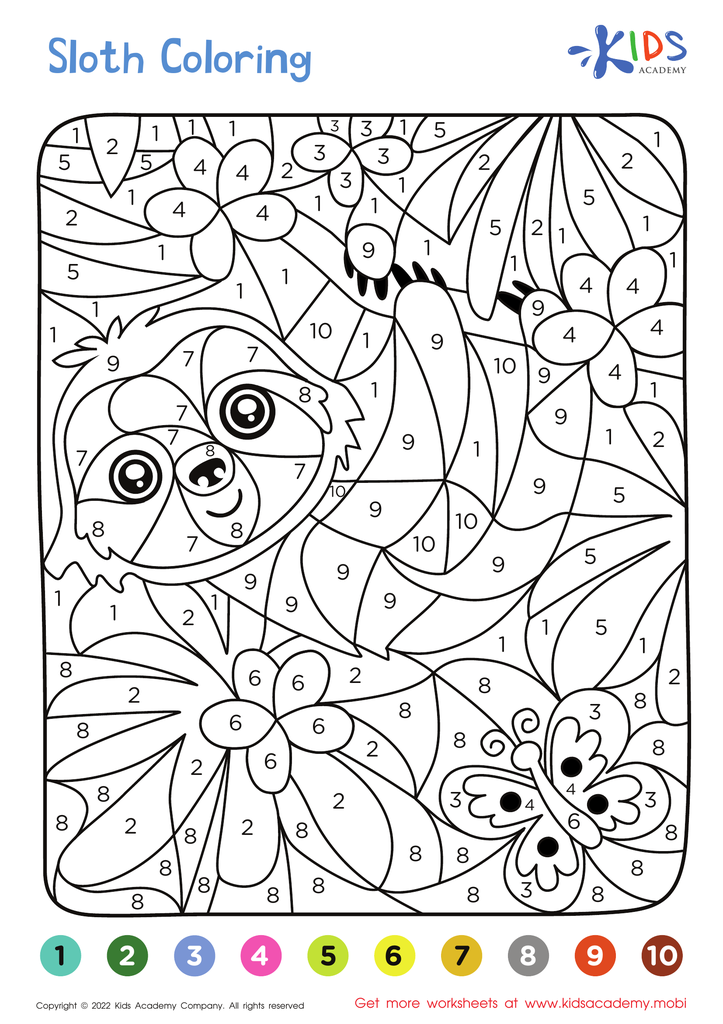
Sloth – Coloring by Numbers
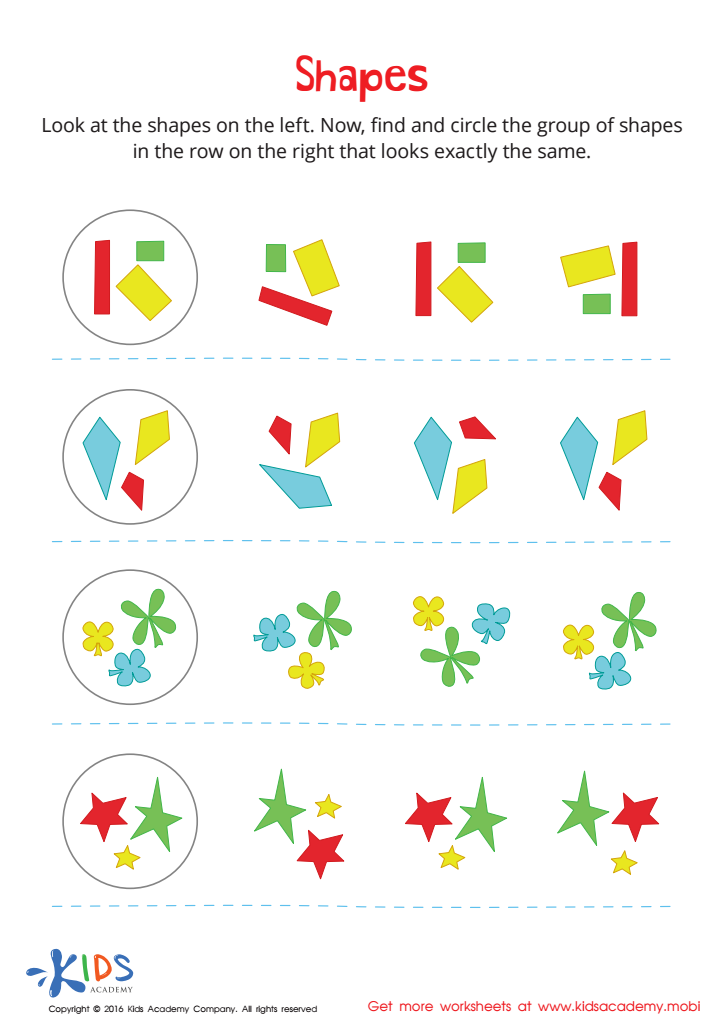
Shapes Worksheet
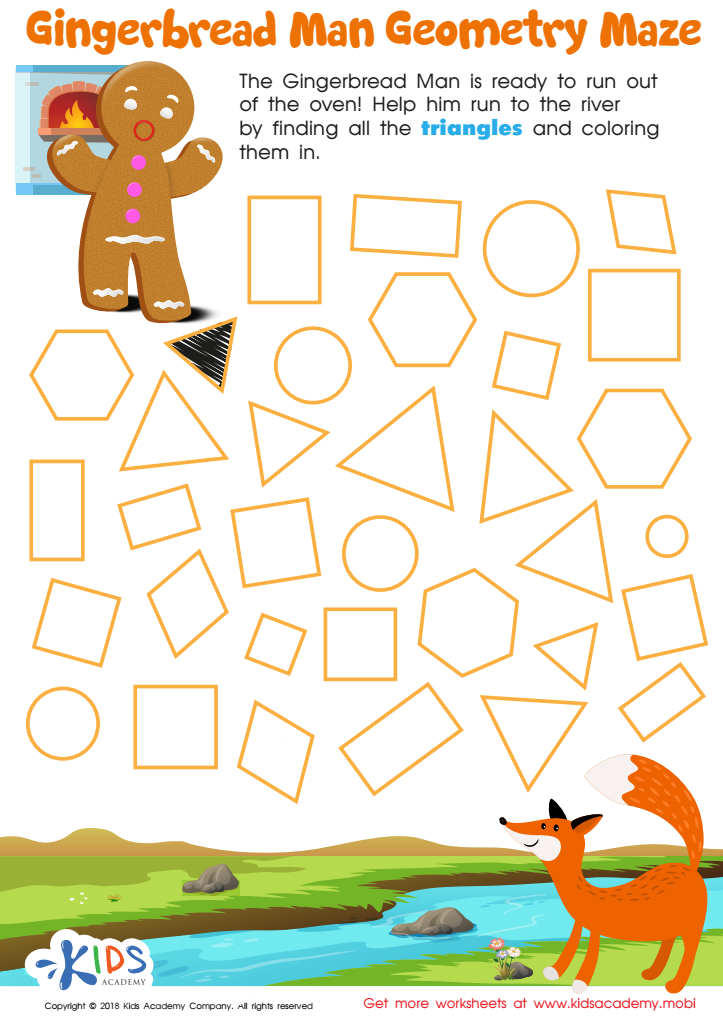
Gingerbread Man Geometry Maze Worksheet
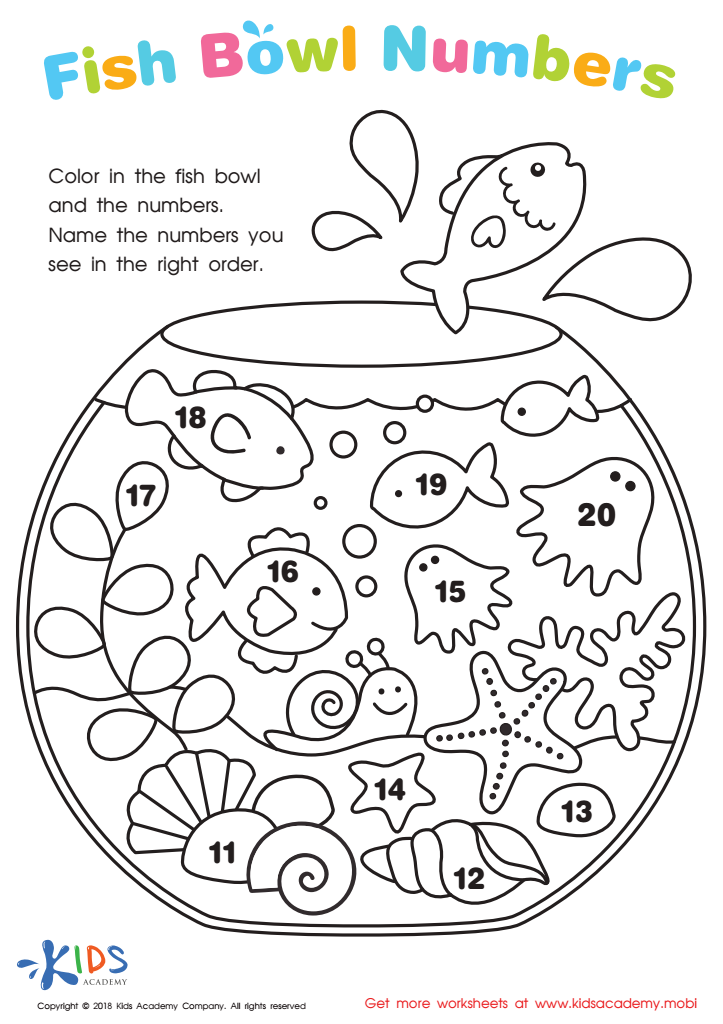
Fish Bowl Numbers Worksheet
 Assign to My Students
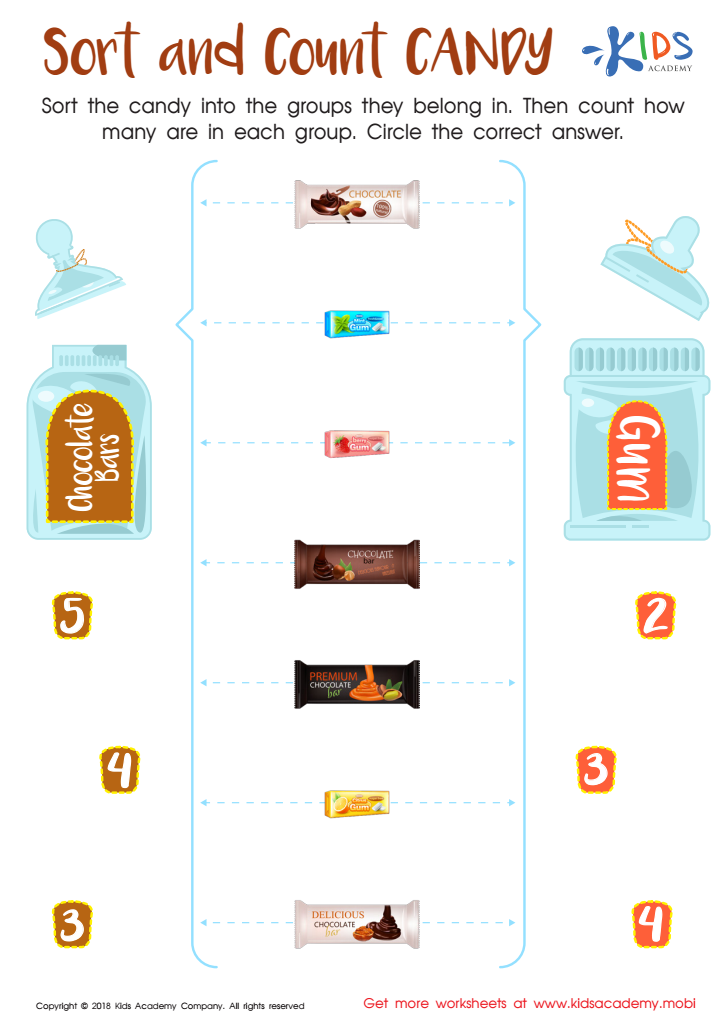
Sort and Count Candy Worksheet
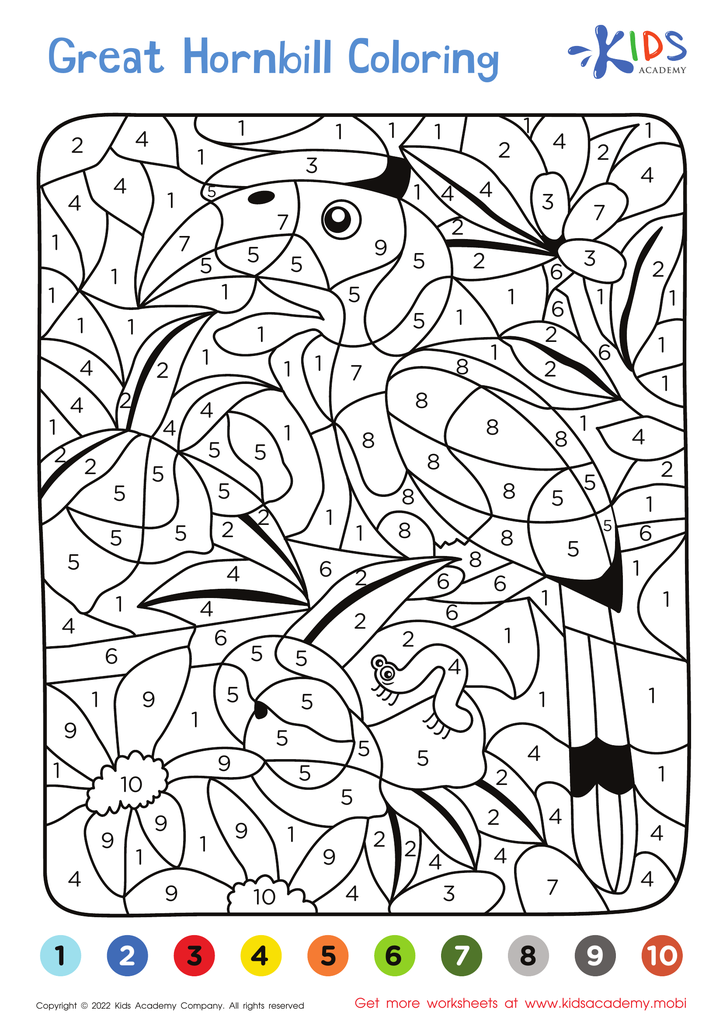
Great Hornbill – Coloring by Numbers
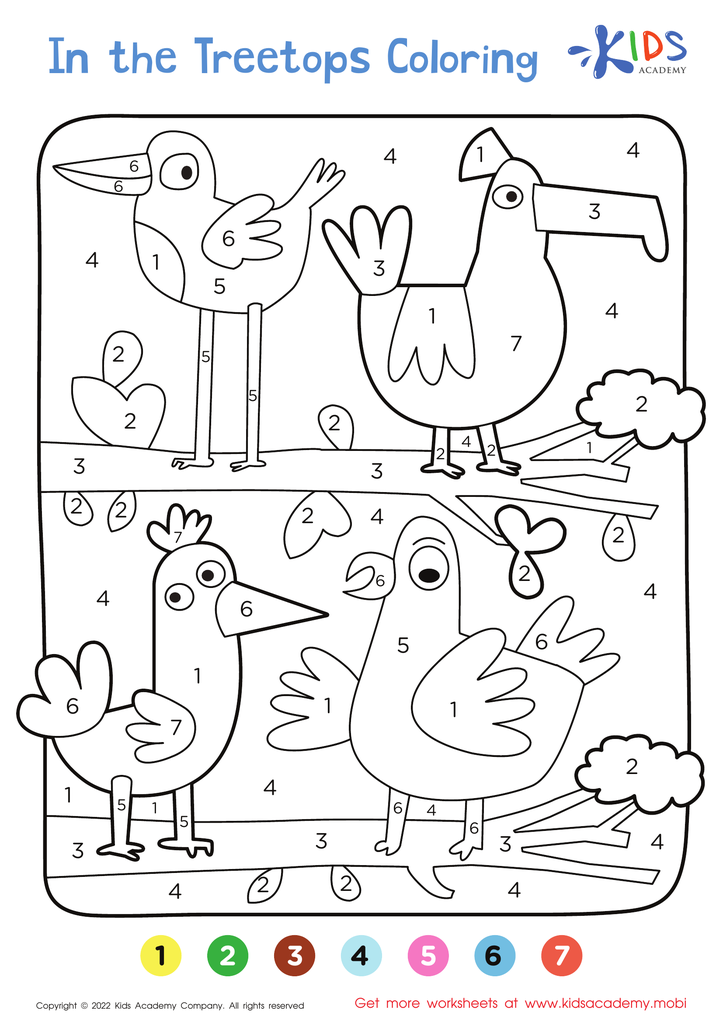
In the Treetops – Coloring Page
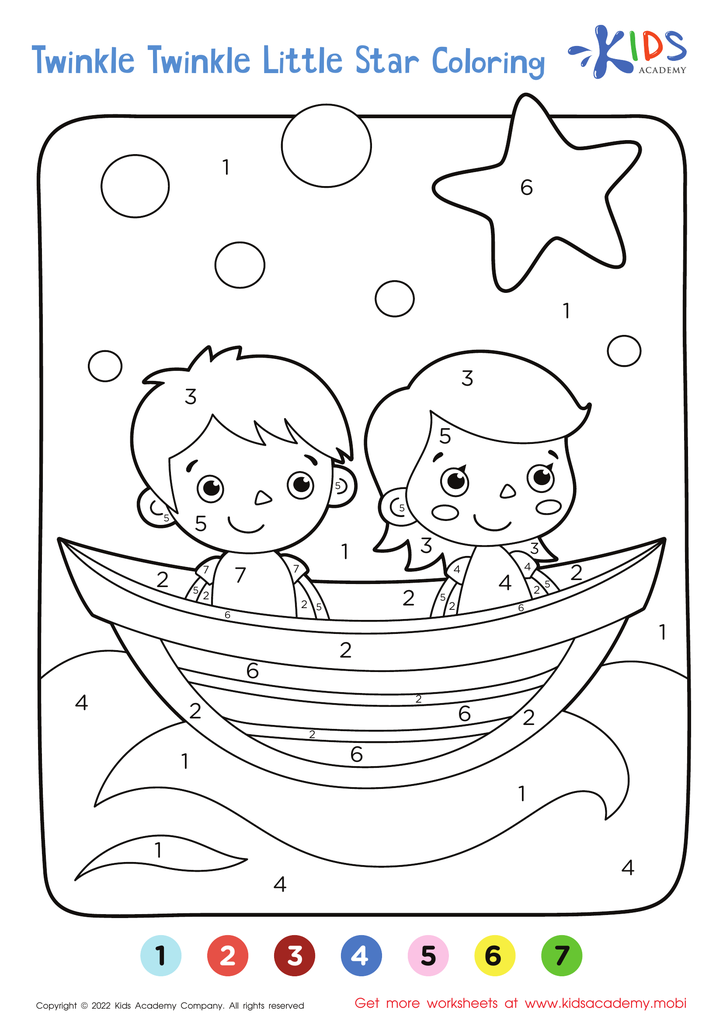
Twinkle, Twinkle, Little Star – Coloring by Numbers
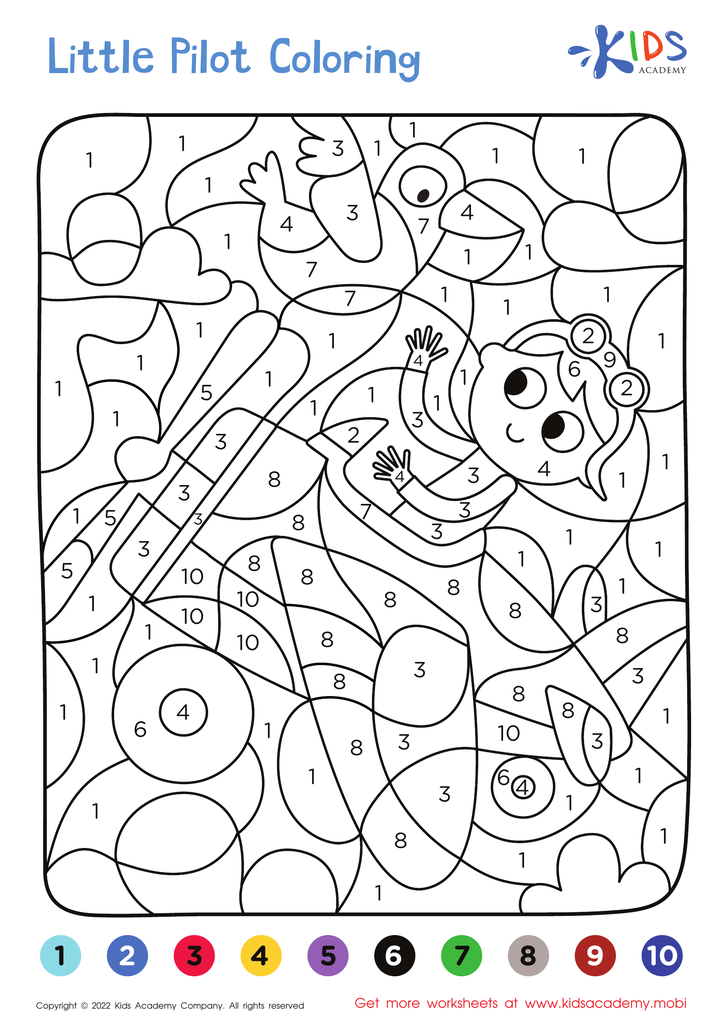
Little Pilot – Coloring by Numbers
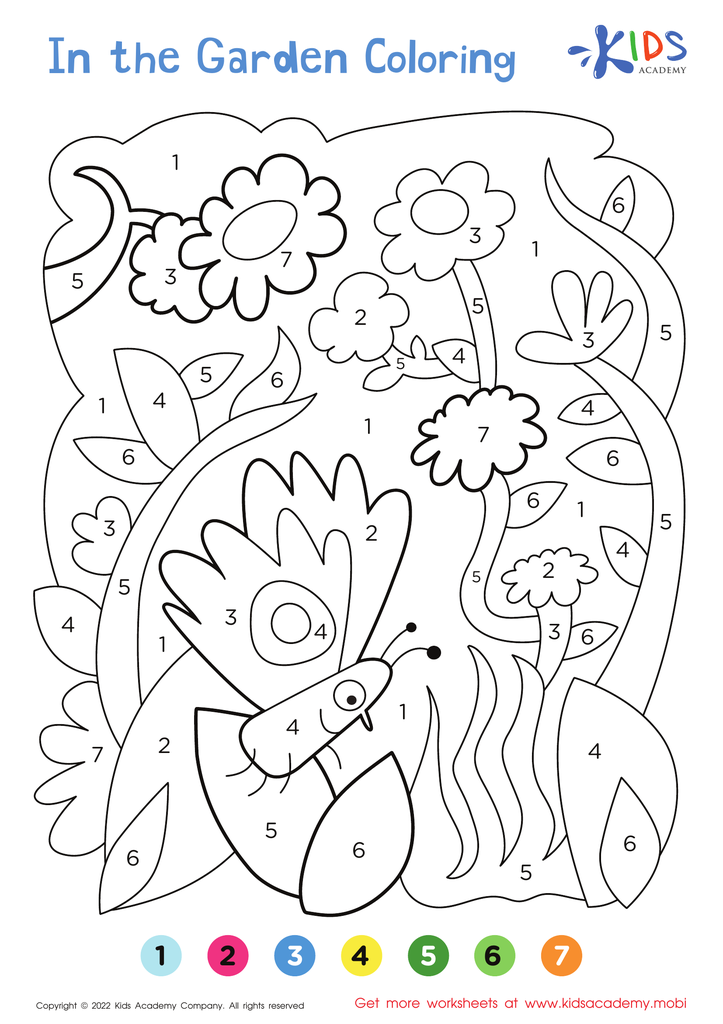
In the Garden – Coloring by Numbers
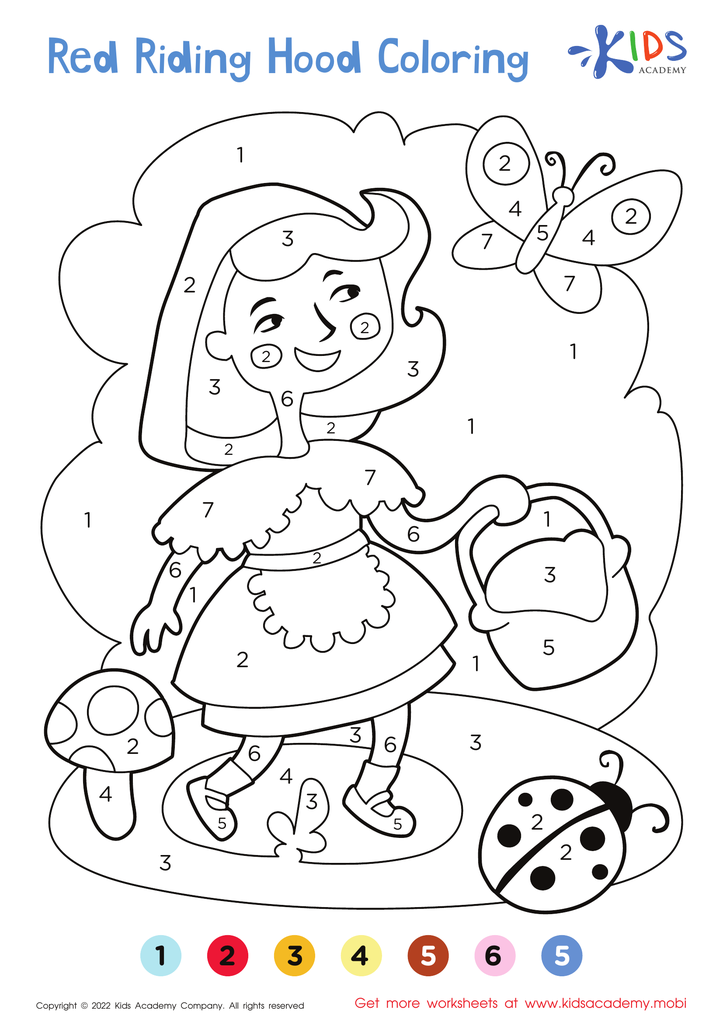
Little Red Riding Hood – Coloring by Numbers








Color recognition math for ages 5-7 is pivotal for several reasons, making it essential for both parents and teachers to care about it. First and foremost, integrating colors into early math lessons fosters engagement and interest. Young children are naturally drawn to bright and vibrant colors, which can transform mundane tasks into fun learning experiences.
Teaching math concepts using colors also aids in the development of cognitive skills. Associating numbers or counting with specific colors helps children form mental connections, thereby enhancing memory and recall abilities. For instance, a child might remember that three apples are red, and this association can aid in quicker number recognition.
Moreover, combining color recognition with math teaches children to categorize and differentiate, which are vital skills for problem-solving and logical thinking. Sorting objects by color and number engages both brain hemispheres, further promoting overall mental development.
Socially and emotionally, children gain confidence as they successfully navigate through color-coded math exercises, creating a positive and encouraging learning atmosphere. Through creative activities that involve sorting colored shapes, counting colored objects, and simple addition and subtraction using colors, children also develop fine motor skills, such as hand-eye coordination.
Ultimately, enriching early math education with colors lays a strong foundation for future academic success and instills a lifelong love for learning.








