Check out this FREE Trial Lesson on Math for age 5-7!

Z

Favorites
With answer key
Interactive
  • 5-7
  • Comparing Fractions
  • Math
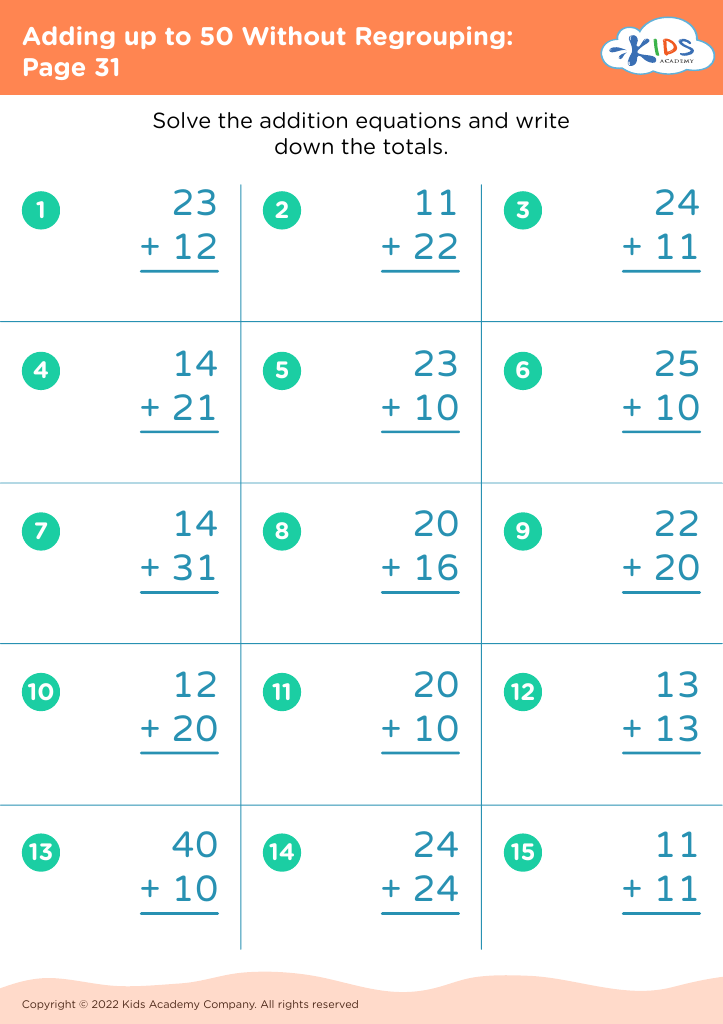
Adding up to 50 Without Regrouping: Page 31
Worksheet
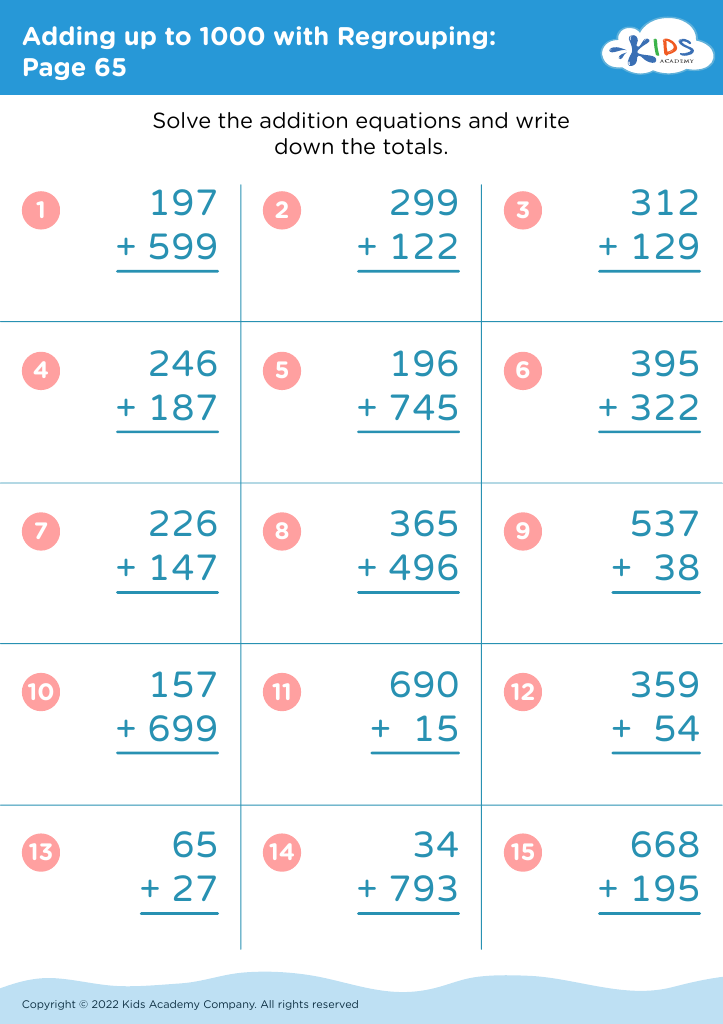
Adding up to 1000 with Regrouping: Page 65
Worksheet
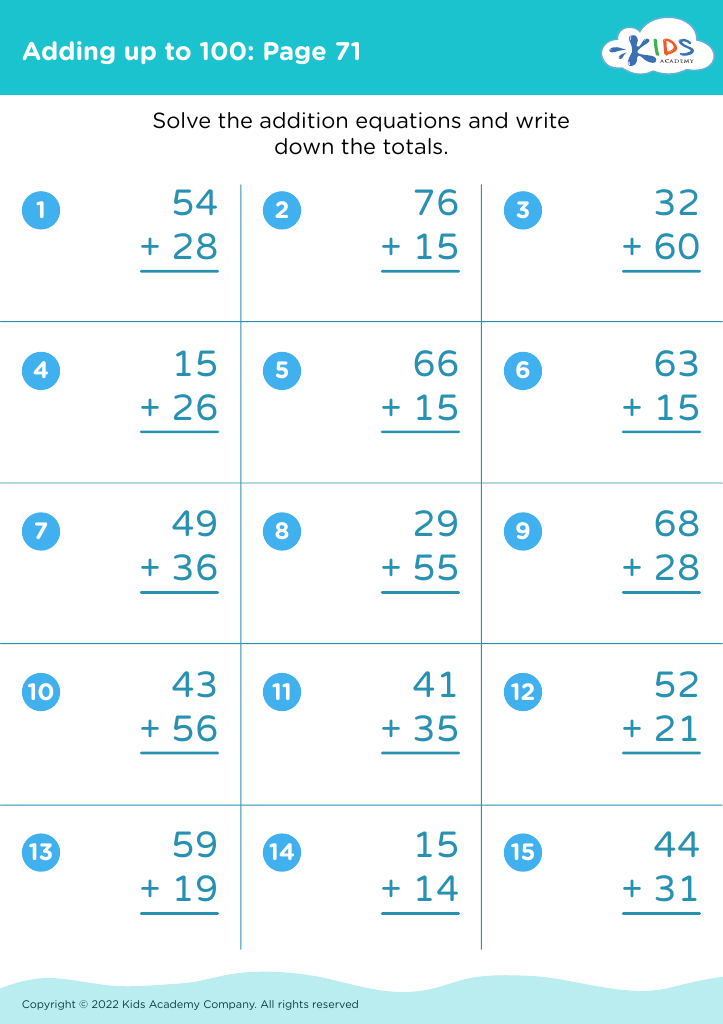
Adding up to 100: Page 71

Adding up to 100: Page 71

Adding up to 100: Page 71
Worksheet
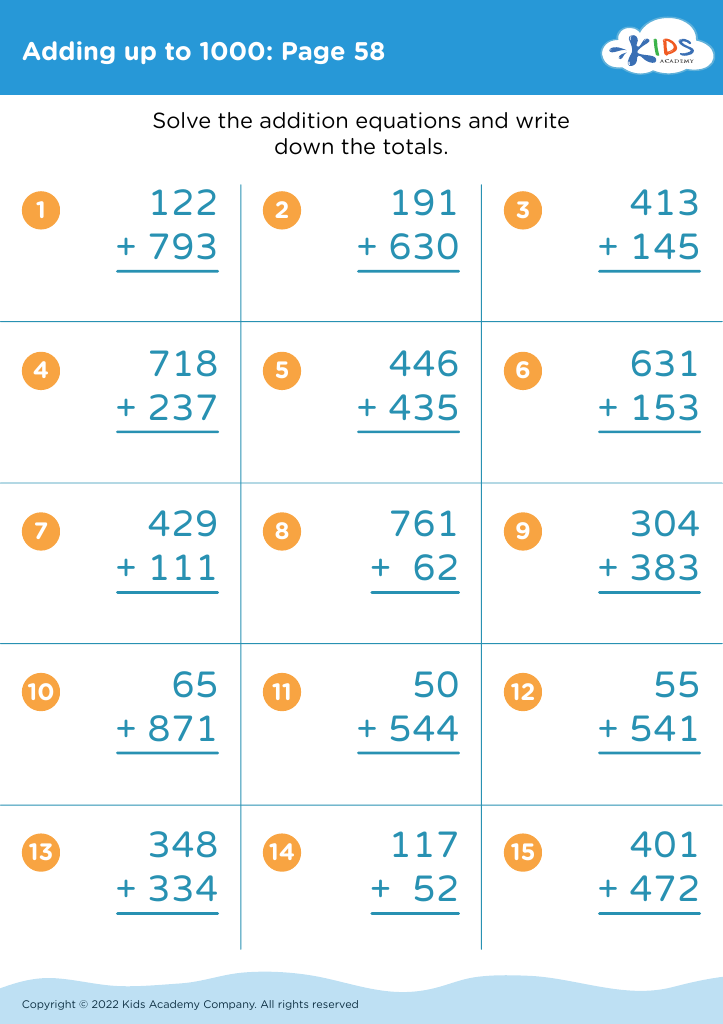
Adding up to 1000: Page 58

Adding up to 1000: Page 58

Adding up to 1000: Page 58
Worksheet
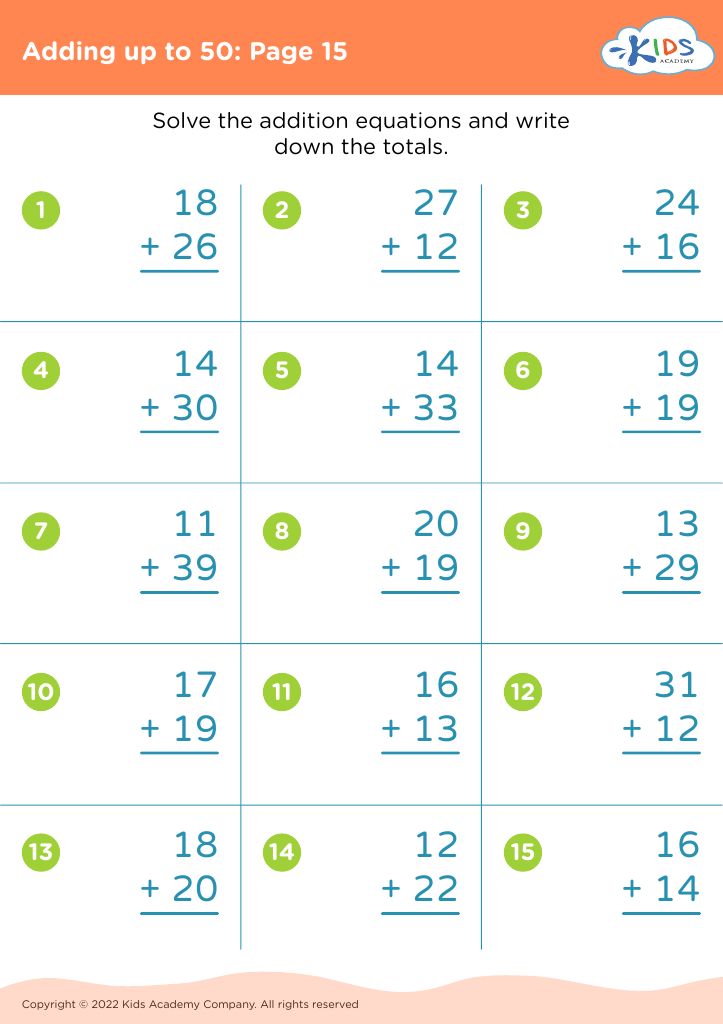
Adding up to 50: Page 15

Adding up to 50: Page 15

Adding up to 50: Page 15
Worksheet
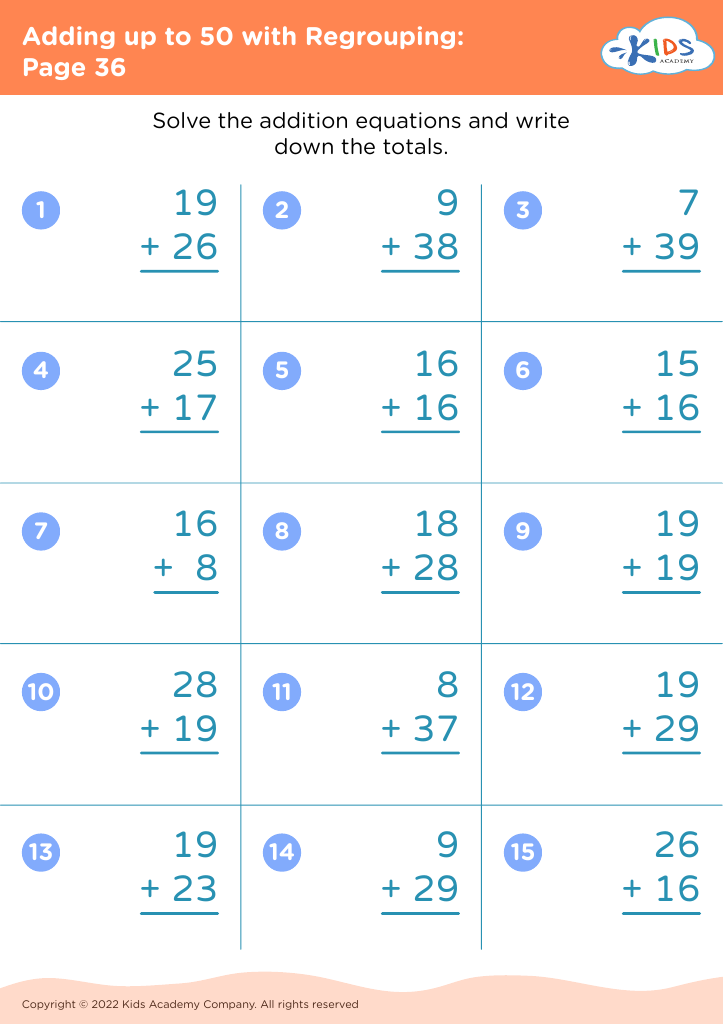
Adding up to 50 with Regrouping: Page 36
Worksheet
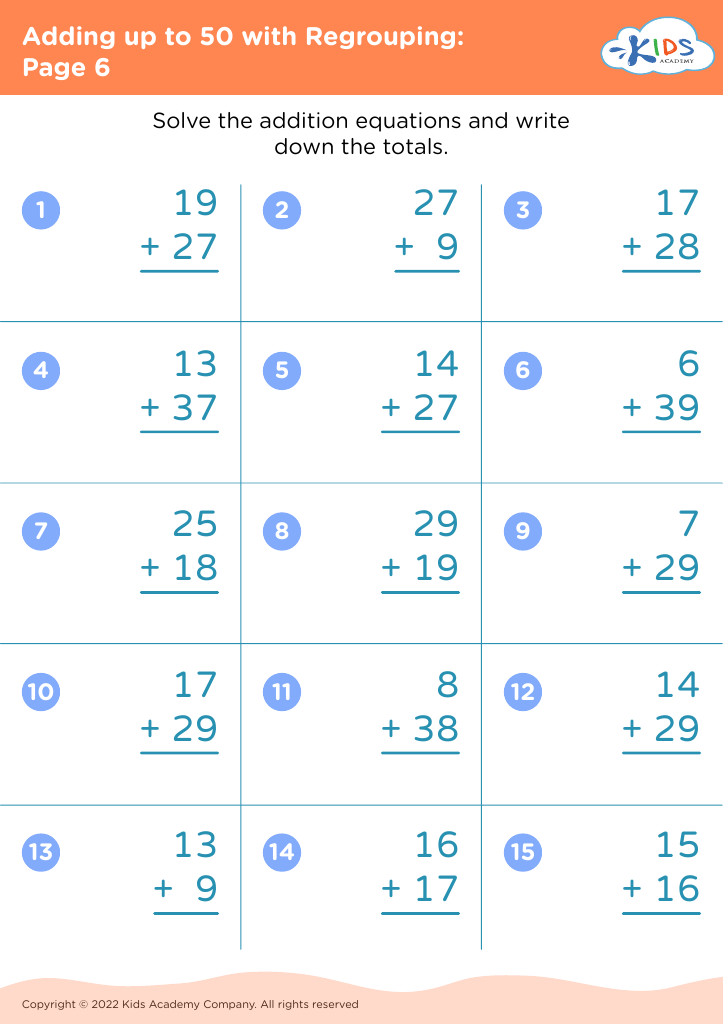
Adding up to 50 with Regrouping: Page 6
Worksheet
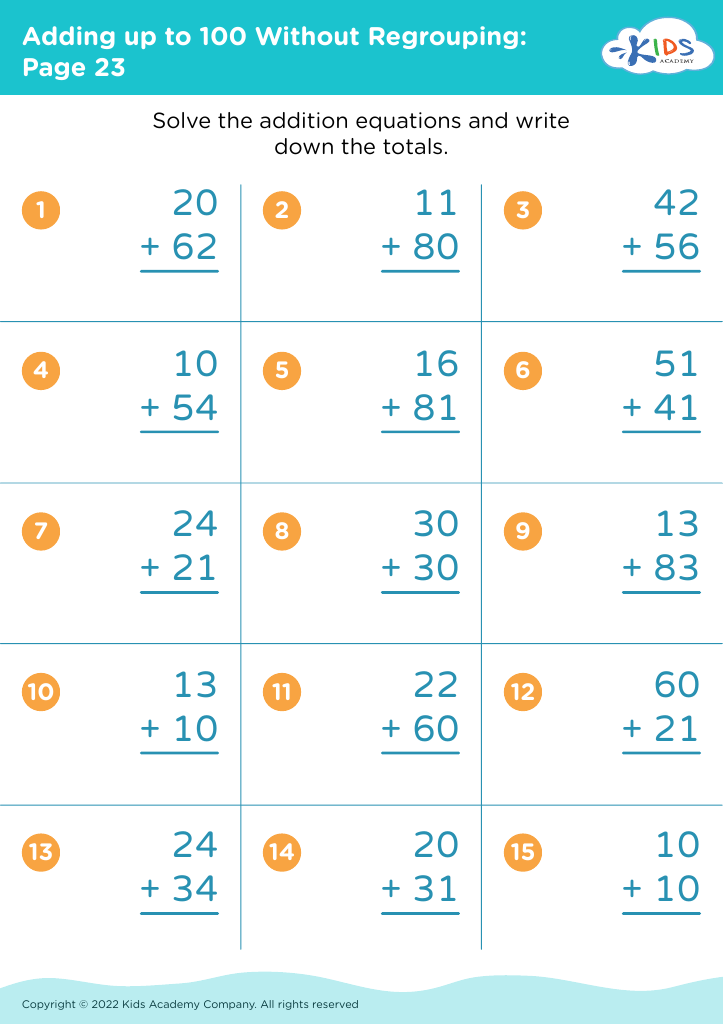
Adding up to 100 Without Regrouping: Page 23
Worksheet
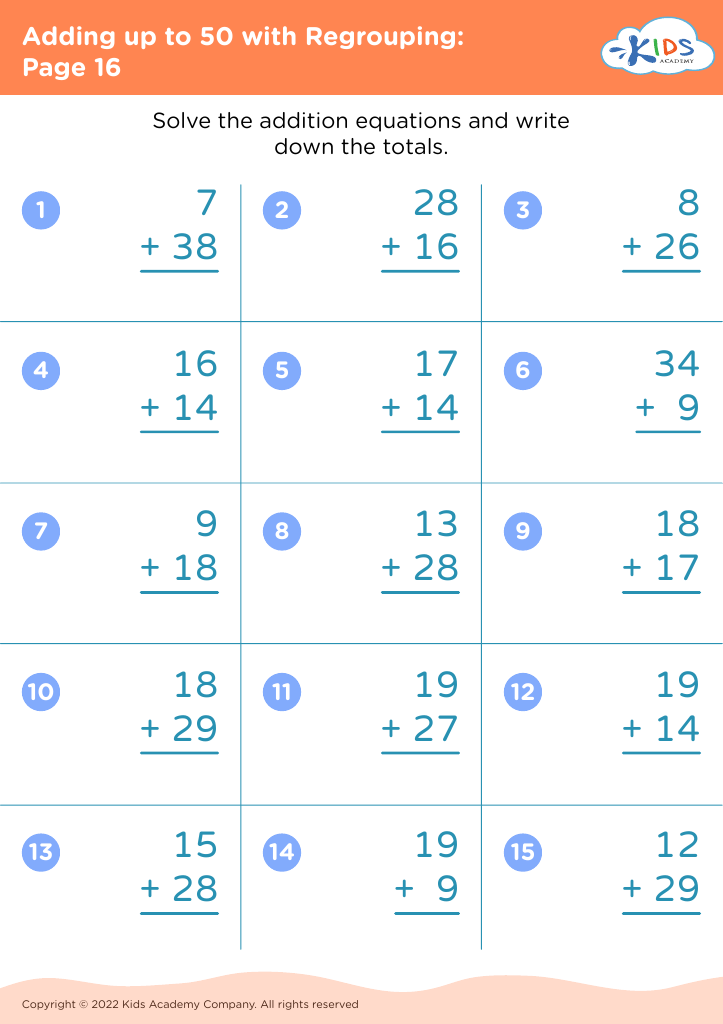
Adding up to 50 with Regrouping: Page 16
Worksheet
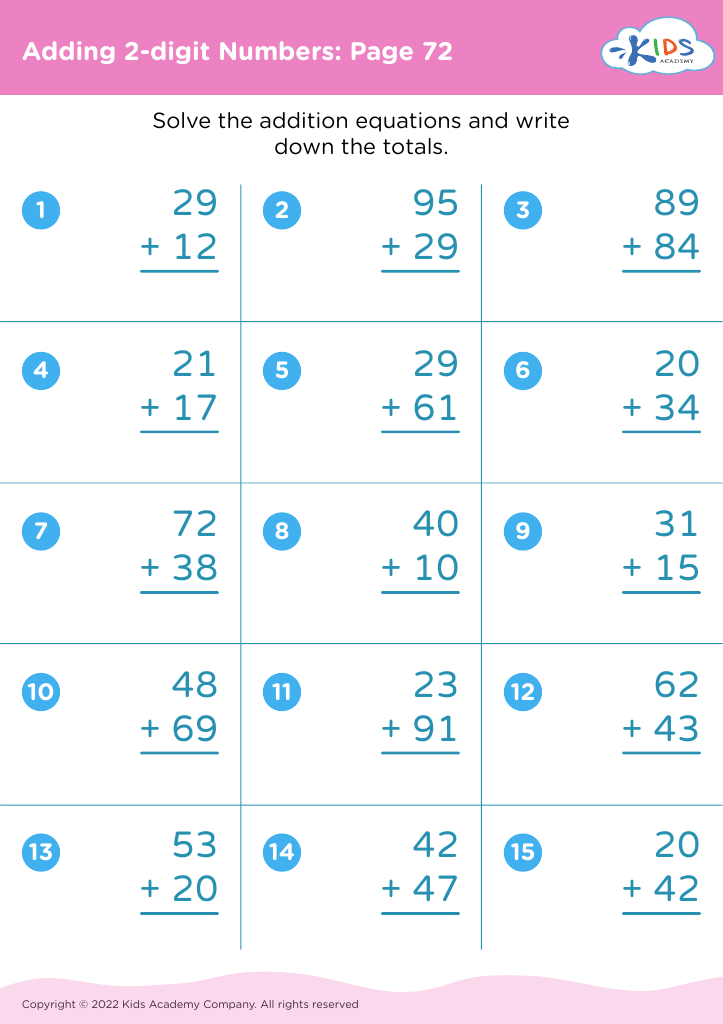
Adding 2-digit Numbers: Page 72

Adding 2-digit Numbers: Page 72

Adding 2-digit Numbers: Page 72
Worksheet
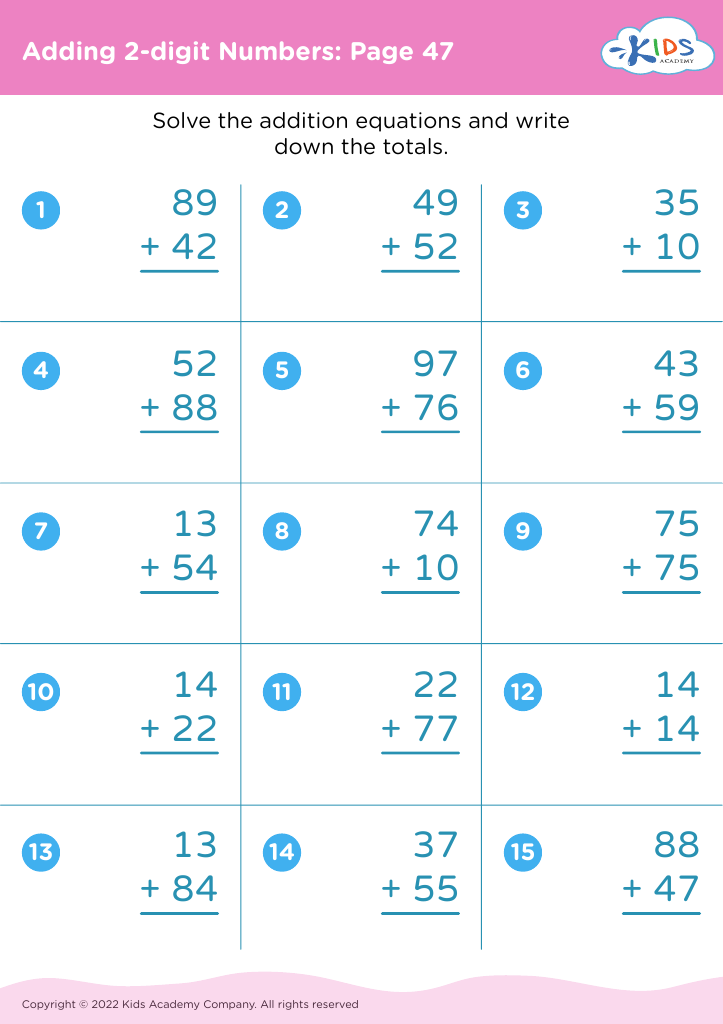
Adding 2-digit Numbers: Page 47

Adding 2-digit Numbers: Page 47

Adding 2-digit Numbers: Page 47
Worksheet
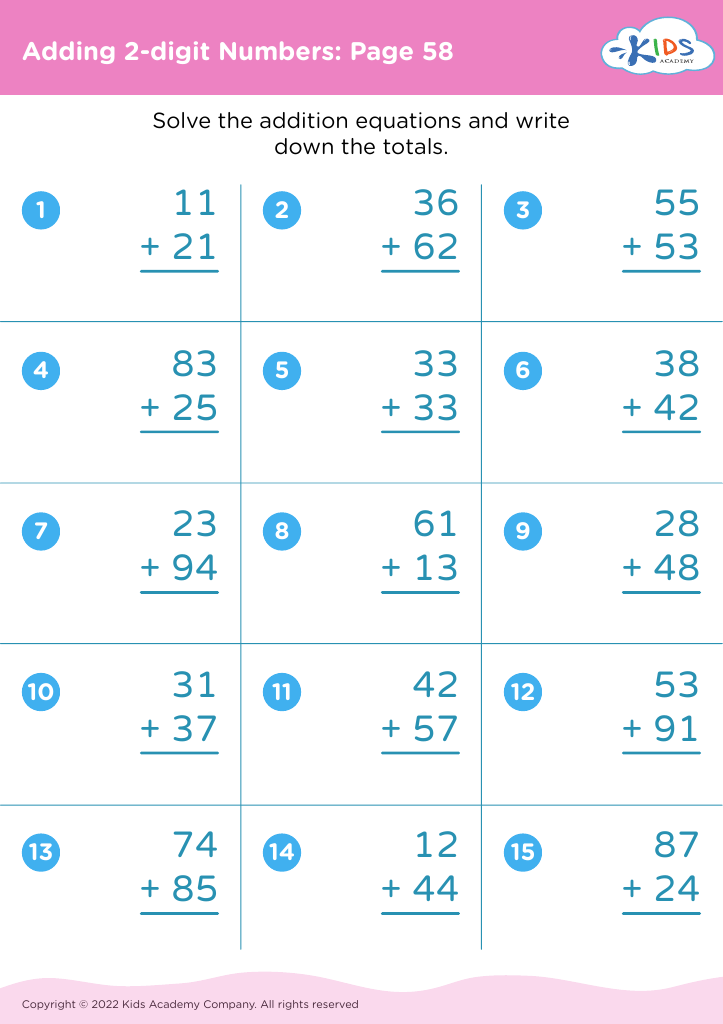
Adding 2-digit Numbers: Page 58

Adding 2-digit Numbers: Page 58

Adding 2-digit Numbers: Page 58
Worksheet
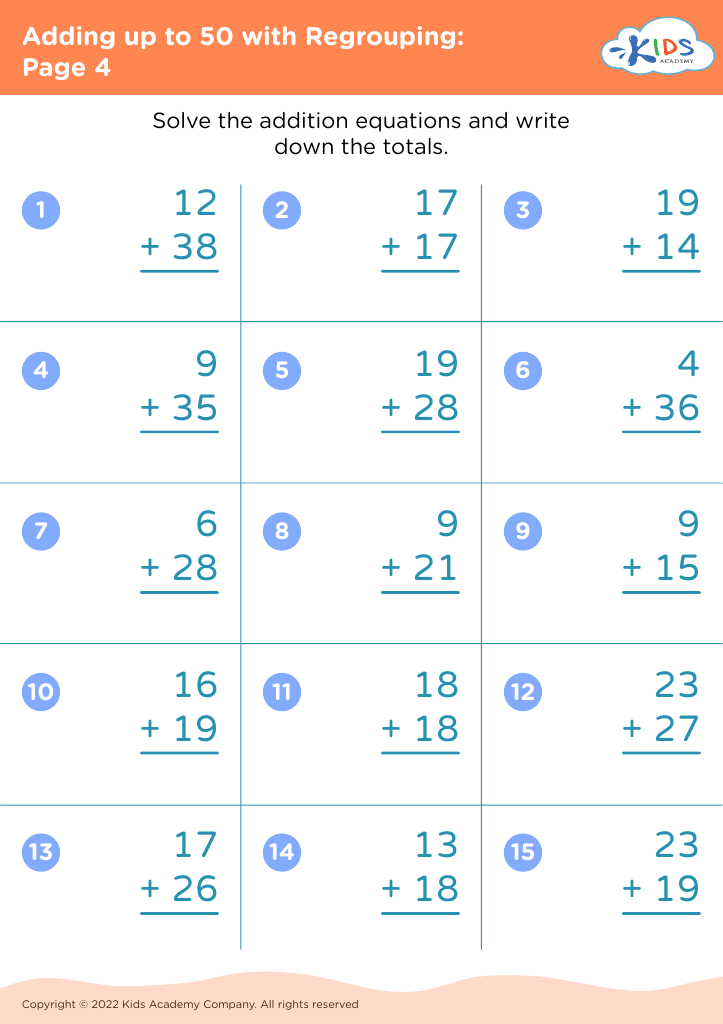
Adding up to 50 with Regrouping: Page 4
Worksheet
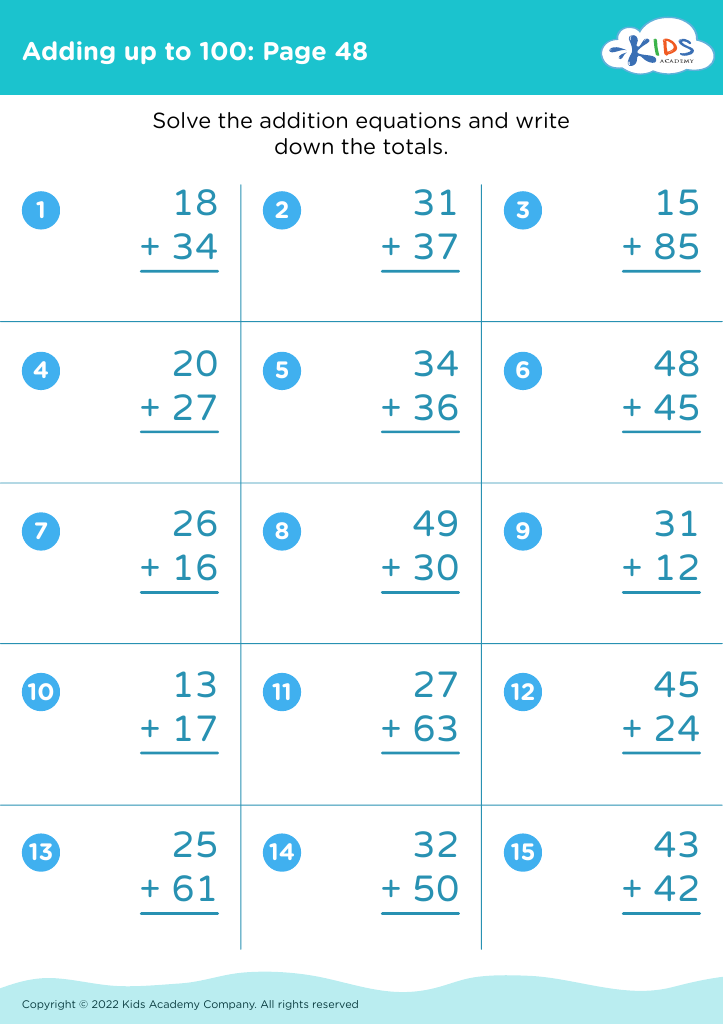
Adding up to 100: Page 48

Adding up to 100: Page 48

Adding up to 100: Page 48
Worksheet
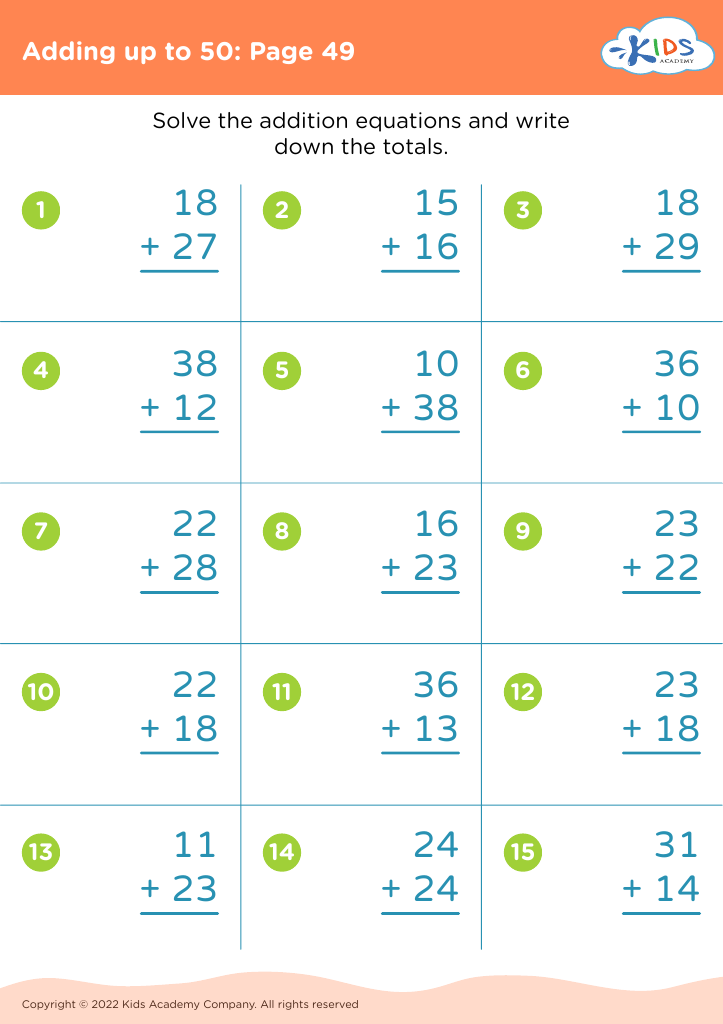
Adding up to 50: Page 49

Adding up to 50: Page 49

Adding up to 50: Page 49
Worksheet
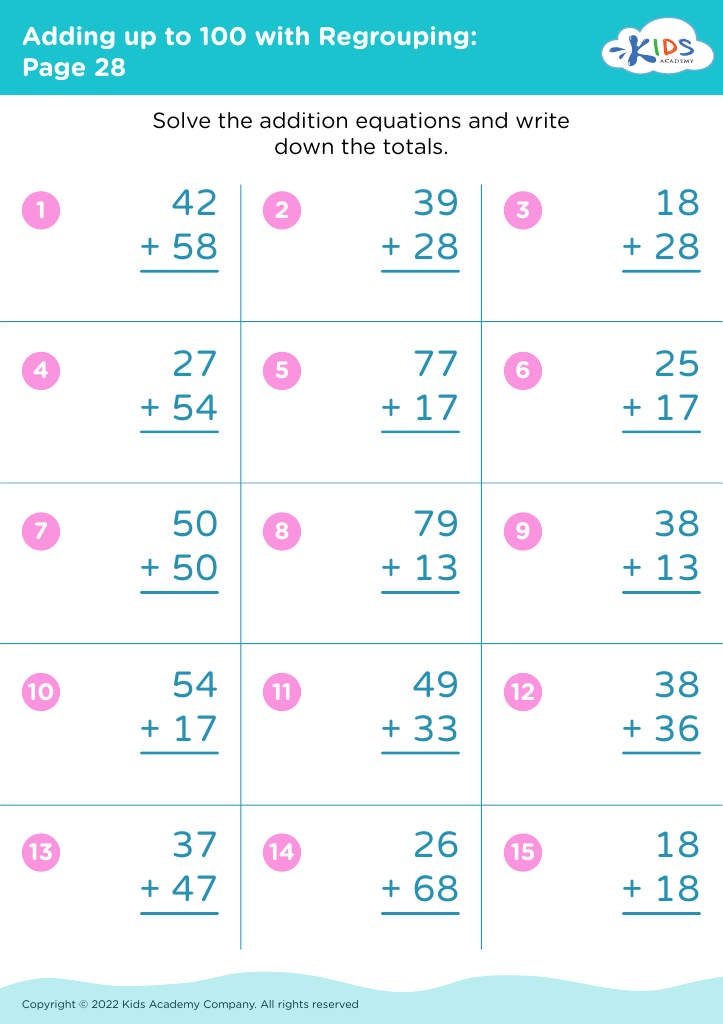
Adding up to 100 with Regrouping: Page 28
Worksheet
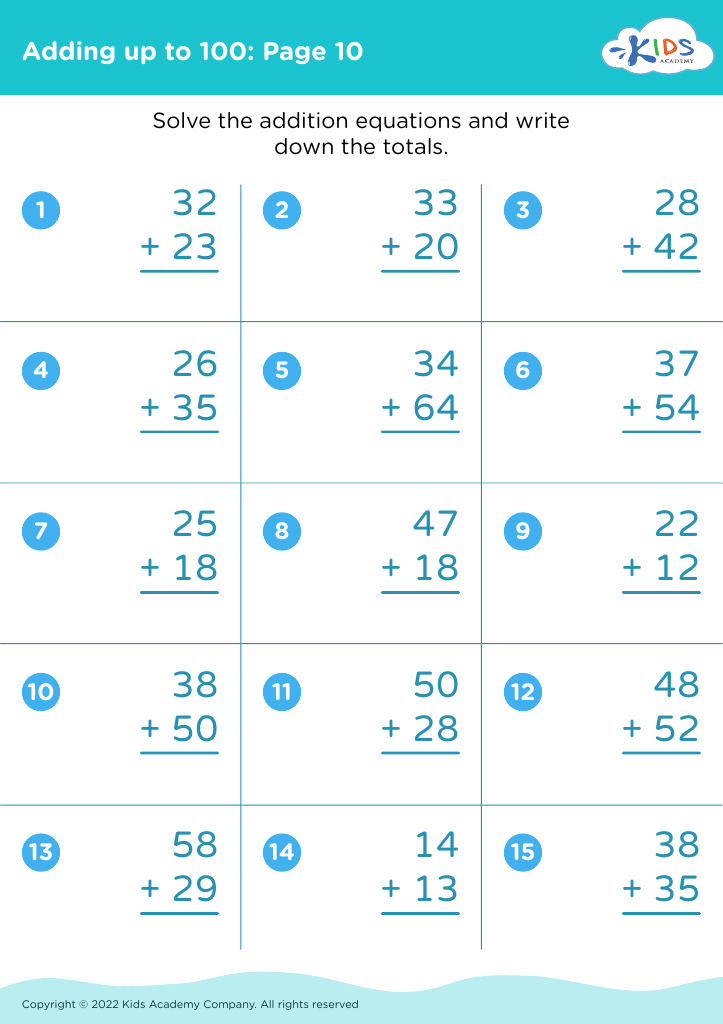
Adding up to 100: Page 10

Adding up to 100: Page 10

Adding up to 100: Page 10
Worksheet
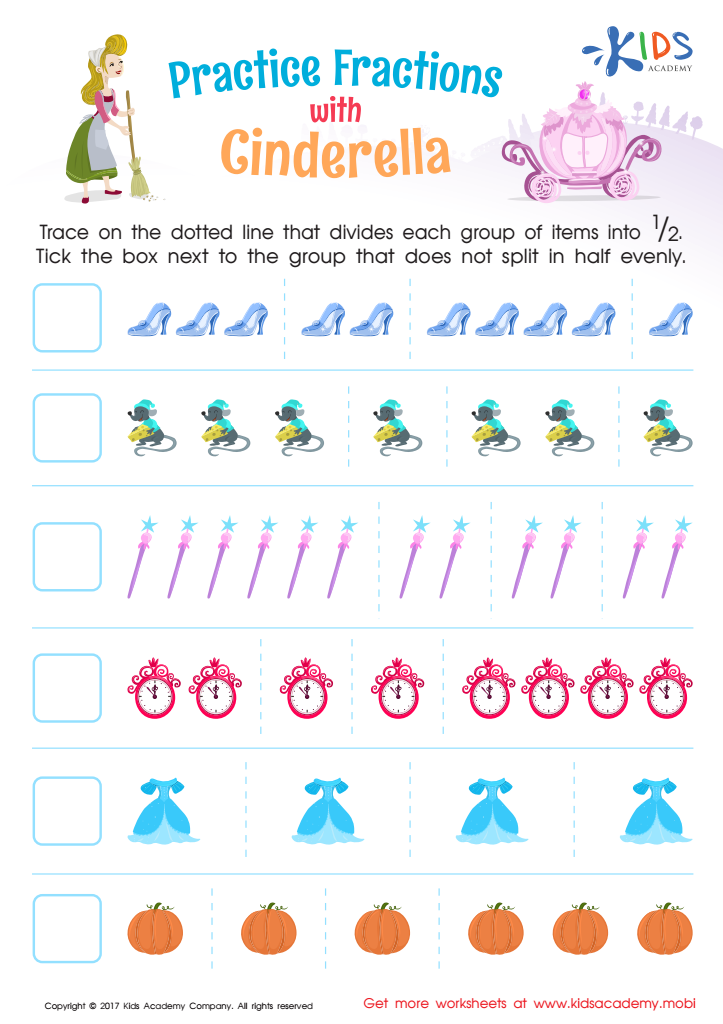
Cinderella Fraction Practice

Fractions: Cinderella Printable

Cinderella and ½ are the perfect pair to excite your child about learning fractions.
Fractions: Cinderella Printable
Worksheet
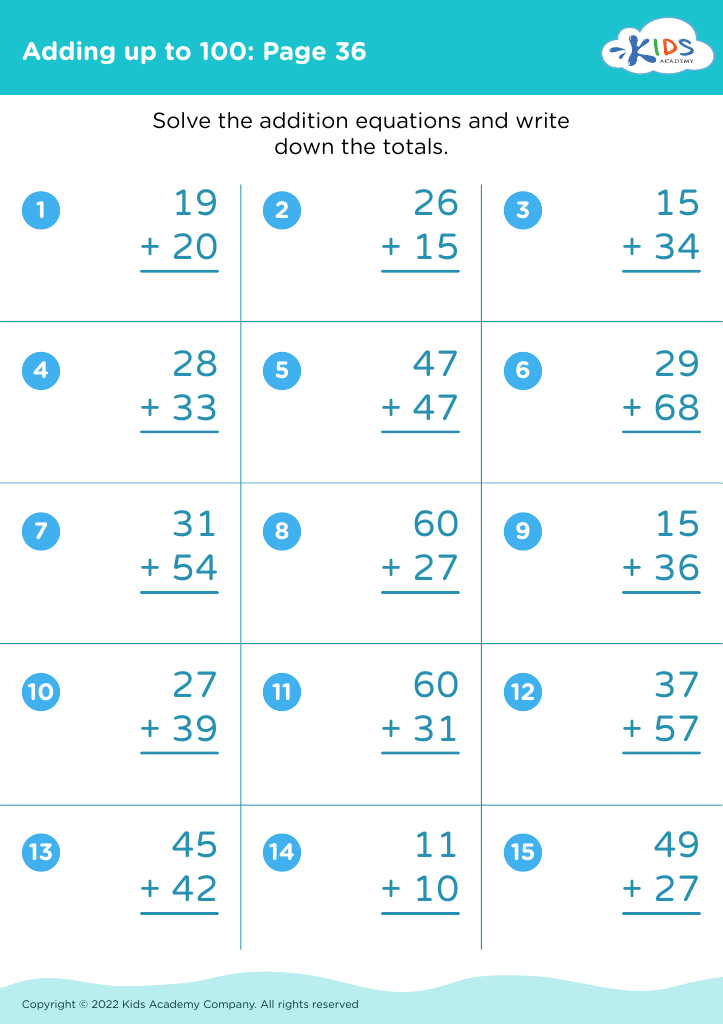
Adding up to 100: Page 36

Adding up to 100: Page 36

Adding up to 100: Page 36
Worksheet
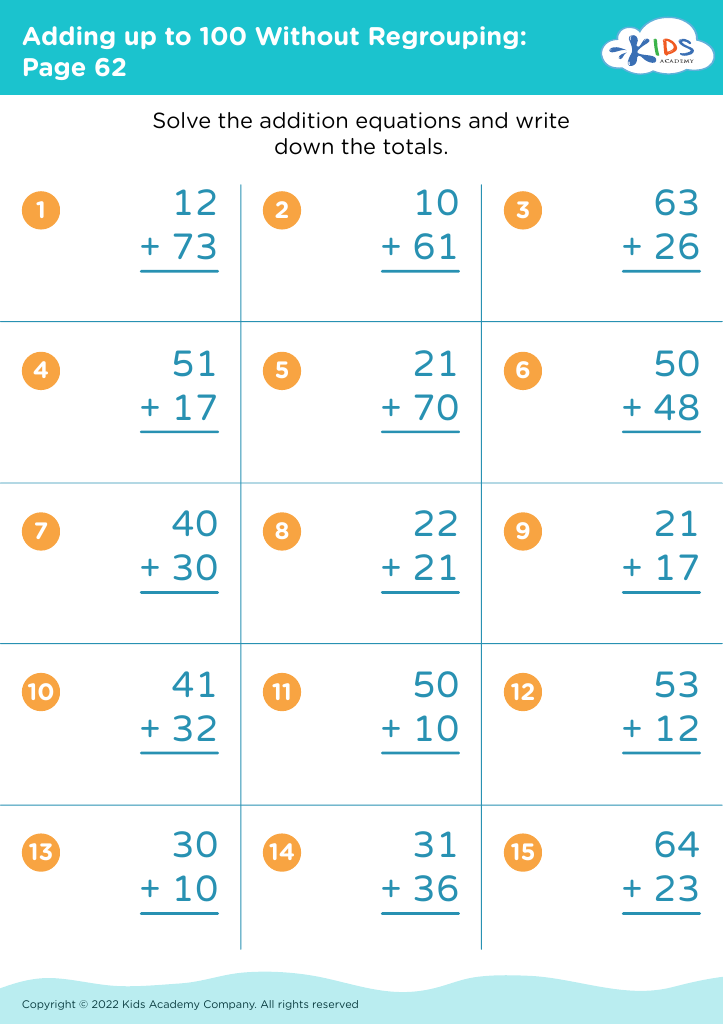
Adding up to 100 Without Regrouping: Page 62
Worksheet
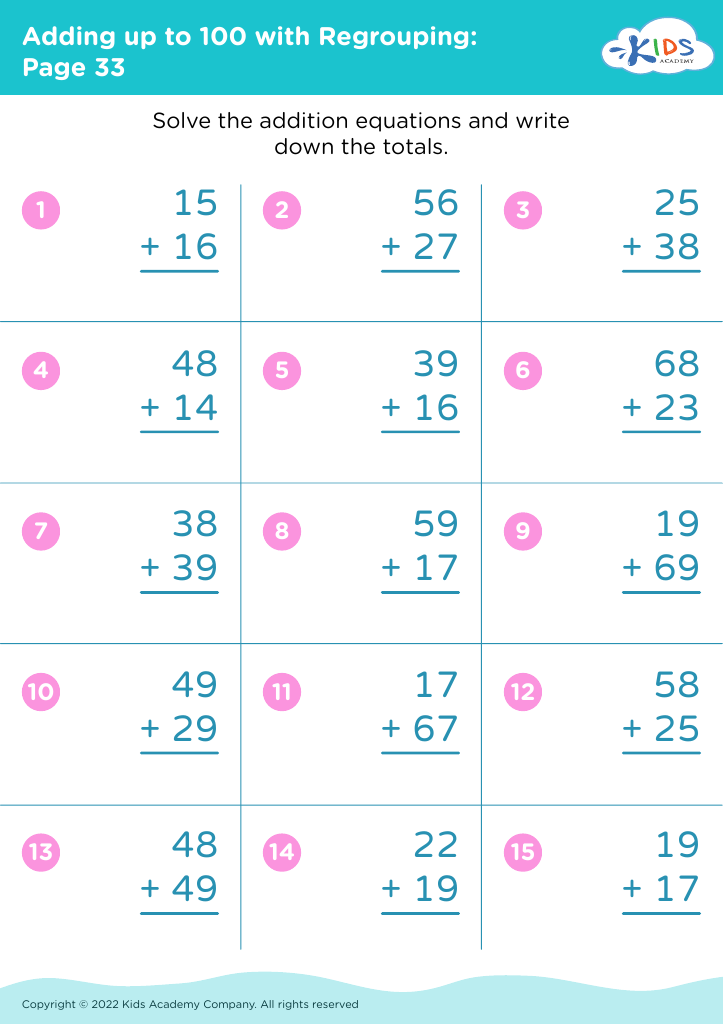
Adding up to 100 with Regrouping: Page 33
Worksheet
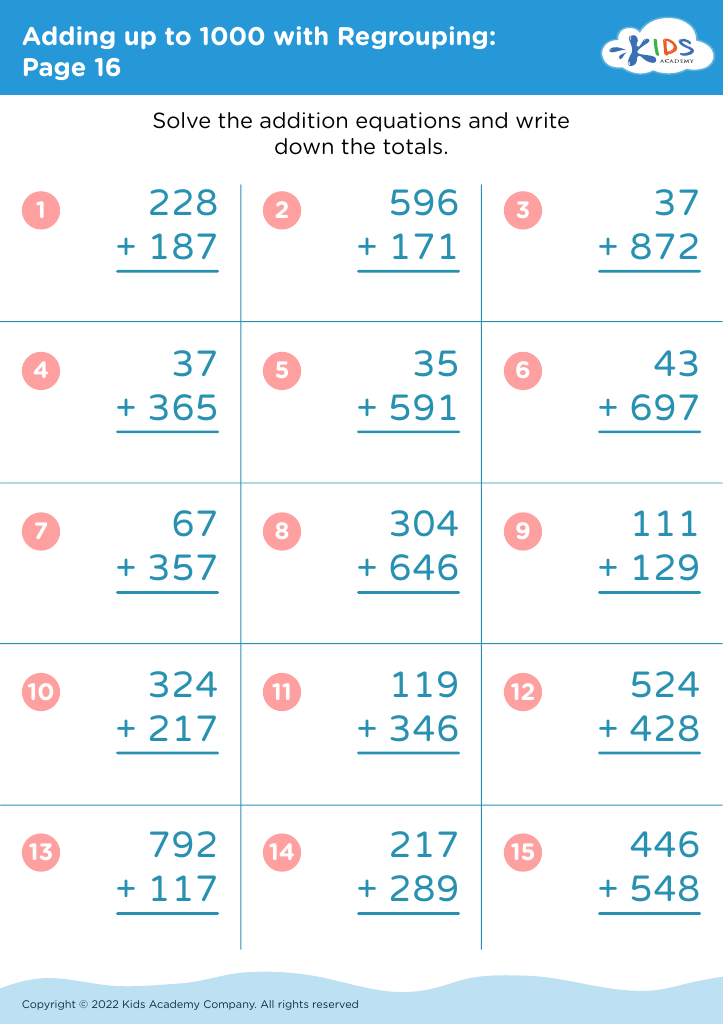
Adding up to 1000 with Regrouping: Page 16
Worksheet
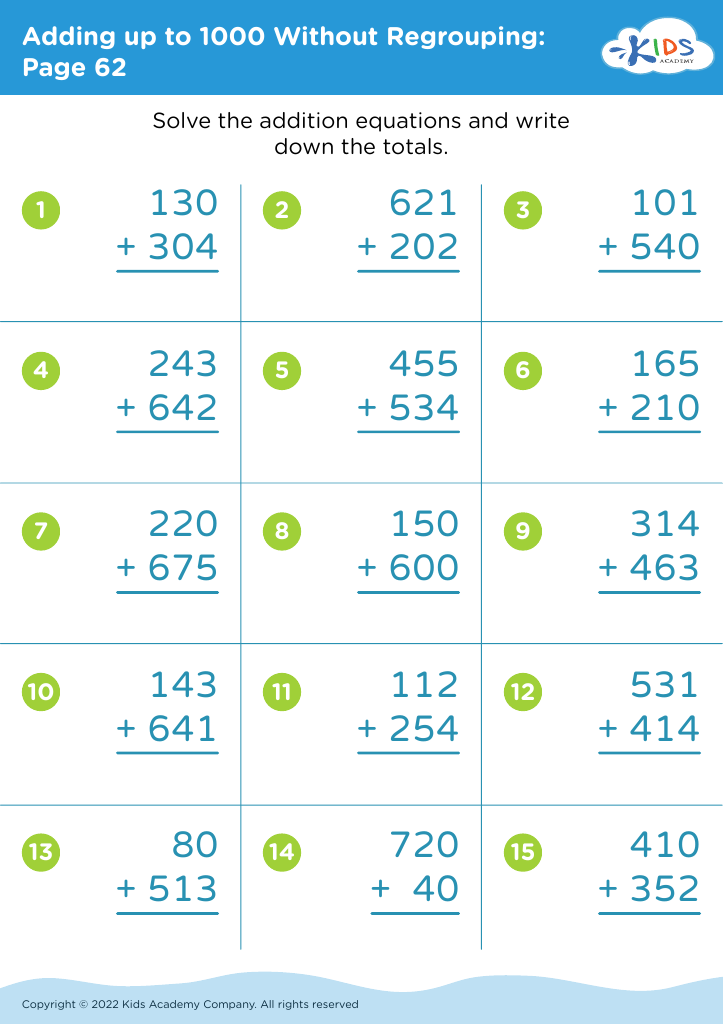
Adding up to 1000 Without Regrouping: Page 62
Worksheet


... 3 4

Understanding and comparing fractions is a fundamental mathematics skill that lays the groundwork for more complex concepts and real-world applications. For children ages 5-7, learning to compare fractions can significantly enhance their numeracy and reasoning skills. At this developmental stage, children are starting to grasp the basic ideas of numbers and quantities. By introducing fractions, educators help to refine a child’s mathematical thinking and problem-solving abilities.

Parents and teachers should care about fractions because this knowledge is relevant beyond the classroom. Many daily activities, like cooking, dividing items, or understanding proportions, rely on a comprehension of fractions. Early exposure helps children better handle these practical tasks in their daily lives.

Moreover, an early understanding of comparing fractions fosters a positive attitude towards math. This confidence is crucial as it encourages a growth mindset where children feel capable and willing to tackle more difficult math problems in the future. Poor mathematical foundations can lead to anxiety and resistance towards the subject, potentially impacting their academic achievements in later years.

Additionally, understanding fractions sharpens critical thinking. When kids compare fractions, they must analyze and evaluate different aspects of the numbers involved, hence enhancing their cognitive skills. Thus, investing effort and resources into teaching children to compare fractions is pivotal for their scholarly and personal growth.