Decision making skills Math Worksheets for Ages 5-7
4 filtered results
-
From - To
Enhance your child's critical thinking with our Decision Making Skills Math Worksheets for ages 5-7. Designed to blend fun with learning, these worksheets help young learners develop essential problem-solving abilities, logical reasoning, and critical decision-making skills. Through engaging activities like puzzles and simple math problems, children learn to analyze situations, compare options, and make informed choices. Perfect for both classroom and home use, our worksheets not only build foundational math skills but also nurture independence and confidence in young thinkers. Explore an effective, enjoyable way to boost your child's cognitive and math abilities with our expertly crafted resources.
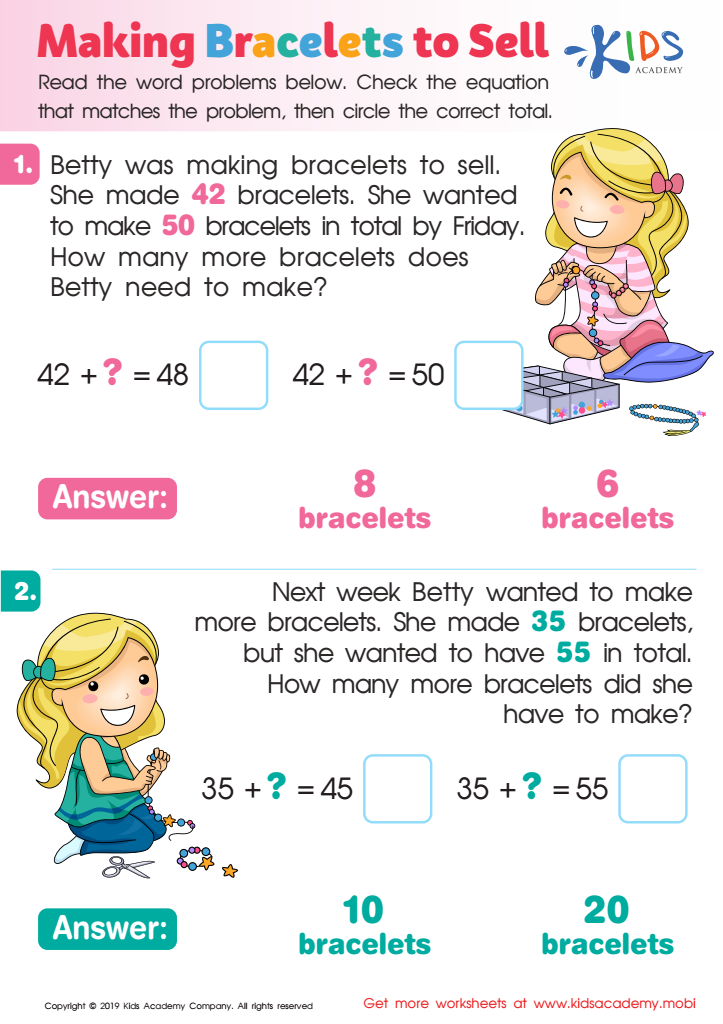
Making Bracelets to Sell Worksheet
 Assign to My Students
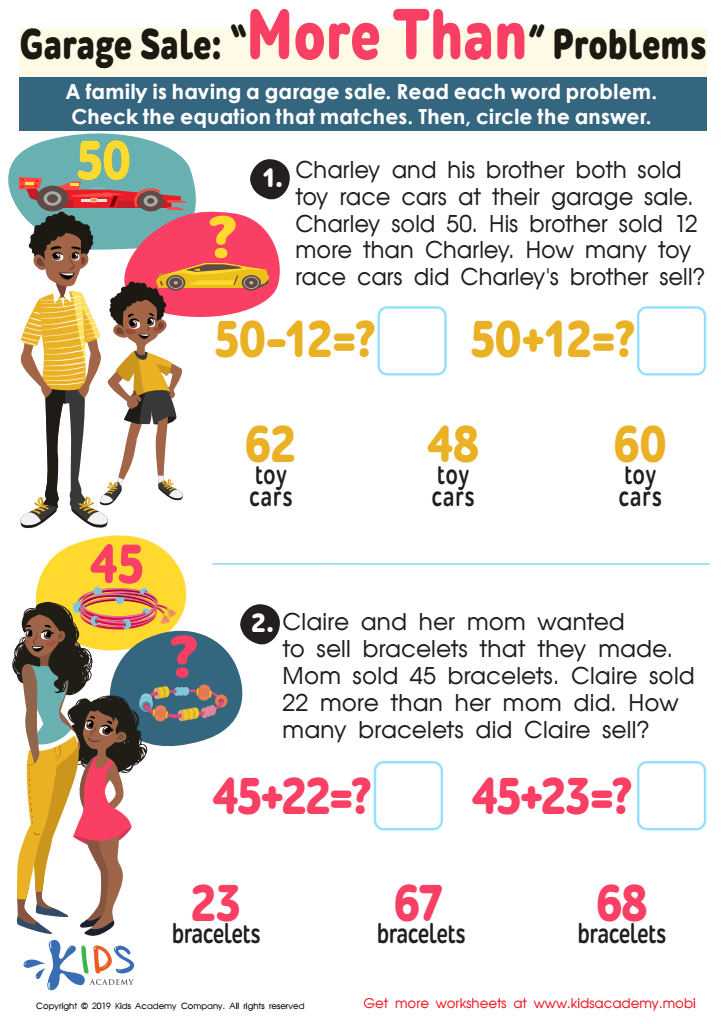
Garage Sale - More yhan Worksheet
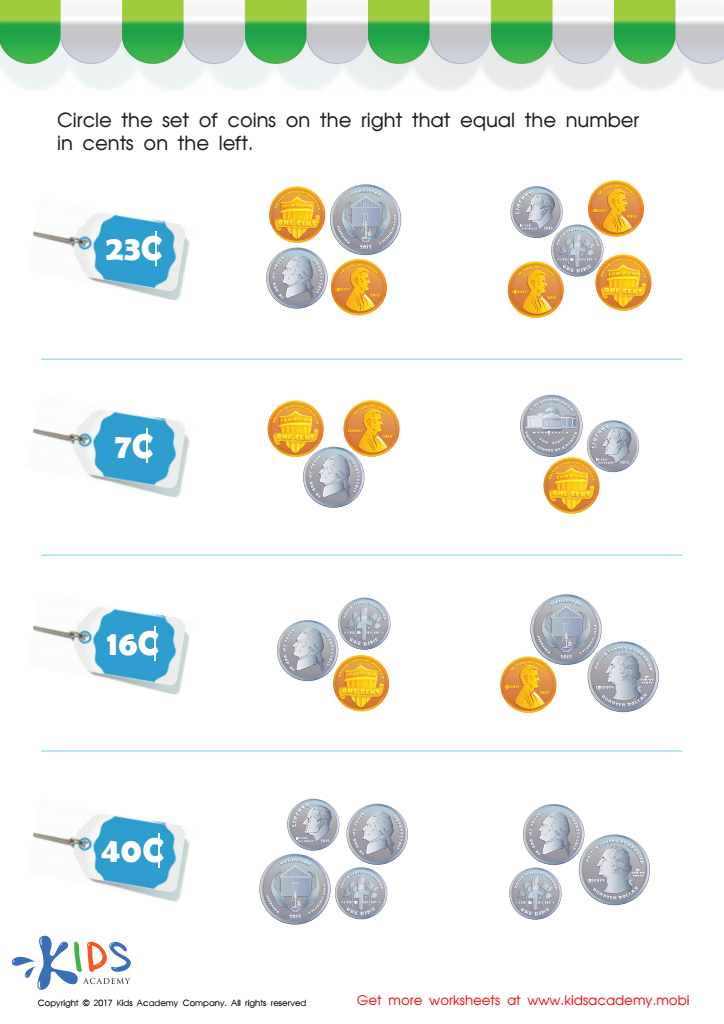
Picking the Coins You Need Money Worksheet
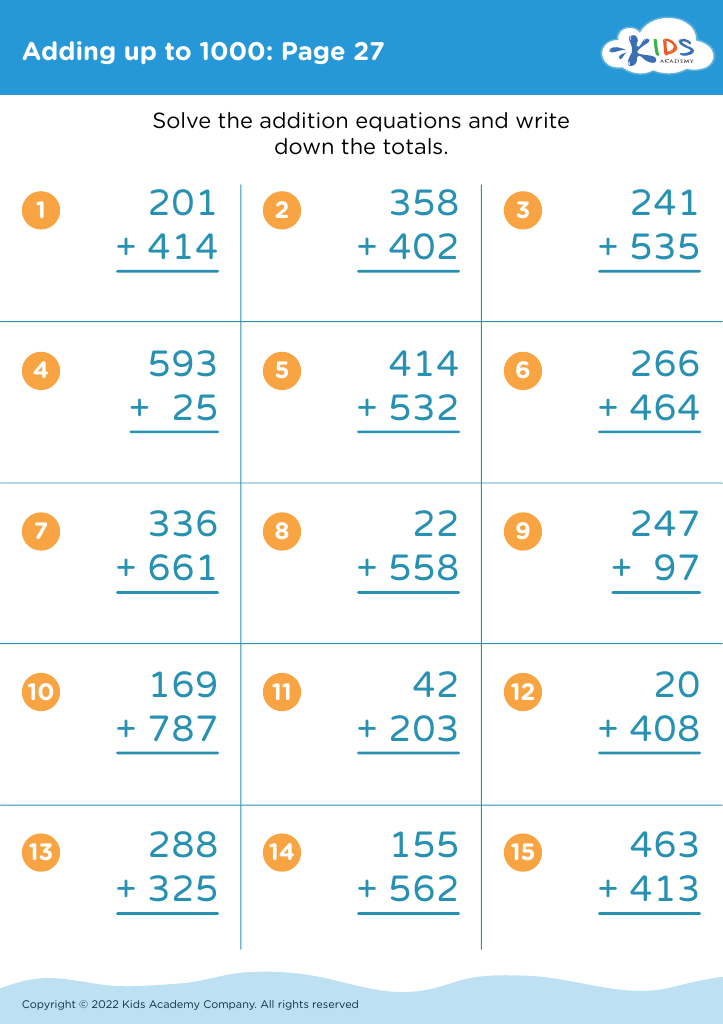







Parents and teachers should prioritize fostering decision-making skills through math for children ages 5-7 because these skills lay the foundational groundwork for their cognitive and social development. At this early age, children are rapidly developing critical thinking abilities and learning how to make choices based on reasoning and evidence. Math activities involve problem-solving, logical reasoning, and evaluations of various solutions, which are integral parts of decision making. For instance, when children decide how to group objects, choose strategies to add numbers, or figure out patterns, they are practicing essential decision-making skills.
Furthermore, integrating decision-making lessons in math nurtures independence and confidence in young learners. As children tackle math problems, they learn to analyze information, weigh alternatives, and choose the best options. These skills are not only crucial for academic success but transcend to everyday situations, helping children become more effective and confident decision-makers in real life.
Also, inculcating these skills early can help girls or children from underrepresented backgrounds build a stronger interest in STEM (Science, Technology, Engineering, and Mathematics) fields. When children experience the joy of solving problems and the satisfaction of making decisions at a young age, it encourages a positive attitude towards challenges and learning in the future. Through engaging math activities that promote decision-making, parents and teachers help cultivate resilient, thoughtful, and resourceful individuals.








