Develop analytical thinking Math Worksheets for Ages 5-7
3 filtered results
-
From - To
Boost your child's problem-solving and critical thinking with our "Develop Analytical Thinking" math worksheets designed for ages 5-7. At Kids Academy, we offer engaging activities that nurture young minds by combining fun with foundational math concepts. Our worksheets cover patterns, sequences, comparisons, and simple logic puzzles to enhance analytical skills. Perfect for at-home learning or classroom support, these printables are crafted by education experts to align with curriculum standards. Help your little learners build confidence and enjoy their math journey with our stimulating and innovative materials. Visit Kids Academy and kick-start analytical thinking today!
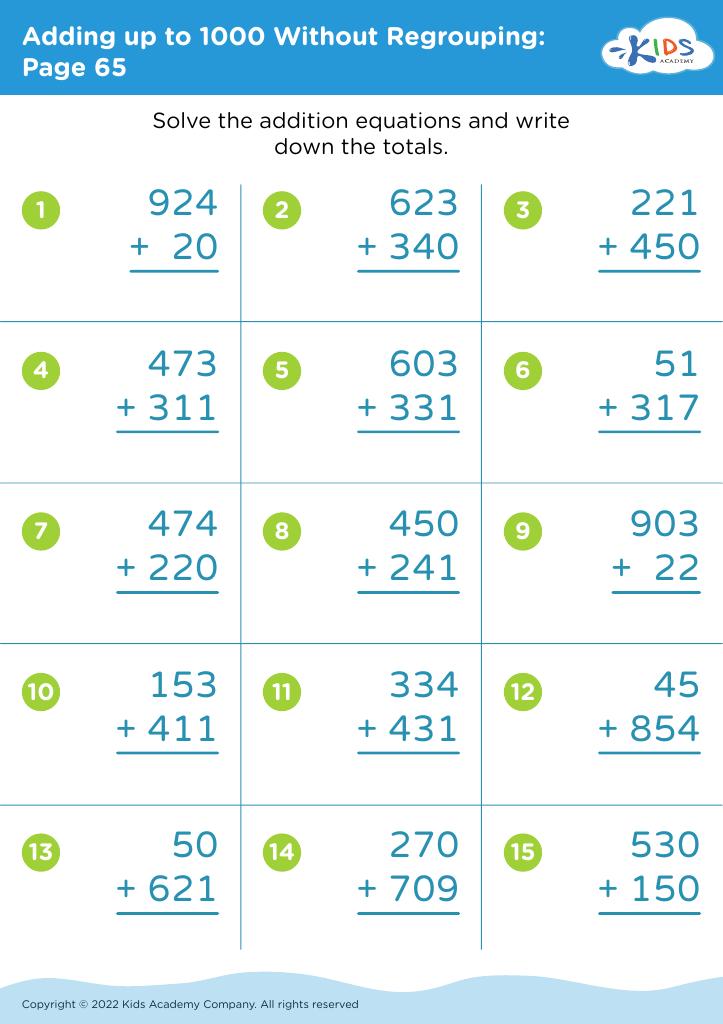
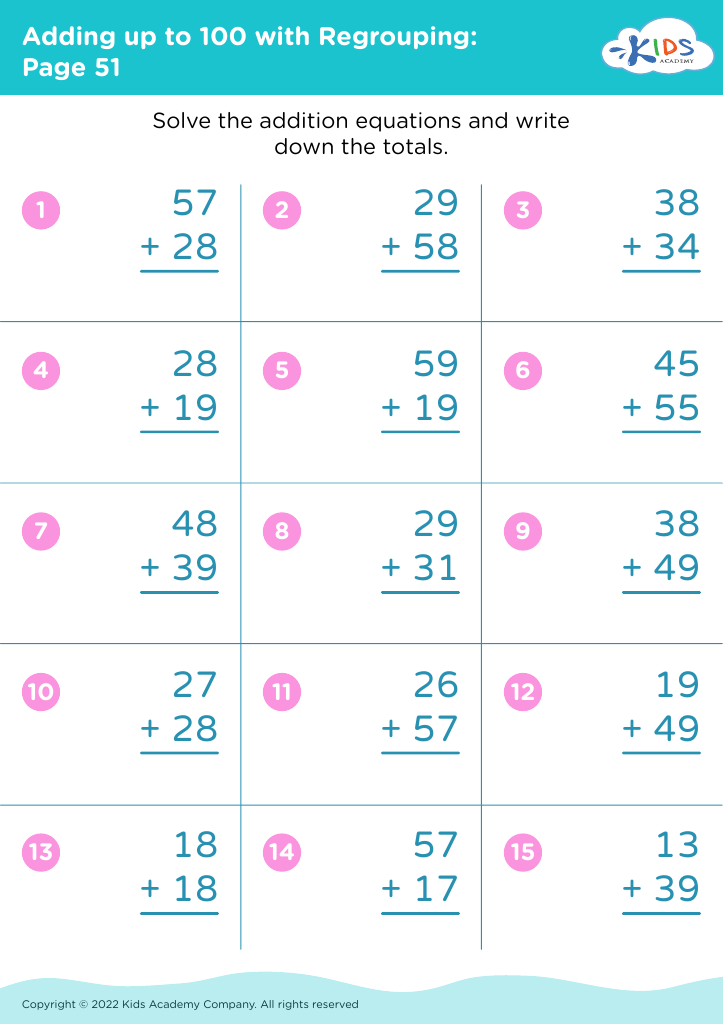
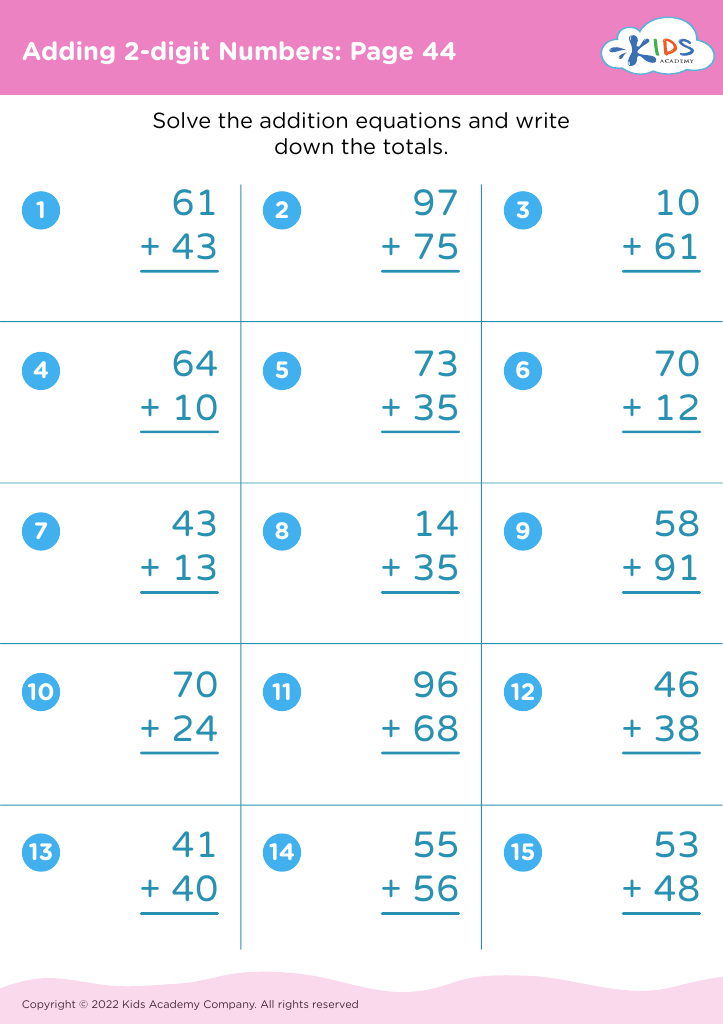








Developing analytical thinking in math for children aged 5-7 is crucial for multiple reasons. At this early stage, young brains are remarkably receptive to new concepts, and instilling analytical thinking skills can lay a strong foundation for future academic and life success. Analytical thinking in math isn't just about numbers; it's about developing the ability to approach problems methodically, recognize patterns, and think critically about solutions.
Firstly, introducing analytical thinking early cultivates a love for learning and a sense of curiosity. It encourages children to ask questions, explore various ways to solve problems, and understand that there can be multiple approaches to a single problem. This open-minded approach enhances creativity and innovation.
Secondly, these skills are transferrable across subjects and in everyday life. Whether in science when hypothesizing during an experiment or in language arts when structuring a compelling argument, analytical thinking builds stronger, more versatile students.
Finally, early mastery of these skills translates to academic confidence. Children who are adept at analytical thinking in math often find school less daunting and perform better in later grades. This confidence and ability to think independently extends beyond academics, fostering resilience and grit in confronting challenges throughout life. Hence, parents and teachers should prioritize nurturing analytical thinking to equip children with essential skills for their futures.








