Developing fine motor skills Math Worksheets for Ages 5-7
5 filtered results
-
From - To
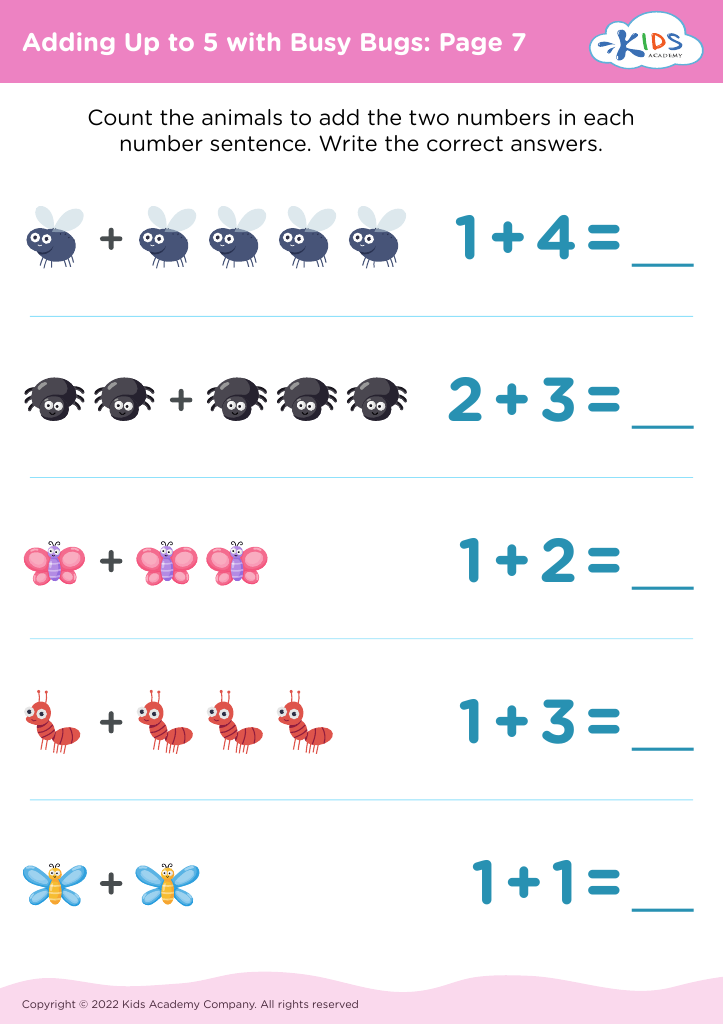
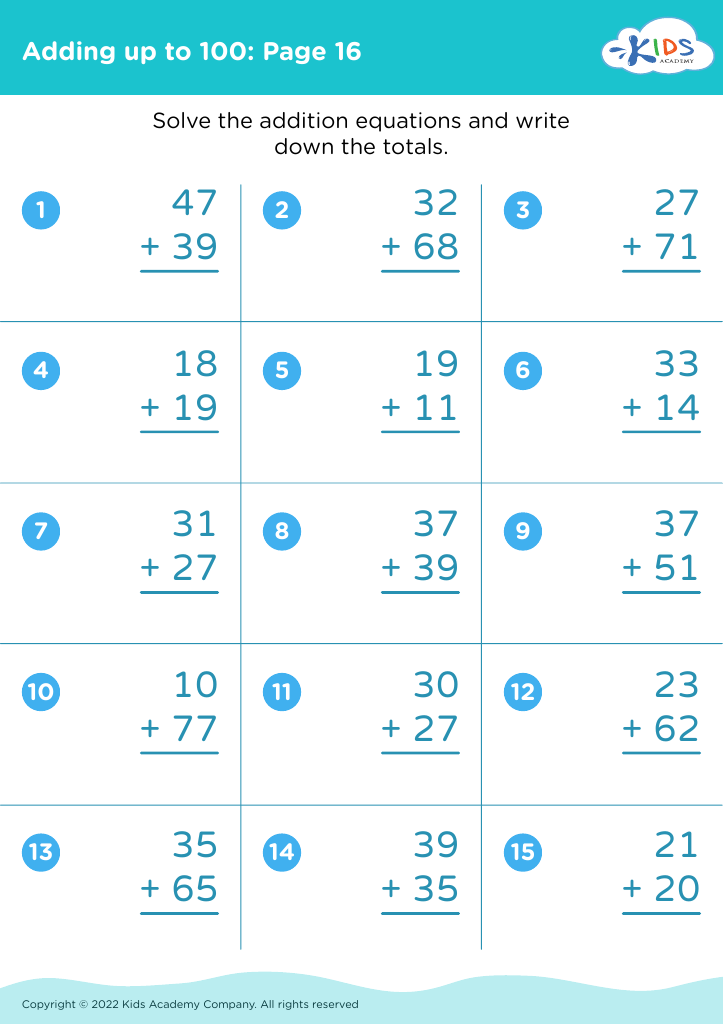
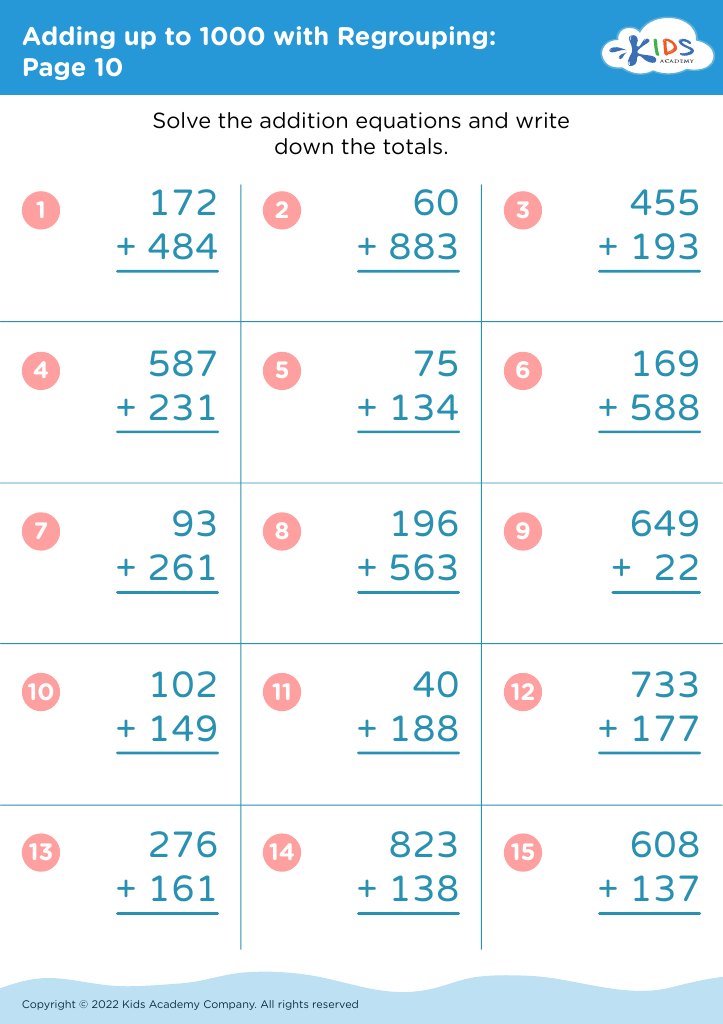
Enhance your child’s learning experience with our Developing Fine Motor Skills Math Worksheets, designed specifically for ages 5-7. Our engaging worksheets combine essential math concepts with fun activities that promote the growth of fine motor skills. By tracing numbers, solving puzzles, and engaging in creative writing, children will improve their hand-eye coordination while developing the foundational math skills needed for future learning. Perfect for both classroom and home use, these worksheets provide a hands-on approach to education that keeps young learners motivated and excited. Explore our diverse selection and set your child on a path to success in math and beyond!
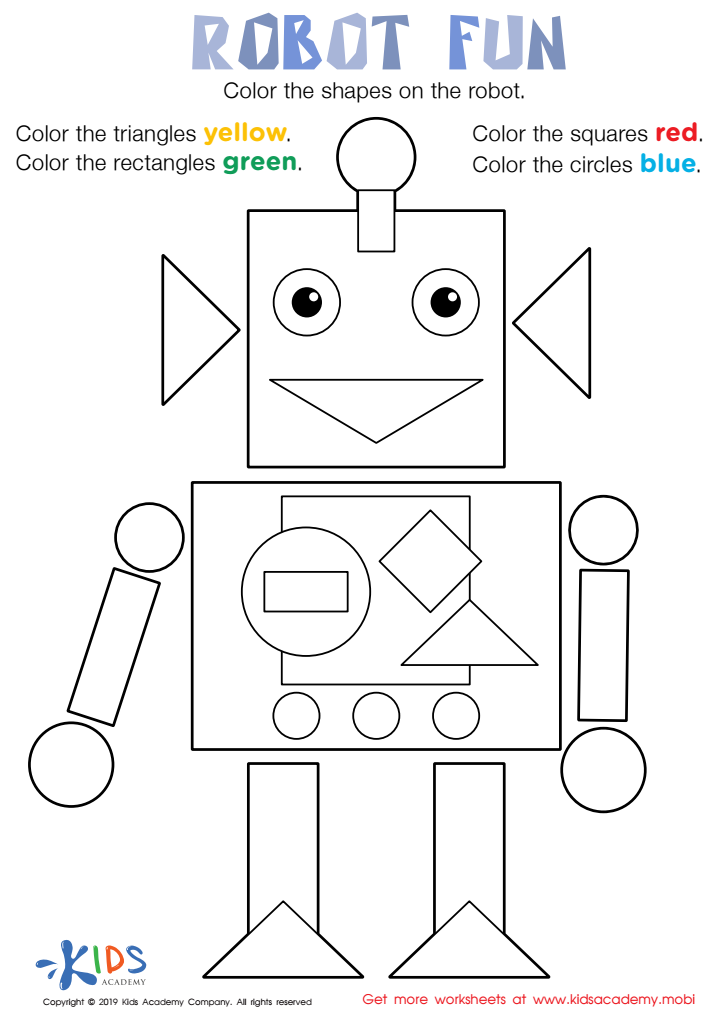
Robot Fun Worksheet
 Assign to My Students


.jpg)





Developing fine motor skills is crucial for children aged 5-7, as these skills serve as the foundation for both academic success and personal growth. Fine motor skills, which involve the small muscles of the hands, enable children to perform tasks such as writing, cutting, and manipulating small objects. In the context of math, these skills directly impact a child's ability to engage with concrete materials, such as blocks, counters, and puzzles.
For parents and teachers, nurturing fine motor development also fosters cognitive growth—linking hand-eye coordination with problem-solving abilities and spatial awareness. As children manipulate objects to understand concepts like addition, subtraction, and measurement, they build a deeper, hands-on comprehension of mathematical principles.
Moreover, fine motor skills contribute to a child’s confidence and independence. Children who can neatly write numbers or successfully use tools in math activities tend to feel more empowered, encouraging a positive attitude towards learning. Thus, investing time in activities that strengthen fine motor skills is essential not only for developing mathematical proficiency but also for promoting overall educational engagement, emotional well-being, and the ability to tackle more complex tasks in the future.








