
Enhance fine motor skills Math Worksheets for Ages 5-7
5 filtered results
Difficulty Level
Grade
Age
-
From - To
Subject
Activity
Standards
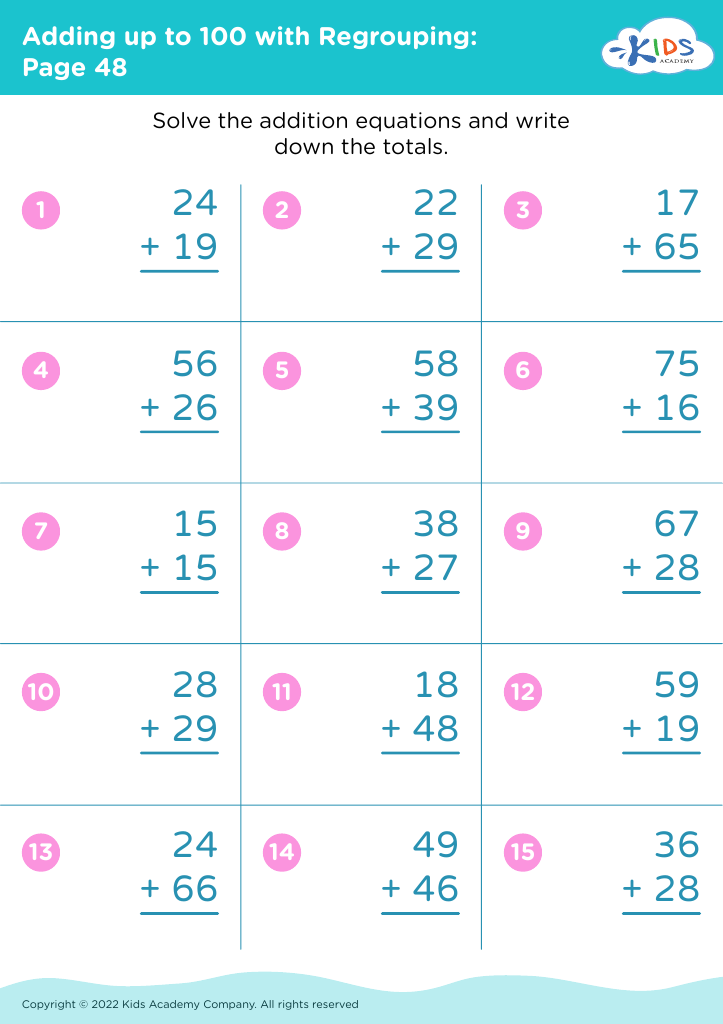
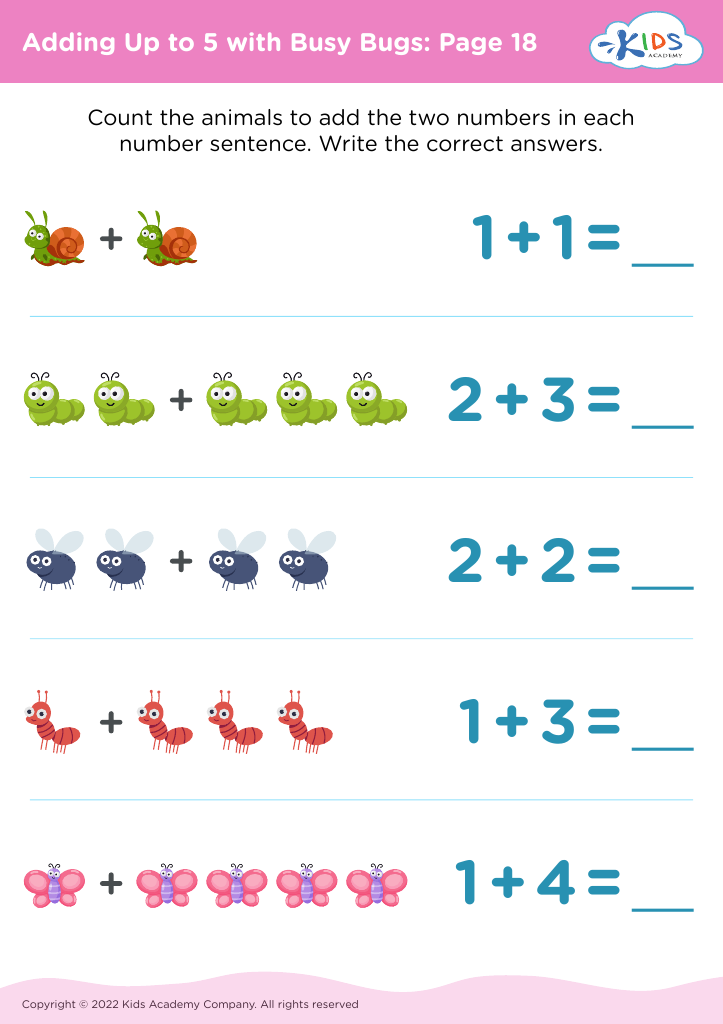
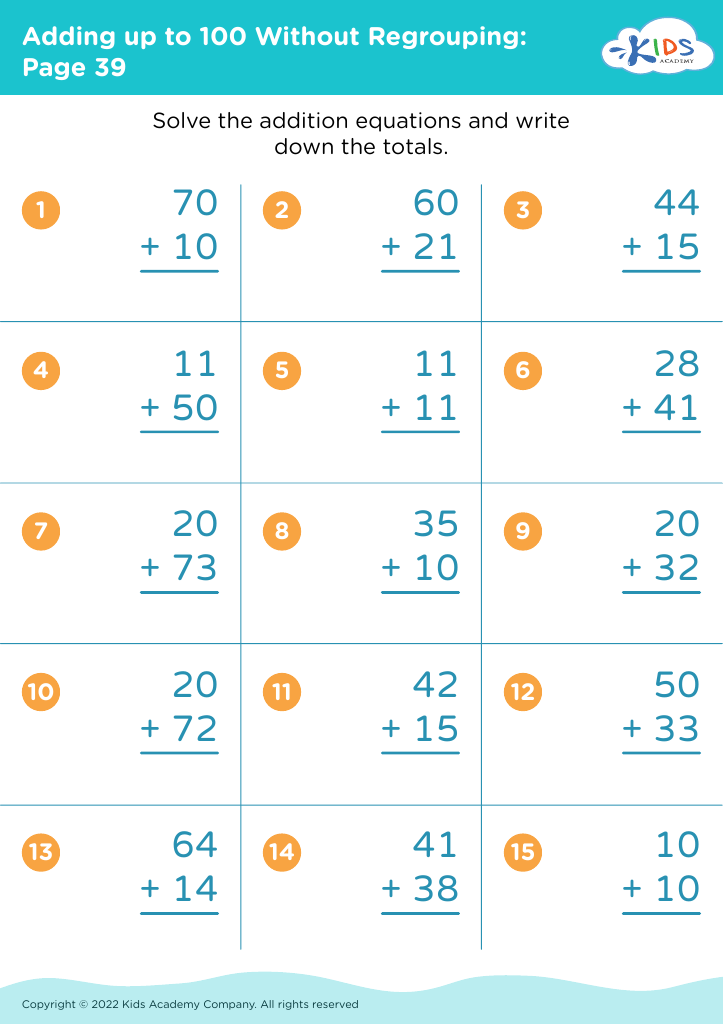
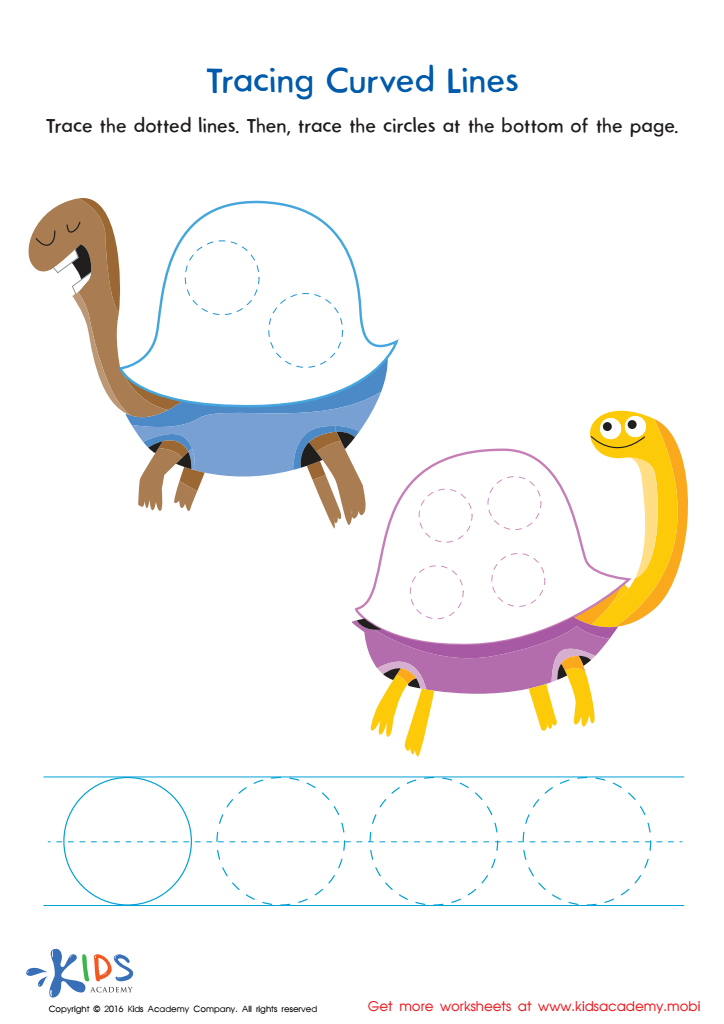
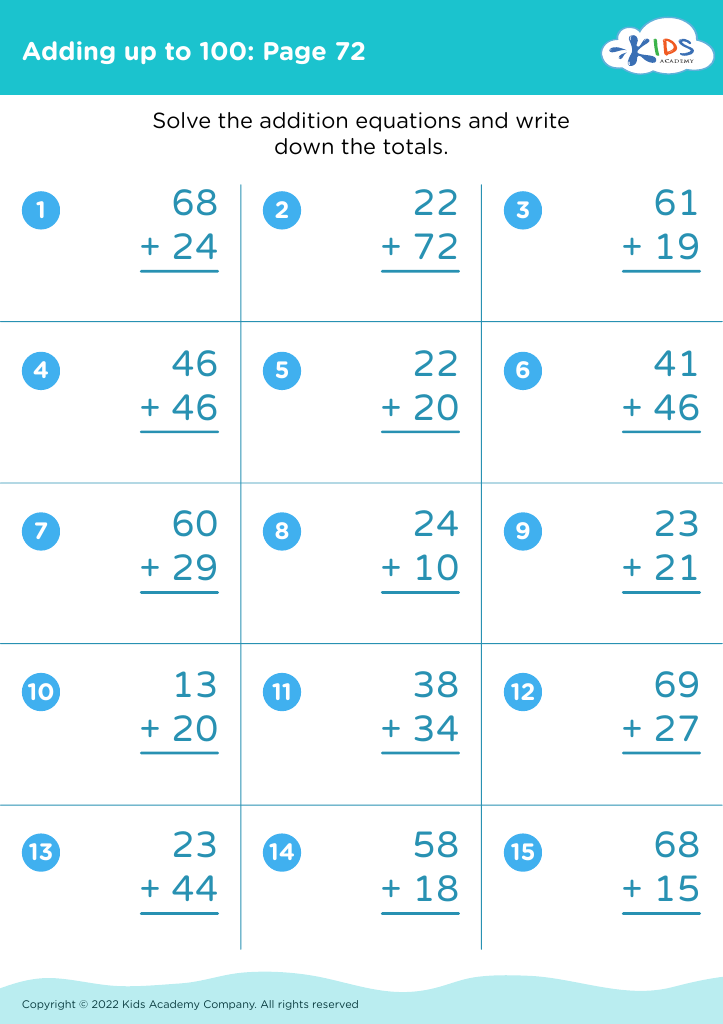
Unlock your child's potential with our Enhance Fine Motor Skills Math Worksheets designed specifically for children ages 5-7. These engaging worksheets provide a seamless blend of fun and learning, helping young learners develop essential fine motor skills while they explore foundational math concepts. Activities include tracing numbers, connecting dots, and cutting and pasting, all aimed at improving hand-eye coordination and dexterity. Ideal for home or classroom use, our worksheets meet educational standards and encourage independent learning. Watch your child gain confidence as they build critical skills crucial for future academic success! Download your worksheets today to foster creativity and learning.
Favorites
With answer key
Interactive
 Assign to My Students
Join Kids Academy for Free
Who is primarily going to use this learning content?








Enhancing fine motor skills in children aged 5-7 is crucial, especially in relation to math. These skills involve the small muscles in hands and fingers that enable precise movements, influencing a child's ability to manipulate tools, write neatly, and ultimately engage in mathematical tasks effectively. When children develop their fine motor skills, they become more adept at measuring with rulers, drawing shapes, and even working with manipulatives like blocks and counters, which are instrumental in understanding foundational math concepts.
Moreover, encouraging fine motor skills supports cognitive development as children engage in hands-on learning experiences. This, in turn, fosters problem-solving abilities and spatial awareness, both essential elements in math education. When students can confidently use their hands for practical tasks, it enhances their overall engagement and interest in math, building a solid foundation for more complex concepts later on.
For parents and teachers, paying attention to fine motor skills is fundamental to creating a supportive learning environment. By integrating activities that promote these skills, such as crafts, puzzles, and practice writing, they are laying the groundwork for their child's success in math and other subjects. Ultimately, fostering fine motor skills not only enhances academic abilities but also encourages confidence and independence in young learners.








