
Enhancing fine motor skills Math Worksheets for Ages 5-7
3 filtered results
Difficulty Level
Grade
Age
-
From - To
Subject
Activity
Standards
Boost your child's development with our "Enhancing Fine Motor Skills Math Worksheets for Ages 5-7"! Perfectly crafted for young learners, these worksheets effortlessly blend skill-building with fun math activities. Each sheet is designed to improve fine motor skills through engaging exercises like tracing, cutting, and drawing, while solidifying foundational math concepts such as counting, addition, and shapes. Watch as your child sharpens their dexterity and builds confidence in their math abilities, all while enjoying a creative learning experience. Enhance both their academic and motor development today with our innovative, kid-approved worksheets!
Favorites
With answer key
Interactive
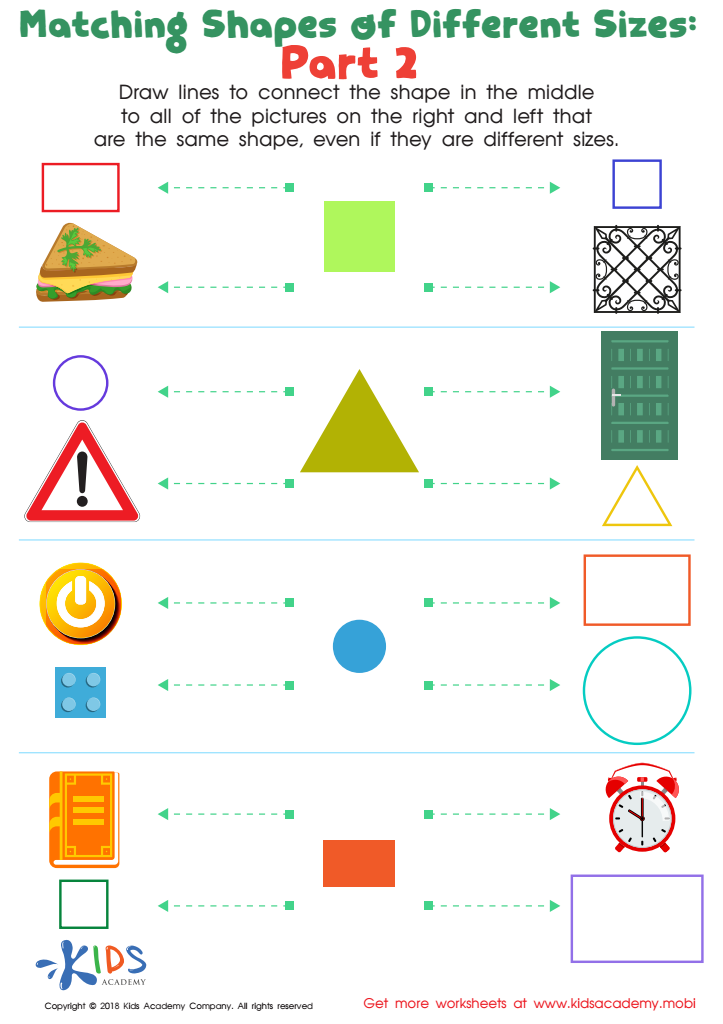
Geometry: Part 2 Worksheet
Third grade geometry gets a challenge with this free worksheet. Kids match shapes to everyday objects like sandwiches, alarm clocks and books for a better understanding of geometry in their lives. Printable pdf is included.
 Assign to My Students
Geometry: Part 2 Worksheet
Worksheet
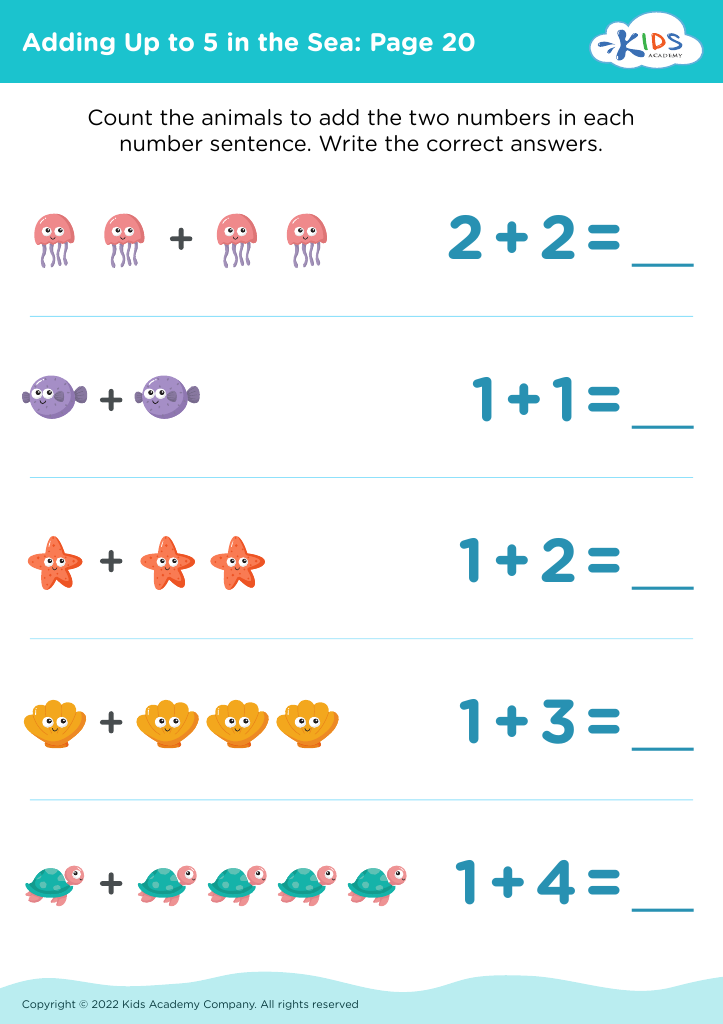
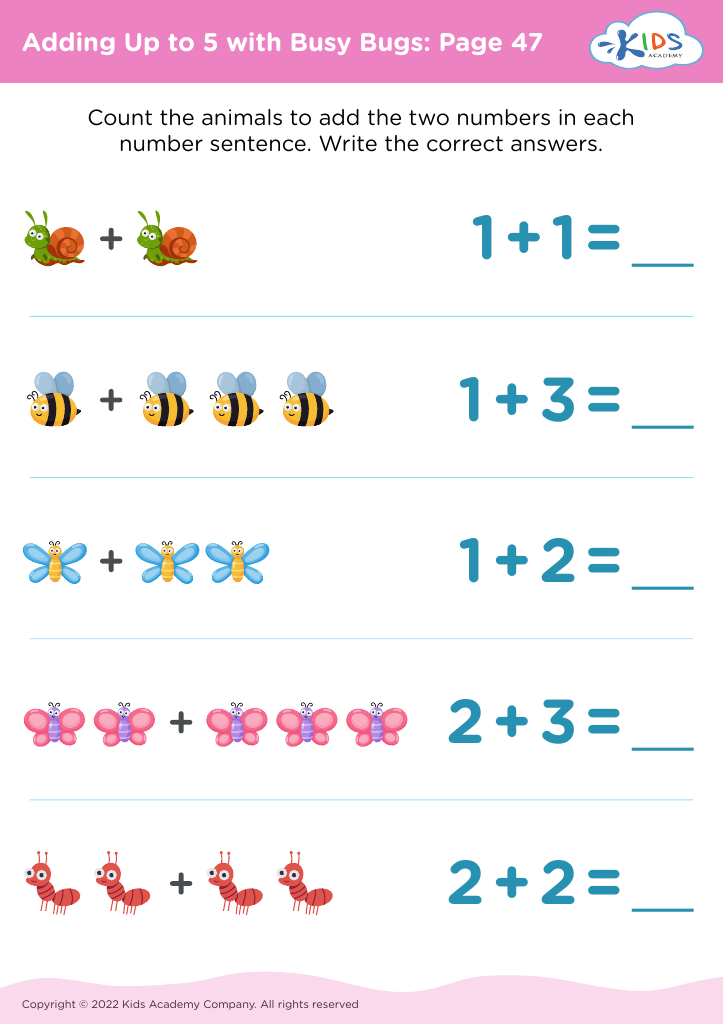
Join Kids Academy for Free
Who is primarily going to use this learning content?






.jpg)

Enhancing fine motor skills in math for children aged 5-7 is incredibly crucial for several foundational reasons. At this developmental stage, kids are refining their motor abilities, which are essential for numerous educational activities. Fine motor skills involve the coordination of small muscles, particularly in the hands and fingers, which are vital for tasks such as writing numbers, drawing shapes, and manipulating objects. These skills directly impact a child's ability to complete math-related activities like counting beads, linking cubes, sorting objects, and using math manipulatives effectively.
Developing these skills early on also supports cognitive growth. When children engage in activities that require precision and control, they enhance their attention to detail and problem-solving abilities, both of which are critical for understanding mathematical concepts. Additionally, strong fine motor skills improve hand-eye coordination and spatial awareness, further aiding in grasping math skills such as geometry, measurement, and patterns.
This focus not only facilitates immediate math learning but also sets the stage for academic success across all subjects. Early intervention ensures that kids are not hindered by motor difficulties and can fully engage with and enjoy learning. Therefore, parents and teachers should actively support and nurture fine motor development as an integral part of the overall educational process for young children.








