Fine motor skills development Math Worksheets for Ages 5-7
5 filtered results
-
From - To
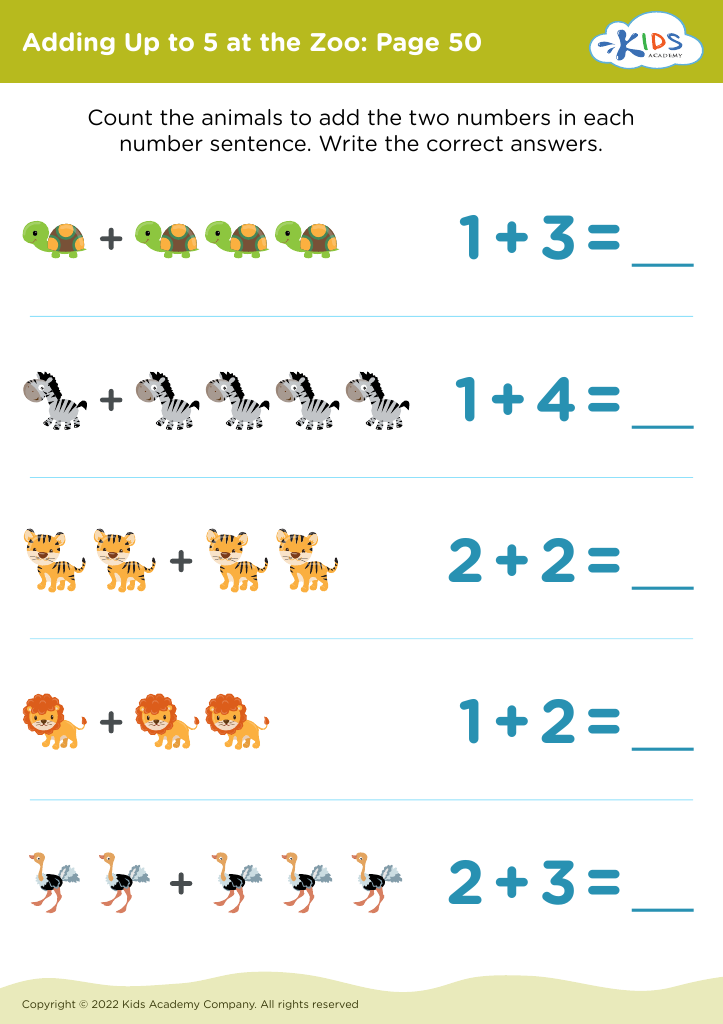
Discover our engaging Fine Motor Skills Development Math Worksheets designed specifically for children ages 5-7. These worksheets seamlessly blend math practice and fine motor skills enhancement, encouraging little hands to learn through fun activities. Each worksheet features creative exercises including tracing, cutting, and coloring that refine hand-eye coordination and grip strength while reinforcing essential math concepts like counting, shapes, and simple addition. Perfect for early learners, these worksheets support skill-building at home or in the classroom. Empower your child's learning experience and help them develop vital fine motor skills alongside essential math foundations with our thoughtfully designed resources!
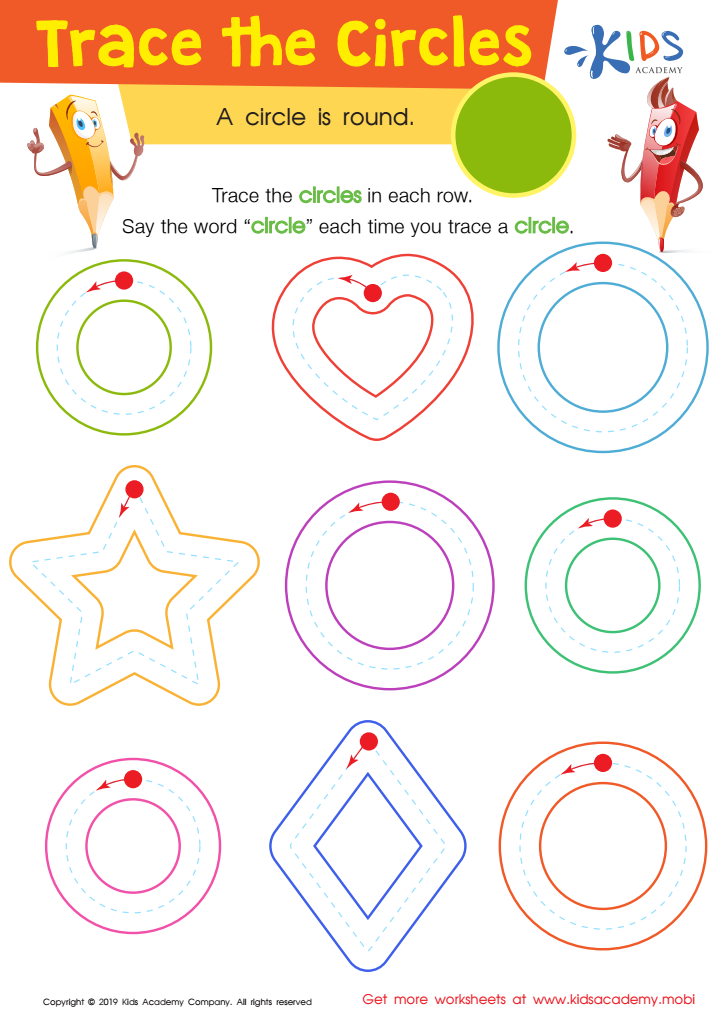
Trace The Circles Worksheet
 Assign to My Students
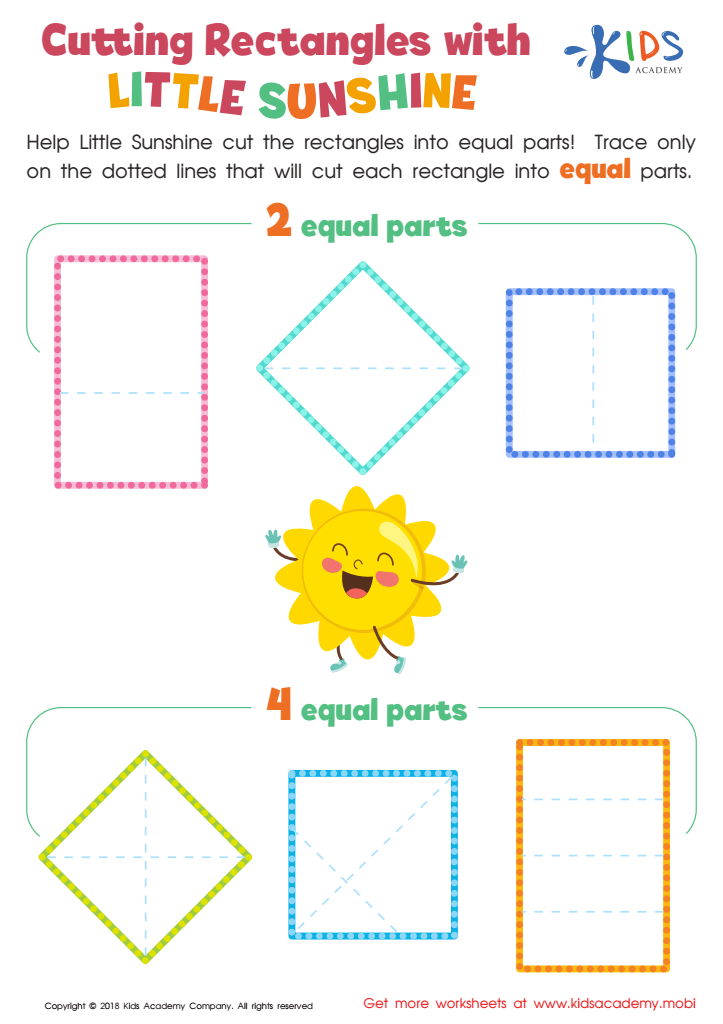
Cutting Rectangles with Little Sunshine Worksheet



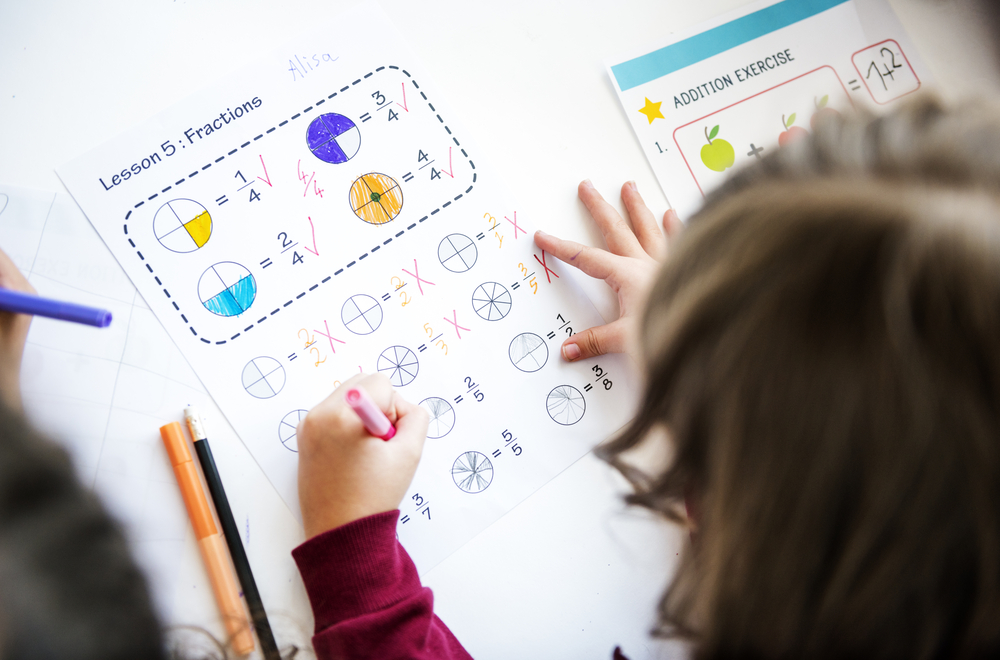




Fine motor skills are essential for young children, particularly in the context of math development for ages 5-7. These skills involve the coordinated movements of small muscles in the hands and fingers, which are critical for tasks such as writing, drawing, and manipulating objects. As children engage with math, they often encounter activities that require these skills, such as holding pencils, using rulers, and even handling counters or measuring tools.
When parents and teachers prioritize fine motor skill development, they lay the groundwork for a child's confidence and success in math. Strong fine motor skills enhance the ability to write numbers clearly, recognize shapes, and perform calculations accurately. Furthermore, manipulative activities—like using block shapes to explore addition and subtraction—allow children to visualize and grasp mathematical concepts more effectively.
Additionally, children who struggle with fine motor skills may experience frustration, leading to aversion or disengagement from math. By nurturing these skills early, adults can create a positive learning environment that fosters a love for math and encourages persistence when encountering challenges. Ultimately, caring for fine motor development not only supports math proficiency but also contributes to overall cognitive and behavioral growth in young learners.








