Fine Motor Skills Math Worksheets for Ages 5-7 - Page 9
199 filtered results
-
From - To
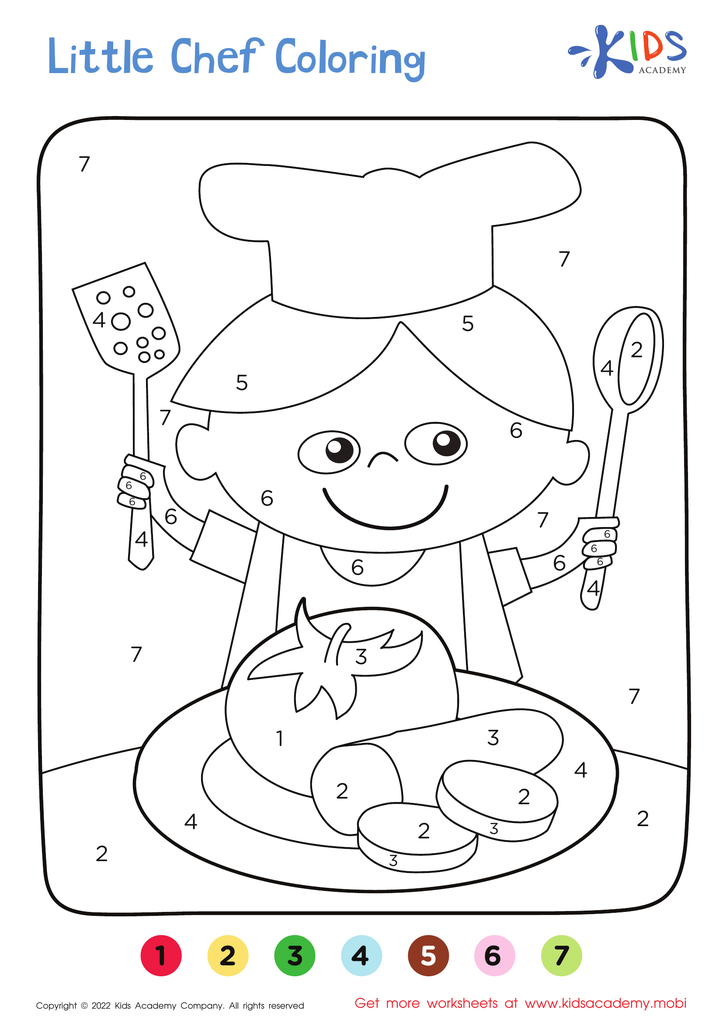
Little Chef – Coloring by Numbers
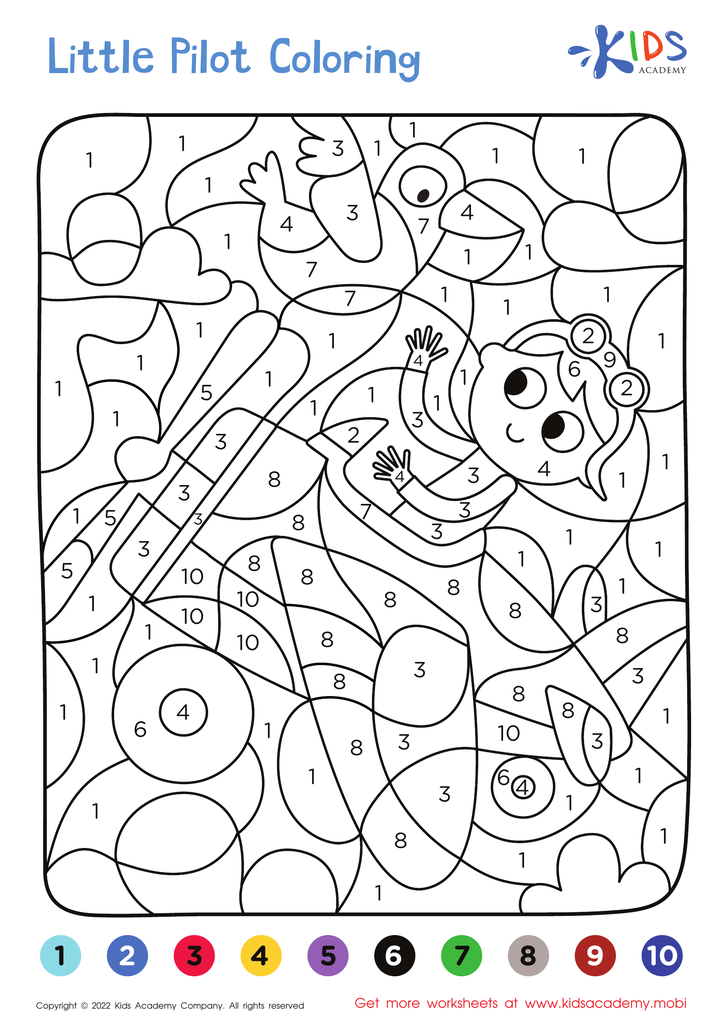
Little Pilot – Coloring by Numbers
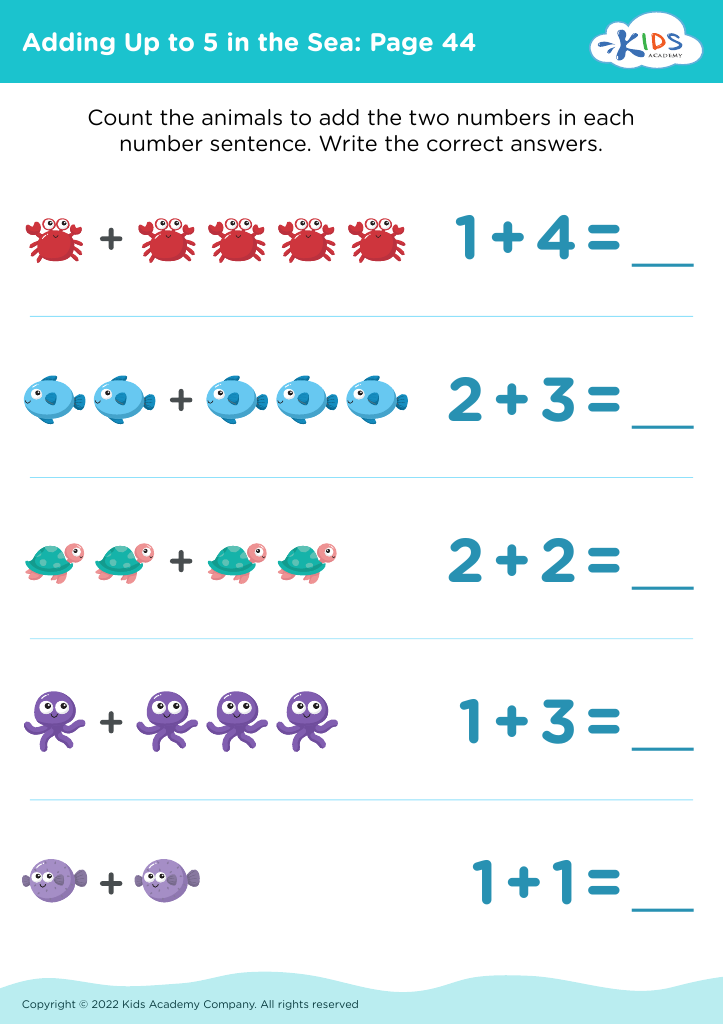
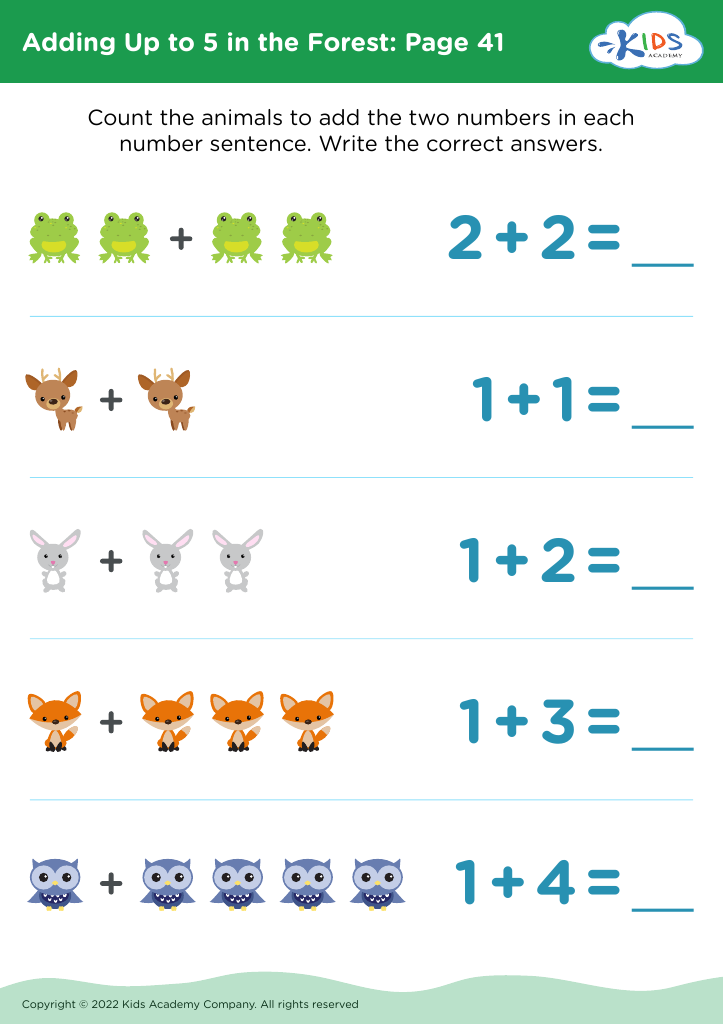
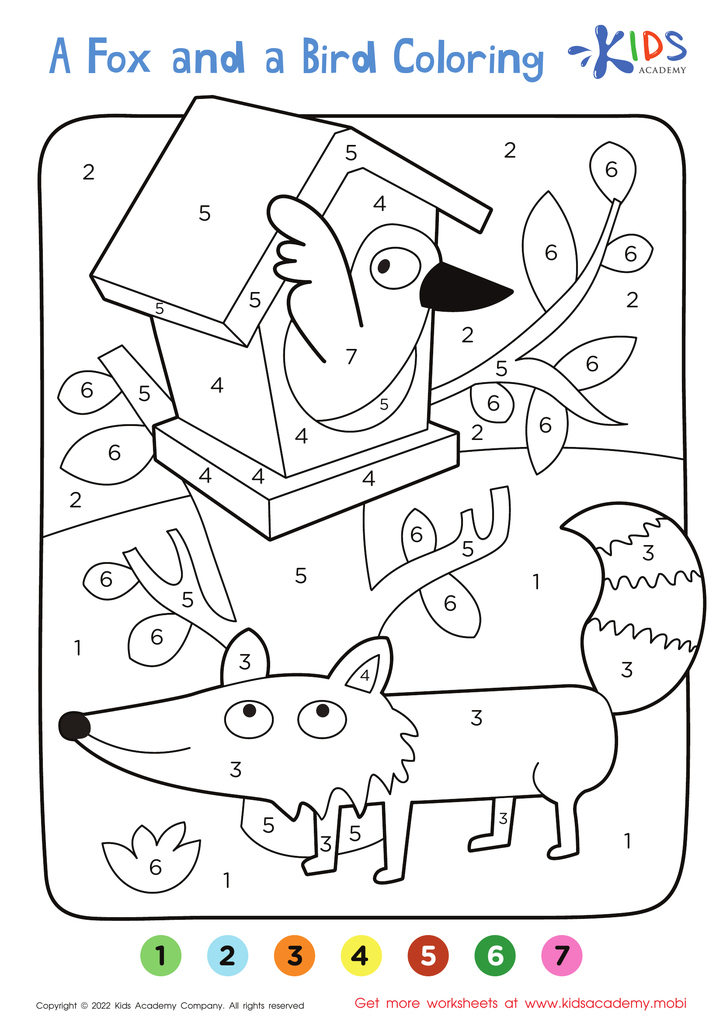
A Fox and a Bird – Coloring by Numbers
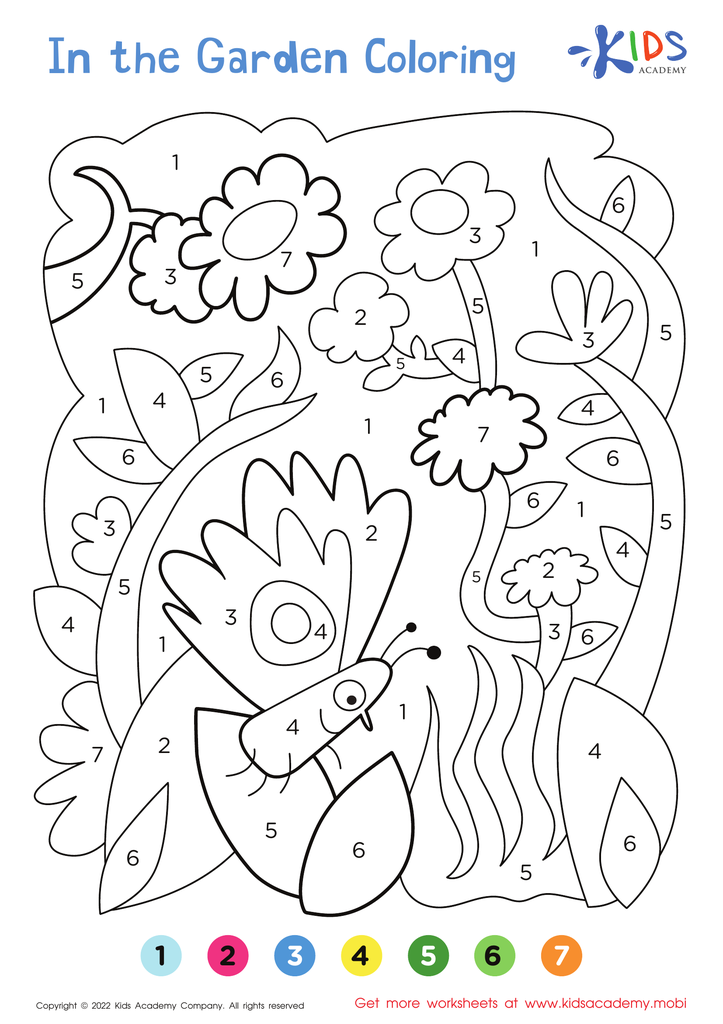
In the Garden – Coloring by Numbers
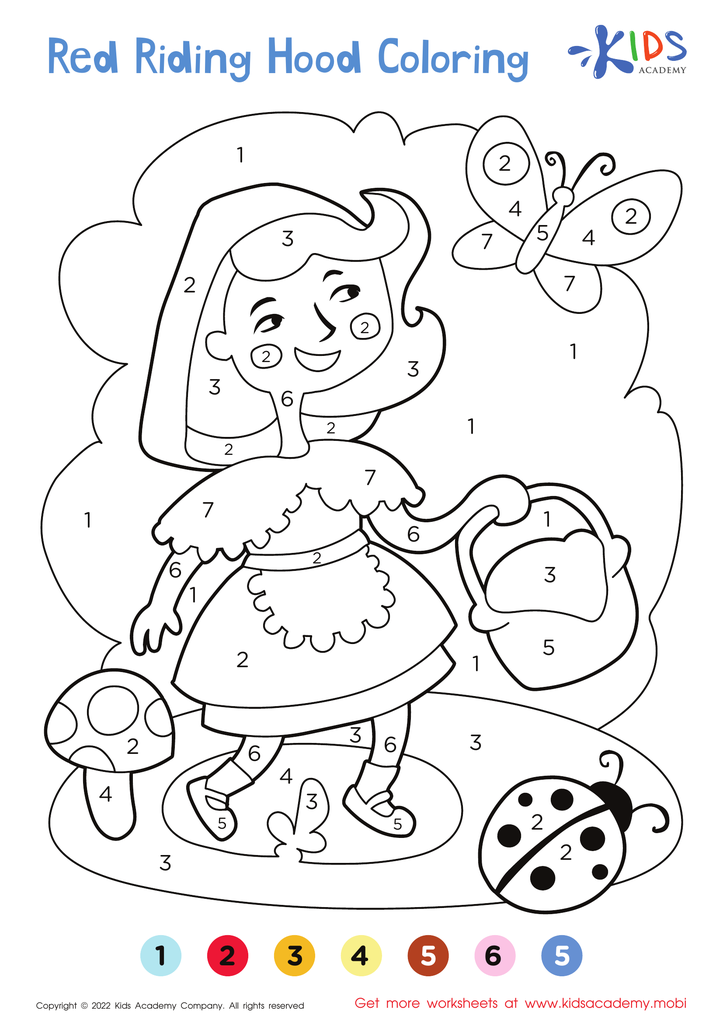
Little Red Riding Hood – Coloring by Numbers








Fine motor skills are crucial for children aged 5-7 as they form the foundation for many essential life skills, including those related to mathematics. When parents and teachers focus on developing fine motor skills, they enhance a child's ability to grasp, manipulate, and control small objects, which is pivotal for effective learning and problem-solving in early math education. For instance, tasks such as counting small objects, sorting beads by color or shape, and writing numbers require dexterity and hand-eye coordination, all of which are underpinned by fine motor skills.
Moreover, fine motor skills are directly linked to cognitive development. Activities like connecting dots to form shapes or assembling blocks in patterns help integrate physical movements with cognitive tasks, thereby improving a child's ability to understand and internalize mathematical concepts.
By fostering fine motor skills, parents and teachers not only assist children in better academic performance in math but also enhance their ability to perform everyday activities independently, such as tying shoelaces or using utensils. Ensuring children have strong fine motor skills sets a solid groundwork not just for math, but for overall academic and personal growth, making it an essential focus during the ages of 5-7.








