Handwriting Skills Math Worksheets for Ages 5-7
6 filtered results
-
From - To
Discover a fun and engaging way to enhance handwriting skills for children ages 5-7 with our specially designed math worksheets. These interactive activities combine essential math concepts with handwriting practice, helping young learners develop fine motor skills while reinforcing their understanding of numbers and operations. Our worksheets promote neatness and confidence in writing, making learning enjoyable and effective. Each exercise is crafted to match various learning styles, ensuring every child can thrive. Explore the world of handwriting through math and watch your child's skills flourish! Download now to ignite a passion for learning in your little mathematician.
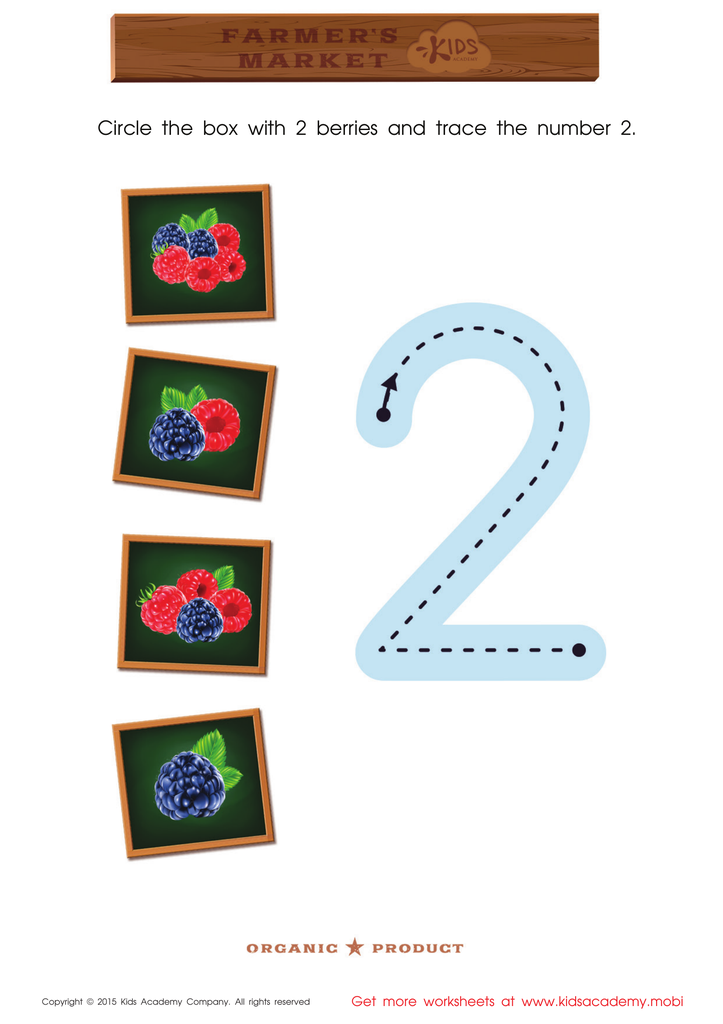
Count the Berries and Trace the Number 2 Printable
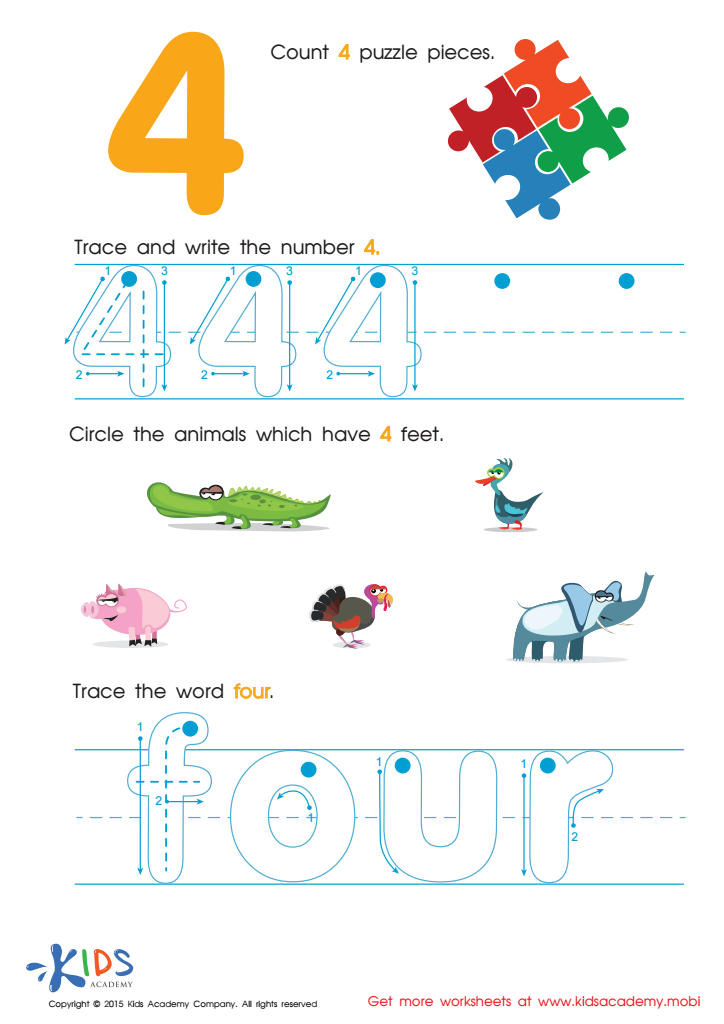
Teaching Children to Write Number 4 Worksheet
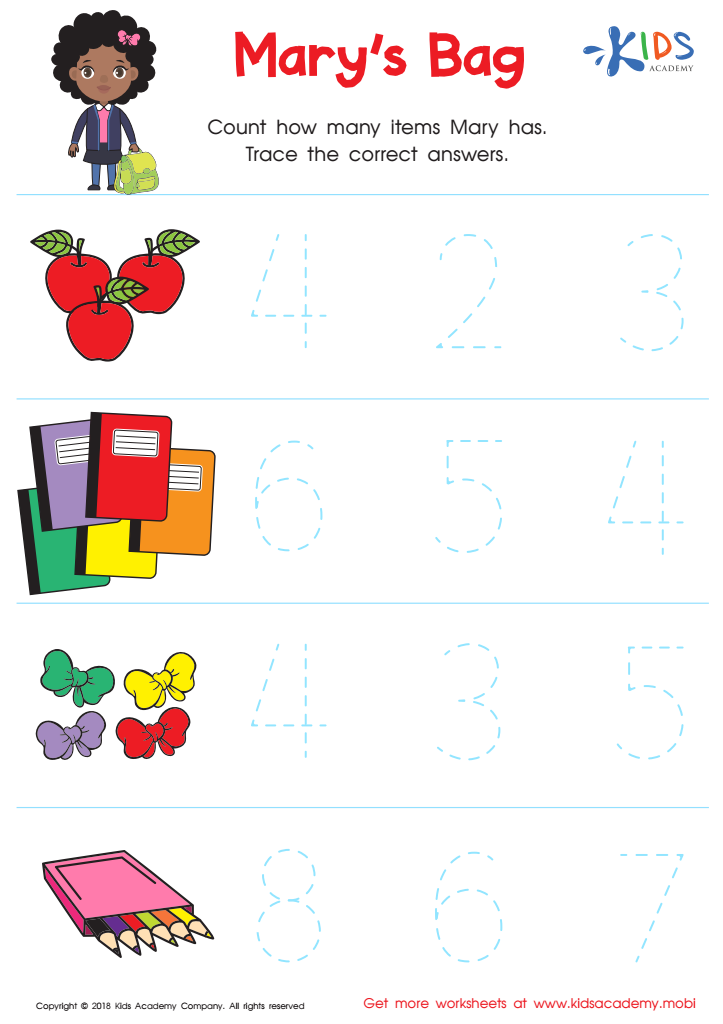
Kindergarten Number Tracing: Mary's Bag Worksheet
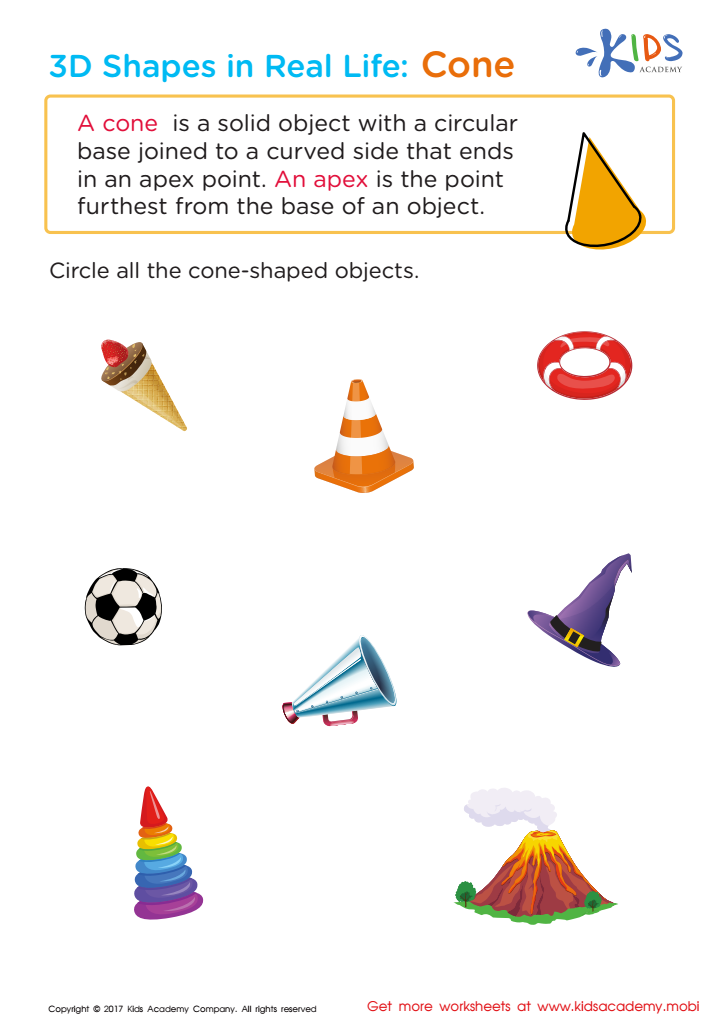
Shapes in Real Life: Cone Worksheet
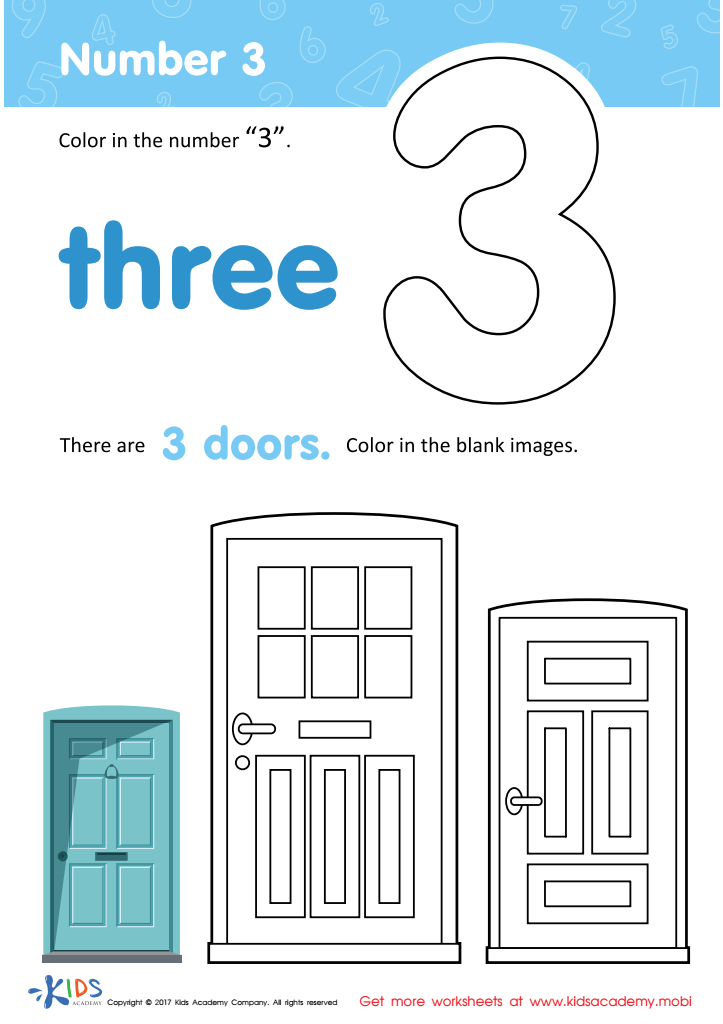
Number 3 Worksheet
 Assign to My Students
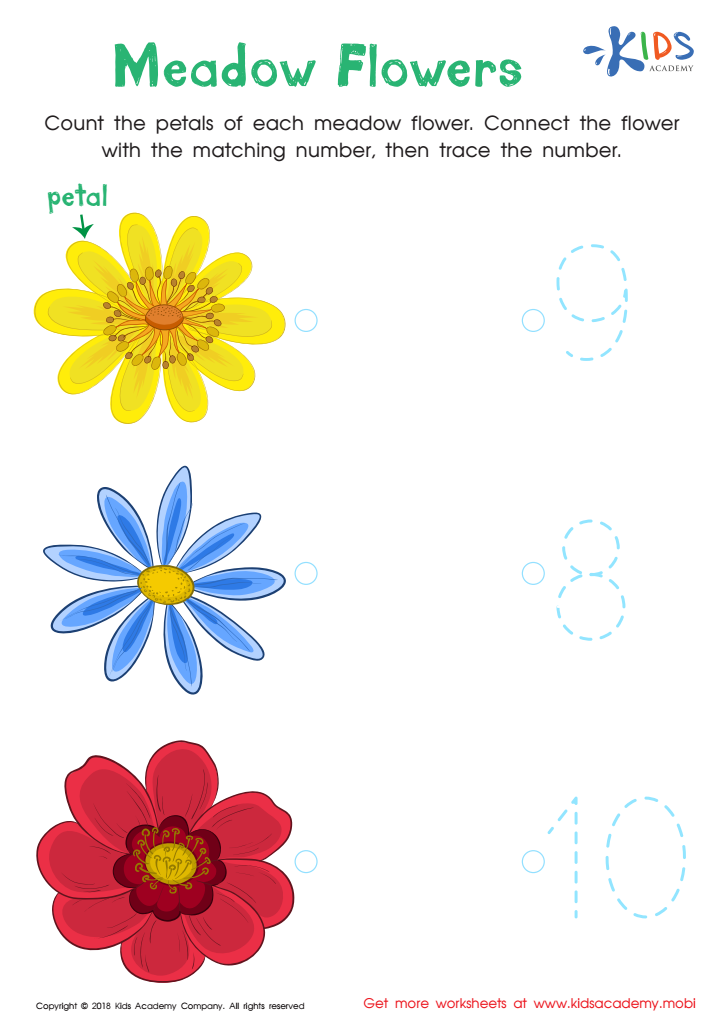
Kindergarten Number Tracing: Medow Flowers Worksheet





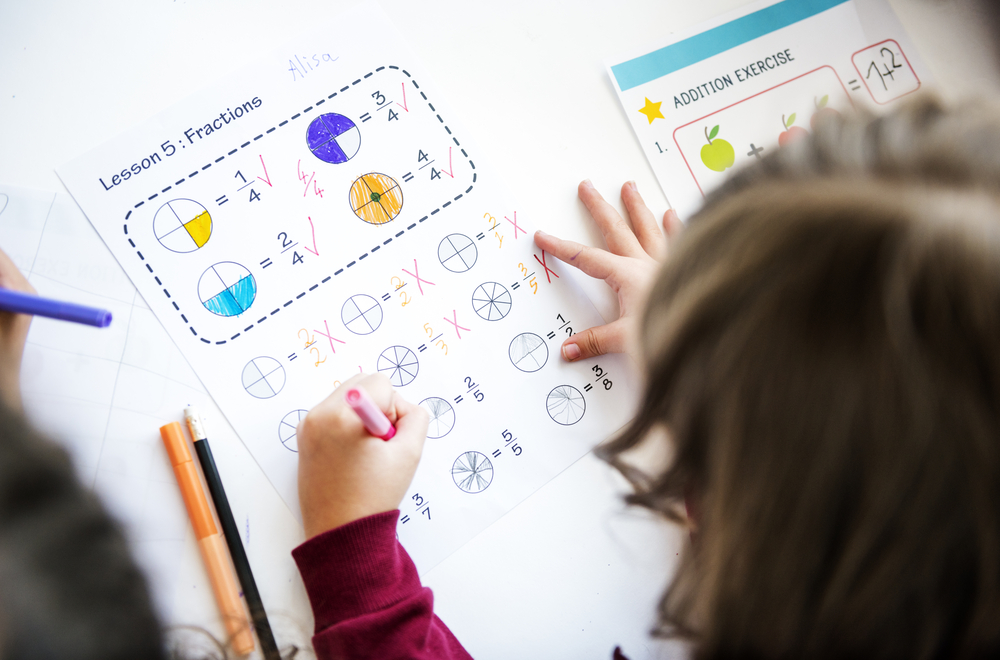


Handwriting skills and math proficiency are both foundational components of early education, particularly for children aged 5-7. Parents and teachers should prioritize the development of these skills as they are interconnected and contribute to a child's overall academic success. Learning to write legibly enhances a child's ability to communicate their mathematical understanding effectively. When children practice writing numbers and symbols consistently, they reinforce their numerical recognition and organization of mathematical concepts.
Handwriting also aids cognitive development. The act of writing engages fine motor skills, which are crucial for physical coordination. As children learn to write numbers and mathematical operations, they simultaneously strengthen their motor skills, enabling them to execute more complex tasks with ease later on.
Furthermore, establishing good handwriting habits early in life promotes confidence. Children who express their mathematical reasoning clearly are more likely to participate in discussions, ask questions, and display a positive attitude toward learning. For teachers, emphasizing handwriting skills alongside math instruction fosters a more holistic learning environment, encouraging students to view writing as an integral part of their learning journey, not merely an ancillary skill. Ultimately, prioritizing handwriting skills in conjunction with math sets the stage for future educational success across subjects.








