Improve reading skills Math Worksheets for Ages 5-7 - Page 2
31 filtered results
-
From - To
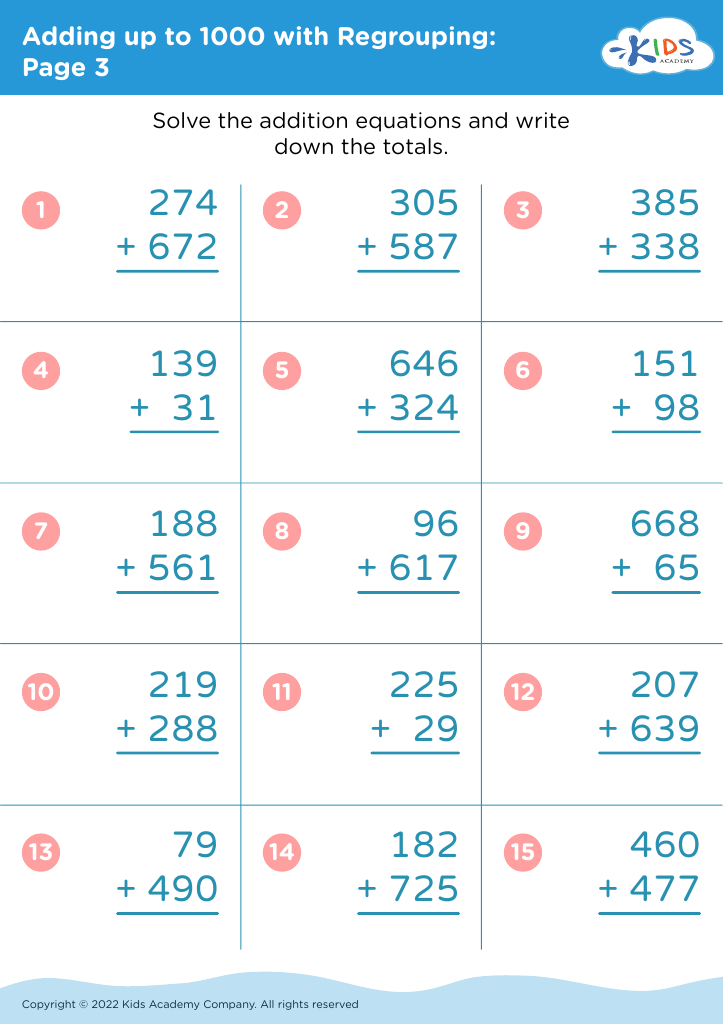
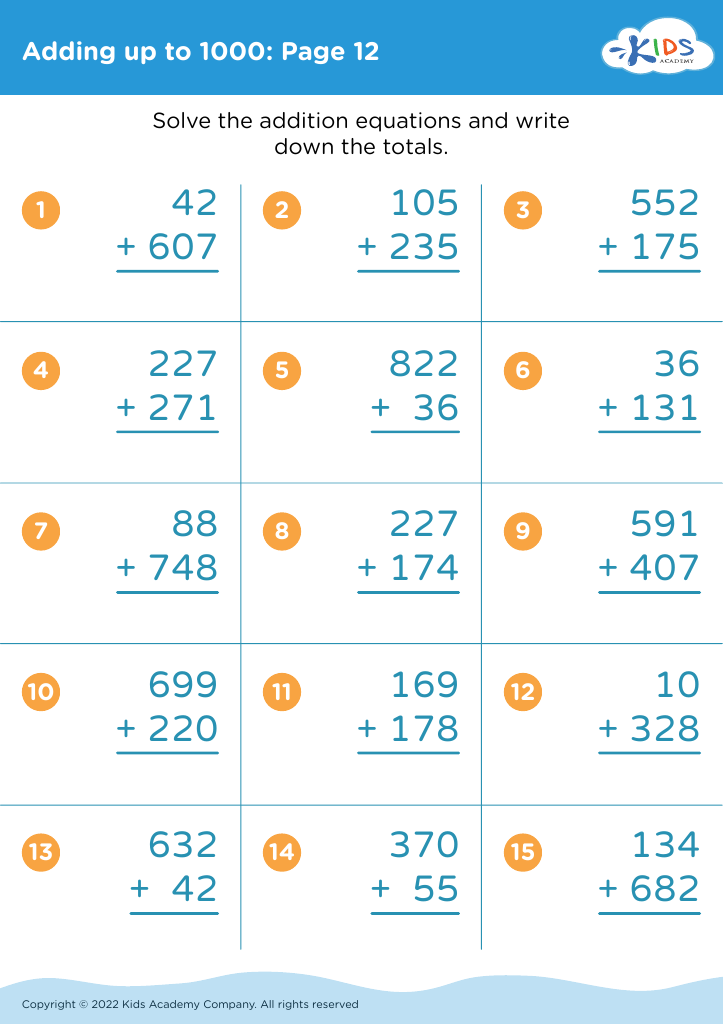
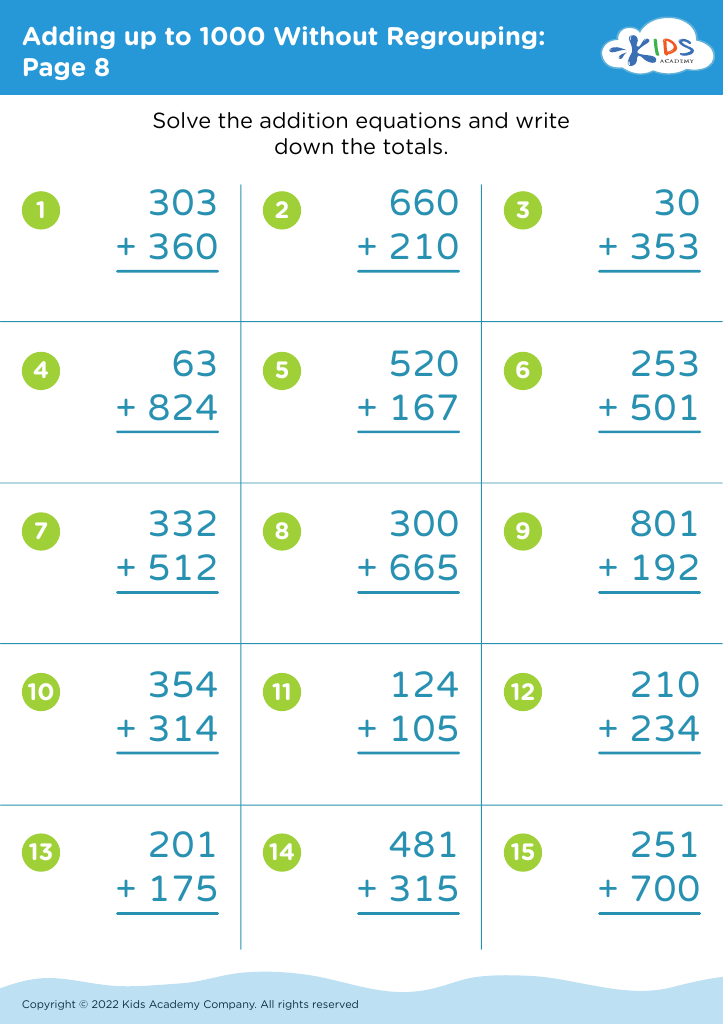
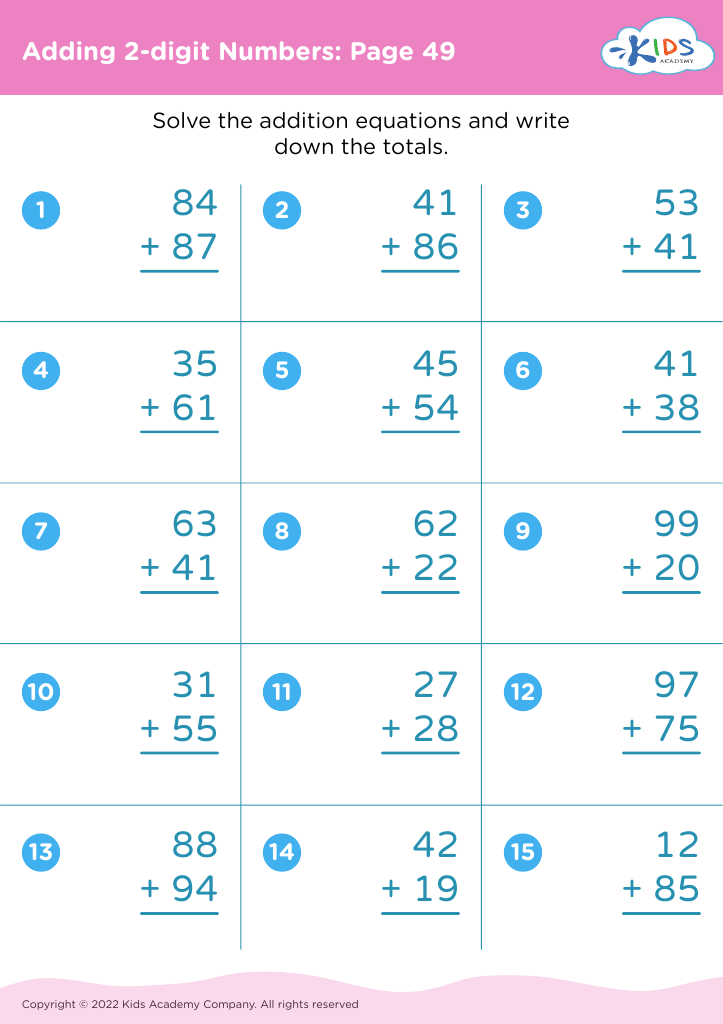








Parents and teachers should prioritize improving reading and math skills for children aged 5-7 because these foundational abilities are critical for their lifelong academic and cognitive development. At this formative stage, children's brains are exceptionally receptive to learning and can absorb new concepts quickly.
Reading skills are essential because they form the basis for effective communication, comprehension, and critical thinking. When children learn to read proficiently, they are more likely to succeed in other subjects, as literacy is integral to understanding instructions, exploring new ideas, and acquiring knowledge across the curriculum. Early reading intervention, including phonics, vocabulary building, and comprehension strategies, can set the stage for advanced literacy and educational achievement.
Similarly, math skills acquired during these years lay the groundwork for logical thinking and problem-solving. Foundational concepts such as number recognition, basic arithmetic, patterns, and shapes are building blocks for more complex mathematical reasoning in later years. Early math proficiency predicts future academic success not just in math, but in science and technology fields as well.
By investing time and resources into improving both reading and math skills at an early age, parents and teachers can help children develop essential habits, boost their confidence, and foster a love for learning that will benefit them throughout their educational journey and beyond.








