
Improving mathematical skills Math Worksheets for Ages 5-7
5 filtered results
Difficulty Level
Grade
Age
-
From - To
Subject
Activity
Standards
Improve your child's mathematical skills with our engaging and expertly designed math worksheets for ages 5-7. Perfect for home or classroom use, these printables focus on developing key concepts such as addition, subtraction, counting, and problem-solving. Interactive activities and colorful illustrations make learning fun and effective, fostering a love for math from an early age. Suitable for different learning paces, our worksheets gradually build proficiency and confidence. Enrich your child’s education today by exploring our free resources that support foundational math skills and ensure academic growth in a supportive and enjoyable environment.
Favorites
With answer key
Interactive
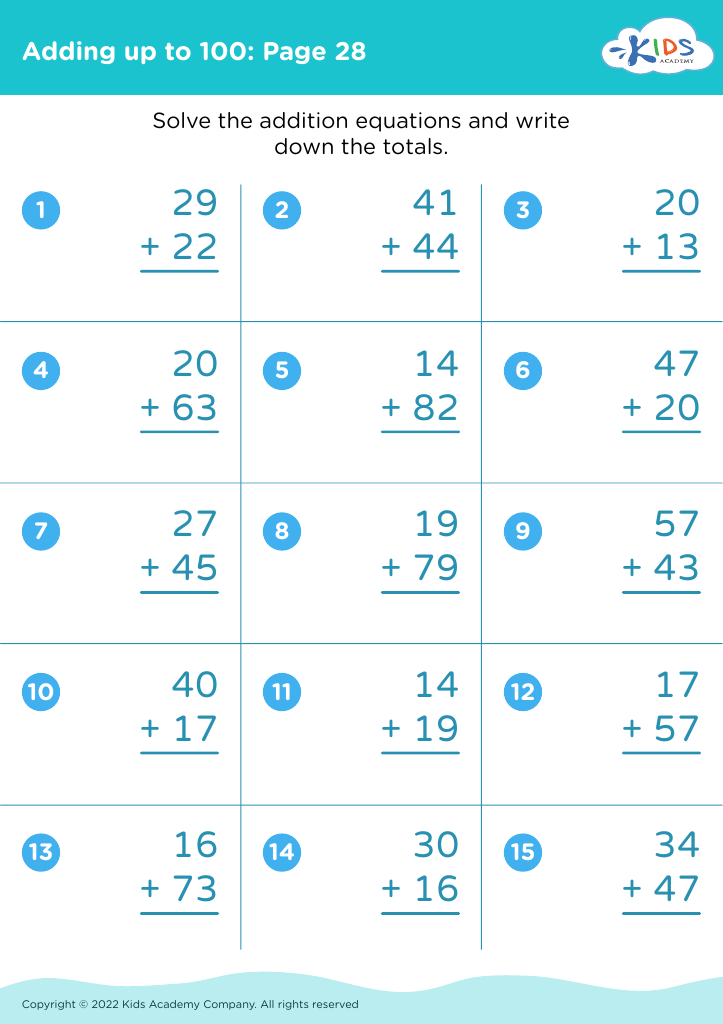
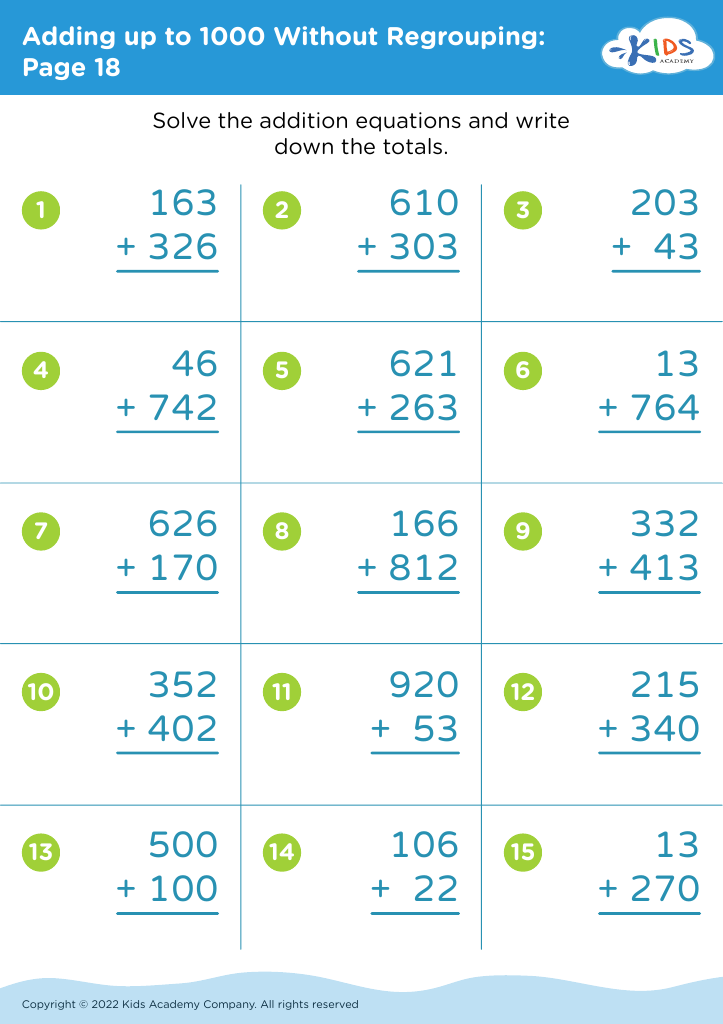
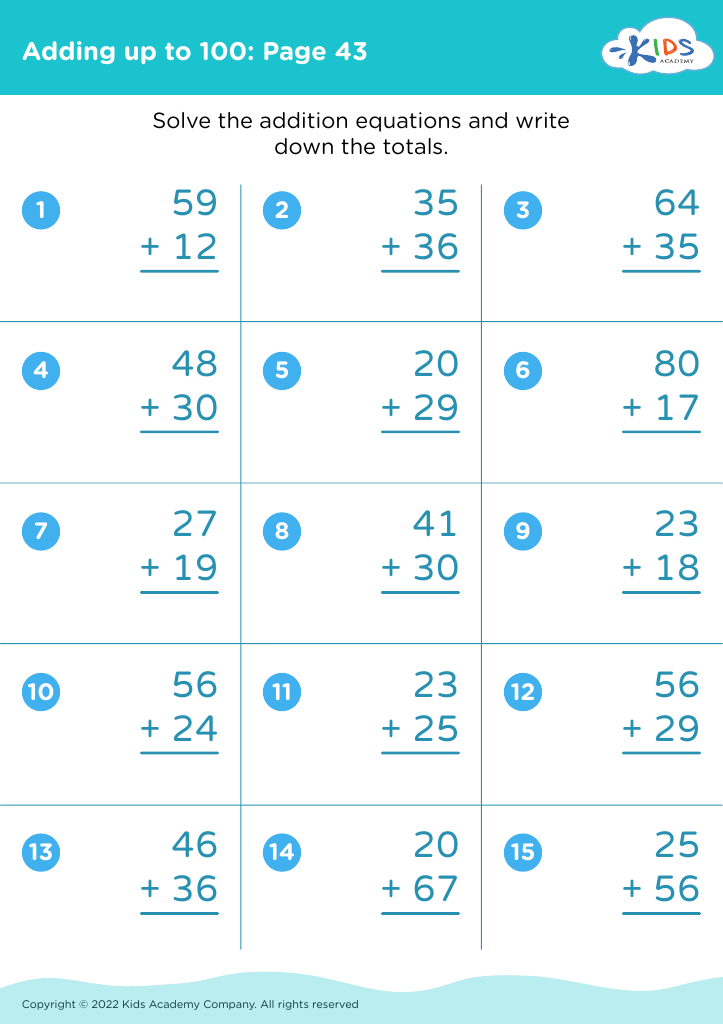
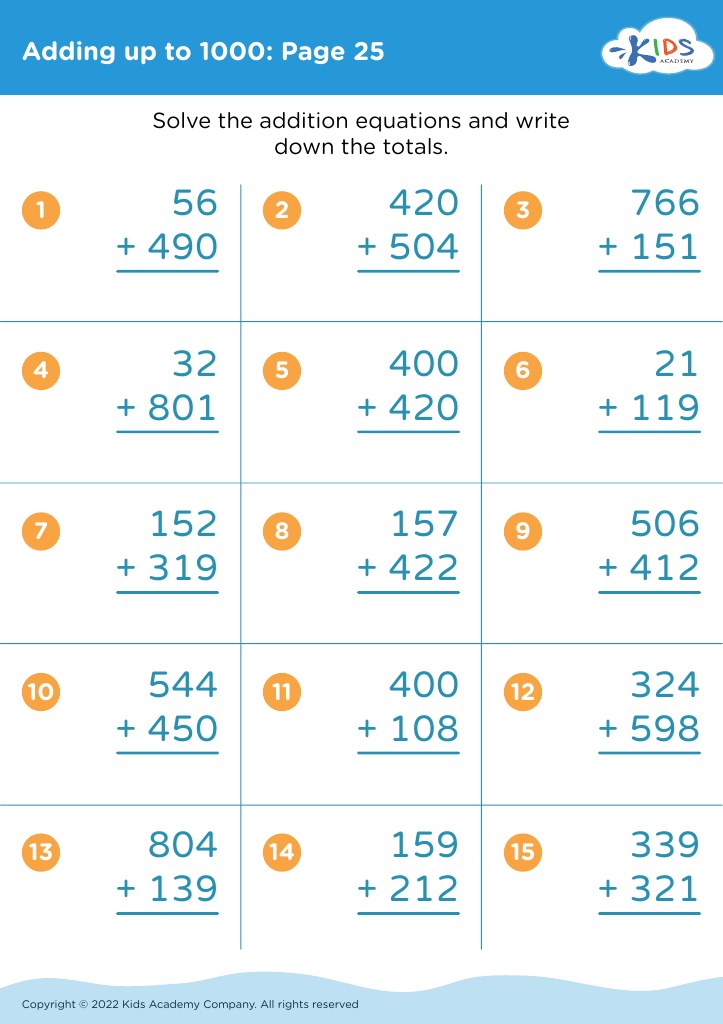
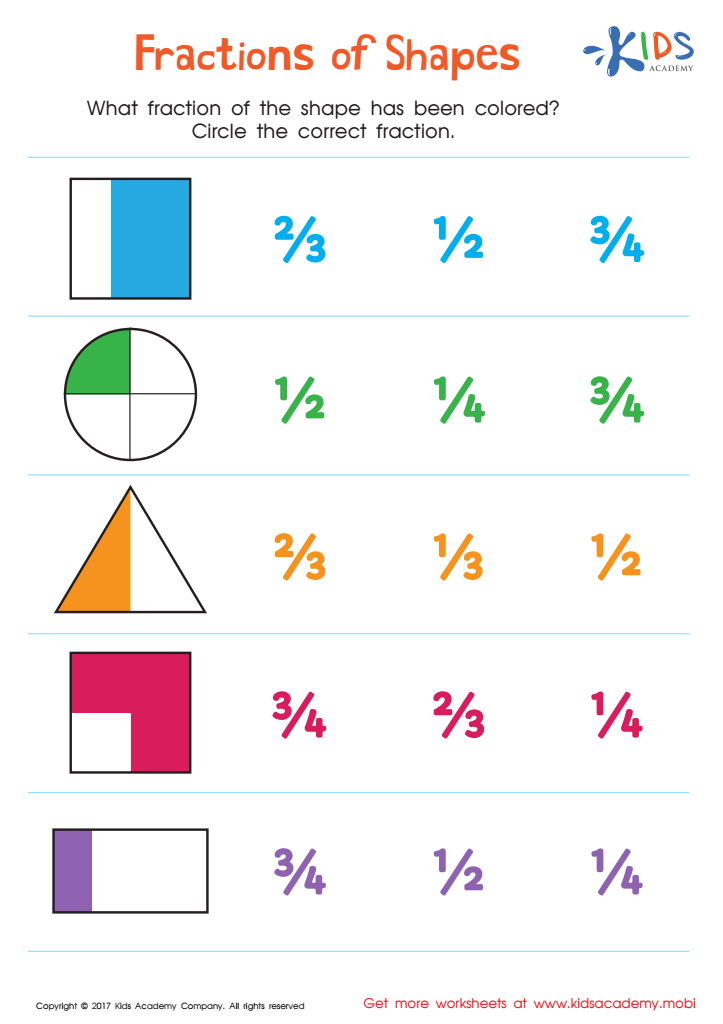
Fractions of Shapes: Math Concept Worksheet
Fractions can be tricky, but with pictures to illustrate them, they become much easier to understand. Our fractions of shapes worksheet is a great way to help children visualize fractions and gain a better understanding of them.
 Assign to My Students
Fractions of Shapes: Math Concept Worksheet
Worksheet
Join Kids Academy for Free
Who is primarily going to use this learning content?






.jpg)
.jpg)
Improving mathematical skills for children aged 5-7 is critical for multiple reasons, making it important for both parents and teachers to actively support this development. At this early age, children are beginning to develop their foundational understanding of numbers, shapes, patterns, and basic arithmetic, which are essential building blocks for all future math learning. Proficiency in these skills boosts confidence and fosters a positive attitude toward mathematics, which can have a long-lasting impact on their academic journey.
Math also enhances problem-solving and critical thinking abilities. When children engage in mathematical activities, they learn to approach problems methodically, developing their capacity to analyze situations, think logically, and come up with solutions. These skills are transferable to other subjects and everyday life, enabling children to make informed decisions and solve real-world problems effectively.
Moreover, early math competency is linked to future academic success. Studies have shown that early math skills are strong predictors of later academic achievement, not just in mathematics but across other subjects like reading. Therefore, providing a robust math foundation at ages 5-7 can pave the way for overall academic excellence.
Collaborative math activities also support social and communication skills. Working on math problems together fosters teamwork, teaching children to share ideas, listen to others, and articulate their thoughts clearly, laying the groundwork for effective communication.
In summary, fostering mathematical skills at a young age sets children on a path toward academic success, critical thinking, and effective problem-solving, benefiting them in numerous aspects of their future endeavors.








