Logic development Math Worksheets for Ages 5-7
4 filtered results
-
From - To
Enhance your child's critical thinking and problem-solving abilities with our Logic Development Math Worksheets for Ages 5-7! These engaging and colorful worksheets are designed to make foundational math concepts fun and interactive. Featuring puzzles, pattern recognition activities, sequencing challenges, and more, each worksheet helps young learners build essential logical reasoning skills. Perfect for both classroom and at-home learning, our resources support cognitive growth and foster a love for mathematics in a playful, age-appropriate way. Set your child on the path to academic success and lifelong curiosity with our expertly crafted logic development worksheets!
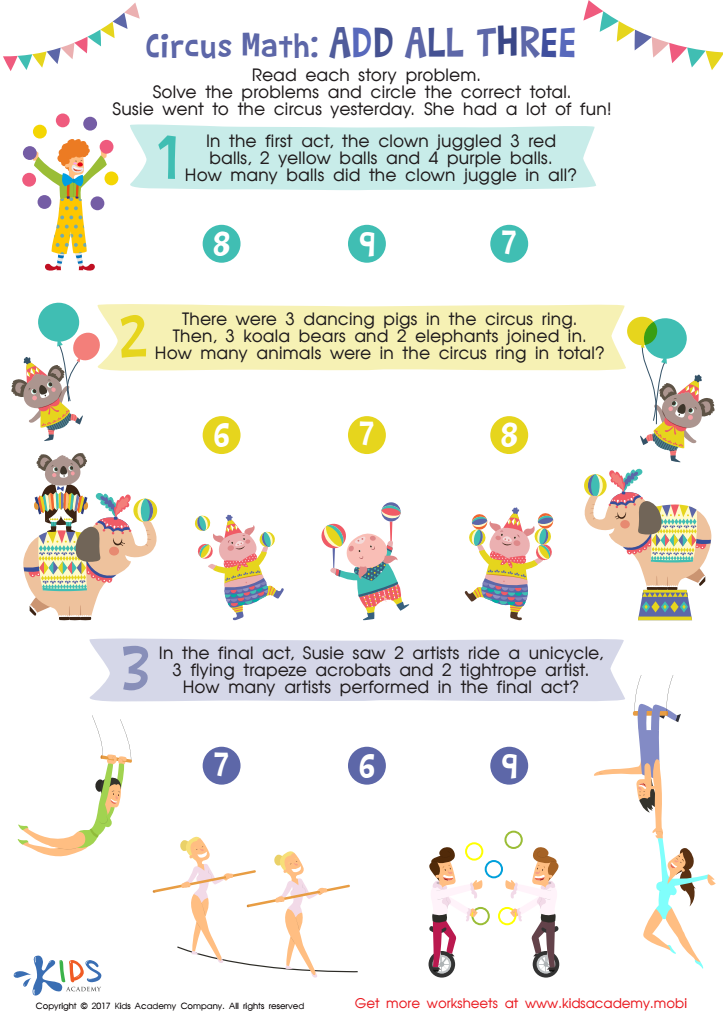
Circus Math Printable
 Assign to My Students
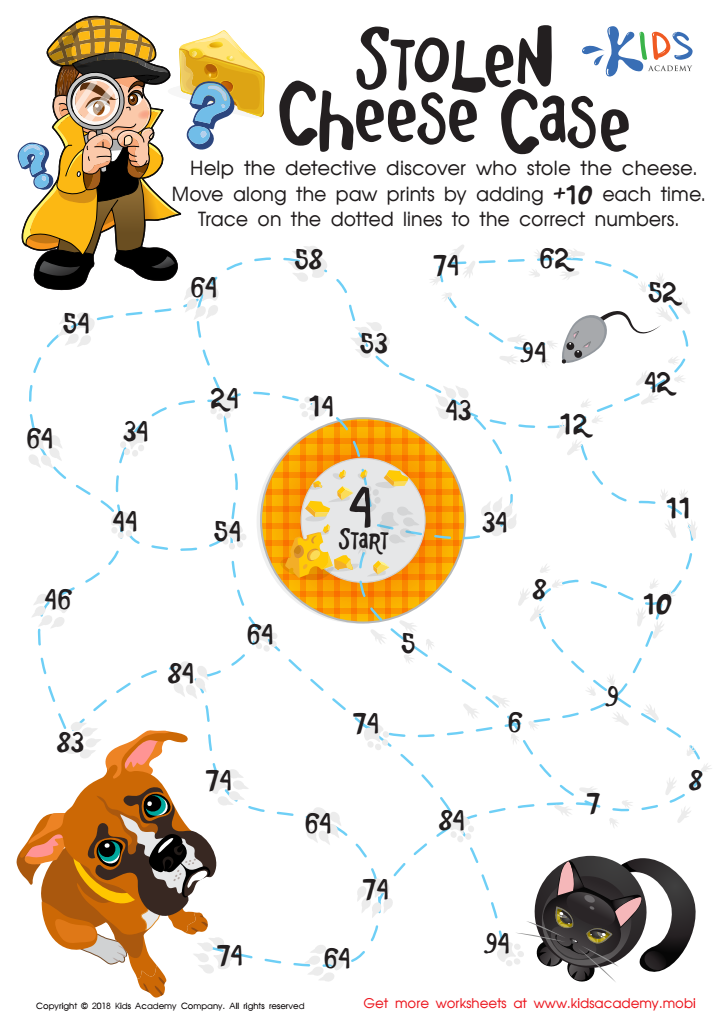
Stolen Cheese Case Maze Worksheet
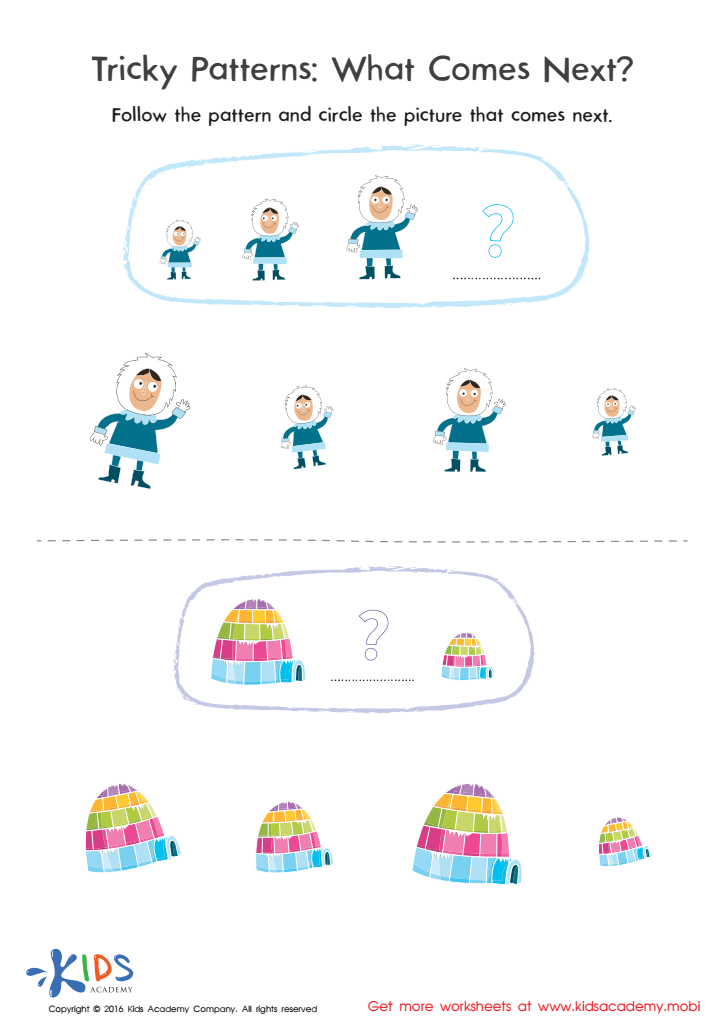
Tricky Patterns Size Worksheet
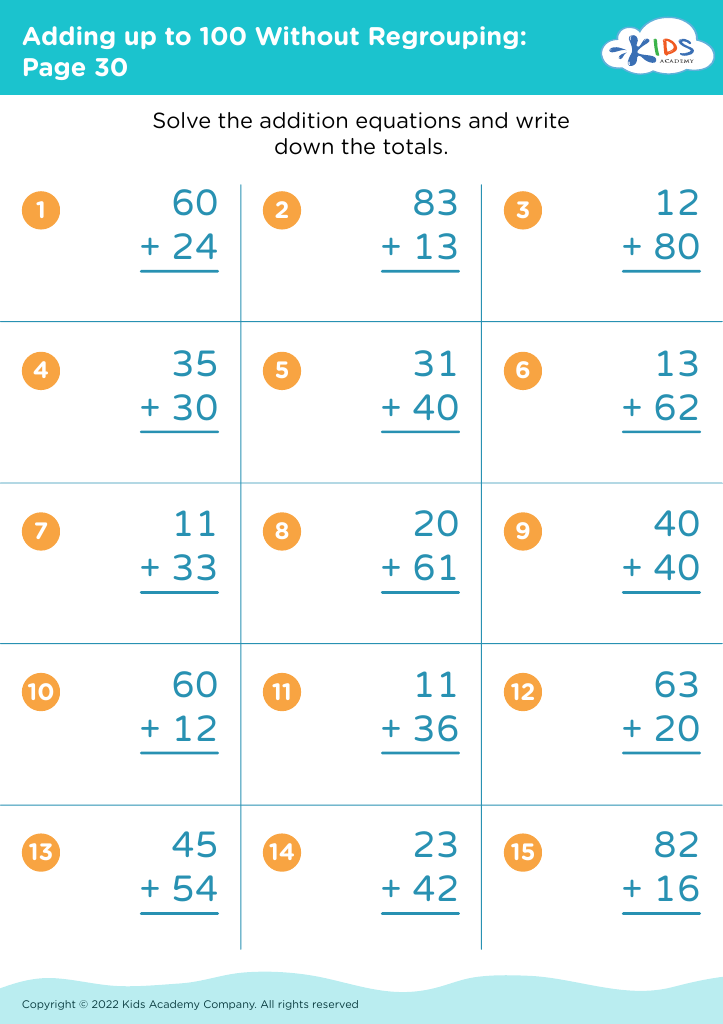








Logic development in mathematics for children ages 5-7 is crucial for several reasons. Firstly, it lays the foundation for critical thinking skills. When young students learn basic mathematical concepts, they also practice problem-solving and reasoning, skills that are essential for understanding more complex subjects and for daily decision-making.
During these formative years, children's brains are highly adaptable, making it the perfect time to introduce logical thinking patterns. Engaging with activities like sorting, classifying, and pattern recognition helps stimulate cognitive development. This, in turn, improves their ability to organize information, make connections, and articulate their thought processes.
Moreover, early exposure to logical math practices builds confidence. Children who master logic-based math activities tend to perform better and feel more competent in their academic journeys. This confidence encourages a positive attitude toward learning, fostering a growth mindset that will benefit them across all areas of education.
Finally, logical math skills are fundamental to future STEM (Science, Technology, Engineering, Mathematics) pursuits. As the world increasingly leans on technology and innovation, having a solid foundation in logic and math from an early age becomes an imperative asset for any child. Thus, parents and teachers who focus on this area help set the stage for lifelong learning and success.








