Logical Reasoning Math Worksheets for Ages 5-7 - Page 2
28 filtered results
-
From - To
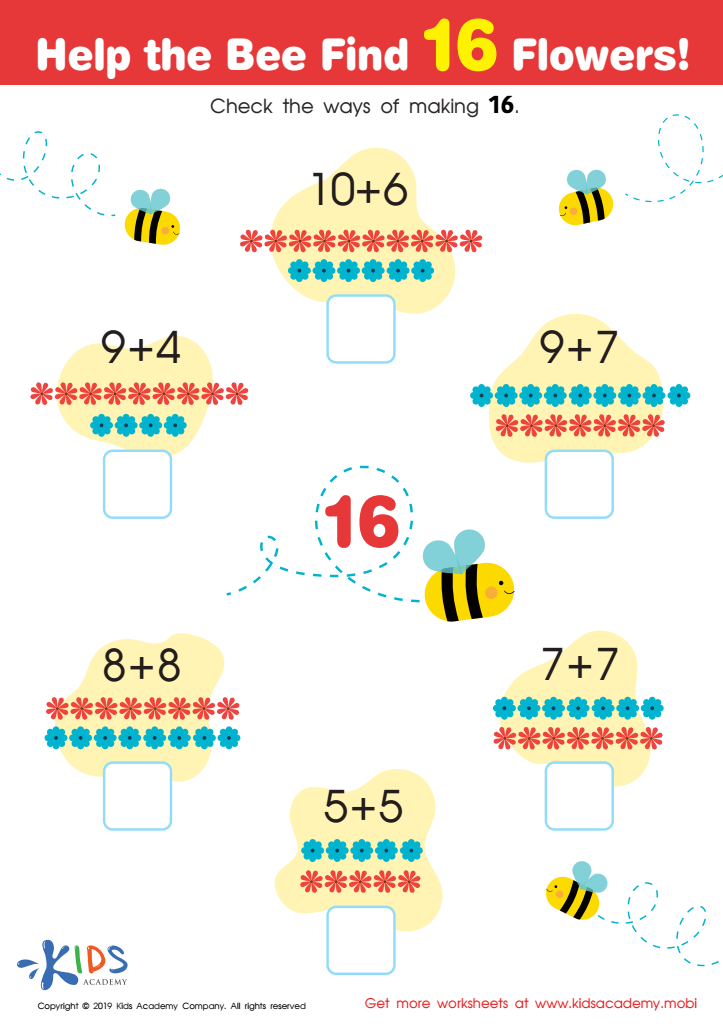
Help the Bee Find 16 Flowers Worksheet
 Assign to My Students
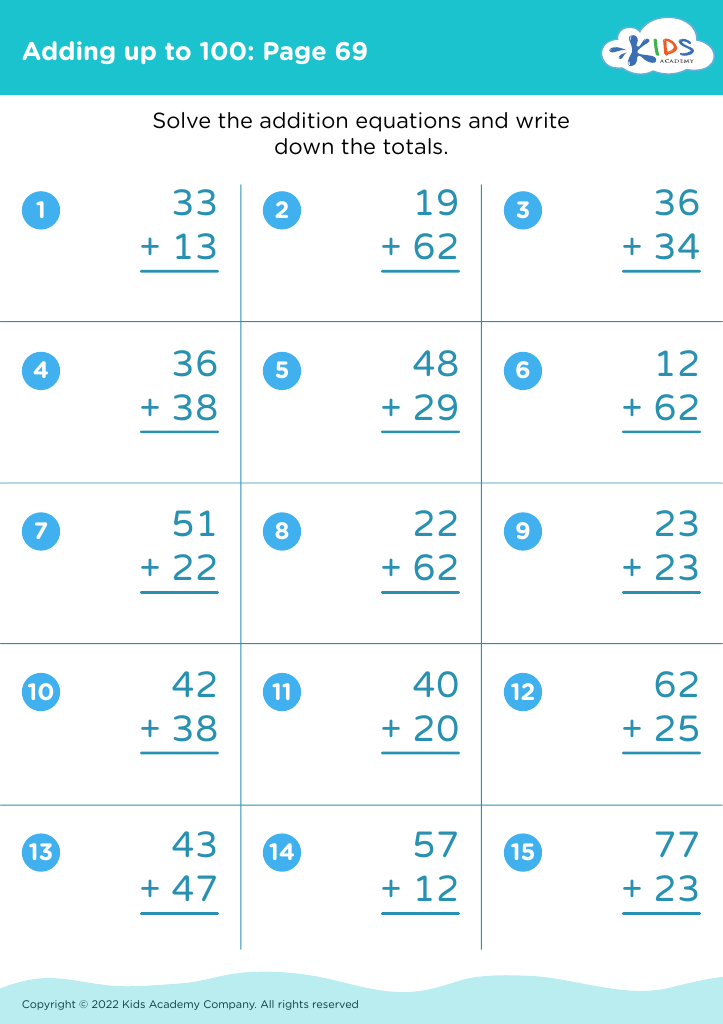
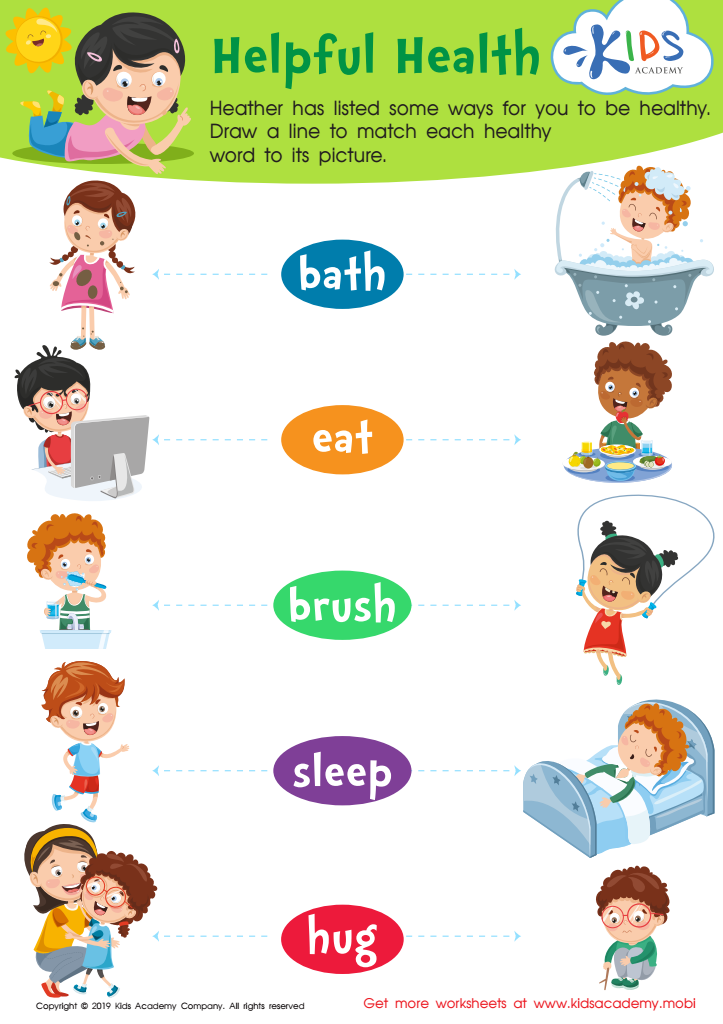
Helpful Health Worksheet
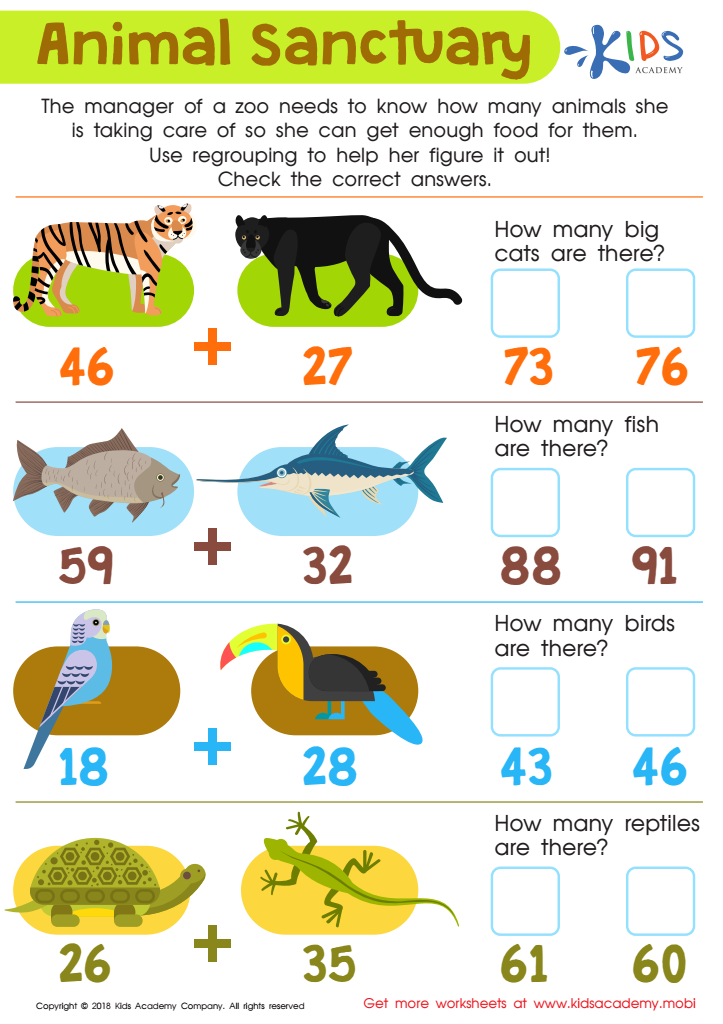
Animal Sanctuary Worksheet



.jpg)




Logical reasoning math for ages 5-7 is pivotal for early development in children, as it lays the foundation for critical thinking and problem-solving skills. At this age, children are naturally curious, and engaging them in logical reasoning helps nurture that curiosity, encouraging them to explore patterns, relationships, and structures.
Parents and teachers should care because these skills go beyond math; they foster a child's overall cognitive development. Enhancing logical reasoning capabilities allows children to construct coherent arguments, make informed decisions, and analyze situations critically. This ultimately translates to better performance in academic settings and other life challenges.
Moreover, introducing logical reasoning concepts early cultivates a love for learning. Children who enjoy their educational experiences are more likely to pursue knowledge actively and become lifelong learners. Additionally, these skills are crucial for children's future success in STEM-related fields, where problem-solving and analytical skills are essential.
Finally, logical reasoning math can make learning fun through games and interactive activities, making it easier for parents to engage with their children. In doing so, they foster a supportive learning environment that promotes curiosity and independence, both vital for success in school and beyond.








