Number tracing Math Worksheets for Ages 5-7
4 filtered results
-
From - To
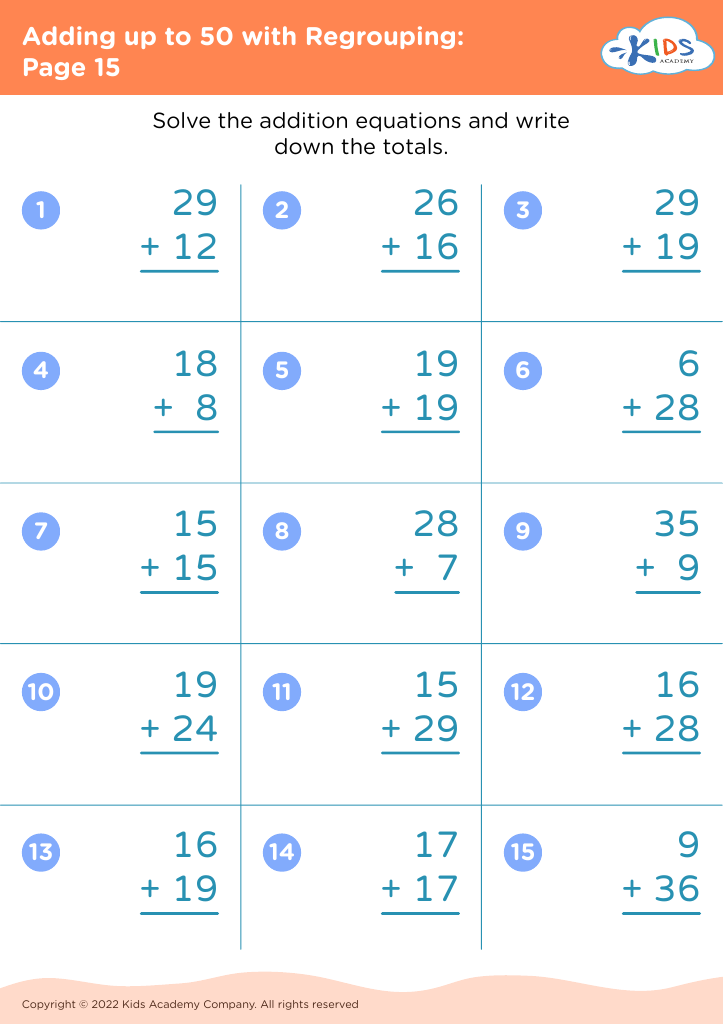
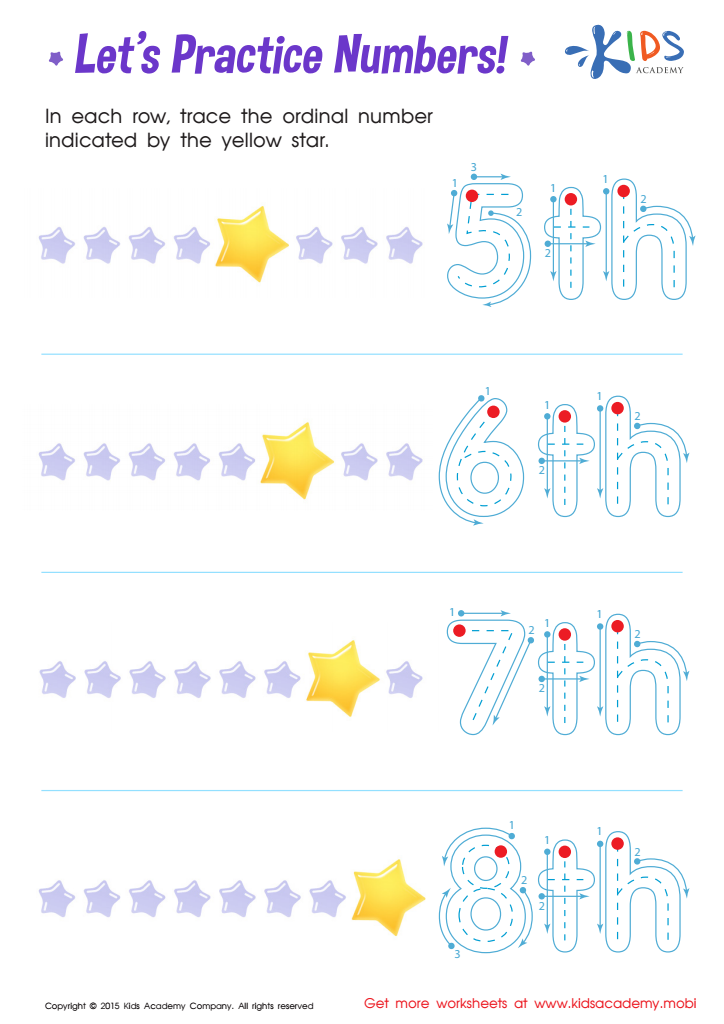
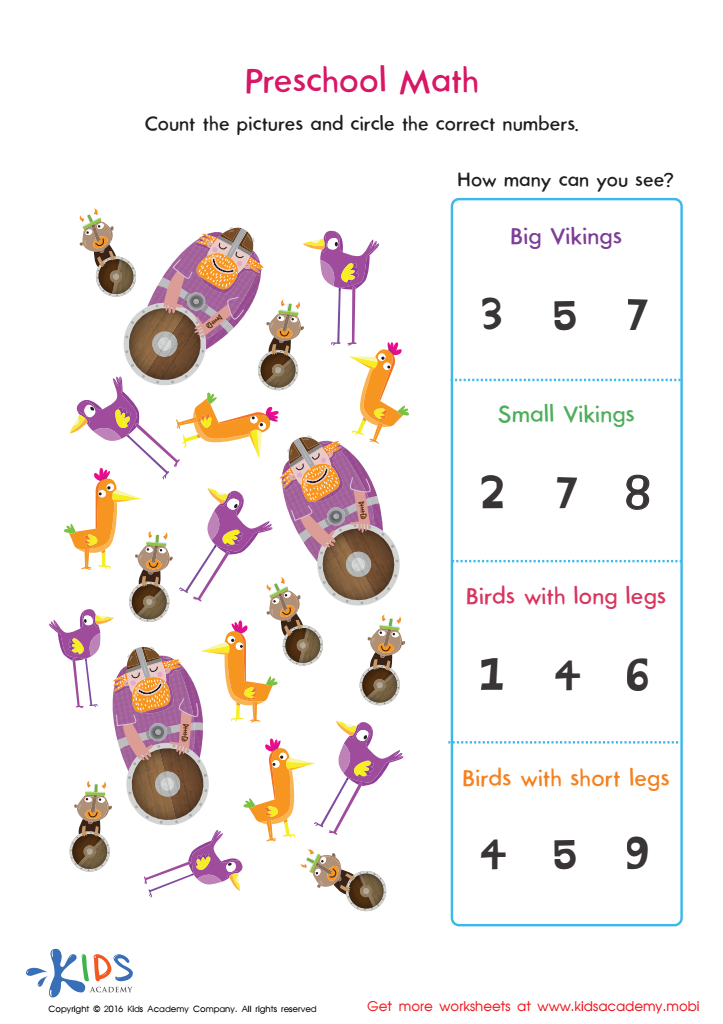
Discover our engaging Number Tracing Math Worksheets designed specifically for children aged 5-7! Perfect for young learners, these worksheets provide a fun and interactive way to develop essential number writing skills. Kids will practice tracing numbers 0-9 while enhancing their fine motor skills and coordination. Our worksheets incorporate colorful visuals and appealing designs to keep children motivated and focused. These resources support early math learning, making it easier for your child to recognize numbers and build confidence in their writing abilities. Download and print our number tracing worksheets today to give your child a jumpstart in their educational journey!
 Assign to My Students
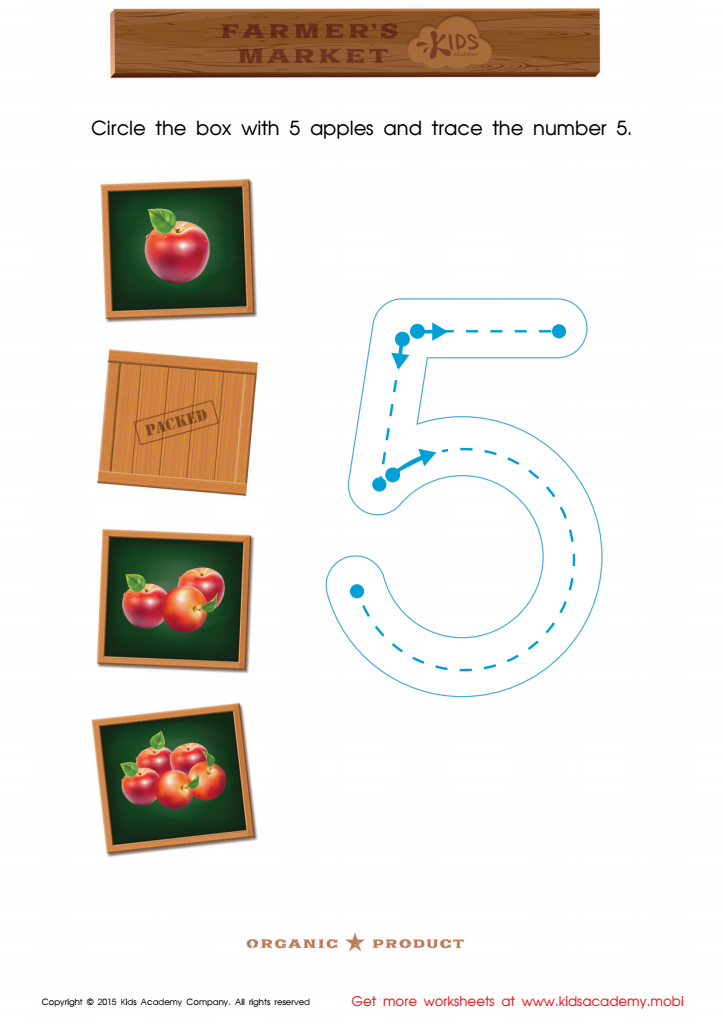
Count the Apples and Trace the Number 5 Printable








Number tracing for children aged 5-7 is a fundamental activity that plays a crucial role in their mathematical development. During this formative stage, children are beginning to understand numerical concepts and cognitive skills related to math. Number tracing helps reinforce their ability to recognize and differentiate between numbers, fostering number sense, which is vital for later calculations and arithmetic.
Furthermore, tracing numbers improves fine motor skills, as children learn to hold pencils, markers, or crayons correctly. This activity promotes hand-eye coordination, allowing kids to control their writing instruments more effectively. Such skills are essential not only for math but for overall literacy and learning.
Engaging in number tracing also supports children's cognitive development by encouraging focus and discipline. Practicing patience while completing tracing exercises can help them become more resilient learners. Additionally, teachers and parents can use number tracing as a tool to create a fun learning atmosphere, mitigating math anxiety.
In essence, investing time in number tracing establishes a solid foundation for numeracy, supporting children’s academic journeys and building confidence in math. It ultimately aids in their holistic intellectual development, promoting enthusiasm for learning that extends beyond early education.








