Spatial Orientation Math Worksheets for Ages 5-7
4 filtered results
-
From - To
Explore our engaging Spatial Orientation Math Worksheets designed for children ages 5 to 7! Our carefully crafted worksheets aim to enhance young learners' understanding of spatial relationships and concepts. Each activity encourages skills such as direction, position, and distance, helping kids build a solid foundation in critical thinking and problem-solving. With colorful illustrations and fun exercises, these worksheets make learning enjoyable and interactive. Perfect for homeschooling or classroom use, our resources stimulate children's natural curiosity and encourage independent exploration. Download our Spatial Orientation Math Worksheets today and watch your child confidently navigate the world of math through captivating, hands-on learning experiences!
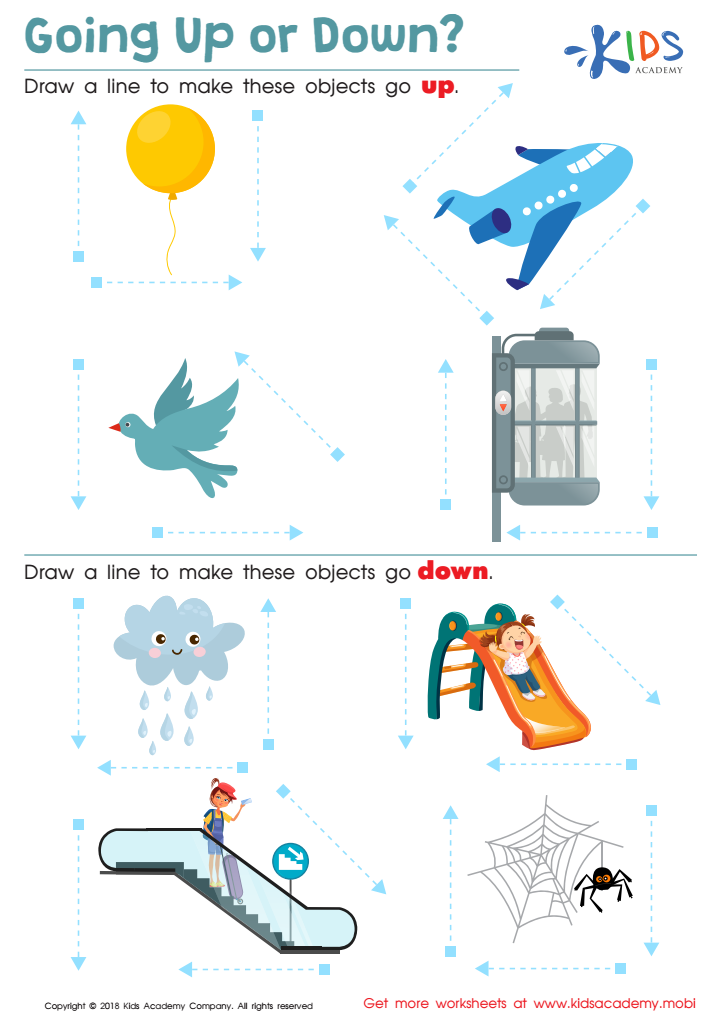
Going up or Down? Worksheet
 Assign to My Students
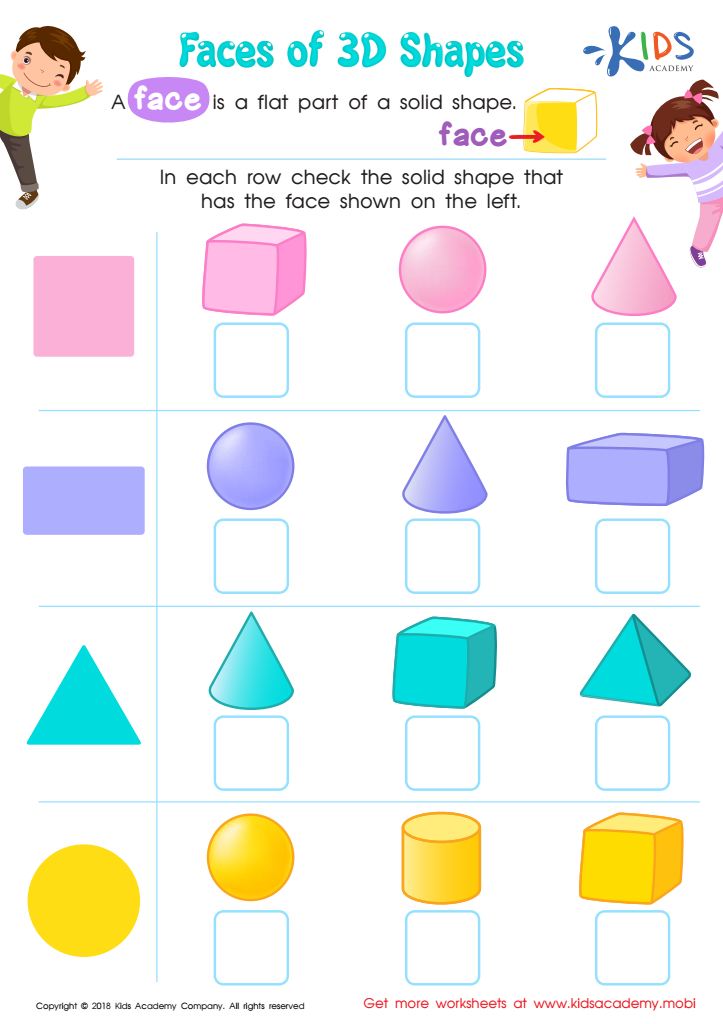
Faces of 3D Shapes Worksheet
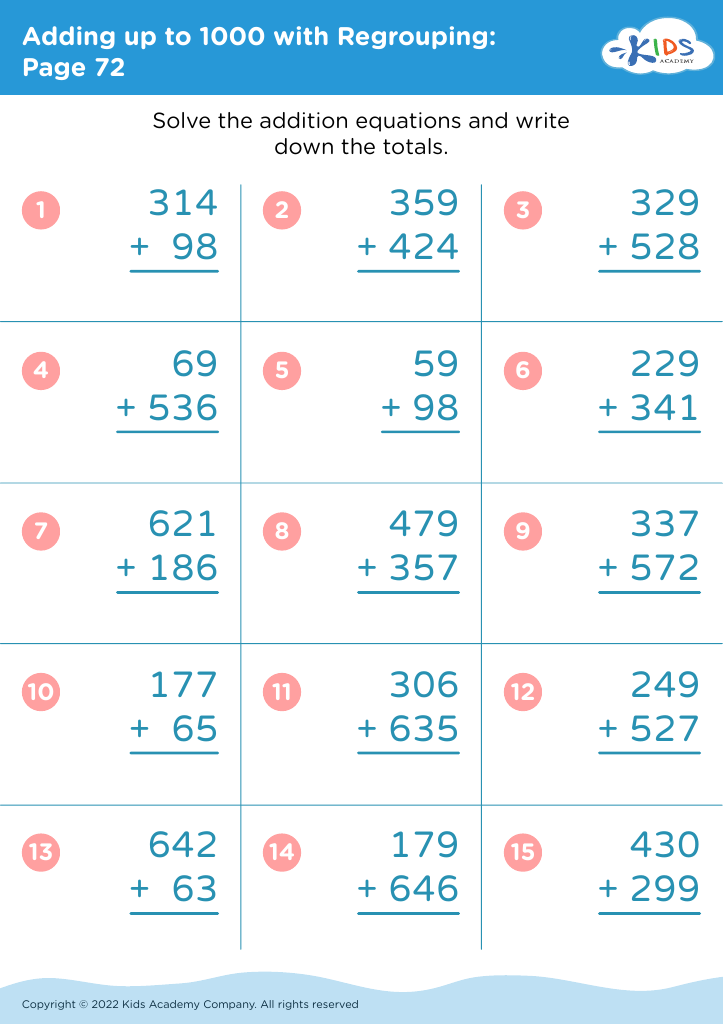
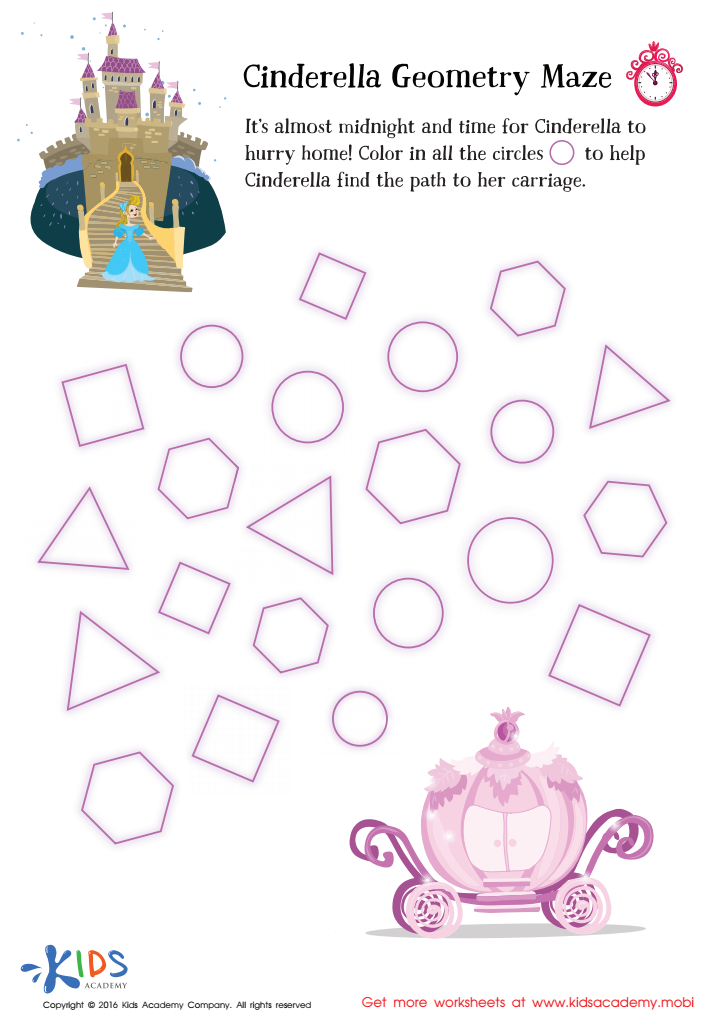
Cinderella Geometry Maze Worksheet




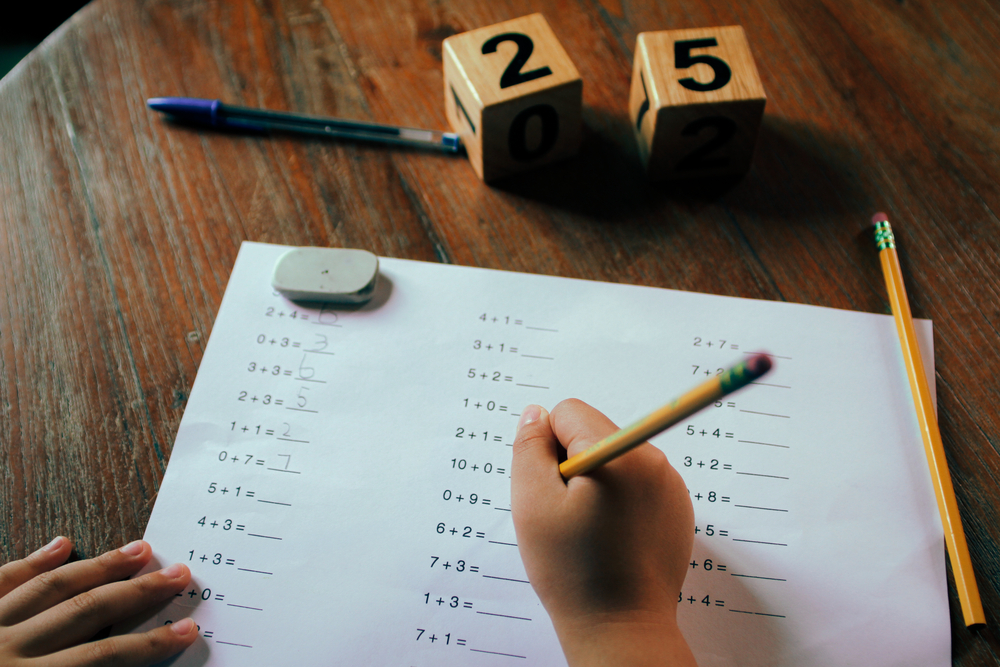



Spatial orientation math is a fundamental skill that young children, especially those aged 5 to 7, should develop as it lays the groundwork for critical math concepts and real-life problem-solving abilities. Understanding spatial orientation helps children visualize and manipulate objects in their minds, which enhances their ability to comprehend geometric concepts, measurement, and even early algebra.
When children engage with spatial orientation activities, such as fitting shapes together, navigating puzzles, or following maps, they cultivate essential skills like logical reasoning and critical thinking. These abilities are crucial as they progress in their education and encounter more complex mathematical concepts. Moreover, spatial orientation contributes to strong interdisciplinary connections, benefitting fields such as science, art, and engineering.
Parents and teachers should prioritize these skills as they boost children's confidence in their mathematical abilities and enhance their creativity. Activities that promote spatial orientation can be playful and engaging, turning learning into an enjoyable experience. In an increasingly technology-driven world, spatial reasoning is vital; it equips children with skills necessary for future careers. By investing time in spatial orientation math, adults can shape more competent, confident learners who are well-prepared for the challenges of today's world and beyond.








