
Understand sequences Math Worksheets for Ages 5-7
5 filtered results
Difficulty Level
Grade
Age
-
From - To
Subject
Activity
Standards
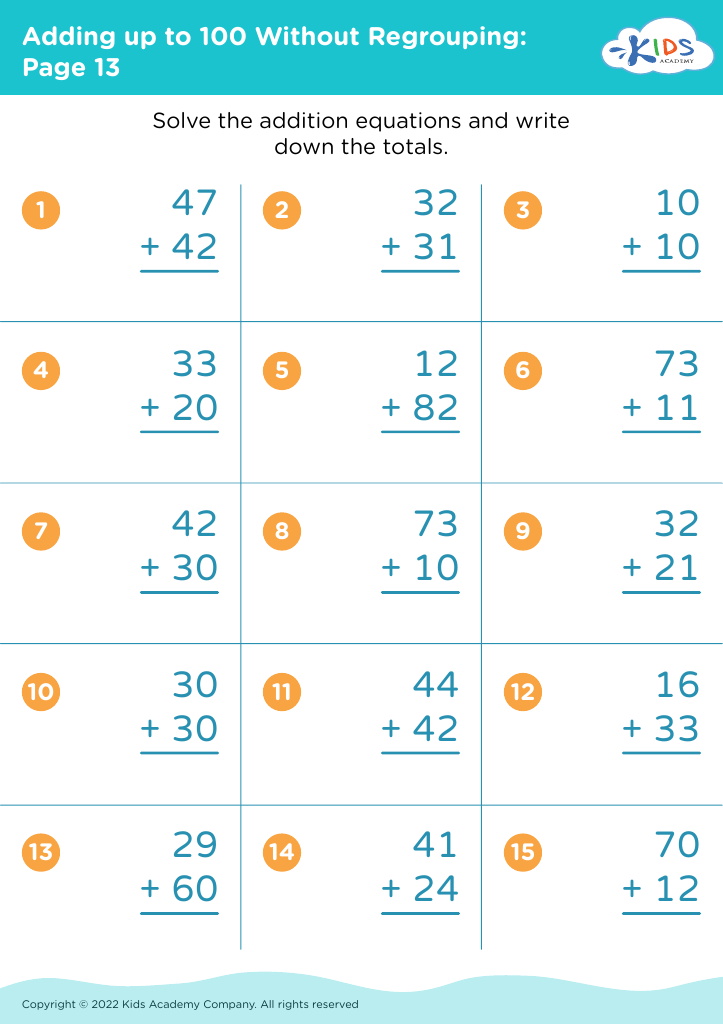
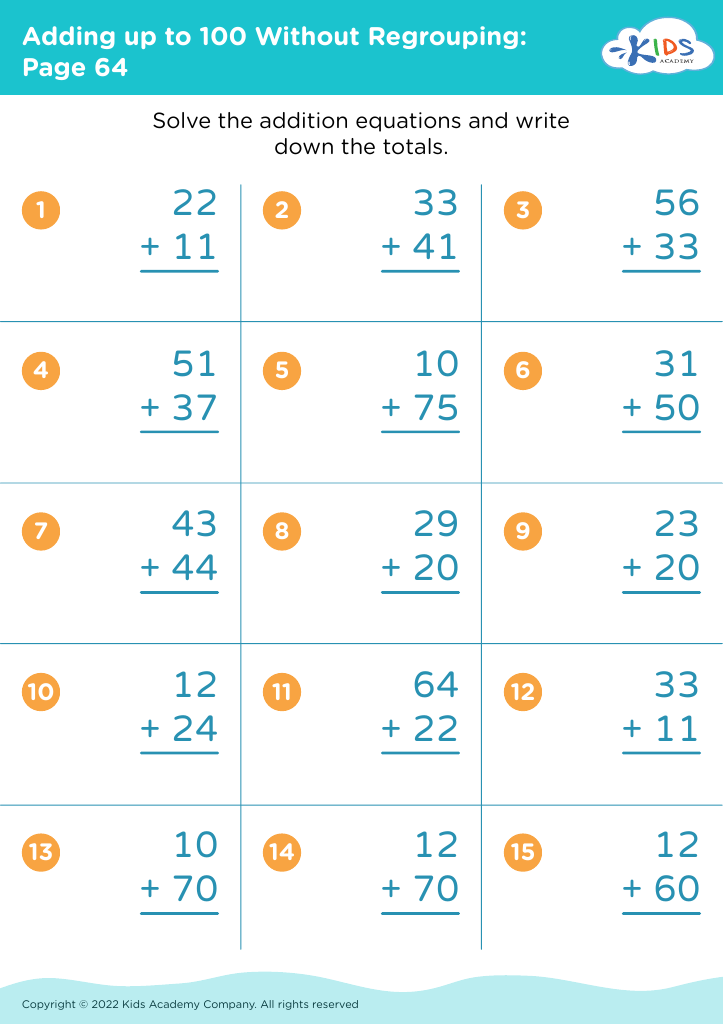
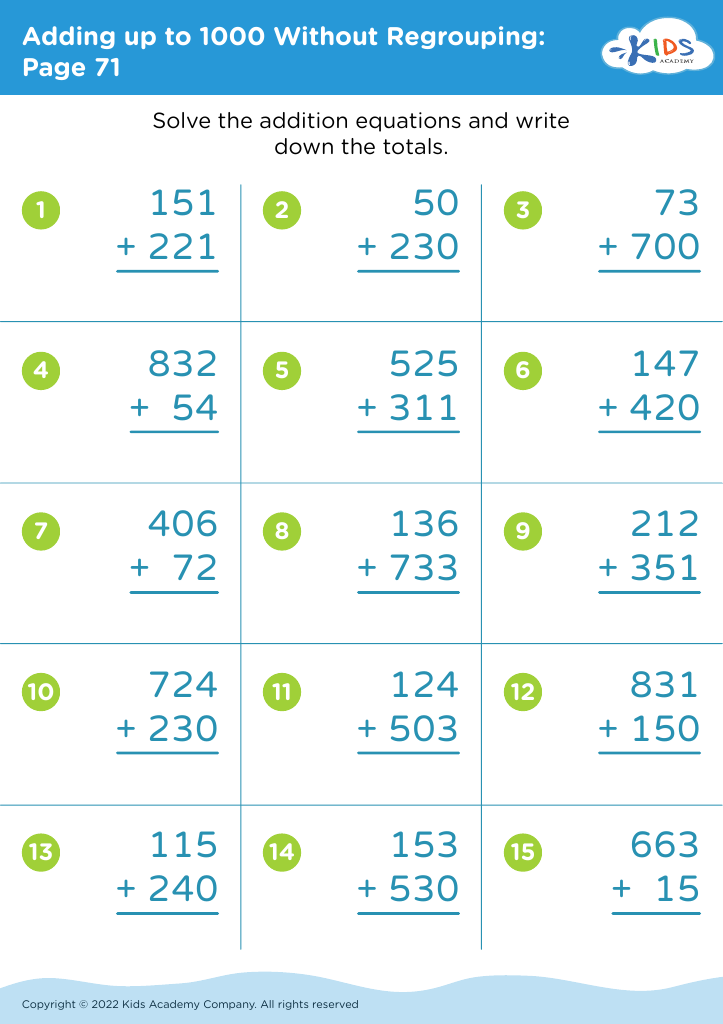
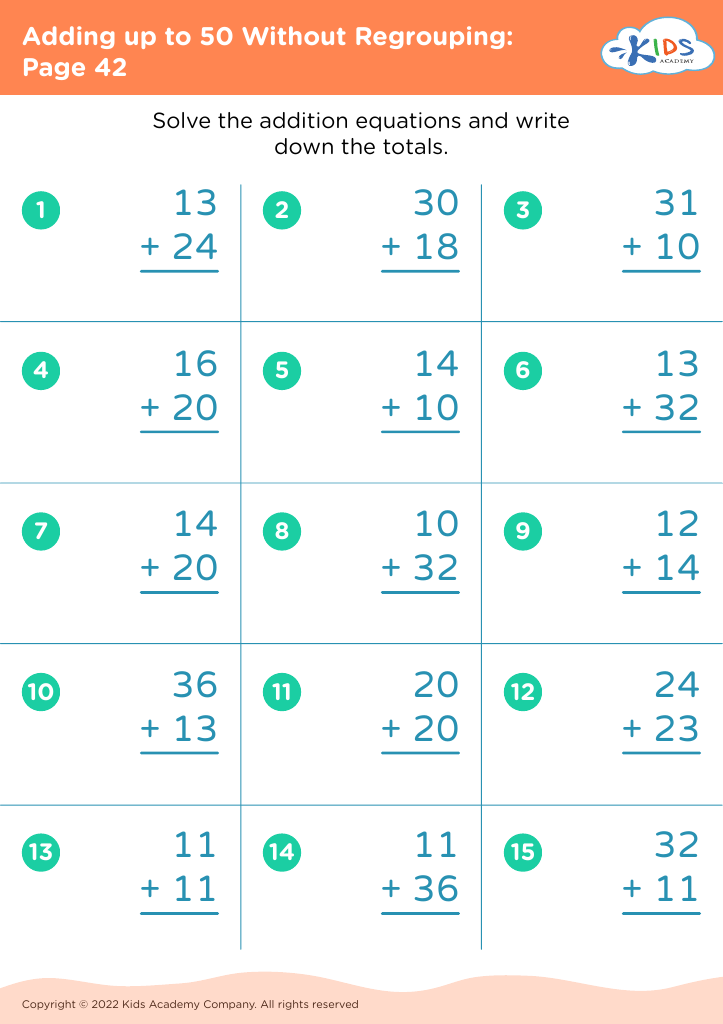
Discover our engaging "Understand Sequences" math worksheets designed specifically for children ages 5-7. These worksheets aim to develop essential sequencing skills through fun and interactive activities. Young learners will explore identifying patterns, arranging objects in order, and predicting sequences, all while enjoying colorful illustrations and relatable themes. Our resources support comprehension of basic mathematical concepts, making learning both enjoyable and effective. Perfect for homeschoolers and classroom use, these worksheets provide a solid foundation in logical thinking and problem-solving. Encourage your child’s curiosity and mathematical abilities with our carefully crafted sequences worksheets today! Start their journey to mastering essential math skills!
Favorites
With answer key
Interactive
Join Kids Academy for Free
Who is primarily going to use this learning content?








Understanding sequences in mathematics is crucial for young learners aged 5-7, as it lays the foundation for critical thinking and problem-solving skills. At this age, children are naturally curious and eager to make connections, and sequences help nurture that development. Knowing about sequences introduces them to patterns, which enhances their ability to recognize similarities and differences in numbers, shapes, and even everyday experiences.
When children grasp the concept of sequences, they learn to anticipate what comes next, fostering logical reasoning and improving their planning abilities. For example, understanding numerical sequences prepares them for addition and subtraction, while recognizing to see patterns in art or nature enriches their cognitive skills.
Moreover, sequences are foundational to more advanced math concepts, such as multiplication, division, and the overall structure of mathematics. Teachers and parents can also use sequences to promote collaboration and communication skills by encouraging children to discuss their thought processes when solving sequence-related problems.
In addition, appreciating sequences boosts confidence and encourages perseverance in tackling more complex mathematical challenges as children progress in their education. Ultimately, supporting children in mastering sequences equips them with essential tools to thrive academically and develop lifelong skills.








