Understanding number patterns Math Worksheets for Ages 5-7
5 filtered results
-
From - To
Unlock the world of numerical patterns with our engaging "Understanding Number Patterns Math Worksheets for Ages 5-7"! These meticulously designed worksheets help young learners recognize and create sequences using fun, visual-friendly exercises. Kids will gain critical thinking and problem-solving skills as they identify growth patterns, skip counting, and more, all while enhancing their confidence in math. Suitable for both classroom and home use, our printable worksheets provide an excellent foundation in early math concepts, making learning exciting and effective. Ideal for ages 5-7, these resources are perfect for fostering a love for numbers in budding mathematicians.
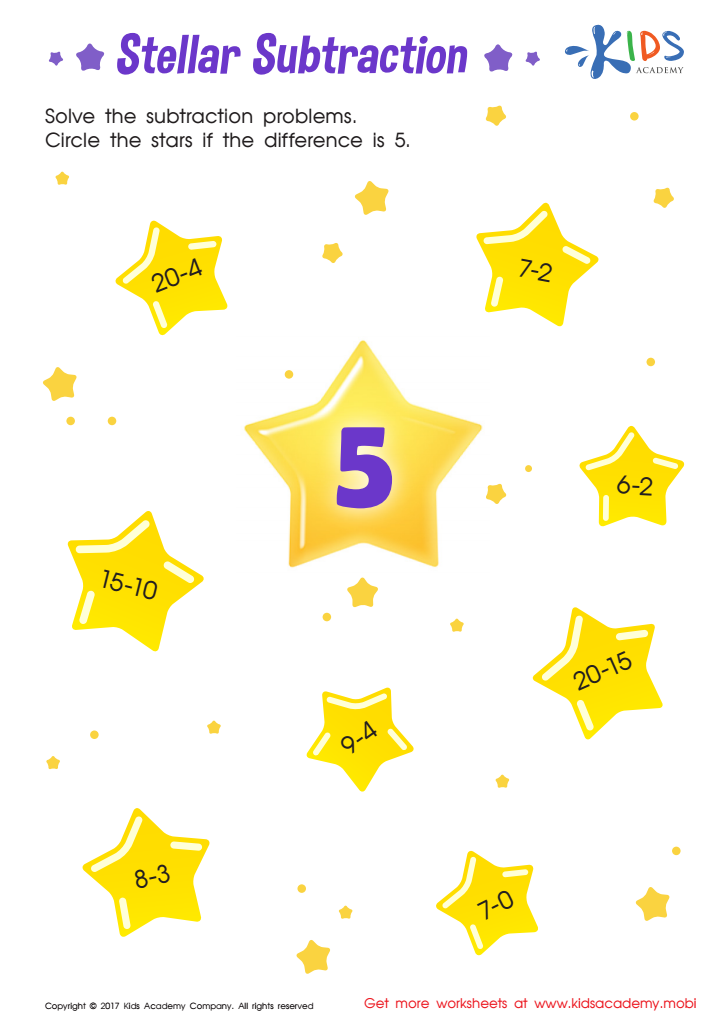
 Assign to My Students
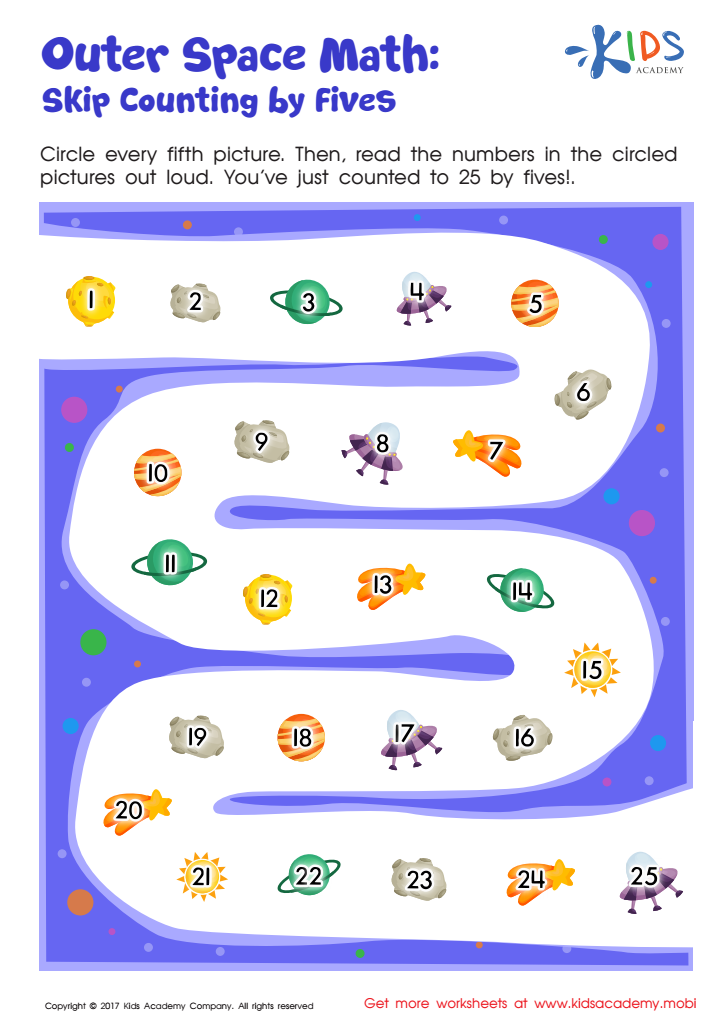
Skip Counting by 5s: Outer Space Math Printable
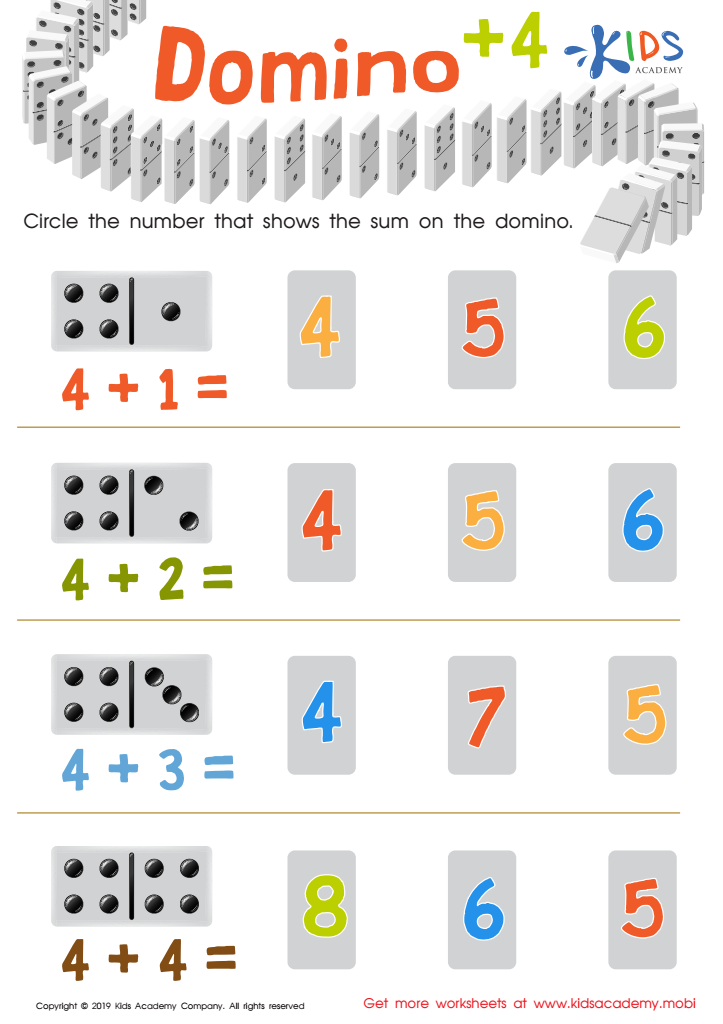
Domino +4 Worksheet
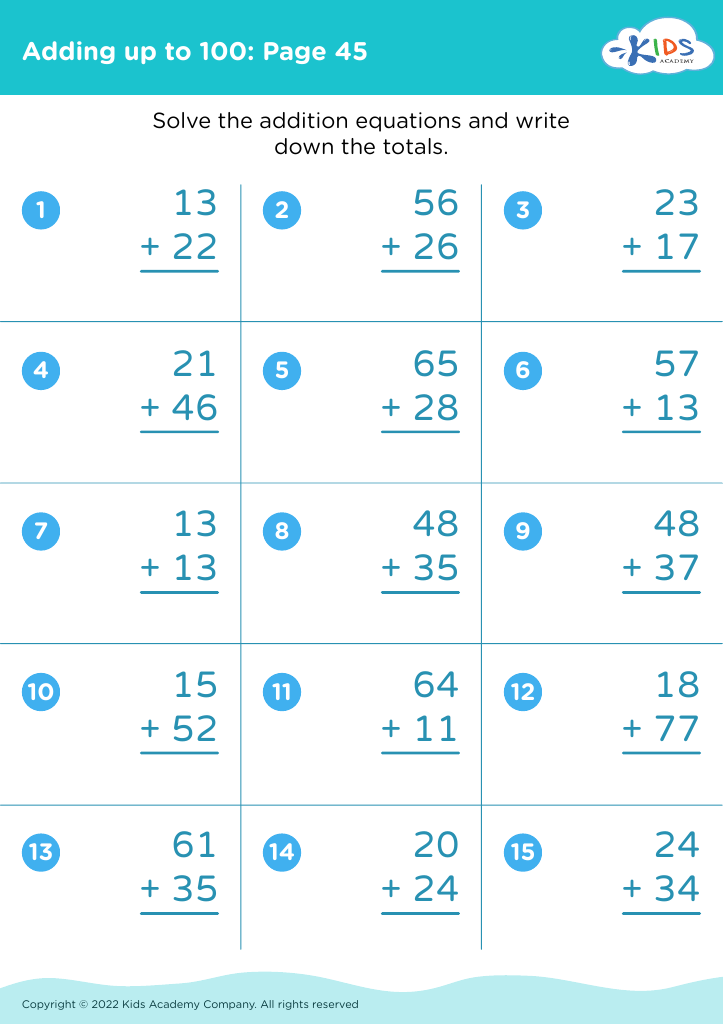
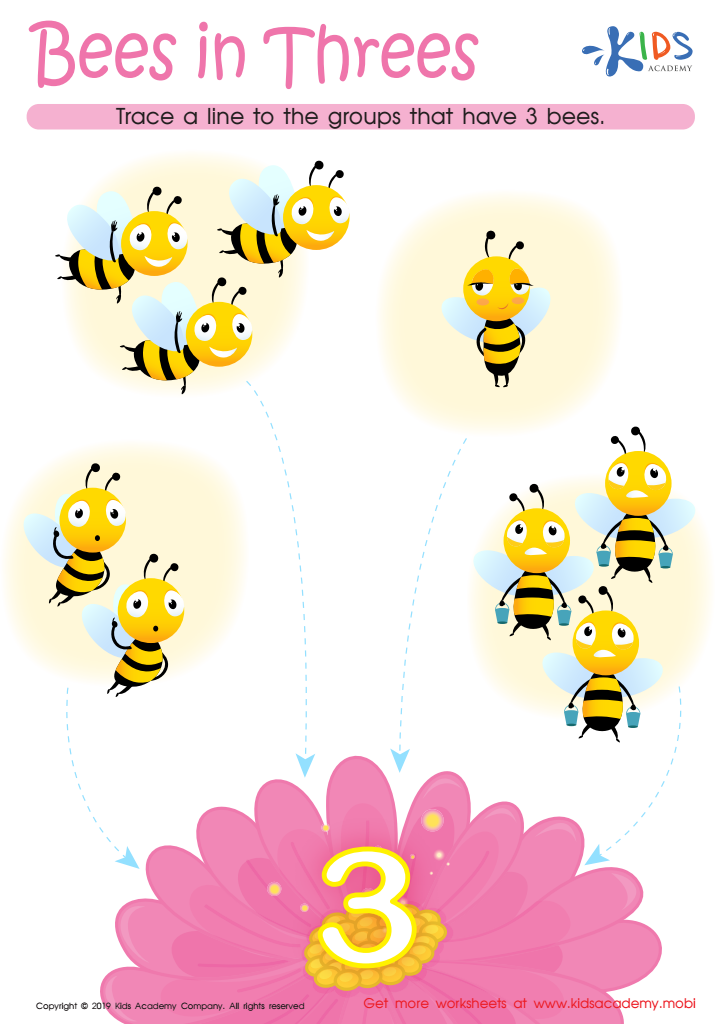
Bees in Threes Worksheet







Understanding number patterns is fundamental for children aged 5-7, as it serves as a cornerstone for their overall mathematical development. For parents and teachers, recognizing the significance of this concept can greatly enhance a child's learning journey.
Firstly, number patterns introduce young learners to the idea of sequences and predictability. It helps them recognize relationships between numbers, build sequencing skills, and develop logical thinking. For example, identifying patterns in skip counting (like 2, 4, 6, 8) sets the foundation for more complex concepts such as addition, subtraction, and multiplication.
Secondly, understanding number patterns fosters critical thinking and problem-solving skills. When children discern patterns, they learn to make educated guesses and understand the underlying structure of numbers. This is crucial for more advanced math topics they will encounter later, such as algebra and geometry.
In addition, recognizing and predicting patterns is not limited to mathematics. It plays a vital role in daily life scenarios, such as recognizing patterns in nature, organizing schedules, and even in understanding musical rhythms. These practical applications help children see the relevance of math beyond the classroom.
For educators and parents, emphasizing number patterns ensures that children build a strong mathematical foundation, boosting their confidence and interest in the subject, leading to more positive academic outcomes. Thus, integrating number patterns into early education primes children for a more successful and enjoyable relationship with mathematics.








