Understanding number value Math Worksheets for Ages 5-7
4 filtered results
-
From - To
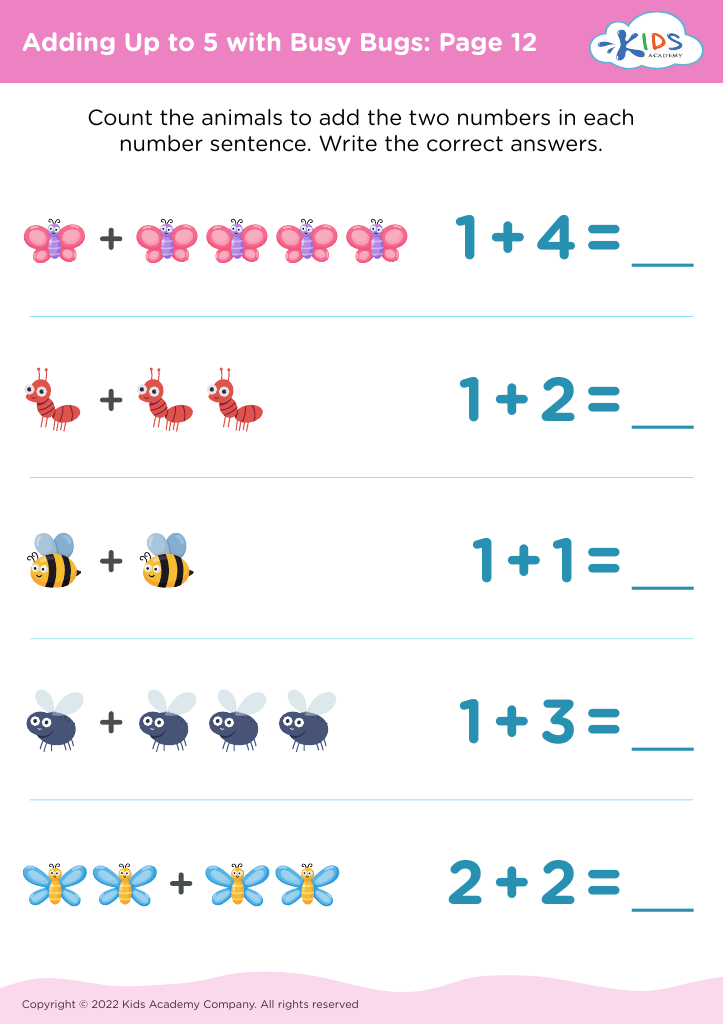
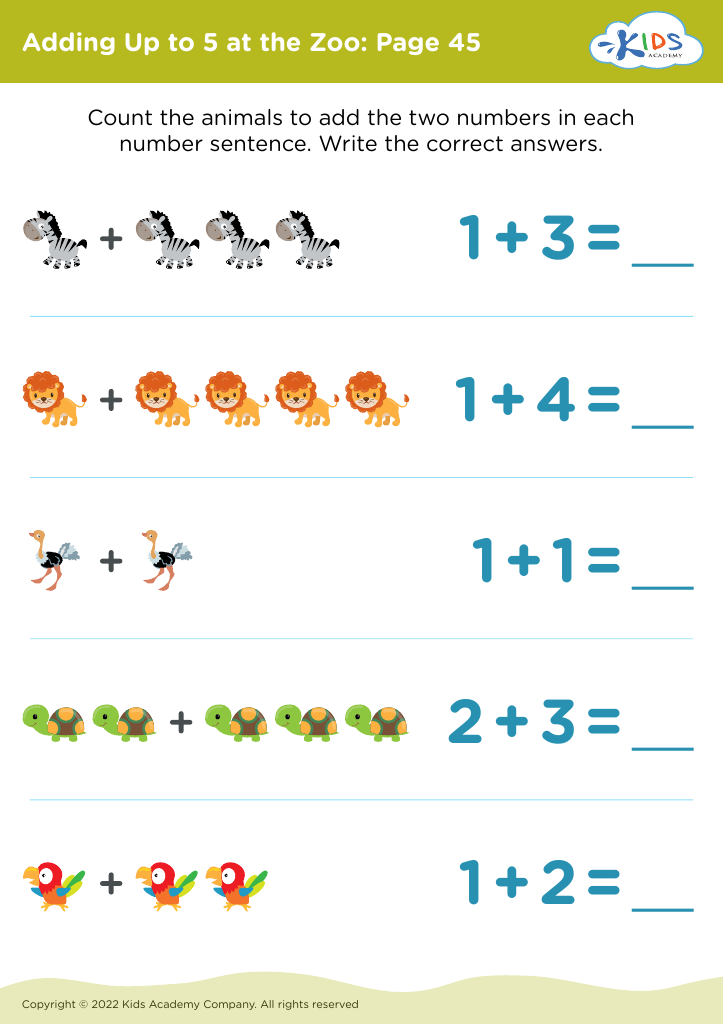
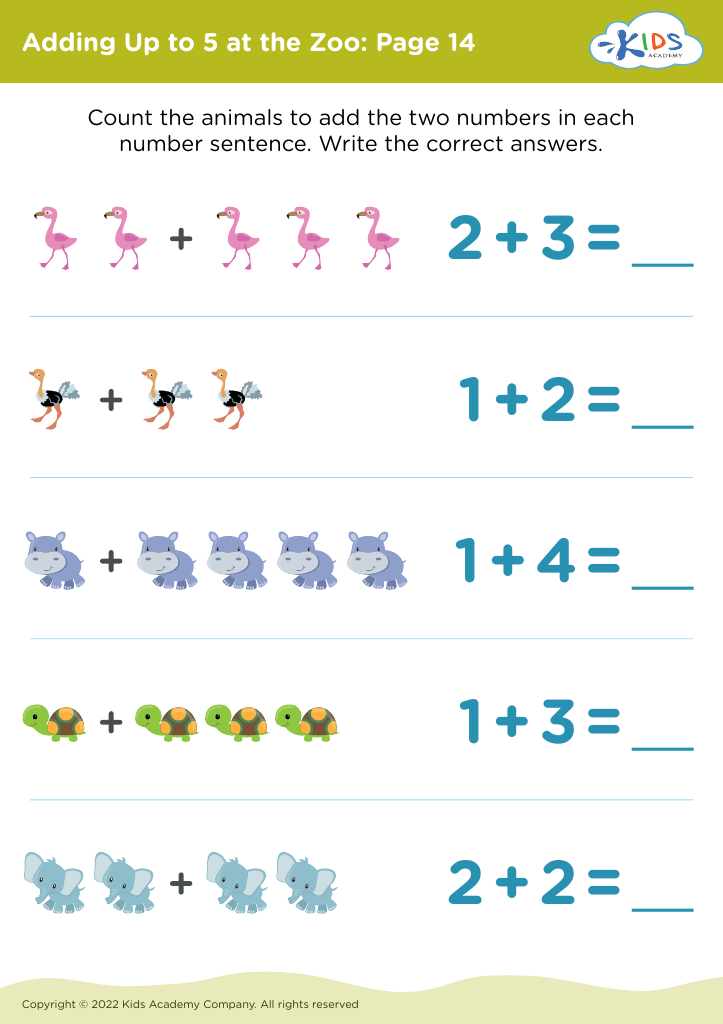
Unlock the world of numbers with our Understanding Number Value Math Worksheets for ages 5-7. Designed to build a strong mathematical foundation, these engaging worksheets help young learners grasp number concepts, place value, and counting skills through fun and interactive exercises. Each worksheet progressively enhances children's ability to recognize, compare, and understand the value of numbers in a visually appealing format that keeps them motivated. Perfect for hands-on practice at home or in the classroom, our sheets cater to various learning styles, ensuring every student gains confidence in their math abilities. Start nurturing young mathematicians today!
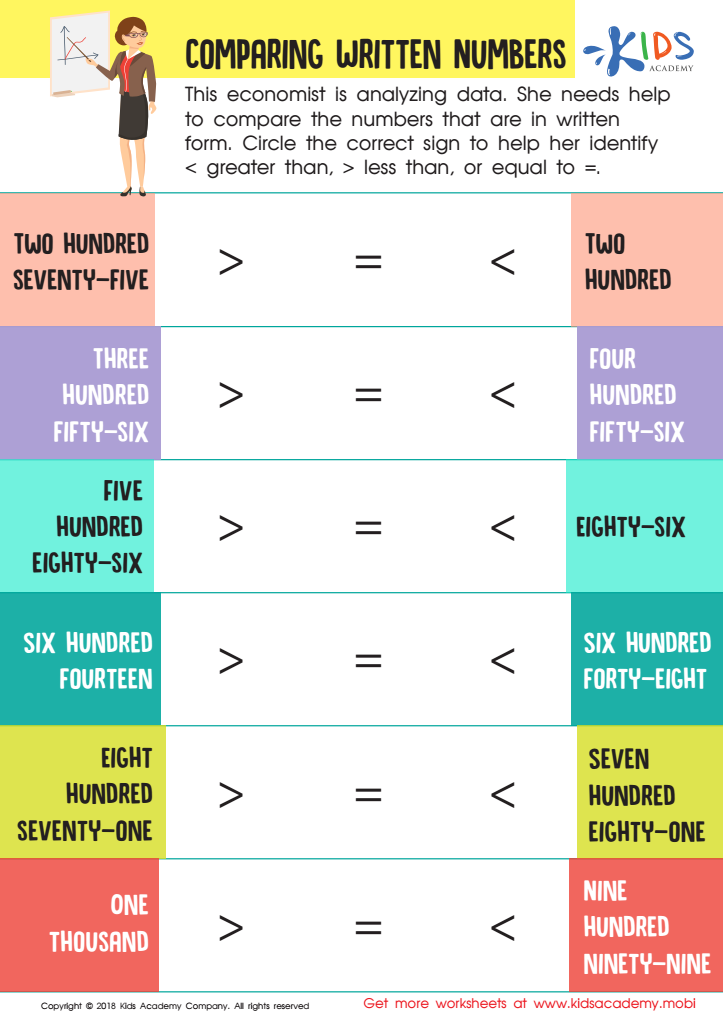
Comparing Written Numbers Worksheet
 Assign to My Students







Understanding number value in early math education is crucial for children aged 5-7 because it forms the foundational building blocks of numerical fluency and arithmetic skills. When young students grasp the concept of number value, they start to comprehend what numbers actually represent rather than view them as mere symbols. This foundational understanding aids them in developing skills such as counting, comparing quantities, and basic addition and subtraction, which are essential for more advanced mathematical concepts they'll encounter as they progress in school.
Parents and teachers should care about nurturing this understanding because it not only affects math performance but also influences cognitive development and problem-solving abilities. Children with a solid number sense typically demonstrate better logical and analytical thinking skills. Early mastery in this area also boosts a child's confidence and positive attitude toward math, which can lead to continued academic success across various subjects.
Moreover, number value comprehension supports everyday practical activities such as telling time, shopping, and playing games, rendering children more competent in daily life. Therefore, giving attention to this aspect of math education ensures a more rounded development, laying a strong groundwork for future learning and real-life applications.








