Reading clocks Time Worksheets for Ages 5-7
3 filtered results
-
From - To
Discover our engaging Reading Clocks Time Worksheets designed specifically for children aged 5-7! These interactive resources help young learners develop essential time-telling skills in a fun and stimulating way. With colorful illustrations and easy-to-follow activities, children will learn how to read both digital and analog clocks while mastering key concepts of time such as hours, minutes, and daily routines. Our worksheets enhance math proficiency, improve cognitive skills, and foster a love for learning. Ideal for home or classroom use, these printables make teaching time enjoyable and effective. Start your child's journey to becoming a time-telling expert today!
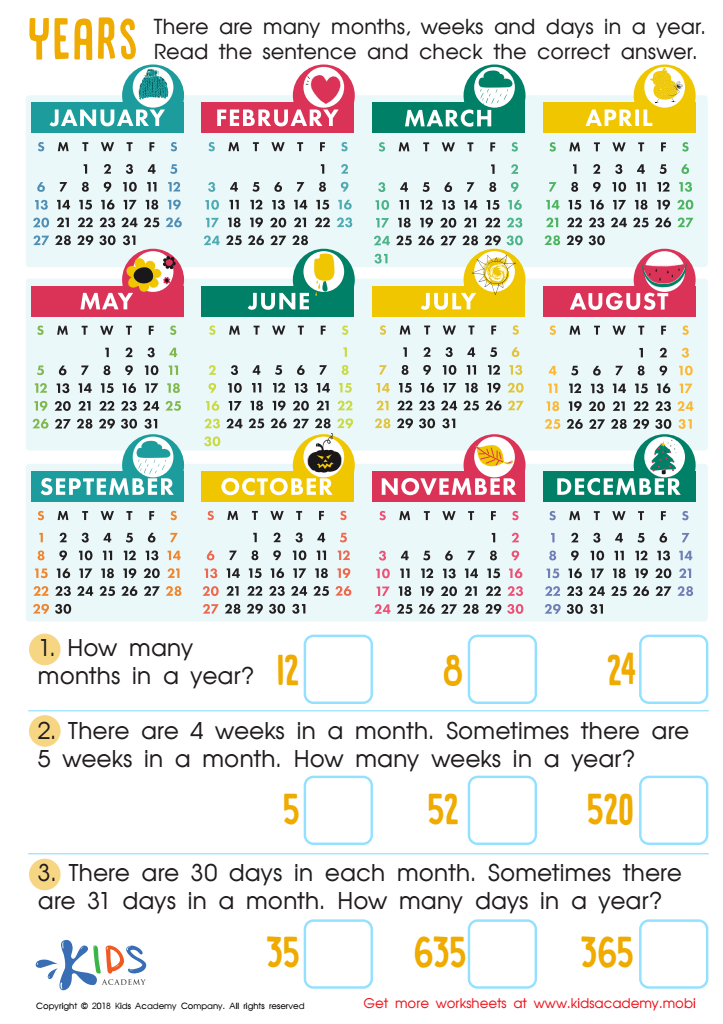
Years Worksheet
 Assign to My Students
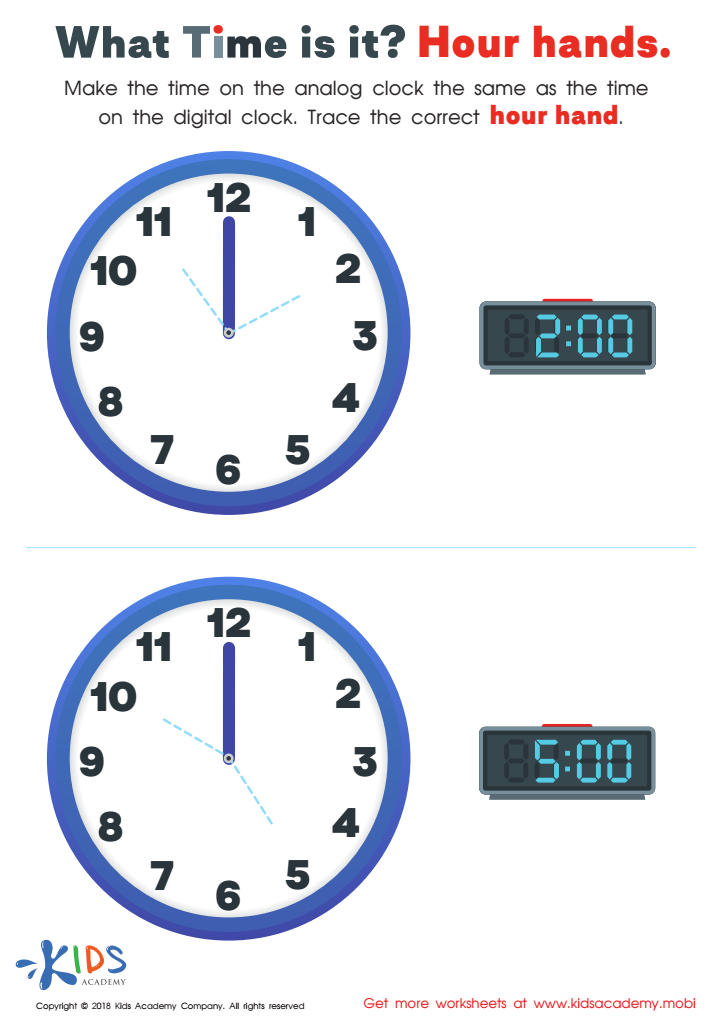
What Time Is it? Hour Hands Worksheet
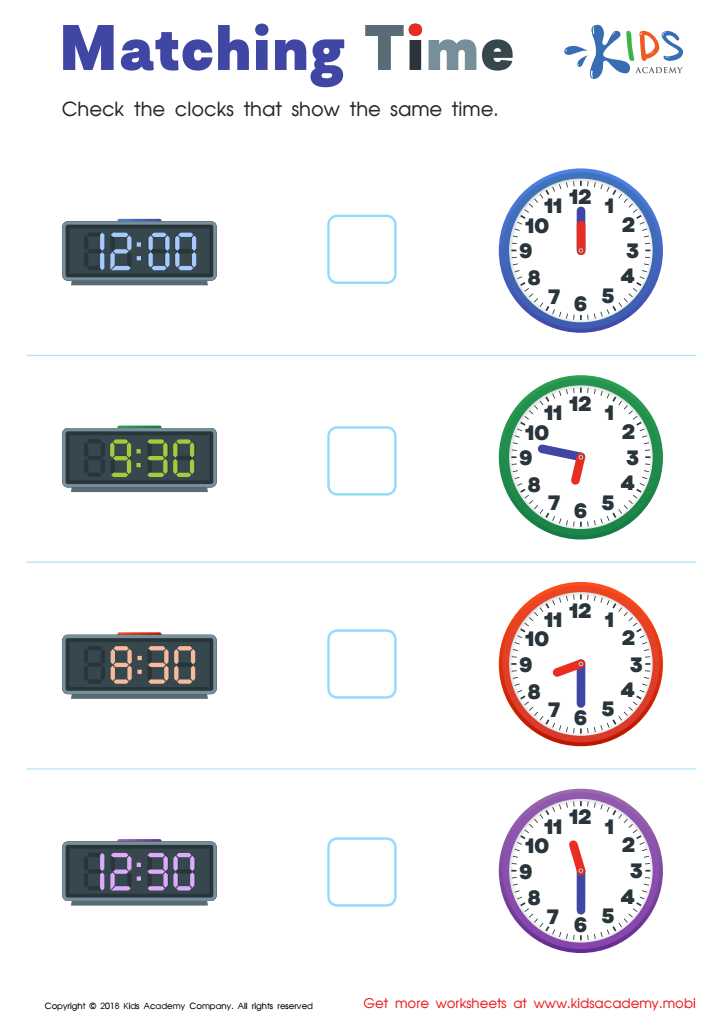
Matching Time Worksheet






.jpg)
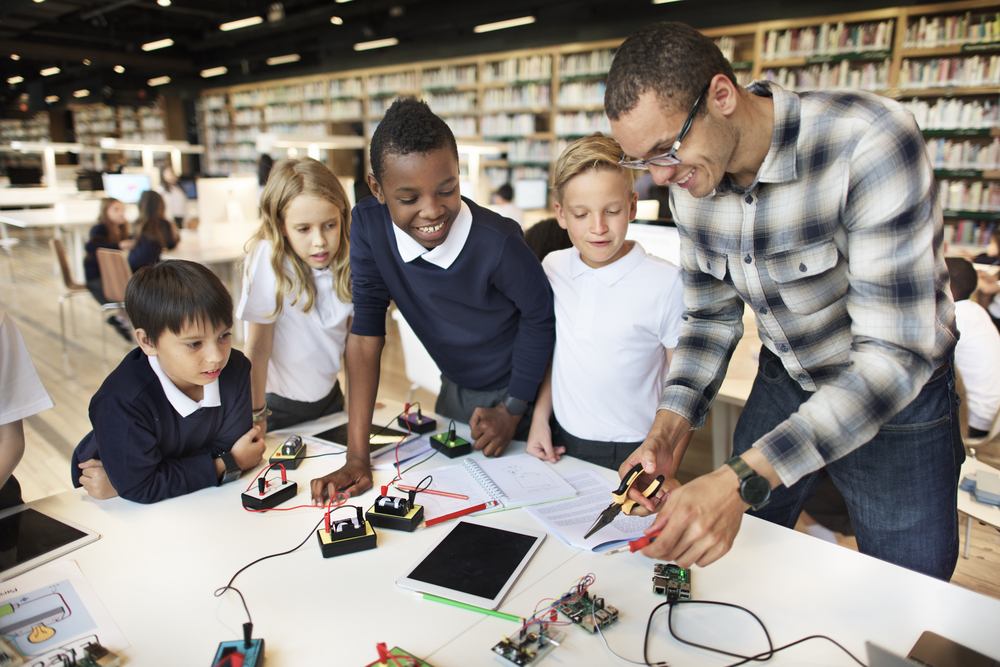
Teaching children to read clocks is essential for their cognitive and emotional development. At ages 5 to 7, children's brains are at a critical stage of learning, and understanding time helps them make sense of the world around them.
Firstly, reading clocks instills a sense of structure and time management. By grasping how to tell time, children learn to associate their daily routines with specific times—like when it's time for school, meals, or play. This skill promotes independence and responsibility, as they begin to manage their own schedules.
Secondly, understanding time cultivates patience and encourages understanding of concepts such as waiting and planning. By realizing that time is finite, children can better appreciate the value of moments and activities.
Moreover, learning to tell time enhances mathematical skills, such as counting and recognizing patterns. It serves as an entry point for more advanced concepts in mathematics, including fractions and the passage of time.
Ultimately, parents and teachers should prioritize teaching children to read clocks because it not only equips them with a vital life skill but also supports their overall cognitive development, emotional understanding, and practical problem-solving abilities as they grow.








