Basic Math Skills Building Vocabulary Worksheets for Ages 5-7
15 filtered results
-
From - To
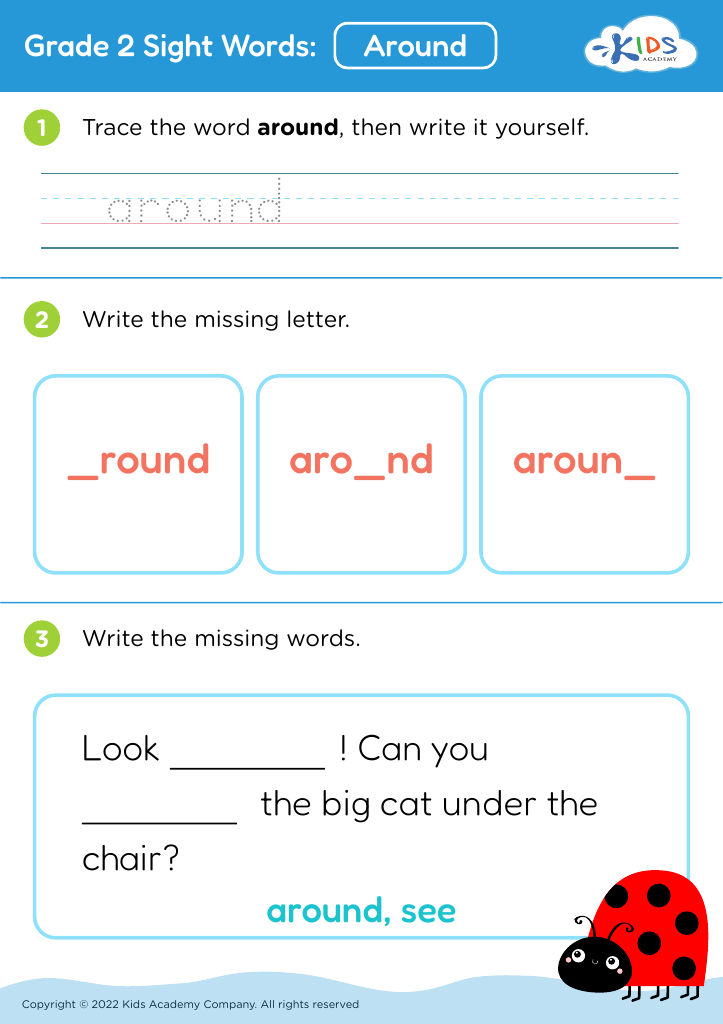
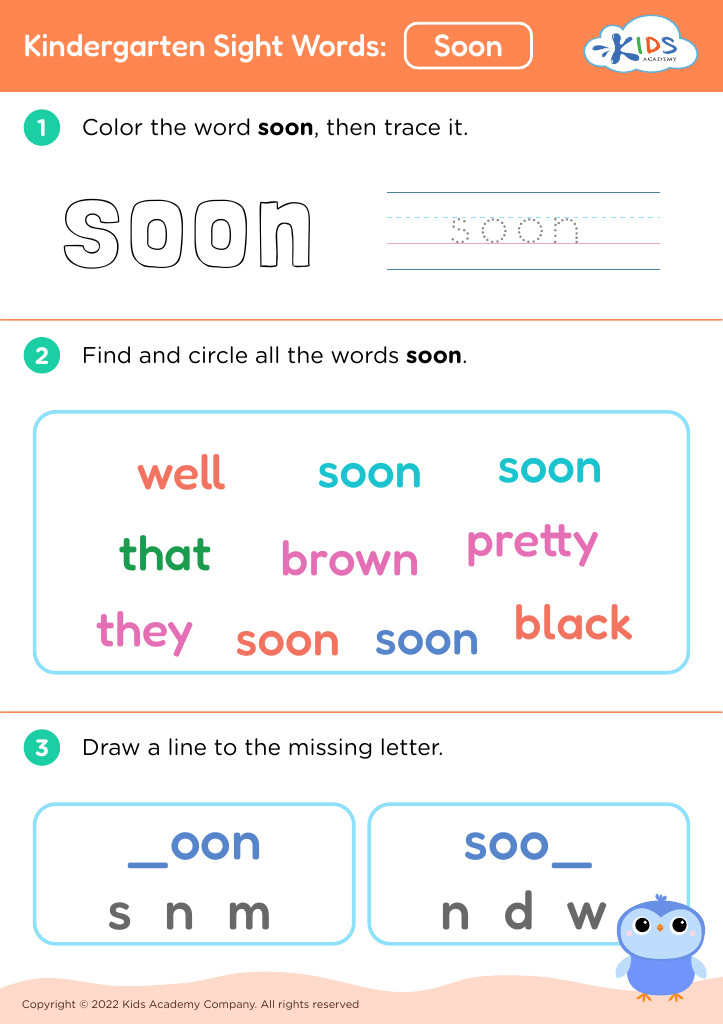
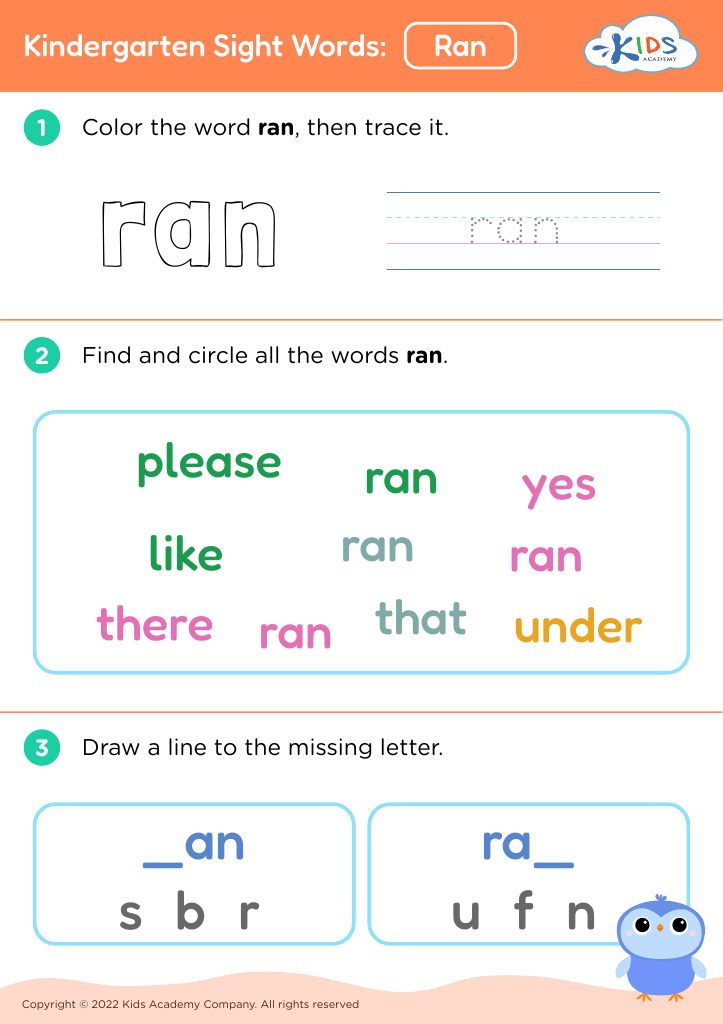
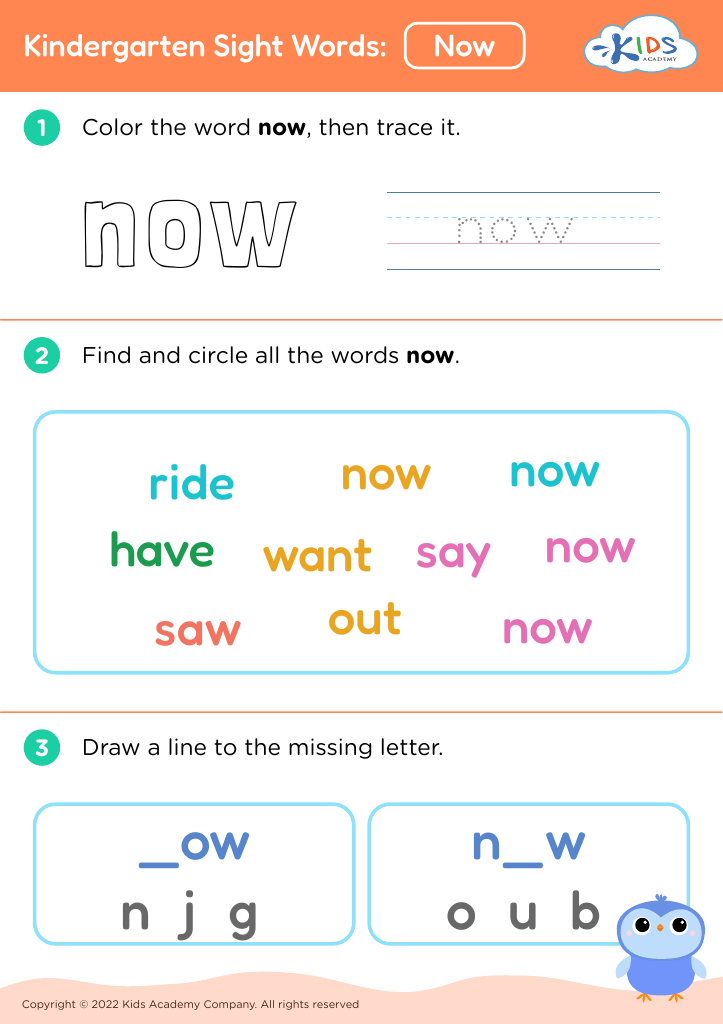
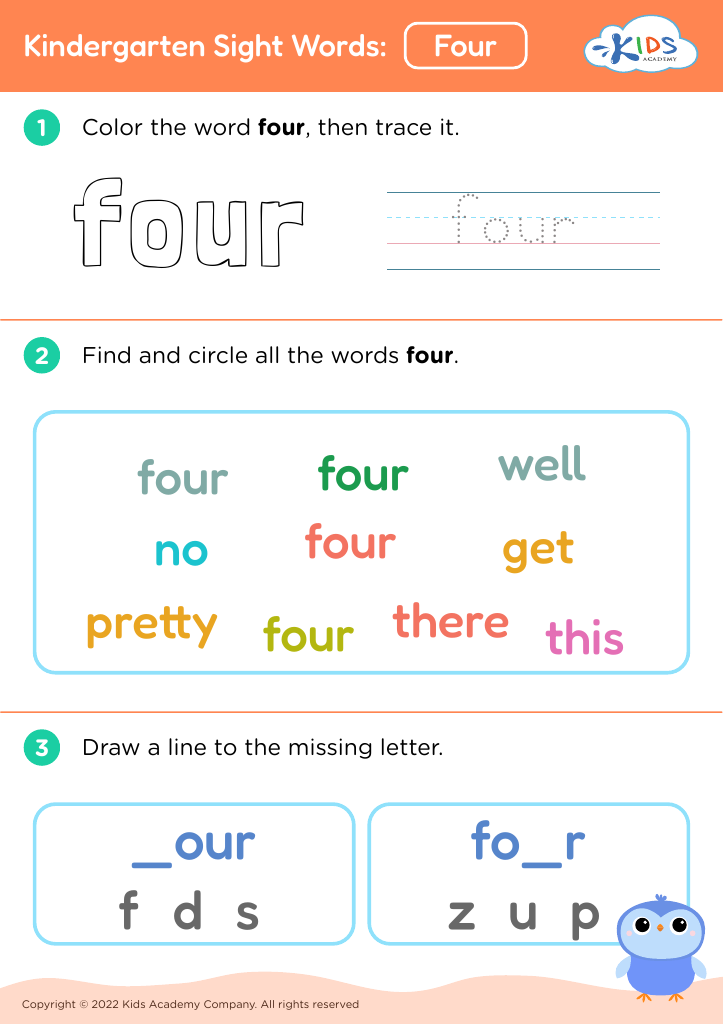
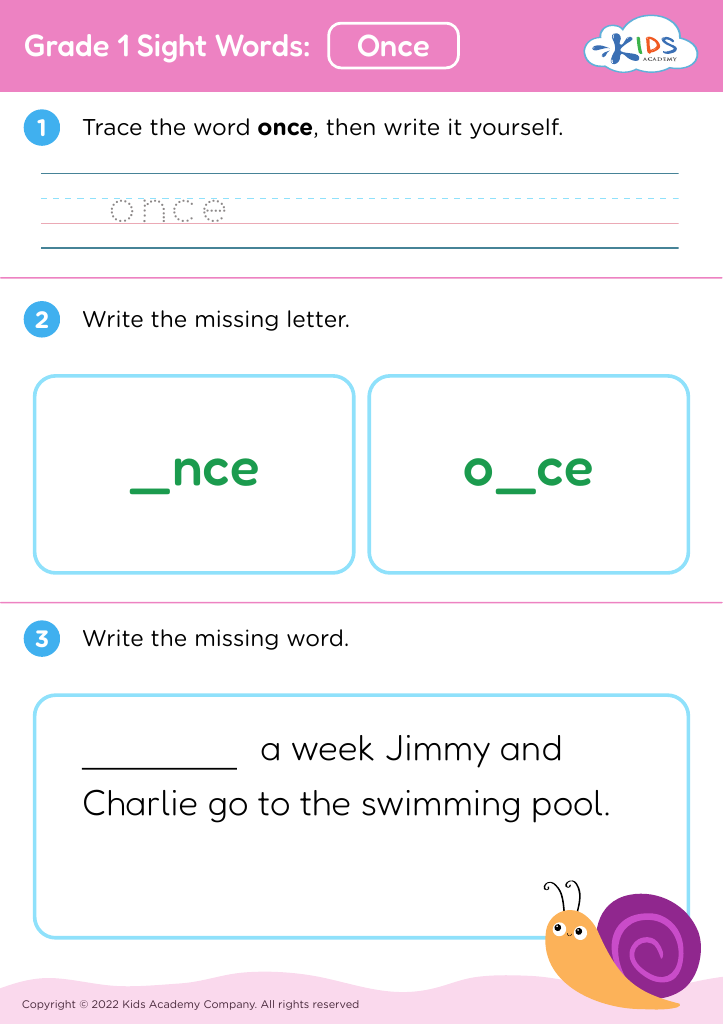
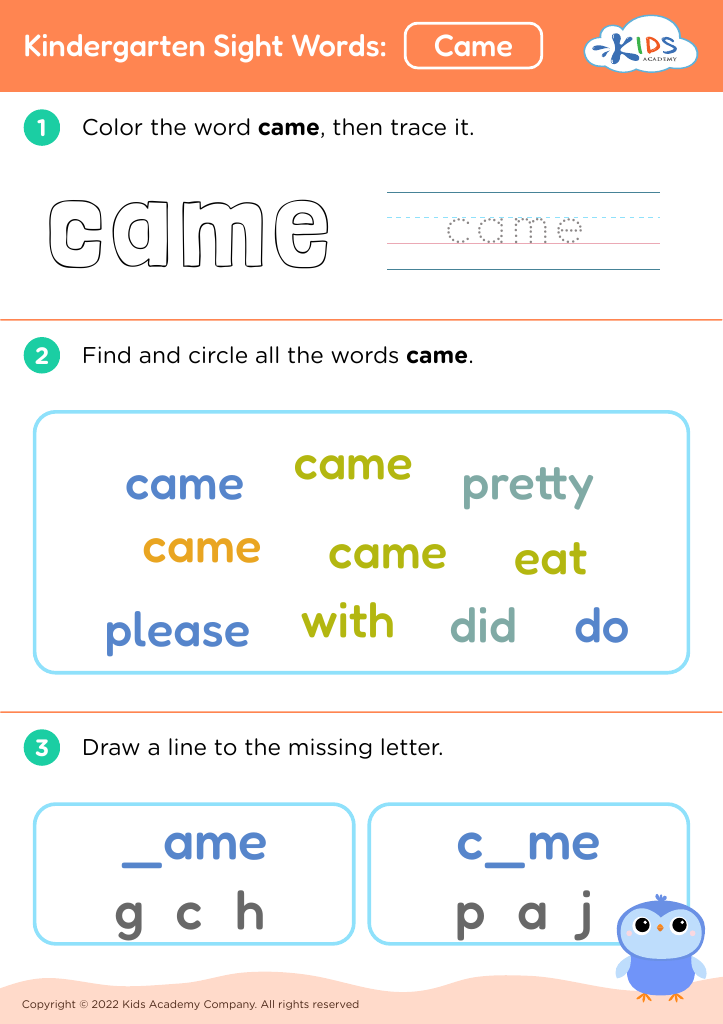
Unlock your child's math potential with our "Basic Math Skills Building Vocabulary Worksheets for Ages 5-7". Designed to blend foundational math concepts with essential vocabulary, these engaging resources offer fun, colorful activities that reinforce key skills such as counting, addition, and number recognition. Perfect for young learners, each worksheet supports comprehension and critical thinking, making math both accessible and enjoyable. Ideal for both classroom and home use, our worksheets provide a solid groundwork for lifelong mathematical success. Nurture your child's confidence and enthusiasm for learning with tailored exercises that adapt to their developmental stage.











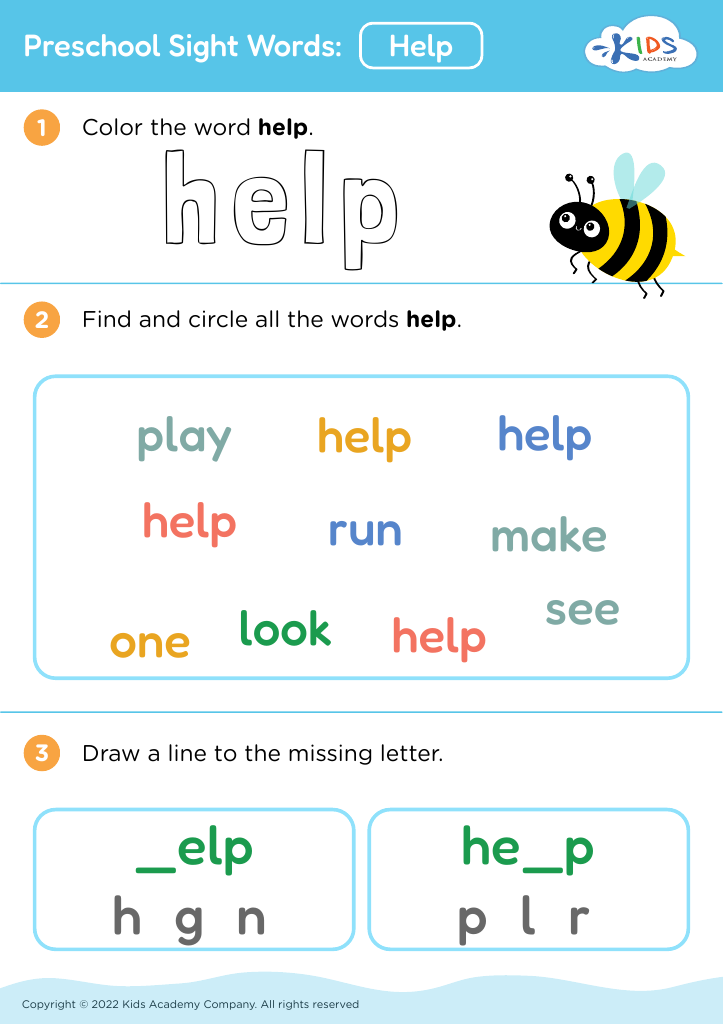
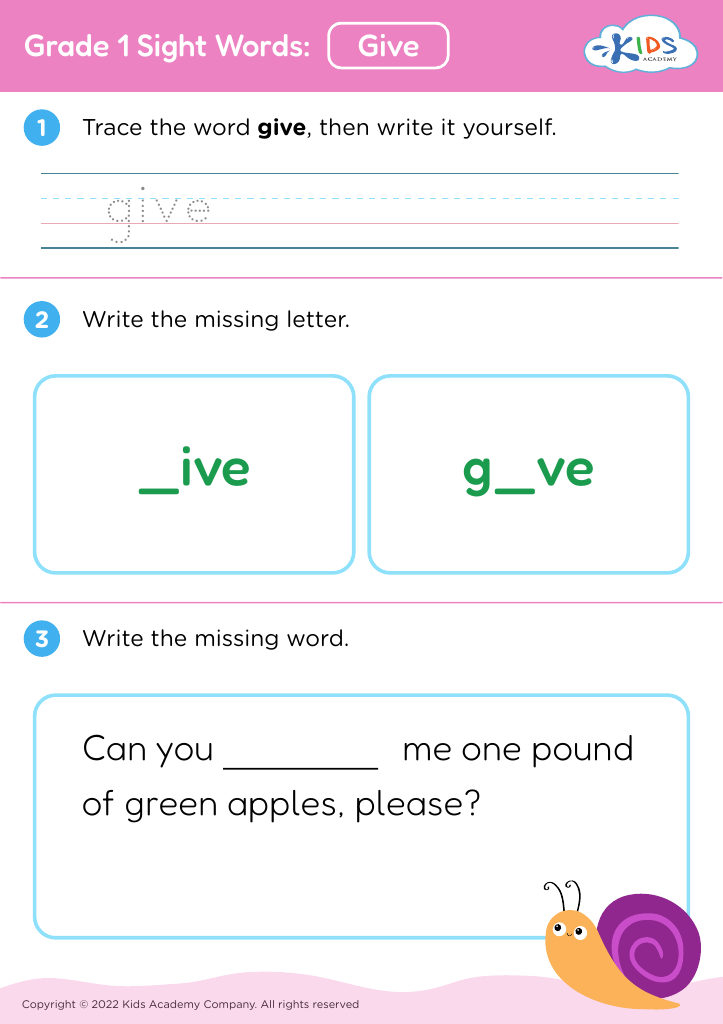
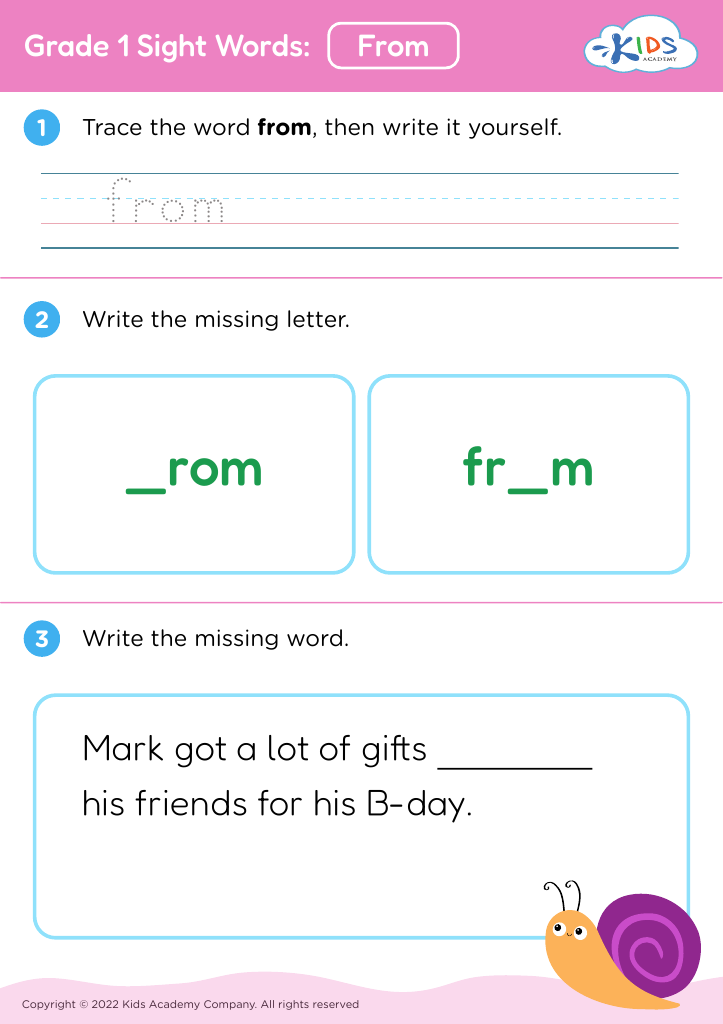
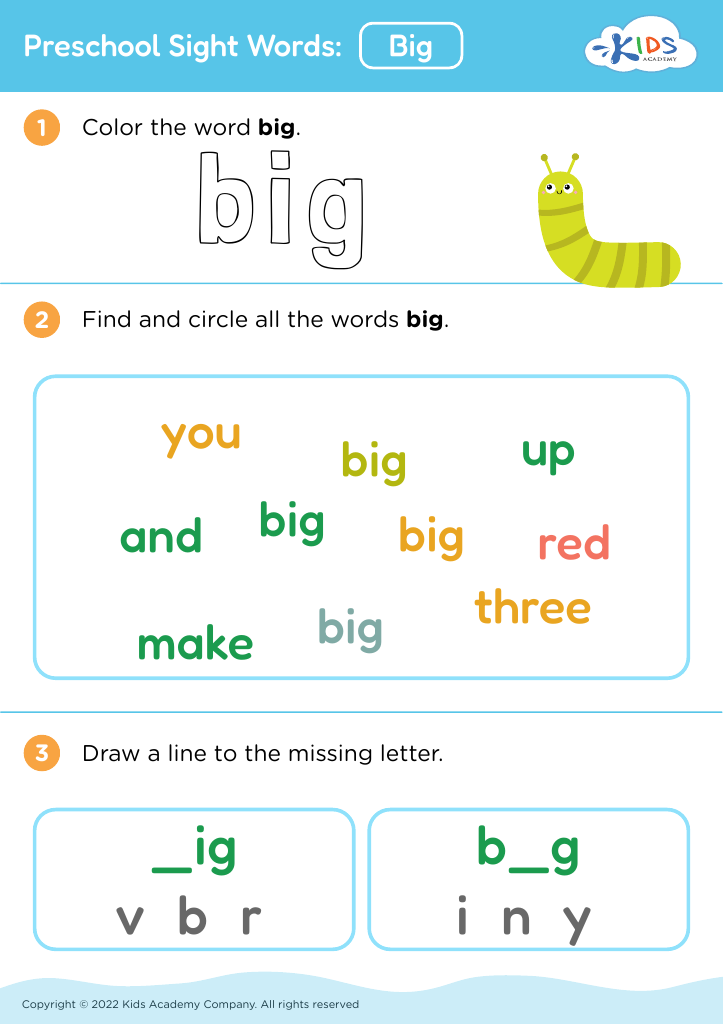







.jpg)
Parents and teachers should care about basic math skills building vocabulary for ages 5-7 because foundational math language is crucial for children's overall mathematical understanding and academic success. At this pivotal stage, children are developing critical thinking and problem-solving skills, which are largely dependent on their ability to understand and use math vocabulary. Terms such as “addition,” “subtraction,” “equal,” “more,” and “less” are not just words; they represent fundamental concepts that children will use throughout their education.
Strong math vocabulary allows children to grasp new concepts more easily, communicate their ideas clearly, and build confidence in their math abilities. Without these vocabulary skills, children might struggle to understand instructions, follow math lessons, or articulate their thought processes during problem-solving, leading to frustration and a potential dislike of maths. Additionally, a good grasp of math vocabulary supports literacy development as children become familiar with the precise language and its usage in various contexts.
By sharing stories, engaging in math-related play, and using everyday situations to introduce math vocabulary, parents and teachers can make learning fun and relevant. This makes the transition to more complex concepts smoother and creates a solid foundation for future academic tasks, helping children lay the groundwork for lifelong learning success.








