Critical thinking skills Building Vocabulary Worksheets for Ages 5-7
5 filtered results
-
From - To
Enhance your child's learning experience with our Critical Thinking Skills Building Vocabulary Worksheets, specifically designed for ages 5-7. These engaging and interactive worksheets encourage young learners to think critically while developing essential vocabulary skills. Through fun exercises, students will explore word meanings, make connections, and apply their understanding in creative ways. Our resources promote cognitive development and inspire curiosity, helping children to communicate effectively and solve problems. Perfect for both home and classroom use, these worksheets foster a love for learning and lay the groundwork for future academic success. Unlock your child’s potential with our thoughtfully crafted vocabulary-building activities today!
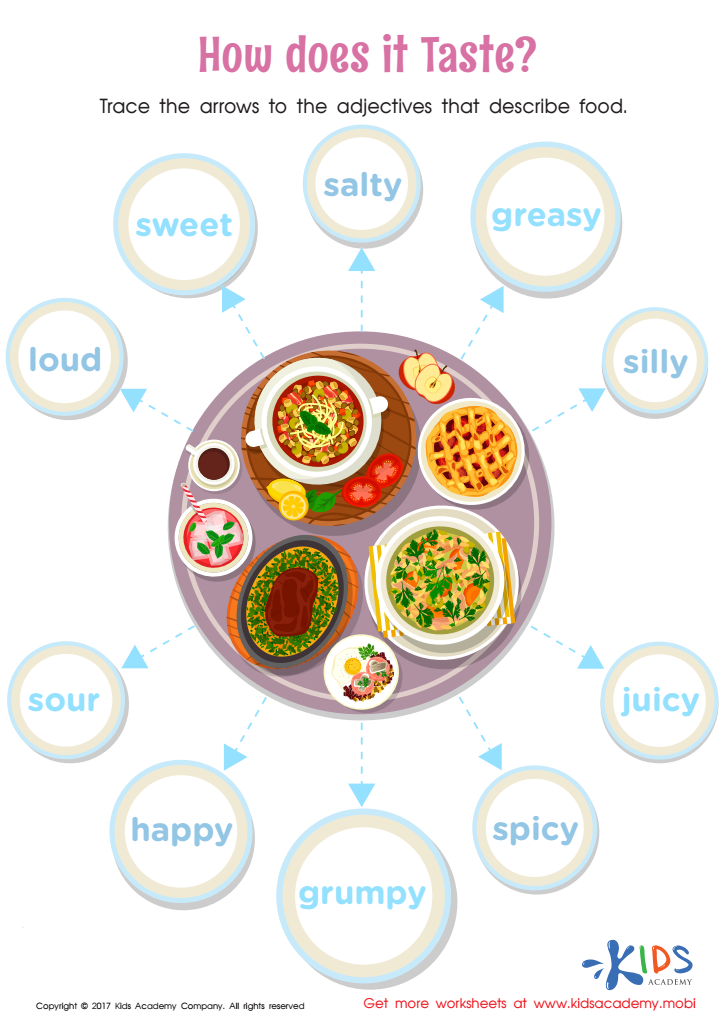
Food Adjectives Worksheet
 Assign to My Students











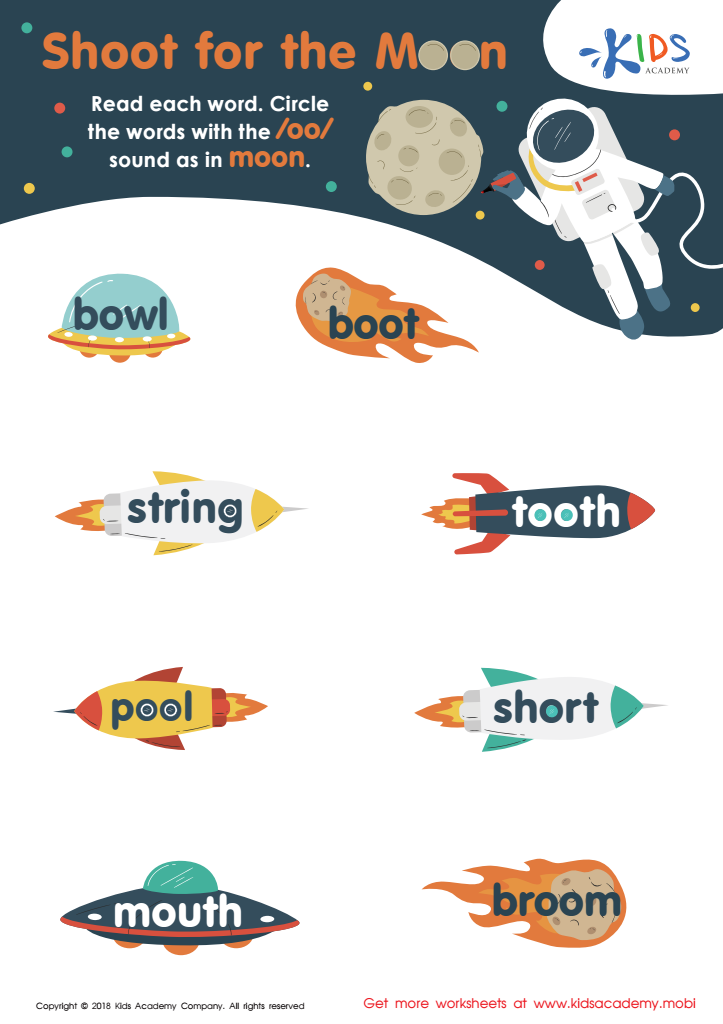
Reading: Shoot for the Moon Worksheet
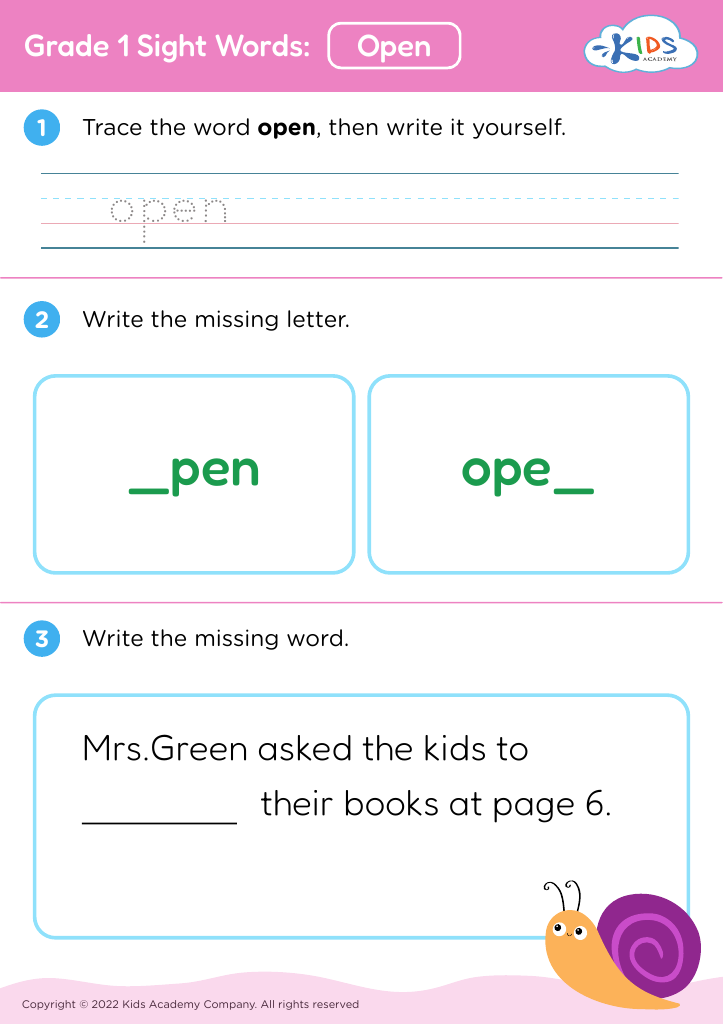
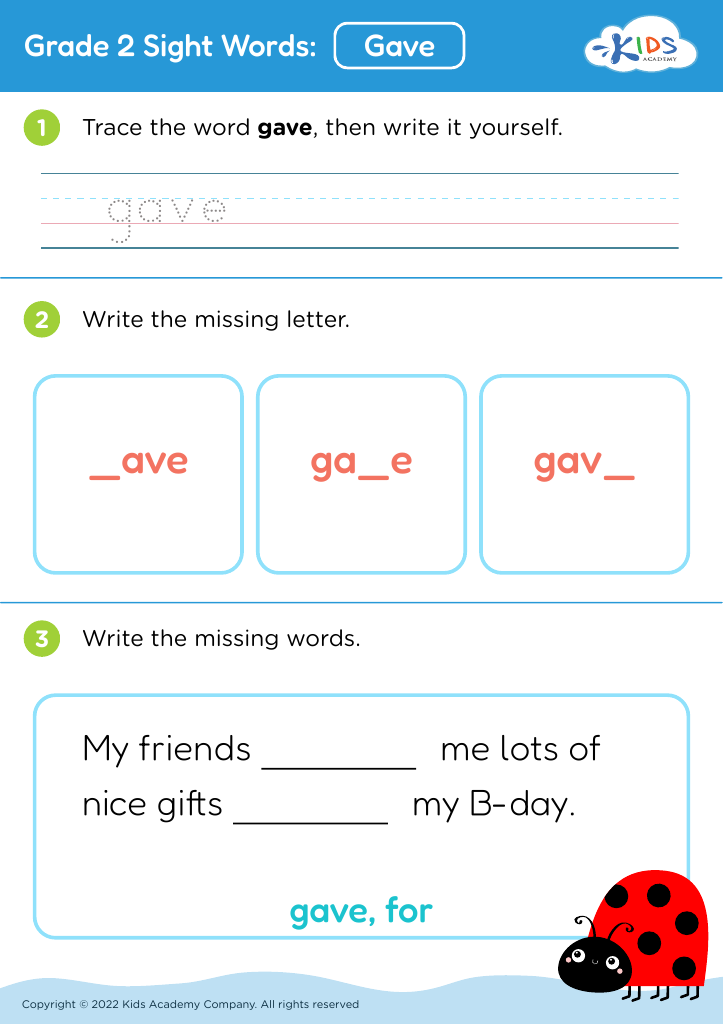
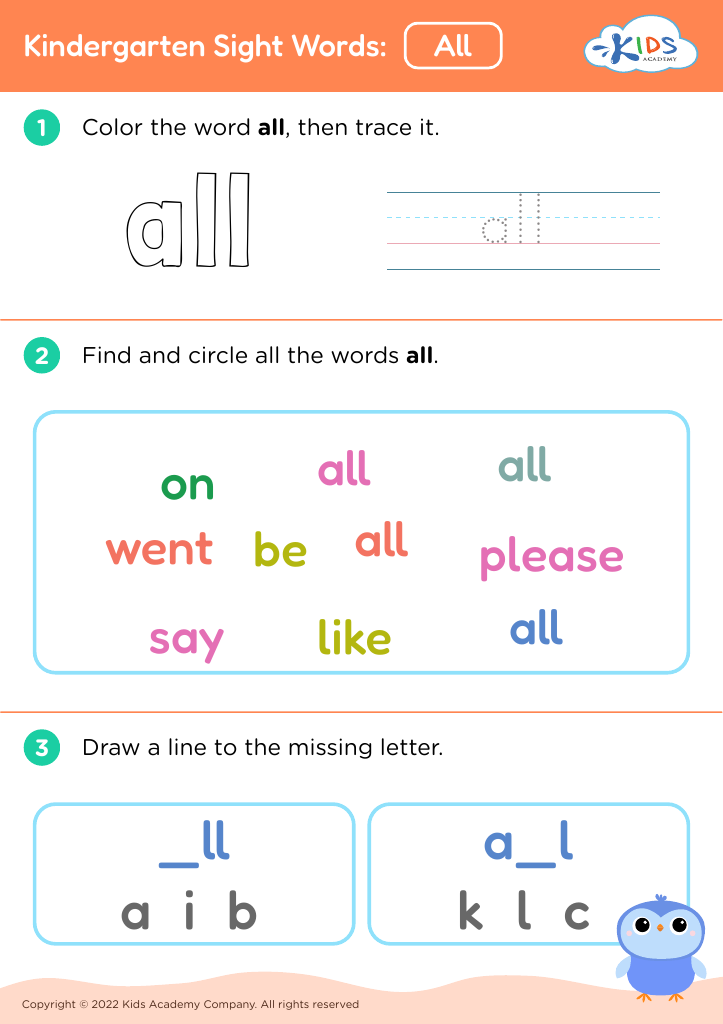








Parents and teachers should prioritize critical thinking skills and vocabulary development for children aged 5-7 due to their profound impact on cognitive and social development. At this young age, children's brains are highly receptive to learning, and introducing critical thinking helps them develop the ability to analyze information, ask questions, and make reasoned decisions. These skills foster independence and creativity, enabling children to approach problems with confidence and find innovative solutions.
Building vocabulary in early childhood is equally crucial, as words are the foundation of effective communication and comprehension. A rich vocabulary enhances a child's ability to express thoughts, emotions, and ideas clearly. It lays the groundwork for literacy skills, aiding reading comprehension and writing abilities as they progress in their education.
Furthermore, integrating critical thinking with vocabulary expands children's understanding of concepts and enhances their ability to engage in discussions, debates, and collaborative activities. This synergy cultivates a love for learning and increases academic readiness. By focusing on these skills during formative years, parents and teachers equip children not only for academic success but also for meaningful interactions in their everyday lives, ultimately shaping them into thoughtful, articulate, and capable individuals.








